- Tel: +8615128135888
- Email: hg@chinaconveyerbelt.com

Conveyor Rollers And Belt Conveyor Rollers
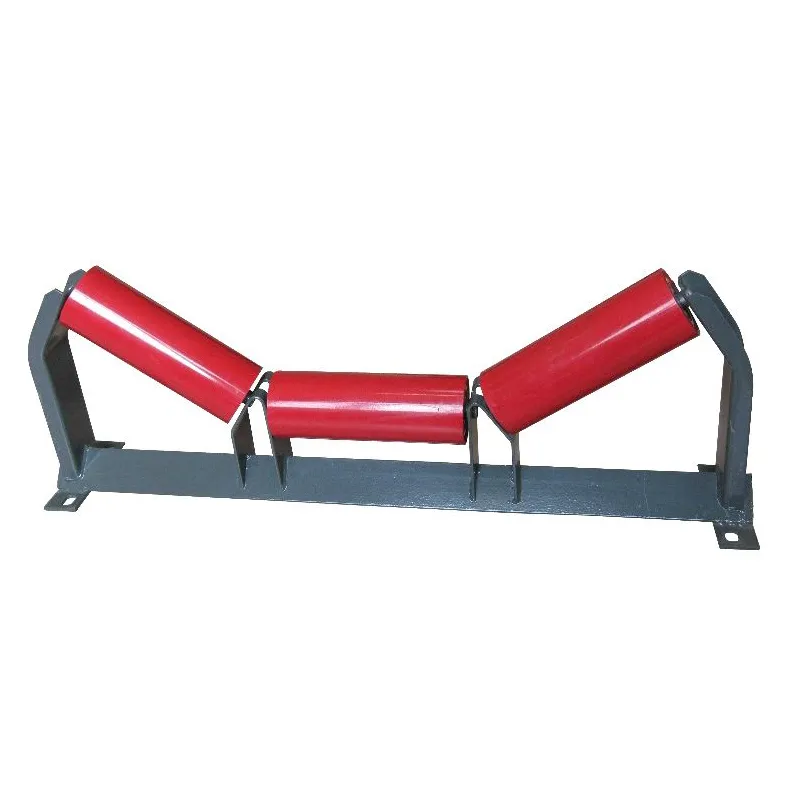
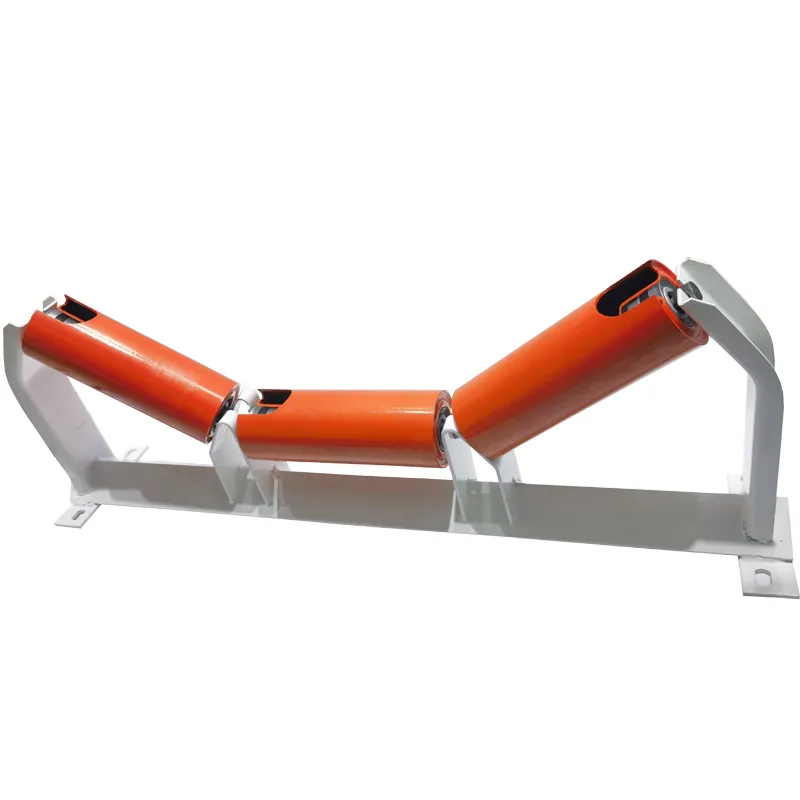
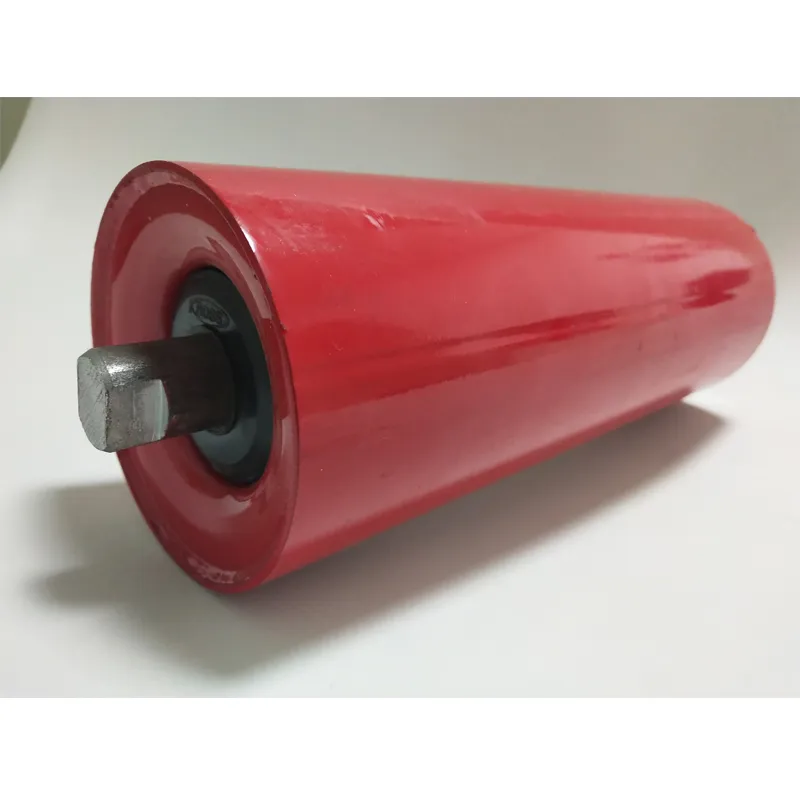
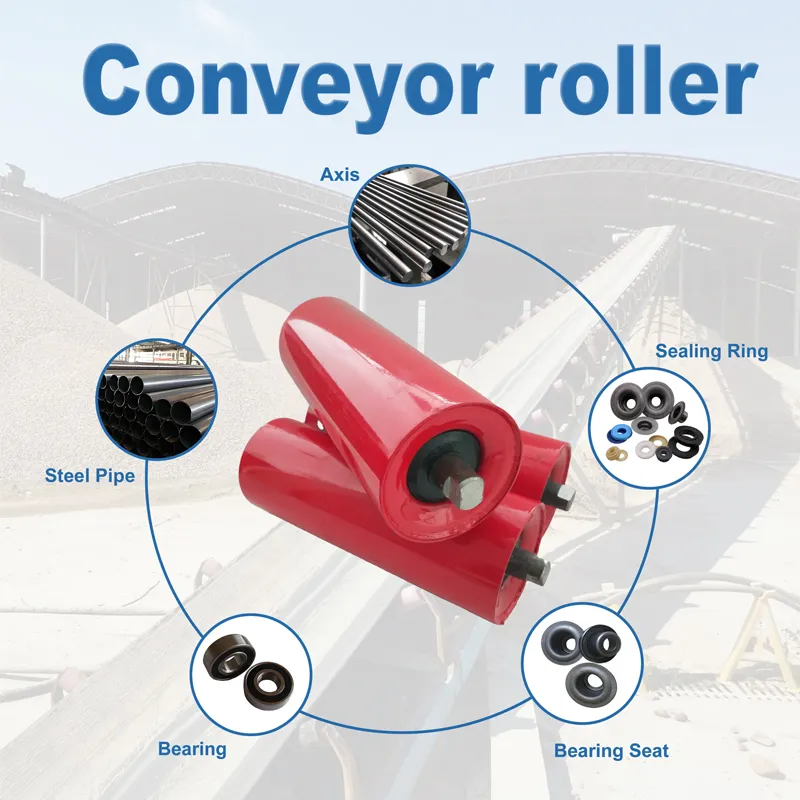
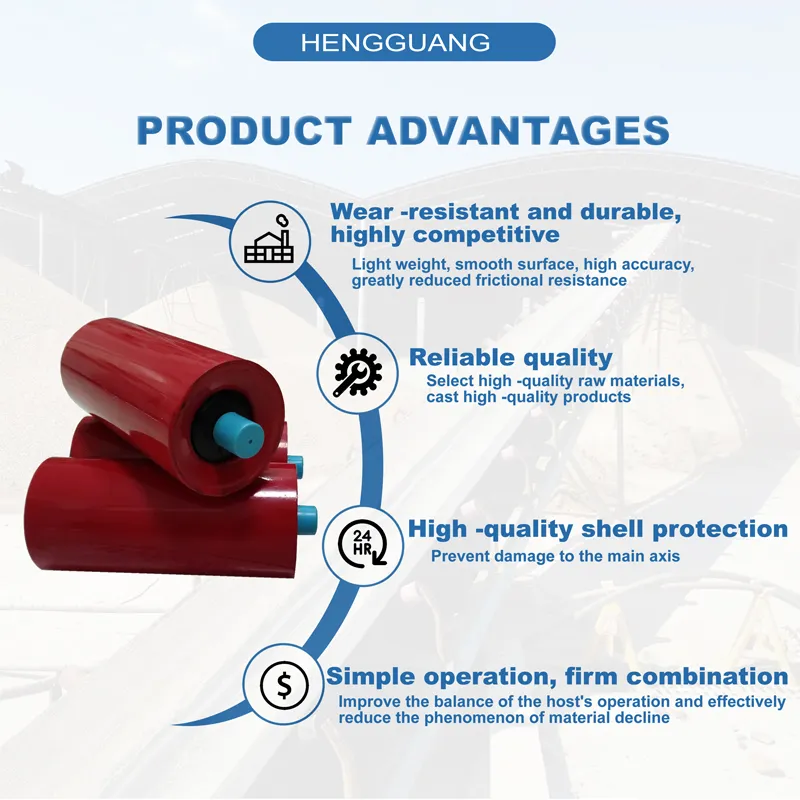
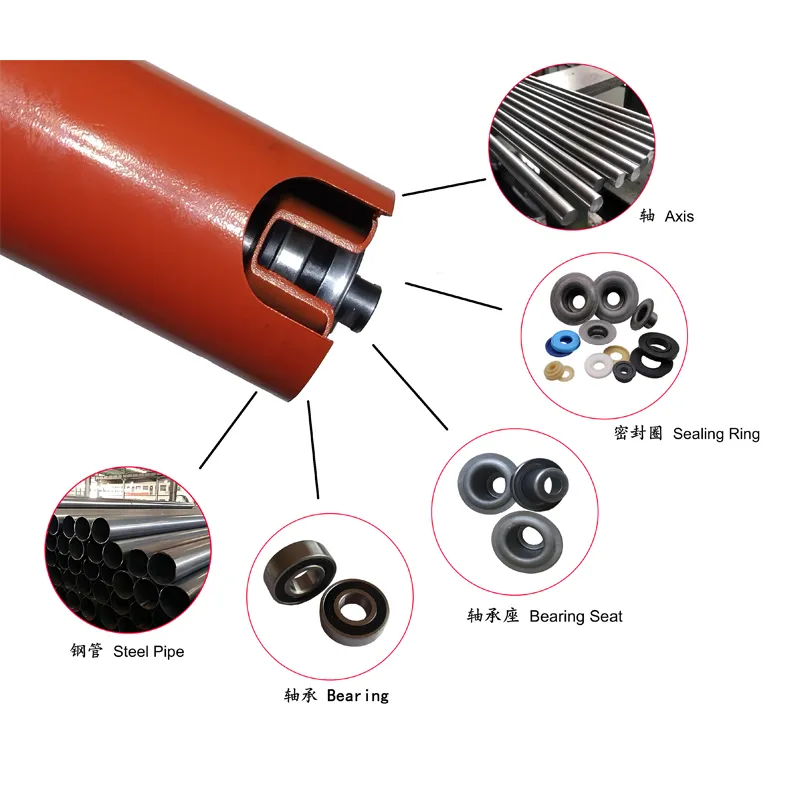
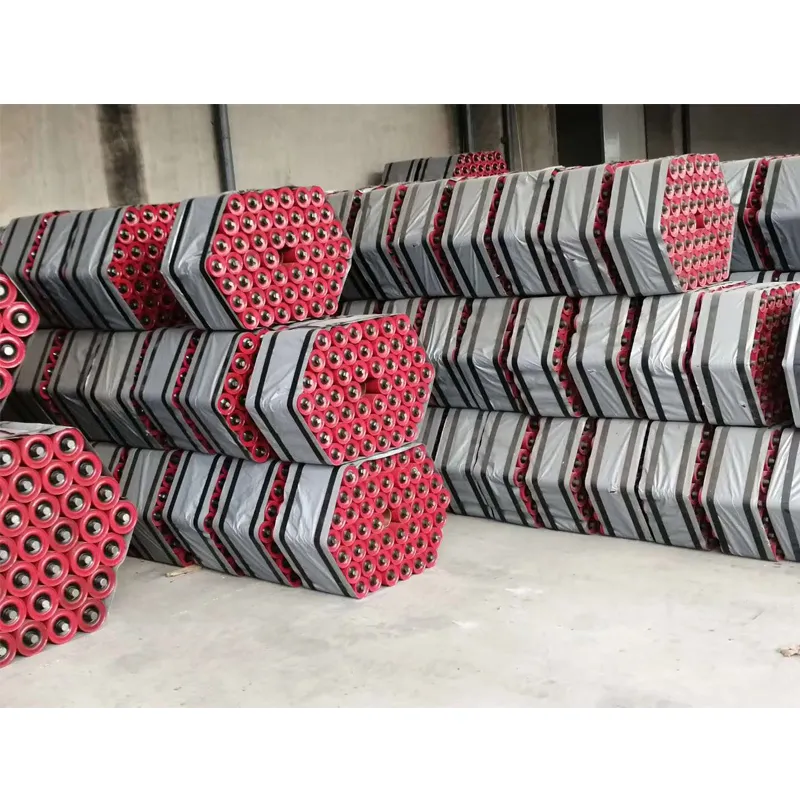
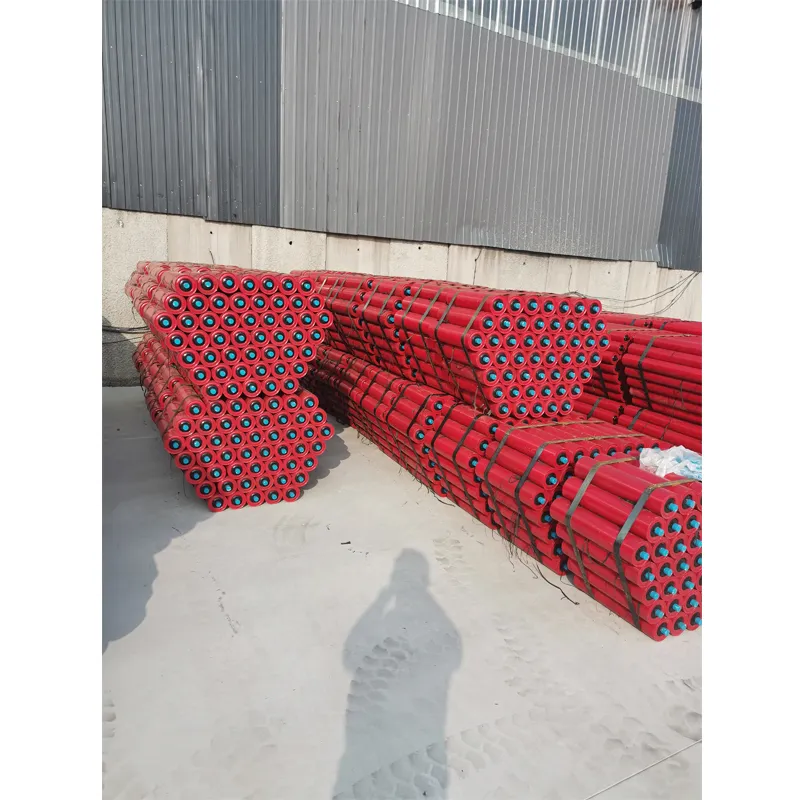
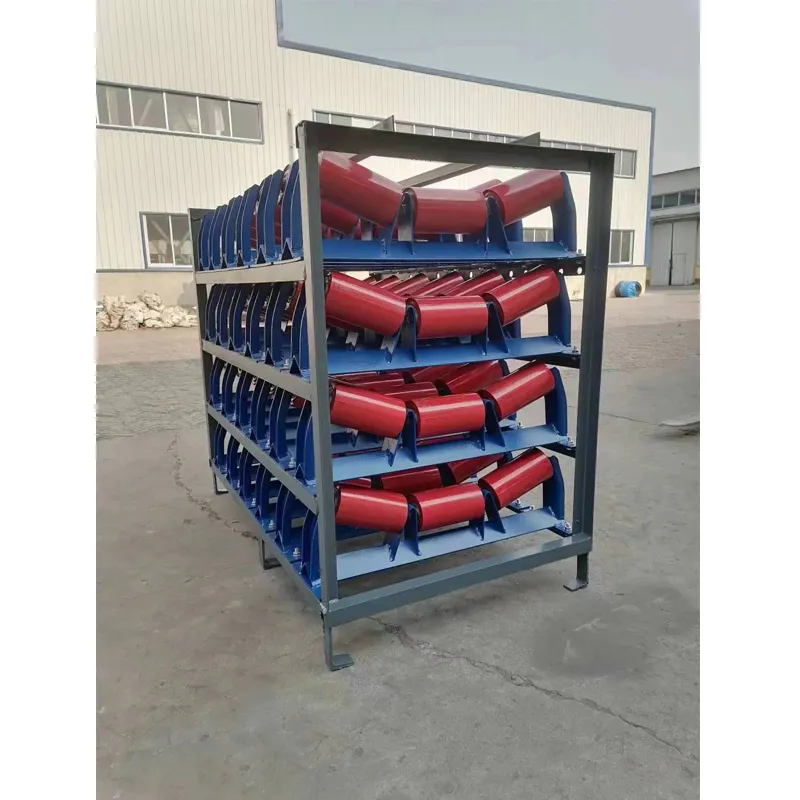
Roller is an important component of a belt conveyor, used to support the weight of the conveyor belt and materials. The roller is mainly composed of a pipe body, a shaft, bearings, and a sealing device.
The trough idler are mainly used on belt conveyors to support and guide the conveyor belt, ensuring smooth and efficient transportation of materials. The quality of the rollers is crucial for the efficiency of the entire transportation system.
The Production Process Of Rollers
(1) Cutting pipes (2) Boring pipes (3) Welding bearing seats (4) Cutting shafts (5) Milling flat (6) Opening card spring grooves (7) Assembly (8) Rust removal (9) Painting (10) Inspection
Specifications: φ60, φ76, φ89, φ102, φ108, φ114, φ127, φ133, φ140, φ159, φ165, φ176, φ194, etc
Materials: carbon steel, stainless steel, nylon, polymer, etc.
Rollers are crucial for regulating the operation of conveyor rollers. They help minimize power loss caused by mechanical friction. They can be used for products of various speeds and tonnages. The surface of the roller gear is usually coated with a product to ensure smoother efficiency. Rubber base layer helps to change friction, reduce noise, absorb impact and deformation characteristics. There are also special coatings that help resist mechanical wear, corrosion, and temperature changes. The bulky sources found in mining, logistics, and ore processing typically release various rubber coated components with heavy-duty capabilities. These components can reduce noise, impact, and vibration. The groove design of the roller can support a roller system placed at possible angles, forming grooves to prevent material overflow.
Belt Width | Type | Universal size |
500 | carry roller | 89*190 |
Return roller | 89*600 | |
650 | carry roller | 89*240 |
Return roller | 89*750 | |
800 | carry roller | 89*305 |
Return roller | 89*950 | |
1000 | carry roller | 108*375 |
Return roller | 108*1150 | |
1200 | carry roller | 108*455 |
Return roller | 108*1400 | |
1400 | carry roller | 108*525 |
Return roller | 108*1600 |
Why Are Conveyor Rollers the Backbone of Efficient Material Handling?
In every material handling system, conveyor rollers play an essential role in ensuring smooth and reliable cargo transportation. They form the structural backbone of modern conveyor lines, supporting belts that carry tons of goods daily across industries such as mining, logistics, and manufacturing. A well-designed roller not only reduces friction but also minimizes belt wear, extending the overall service life of the conveyor system. Without durable and precisely engineered rollers, even the most advanced conveyor equipment can experience misalignment, increased maintenance costs, and downtime.
Hebei Roule Conveyor Machinery Manufacturing Co., Ltd. has dedicated over a decade to developing and producing reliable conveyor roller solutions. Our manufacturing process integrates precision machining, high-quality steel tubing, and advanced sealing technologies to ensure excellent concentricity and corrosion resistance. Each roller undergoes dynamic balance testing to guarantee vibration-free operation even at high speeds. The carry roller, one of the most critical components in belt conveyors, is designed to support the load-carrying portion of the belt. By reducing drag and maintaining belt stability, carry rollers significantly enhance energy efficiency and reduce maintenance intervals.
In addition, Roule’s rollers are manufactured under strict quality control standards. Bearings are sealed against dust and moisture, while shafts are hardened for extended durability. These design features ensure reliable operation under harsh environmental conditions such as high humidity, heavy dust, and extreme temperatures. For businesses seeking long-term dependability and consistent performance, our rollers represent a cost-effective investment that aligns with global industrial standards.
The success of a conveyor system depends largely on the performance of its rollers. With continuous innovation, Hebei Roule delivers solutions that keep production lines running smoothly—helping industries around the world achieve maximum throughput and efficiency through precision-engineered roller technology.
How Do Troughing Rollers Improve Conveyor Belt Stability and Longevity?
The troughing roller is one of the most crucial components in a belt conveyor system, responsible for shaping the belt into a trough to carry bulk materials efficiently. By forming a three-roller or five-roller configuration, troughing rollers help contain loose materials such as coal, sand, or ores within the belt’s path, preventing spillage and maintaining load stability even at steep angles. This unique structure allows conveyor systems to handle heavy and granular materials smoothly across long distances and varying inclines.
At Hebei Roule Conveyor Machinery Manufacturing Co., Ltd., our conveyor troughing rollers are designed with both precision and durability in mind. The roller shells are made from cold-drawn seamless steel tubes, coated with anti-corrosion paint or galvanization for enhanced weather resistance. Each roller is mounted with high-quality bearings sealed with labyrinth-type end caps to prevent contamination from dust or water, ensuring long service life even in extreme industrial environments. The result is a roller system that minimizes maintenance while maximizing operational uptime.
Performance testing is at the heart of Roule’s quality assurance. Every roller assembly undergoes dynamic balance testing and axial load testing to confirm its ability to maintain alignment under heavy loads. The carefully calculated trough angle guarantees proper material centering, reducing belt deviation and wear. This attention to detail makes our troughing rollers suitable for industries such as mining, cement, and bulk material handling, where system reliability directly impacts productivity.
The use of precision-engineered troughing rollers also contributes to energy efficiency. Reduced friction between the belt and rollers lowers power consumption, resulting in more sustainable and cost-effective operations. With consistent innovation and manufacturing expertise, Roule ensures that its rollers meet international standards and provide customers with dependable performance year after year.
What Makes Carry Idlers Essential for Reliable Conveyor Belt Operation?
Among the most vital components of any belt system, carry idlers are responsible for supporting the loaded side of the belt and maintaining consistent tension throughout the conveying process. Their design directly influences the stability, speed, and overall efficiency of material transport. Poor-quality idlers can lead to belt misalignment, noise, and energy loss—issues that translate into costly maintenance and downtime. For industries relying on 24/7 material flow, the use of reliable idlers is non-negotiable.
Hebei Roule Conveyor Machinery Manufacturing Co., Ltd. offers a complete range of idlers tailored to different industrial requirements. Each troughing idler is designed for precision alignment and consistent load support, reducing the risk of belt sag and slippage. Our idlers feature precision bearings, solid shafts, and deep-pressed housings that provide exceptional concentricity and balance. This meticulous engineering ensures smooth belt movement, minimal vibration, and long-lasting performance.
One of Roule’s key innovations lies in the manufacturing process. By combining automated welding, advanced surface finishing, and strict quality testing, our carry idlers maintain structural integrity under extreme operational conditions. The heavy-duty design allows them to perform reliably in mining, quarrying, and bulk material handling environments where load impact is high. In addition, customized solutions such as rubber-coated idlers, impact idlers, or self-aligning assemblies can be provided to meet specific application needs.
Beyond functionality, Roule’s idlers are built with a focus on energy efficiency and sustainability. Reduced rolling resistance translates into lower power requirements, cutting both energy costs and environmental impact. For customers seeking both performance and long-term reliability, our idlers deliver consistent results backed by years of manufacturing expertise and commitment to quality.
Through continuous research, innovation, and real-world testing, Hebei Roule has earned its reputation as a trusted supplier of conveyor components. Whether for standard belt conveyors or specialized heavy-duty applications, our rollers and idlers ensure that every system operates at peak performance, reflecting our dedication to precision engineering and customer satisfaction.
Types of Idler in Belt Conveyor
In a belt conveyor system, belt conveyor rollers are essential components that support the conveyor belt, maintain stable material transportation, and help improve the overall operating performance of the conveyor structure. Different working conditions require different belt conveyor idler types, as each idler is designed for specific positions and functions, such as carrying materials, supporting the return belt, absorbing impact, or correcting belt deviation.
Troughing idlers are one of the most commonly used solutions among belt conveyor troughing idlers. They are installed on the carrying side of the conveyor and use multiple rollers arranged at a specific angle to form a trough shape, helping the belt hold bulk materials during transportation. Common trough angles include 20°, 35°, and 45°, allowing users to select suitable configurations according to conveyor requirements.
For areas where the conveyor receives heavy impact from falling materials, impact idlers provide additional protection through rubber-based impact absorption designs. These conveyor idler rollers help reduce the direct force applied to the conveyor belt and support more stable operation in loading zones. Self-training idlers, also known as self-aligning idlers, are designed to assist with belt tracking. By allowing the roller structure to adjust according to belt movement, these belt idler roller solutions help guide the belt back toward the correct running position. Similar alignment functions can also be applied to return-side idlers for different conveyor arrangements.
Flat idlers are another basic type used in conveyor systems, providing simple belt support for carrying sections where a flat belt profile is required. Return idlers are installed on the return side of the conveyor to support the empty belt after material discharge. Rubber disc return idlers can also be customized for applications requiring additional cleaning support through rubber disc structures. A suitable conveyor belt idler design depends on factors such as conveyor position, material characteristics, loading conditions, and operating environment. With different configurations available, these idler solutions can be integrated into various belt conveyor systems to meet different transportation needs. Choosing the correct idler type helps maintain belt stability, reduce unnecessary wear, and improve the service life of conveyor equipment.
Conveyor Belt Idler Design: Key Factors Affecting Belt Conveyor Performance
The design quality of conveyor idler rollers directly determines the operating performance of the entire belt conveyor system. As a key component supporting the conveyor belt and transported materials, rollers need to maintain stable rotation, reduce running resistance, and ensure continuous material handling under different working conditions. A reliable belt idler roller design not only improves conveying efficiency but also helps extend the service life of belts and other conveyor components.
The performance of belt conveyor rollers mainly depends on several core design elements, including tube material, shaft diameter, bearing selection, and sealing structure. The roller tube provides the main load-supporting structure, while the shaft diameter affects the overall strength and load capacity. High-quality bearings ensure smooth rotation during long-term operation. For industrial applications with high levels of dust and moisture, a reliable sealing system is especially important. The labyrinth seal structure used in our rollers creates multiple sealing barriers to effectively prevent dust, water, and other contaminants from entering the bearing area, helping maintain stable performance and reduce maintenance frequency.
Material selection is another important part of conveyor belt idler design. Carbon steel rollers provide strong load-bearing capacity and are suitable for heavy-duty applications such as mining and bulk material handling. Stainless steel rollers offer better corrosion resistance for environments exposed to moisture or corrosive materials. Polymer rollers provide lightweight performance and excellent resistance to corrosion and wear, making them suitable for specific conveying conditions where reduced weight and smooth operation are required.
Surface treatment also improves roller durability. Standard painted surfaces provide basic protection against corrosion, while rubber-coated rollers offer additional advantages such as impact absorption, noise reduction, and improved friction performance. These solutions allow the rollers to adapt to different conveyor environments and operating requirements. Through optimized structural design, precision manufacturing, and suitable material selection, our belt conveyor idler types provide lower rotational resistance, reduced energy consumption, and more stable operation. Efficient roller performance helps minimize unexpected downtime, decrease belt wear, and reduce long-term maintenance costs for customers. By focusing on durability and practical application needs, our idler rollers provide reliable support for modern conveyor systems.
High Performance Belt Conveyor Rollers for Demanding Material Handling Applications
Designed for reliable performance in demanding conveyor environments, our belt conveyor rollers provide stable support and smooth operation for various material handling systems. As an essential part of belt conveyor equipment, rollers are responsible for supporting the conveyor belt and transported materials while helping maintain efficient and continuous conveying performance. A well-designed roller structure can improve system stability and reduce unnecessary maintenance during long-term operation.
Our conveyor idler rollers are manufactured with carefully selected components, including durable roller tubes, precision shafts, quality bearings, and effective sealing structures. The shaft and bearing assembly adopts an optimized fit design to improve connection stability and sealing performance. Combined with a reliable labyrinth sealing system, the rollers can better prevent dust and moisture from entering the bearing area, helping maintain smooth rotation and extending service life in industrial applications.
To meet different conveying requirements, we provide various belt conveyor idler types, including troughing idlers, return idlers, impact idlers, rubber disc return idlers, and self-aligning idler solutions. Among them, belt conveyor troughing idlers are widely used on the carrying side of conveyors to support the belt and maintain the suitable trough shape for bulk material transportation. Different configurations allow customers to select suitable roller solutions according to conveyor structure and working conditions.
The overall conveyor belt idler design focuses on durability, operational efficiency, and adaptability. Available materials include carbon steel, stainless steel, and polymer options, allowing the rollers to match different environments, from heavy load applications to areas requiring corrosion resistance. Used in coordination with different types of conveyor belt, they help boost overall system efficiency and cut energy consumption. Surface treatments such as painting and rubber coating further enhance protection, wear resistance, and practical performance. With low rotational resistance and stable running characteristics, our belt idler roller solutions help reduce power consumption, minimize belt wear, and improve the reliability of conveyor systems. Whether used for new conveyor installations or replacement projects, these precision-manufactured rollers provide dependable support, helping customers achieve smoother operation, fewer interruptions, and lower long-term maintenance costs.
Applications of Conveyor Idler Rollers in Material Handling and Belt Conveyor Systems
In modern industrial operations, conveyor idler rollers play an essential role in supporting continuous material transportation across different working environments. From bulk material handling and warehouse transfer to loading, unloading, screening, and sorting processes, reliable rollers help maintain stable belt movement and improve the efficiency of the entire conveyor system. As a key supporting component, belt conveyor rollers are widely used where large quantities of materials need to be moved safely and consistently over short or long distances.
In mining, quarrying, aggregate processing, and bulk material industries, conveyor systems are commonly used for transporting materials such as coal, ores, sand, gravel, and other bulk products. During these operations, belt conveyor idler types are selected according to different conveyor sections and working requirements. Carrying idlers support the loaded belt during transportation, while return idlers provide stable support for the empty belt on the return path. For applications requiring higher material retention, belt conveyor troughing idlers help form the belt into a suitable trough shape, allowing bulk materials to remain centered during movement and reducing the risk of material spillage.
In logistics centers, warehouses, and manufacturing facilities, conveyor equipment is also widely applied for product transfer, packaging lines, and material distribution. A properly designed belt idler roller helps reduce friction between the belt and supporting structure, allowing goods to move more smoothly while improving energy efficiency and reducing unnecessary maintenance caused by unstable belt operation. Conveyor systems are also important in screening and classification processes, where materials need to be transported between different processing stages. Although operations such as crushing, grinding, and calcination are upstream or downstream procedures, conveyors equipped with reliable idler components are often used to connect these stages and maintain continuous material flow.
The conveyor belt idler design directly influences system reliability in these applications. By providing stable support, smooth rotation, and durable operation, high-quality idler rollers help reduce belt wear, minimize downtime, and lower long-term operating costs. Whether used for transportation, handling, loading, unloading, or material sorting, properly selected conveyor rollers provide the foundation for efficient and dependable conveyor performance.
Economic Benefits of Long-Life Conveyor Idler Rollers for Efficient Material Handling
Long service life is one of the most important factors when selecting conveyor idler rollers for industrial conveyor systems. For mining, bulk material handling, logistics, and processing applications, reliable rollers can directly influence operating costs, production continuity, and maintenance efficiency. A durable belt idler roller helps reduce unexpected equipment problems while supporting stable material transportation, loading, unloading, screening, and other continuous conveying operations.
The economic advantages of our rollers, no matter impact idler or nylon idler, come from an optimized conveyor belt idler design that focuses on protection, smooth operation, and long-term reliability. Each roller is equipped with an effective sealing structure, including labyrinth-type sealing technology, which helps prevent dust and moisture from entering the bearing area. In harsh working environments with heavy dust, humidity, and temperature changes, this design helps maintain bearing performance and reduces the risk of premature roller failure. Low rolling resistance is another important feature of our belt conveyor rollers. By reducing friction during belt operation, the rollers help lower the power demand of the conveyor system while also reducing unnecessary wear between the belt and roller surface. This contributes to improved energy efficiency and helps protect the conveyor belt, which is one of the most valuable components in the entire conveying system.
To ensure stable operation under different loads, our rollers are manufactured with precision control and undergo dynamic balance testing. A balanced roller structure reduces vibration during operation, helping maintain smoother belt movement and improving the overall reliability of the conveyor line. Different belt conveyor idler types, including carrying rollers, return rollers, and belt conveyor troughing idlers, can be selected according to specific conveyor positions and material handling requirements.
For industries such as mining, metal processing, and bulk material transportation, long-lasting rollers provide practical cost benefits. Fewer roller replacements mean reduced spare parts consumption, lower labor requirements for maintenance, and fewer interruptions caused by unexpected downtime. By improving durability and operational stability, our conveyor idler rollers help customers achieve more efficient production and lower long-term operating expenses.
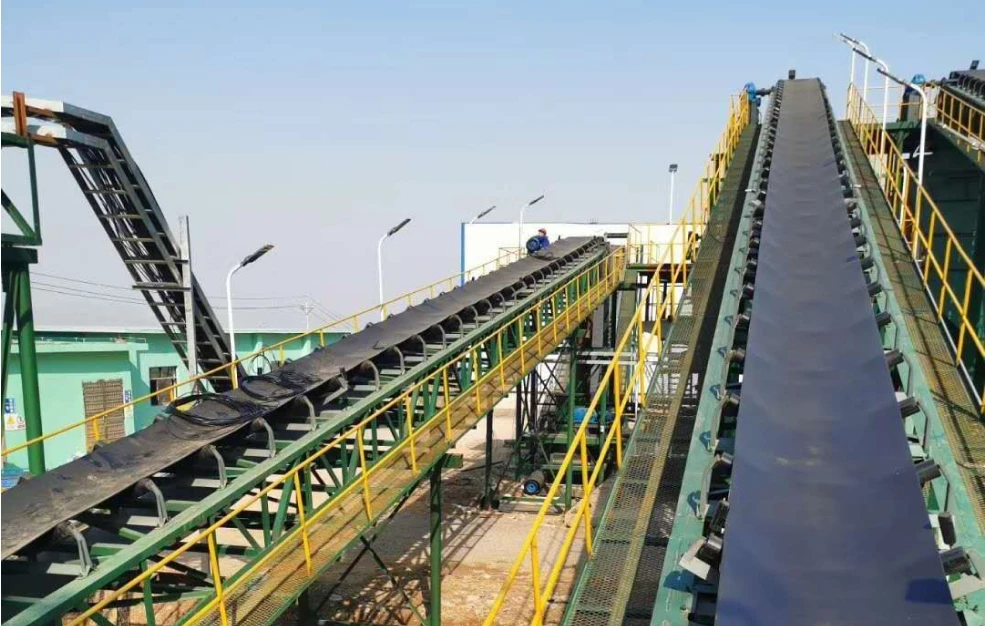
Belt Conveyor Rollers - The Backbone of Efficient Material Handling
Belt Conveyor Rollers - The Backbone of Efficient Material HandlingOur Belt Conveyor Rollers deliver unmatched reliability for bulk material transport systems. Featuring high-grade steel cores and advanced sealing technology, they prevent material buildup and withstand harsh conditions while maintaining optimal belt alignment.
-
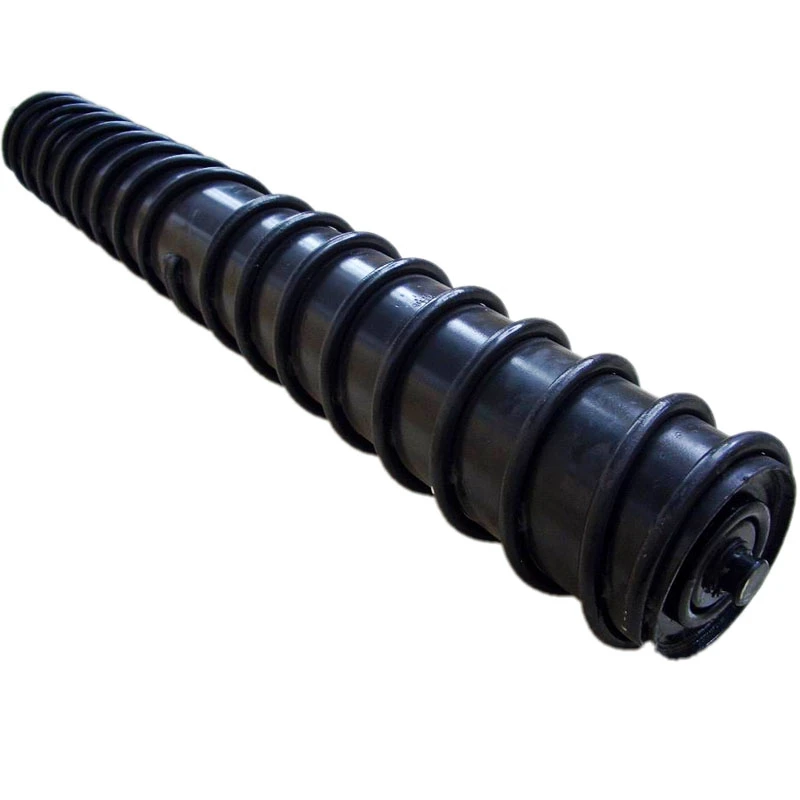 Spiral Conveyor Roller
Spiral rollers are mainly used to clean debris adhered to adhesive tape and can also play a role in adjusting deviation.
-
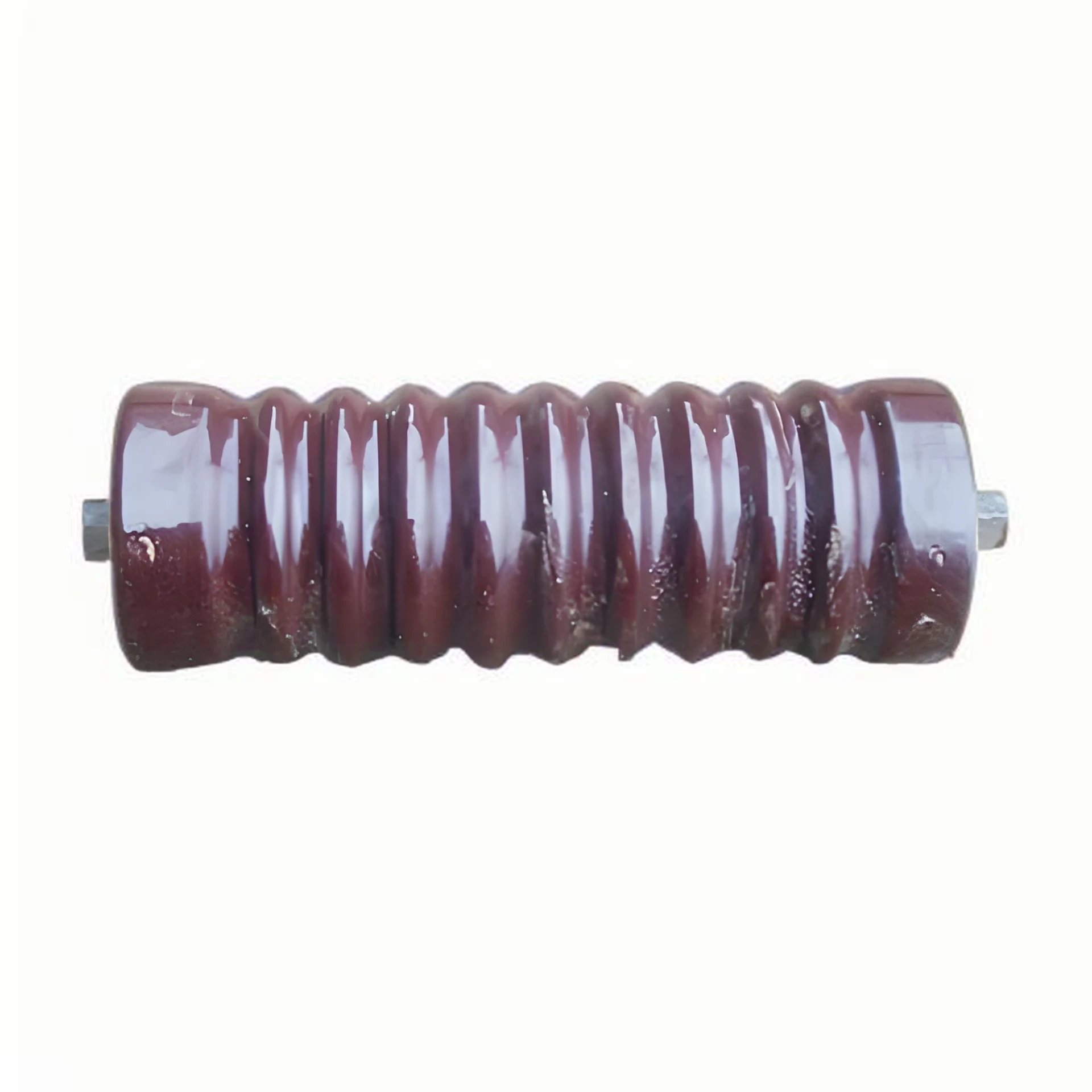 Parallel Ceramic Rollers For Conveyor
Ceramic rollers are composite components composed of ceramic bodies, bearings, shafts, and plastic labyrinth seals.
-
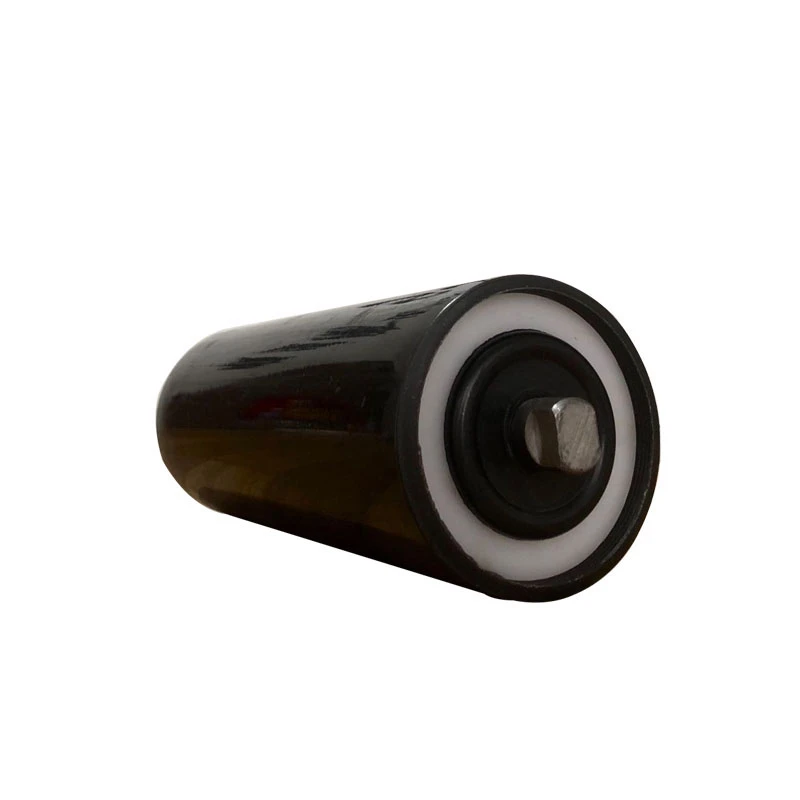 Wear Resistant Ultra-High Polymer Roller
Polymer rollers, also known as ultra-high molecular weight polyethylene rollers, are produced independently by our factory. Our polymer rollers have superior performance in wear resistance, corrosion resistance, and adhesion resistance.
-
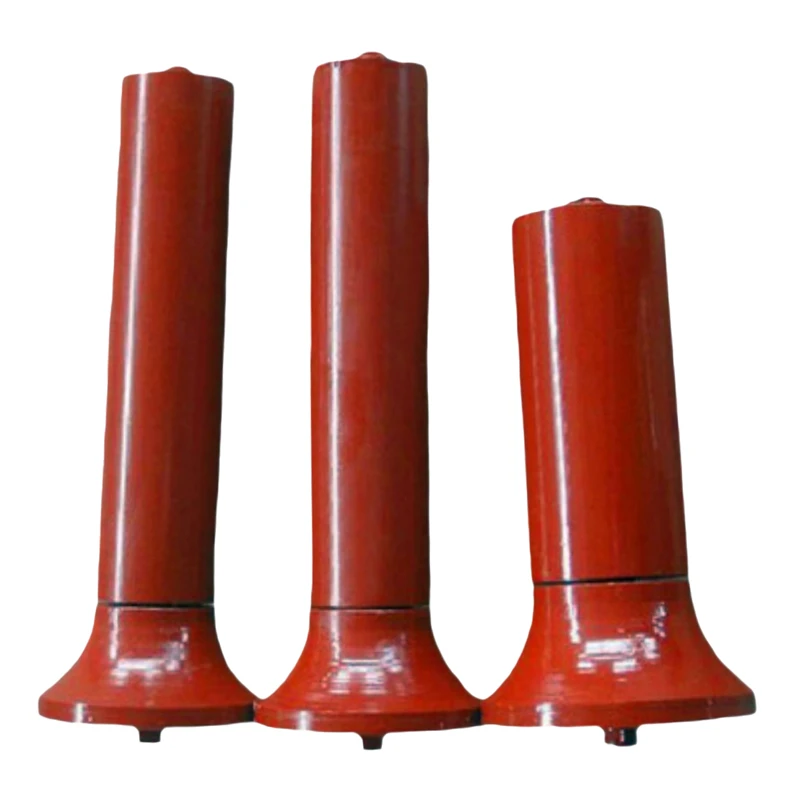 Self Aligning Friction Roller
Friction roller is a mechanical structure composed of a drum, shaft, and bracket, which plays a role in supporting materials, transmitting power, and maintaining stability during the movement of a conveyor belt.
-
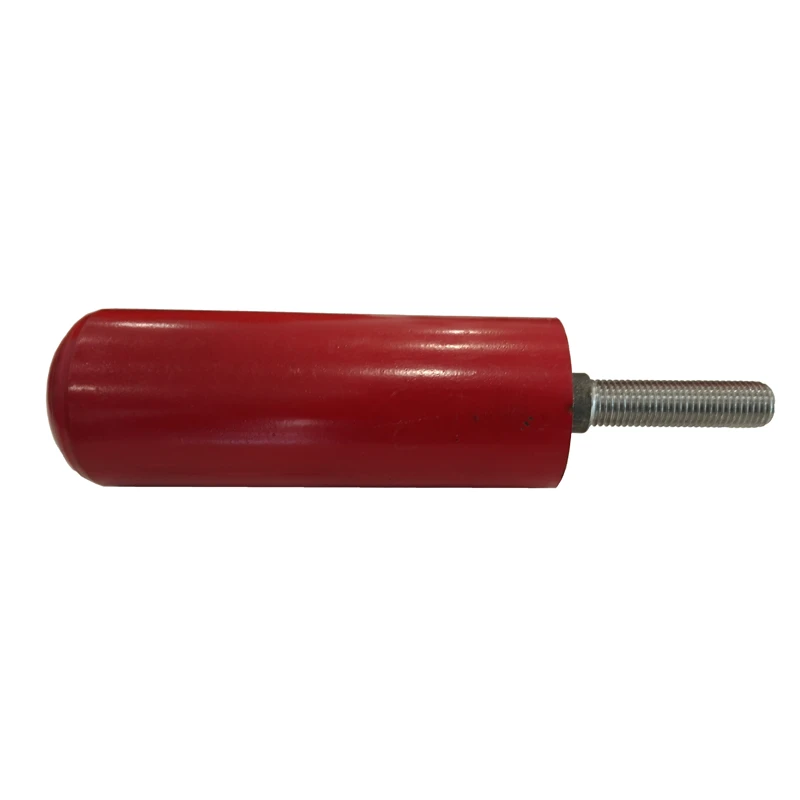 Belt Conveyor Barrier Roller
Belt conveyor stop roller, also known as vertical roller, is a device mainly connected to the centering bracket and is usually installed on both sides of the belt conveyor.
-
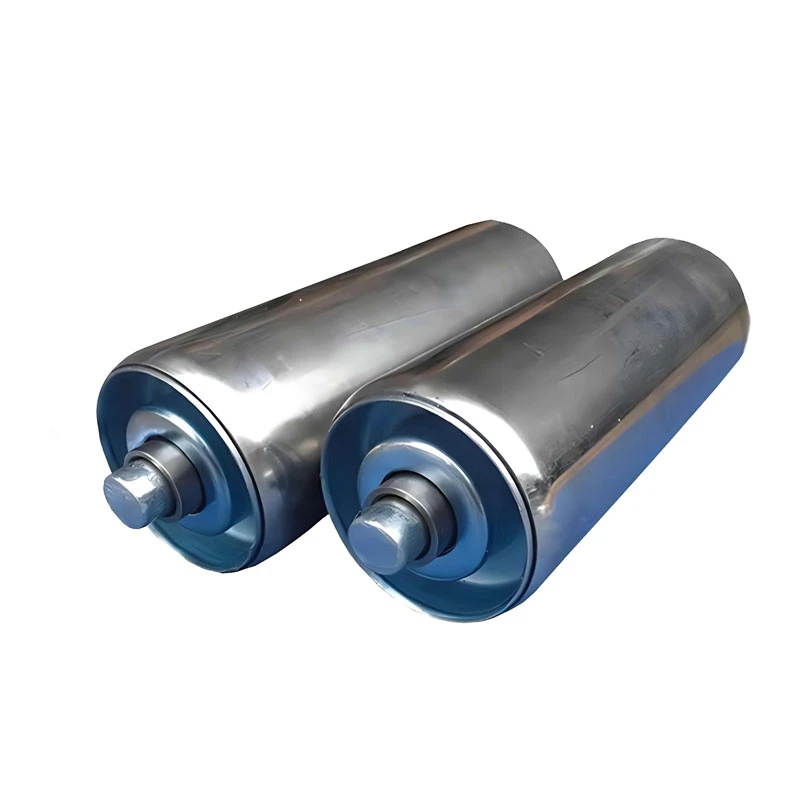 Stainless Steel Conveyor Roller
Stainless steel conveyor rollers made of stainless steel are important components in conveyor lines. There are many types of stainless steel conveyor rollers, so different stainless steel conveyor rollers can be customized according to the needs of different industries.
-
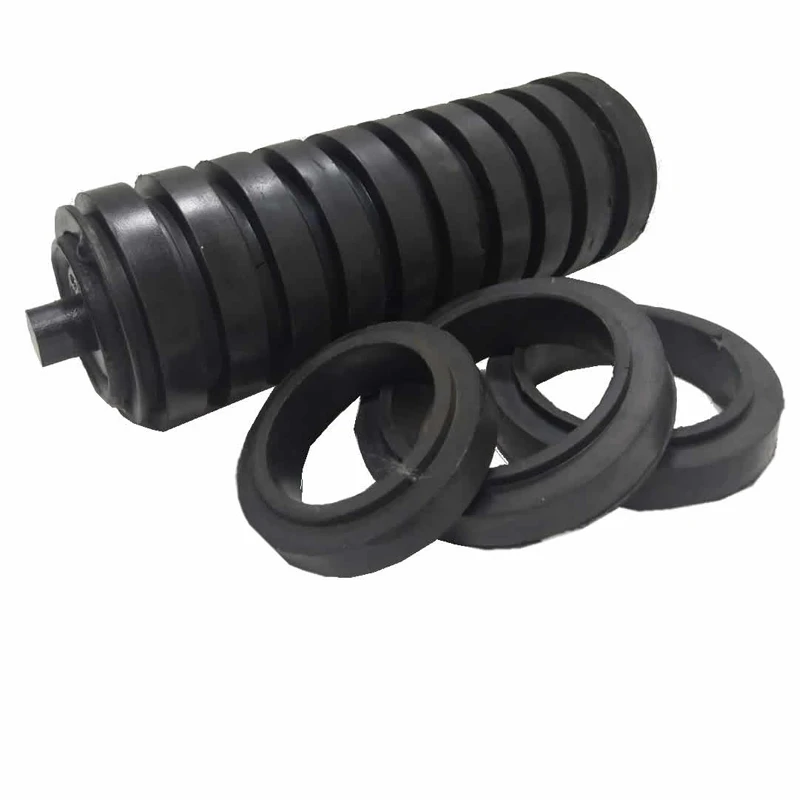 Casting Rubber Roller
The buffer roller group is installed below the receiving section of the conveyor to reduce the impact of materials on the conveyor belt during material dropping, thereby extending the service life of the conveyor belt.
-
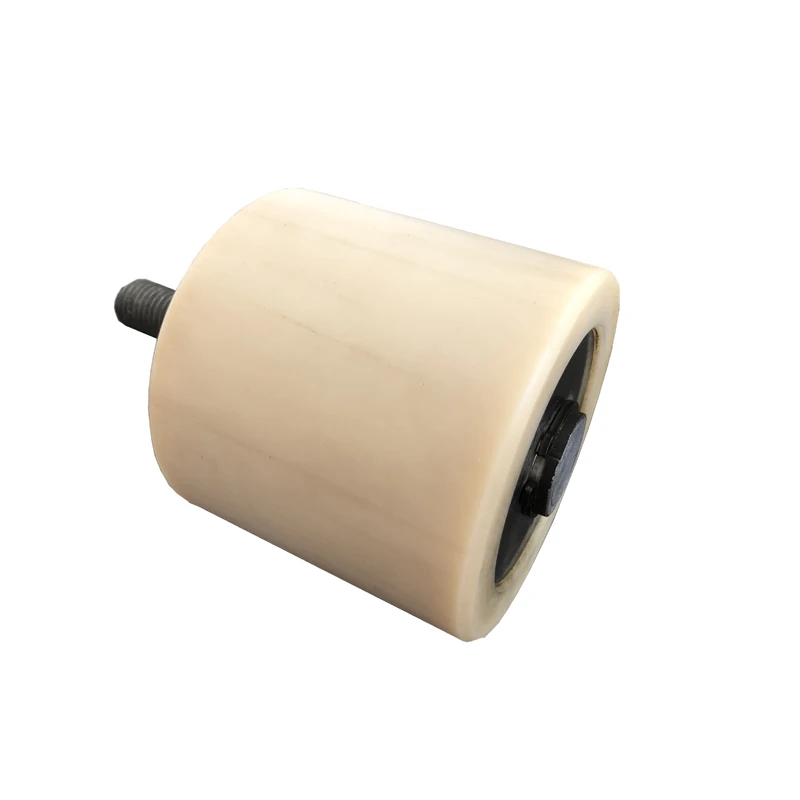 Wear Resistant and Corrosion-Resistant Nylon Roller
Nylon idlers have many advantages, including high wear resistance, self lubrication, corrosion resistance, aging resistance, excellent mechanical properties, low noise and long life. These advantages have made nylon rollers widely used in various industrial fields.
Let's Get in Touch!
Send us a message and let our experts assist you with tailored solutions.


