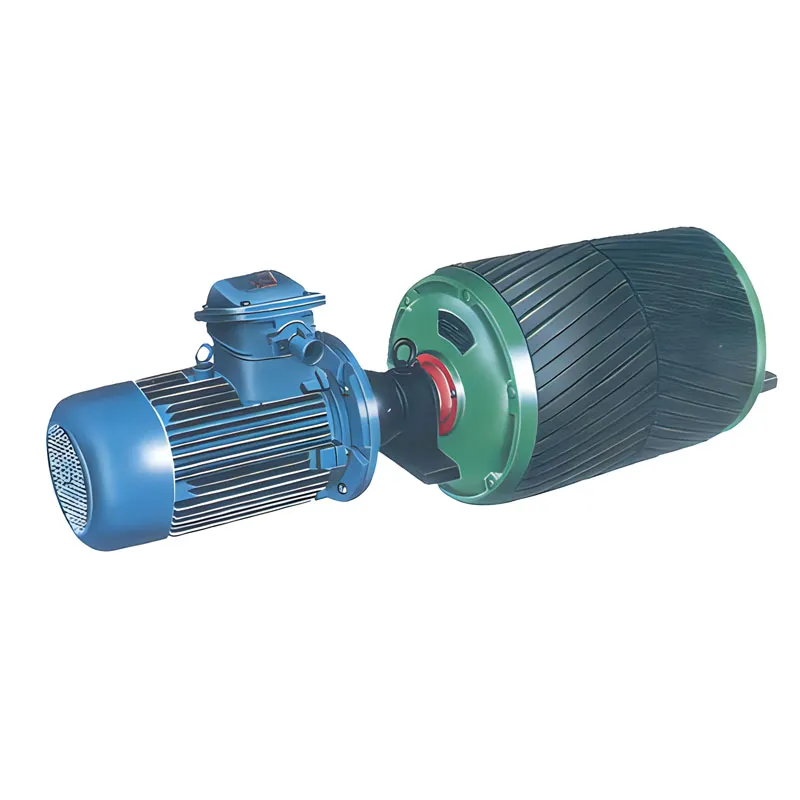
Flame Retardant Belts from Top Stainless Steel Roller Manufacturers
In high-risk environments like underground coal mines and chemical plants, the integrity of material handling systems is a critical safety requirement. When friction, heat, and combustible dust are present, standard belts pose a significant fire risk. This is where specialized flame-retardant conveyor belts become indispensable, serving as a primary defense mechanism to prevent the rapid spread of fire and protect both personnel and infrastructure. By utilizing advanced polymer impregnation and vulcanization, these belts ensure that production remains stable even under extreme thermal stress.
Hebei Roule Conveyor Machinery focuses on solving these operational hazards through a whole-core flame-retardant design. Unlike traditional layered belts, our PVC and PVG type solutions provide a uniform barrier against ignition, combining high tensile strength with self-extinguishing properties. Whether dealing with the steep inclines of a mining shaft or the corrosive atmosphere of a metallurgy plant, selecting the right fire-resistant material is a strategic decision that balances operational throughput with stringent safety compliance.

Technical Composition of Whole Core Flame Retardant Conveyor Systems
The efficacy of a flame-retardant belt lies in its chemical formulation and structural bonding. Hebei Roule employs a specialized process where the entire belt core is impregnated and plasticized with a polyvinyl chloride (PVC) paste. This "whole core" approach eliminates the vulnerabilities found in traditional fabric-layered belts, where air gaps can allow fire to migrate internally. By creating a dense, non-combustible matrix, the belt can effectively delay combustion and resist flame propagation.
We offer two primary configurations to meet different environmental demands:
- PVC Type: Featuring upper and lower covering layers made of PVC cover adhesive with a single-sided thickness of ≥ 0.8mm. These are ideal for moderately hazardous environments with inclination angles under 16°.
- PVG Type: A more robust version utilizing a blend of nitrile rubber and PVC for the covering layers, with thicknesses ranging from 1.5mm to 4.5mm. This type is engineered for higher stress and can handle inclination angles up to 20°.
The production cycle is a rigorous ten-step sequence: drying, plasticizing, compounding, mixing, parking, hot refining, rolling, forming, vulcanization, and finally, packaging. For nylon skeleton belts, an additional secondary stretching and shaping process is applied outside the mold to ensure superior product reliability and high-scale production consistency.

Critical Safety Performance and Industrial Durability
Beyond fire resistance, an industrial conveyor belt must withstand mechanical abuse. The whole-core structure provides a uniform bonding layer between the rubber cover and the core, which significantly prevents delamination—a common failure point under high temperature or heavy impact. This structural integrity ensures that the belt maintains its shape and tensile strength even when transporting heavy minerals or chemical ores.
Key performance characteristics include:
- Anti-Static Properties: The surface is designed to dissipate static electricity generated during high-speed material movement, reducing the risk of sparks in combustible environments.
- Wear and Corrosion Resistance: Specialized rubber compounds protect the core from abrasive materials and chemical erosion, extending the operational interval between replacements.
- Self-Extinguishing Capability: Verified through international standards, the material is engineered to stop burning once the external heat source is removed, limiting potential damage to the entire conveyor line.
These features collectively reduce downtime and lower the total cost of ownership. By minimizing the risk of mechanical failure and fire-related shutdowns, operators can maintain a more predictable and safe production schedule.
Application Scenarios and Selection Criteria for Hazardous Zones
Selecting the correct belt requires a deep understanding of the specific hazards of the worksite. In underground coal mining, the primary concern is the prevention of methane-triggered explosions and the containment of belt fires in confined tunnels. Here, PVG belts are often preferred due to their thicker covers and higher inclination capabilities, allowing for efficient vertical transport of materials.
In metallurgy and chemical engineering, the challenges shift toward chemical corrosion and extreme ambient heat. The anti-static and corrosion-resistant properties of Roule's flame-retardant belts ensure that they do not degrade when exposed to aggressive industrial reagents. For logistics centers handling combustible materials, the PVC type provides a balanced solution of efficiency and safety.
When evaluating a supplier, procurement managers should look for certifications like ISO9001, ISO45001, and CE. These ensure that the manufacturing process is standardized and that the product has undergone rigorous flame propagation and drum friction tests. Our 6,000-square-meter facility utilizes more than 20 sets of professional equipment to ensure every batch meets these strict national and international benchmarks.
Technical Comparison: PVC vs. PVG Flame Retardant Belts
| Feature Parameter | PVC Type Belt | PVG Type Belt | Application Logic |
|---|---|---|---|
| Cover Material | PVC Cover Adhesive | Nitrile Rubber + PVC | Rubber blend offers higher durability |
| Cover Thickness | ≥ 0.8mm | 1.5mm - 4.5mm | Thicker covers for high-impact zones |
| Max Inclination | Less than 16° | Less than 20° | Higher angle for steep mine shafts |
| Core Structure | Whole Core Impregnated | Whole Core Impregnated | Prevents internal flame migration |
| Primary Use Case | General Industrial/Mining | Heavy-Duty Underground Mining | Matched to environmental severity |
Distinguishing Flame Retardant and Flame Resistant Technologies
There is often confusion between "flame retardant" and "flame resistant" belts. While they sound similar, the technical mechanisms differ. A flame retardant belt uses chemical inhibitors to slow or stop the spread of fire via a chemical reaction. In contrast, a flame resistant belt is designed to maintain its physical structure and function during direct flame exposure without melting or releasing toxic gases. Hebei Roule’s whole-core technology integrates both aspects—prevention and endurance.
The elimination of the traditional layered fabric structure is key. By using a single, integrated carcass reinforced with high-tensile synthetic fibers, the belt distributes mechanical stress evenly. This prevents the internal delamination that often occurs in regular belts when they are subjected to heat, which can otherwise create "pockets" where fire can smolder undetected.
From a procurement perspective, investing in a dual-protection system reduces the risk of secondary fire hazards. In tunnels or power facilities, the ability of a belt to self-extinguish is not just a feature—it is a life-saving requirement. This engineering precision is what distinguishes a professional grade safety belt from a standard industrial conveyor.
Optimizing Operational Compliance and Long-term Sustainability
Modern industrial operations are governed by strict safety inspections. Using certified flame-retardant belts is no longer optional; it is a regulatory necessity. By exceeding domestic and international testing standards for drum friction and anti-static performance, our products help companies pass safety audits with confidence. This compliance directly translates to lower insurance premiums and reduced risk of legal liability in the event of an accident.
Sustainability in material handling is achieved through durability. A belt that resists tearing and abrasion requires fewer replacements, which reduces waste and minimizes the carbon footprint associated with manufacturing and shipping. Furthermore, the low-resistance surface of our belts reduces the strain on conveyor motors, leading to lower power consumption over the lifespan of the system.
As industries move toward more automated and higher-capacity systems, the demand for customized conveyor solutions increases. Whether it is adjusting cover thickness for a specific abrasive ore or modifying tensile strength for extreme loads, the ability to tailor the belt to the application ensures that safety never comes at the cost of productivity.
Frequently Asked Questions About Fire-Resistant Conveying
What is the main difference between PVC and PVG flame retardant belts?
The primary differences are the cover material and the maximum inclination angle. PVC belts use PVC cover adhesive (≥ 0.8mm) and are suitable for angles under 16°. PVG belts use a nitrile rubber and PVC blend (1.5mm-4.5mm) and can handle steeper inclinations up to 20°, making them more suitable for heavy-duty mining.
How does a "whole core" design improve fire safety?
A whole core design involves impregnating the entire belt carcass with flame-retardant PVC paste. This removes the air gaps found in traditional layered belts, preventing fire from spreading internally and ensuring the belt self-extinguishes once the heat source is removed.
Are these belts suitable for chemical industry applications?
Yes, they are specifically designed for metallurgy and chemical industries. The materials used provide essential corrosion resistance and anti-static properties, which are critical when transporting chemically active or combustible materials.
What certifications should I look for when choosing a manufacturer?
You should look for ISO9001 (Quality Management), ISO14001 (Environmental), ISO45001 (Occupational Health), and CE product certification. These ensure the manufacturer adheres to international safety and quality standards.
Can these belts handle high-impact loads without delaminating?
Yes, the whole-core structure creates a uniform bond between the rubber cover and the core. This design significantly increases adhesion strength, preventing the layers from separating even under high impact or high-temperature stress.
How is the production process different for nylon skeleton belts?
Nylon layered flame-retardant belts require an additional secondary stretching and shaping treatment after vulcanization. We utilize an external molding method for this, which ensures higher product quality and greater production efficiency for large-scale orders.
Industry Standards and Technical References
- ISO Quality Management Standards for Industrial Machinery
- CE Marking Requirements for Industrial Conveyor Equipment
- Occupational Safety and Health Administration (OSHA) Mining Safety Guidelines
- SGS Factory Inspection and Material Certification Protocols
Ensuring the safety of your conveyor system requires a partnership with a manufacturer that understands the intersection of material science and industrial risk. Hebei Roule Conveyor Machinery is committed to providing high-performance, fire-resistant solutions that meet the most demanding global standards. Contact our engineering team today for a tailored solution for your facility.
Related Technical Solutions