-
April 16, 2026Maximize Bulk Material Efficiency with Moving Floor ConveyorIn the world of industrial logistics and bulk material handling, efficiency is the heartbeat of profitability. A moving floor conveyor offers a revolutionary approach to transporting materials without the need for traditional belts or screw augers. By utilizing a series of overlapping slats that move in a reciprocating motion, this system ensures a smooth, consistent flow of materials while minimizing product damage. Whether you are dealing with waste management, agriculture, or industrial minerals, understanding the mechanics and advantages of this technology is key to optimizing your supply chain. In this guide, we will explore how this specialized equipment can transform your operational throughput.
-
April 9, 2026Efficient Mechanical Conveyors for Bulk Solids Industrial GuideIn the demanding world of industrial material handling, the seamless movement of raw materials is the backbone of productivity. Utilizing professional mechanical conveyors for bulk solids is essential for businesses looking to reduce manual labor, minimize product wastage, and accelerate throughput. Whether you are dealing with grains, minerals, chemicals, or biomass, the right conveyor system ensures that your bulk materials reach their destination with precision and safety. In this comprehensive guide, we will explore the various types of mechanical conveying systems, their technical advantages, and how to select the ideal solution for your specific operational needs.
-
April 7, 2026Optimizing Material Handling with Advanced Mechanical Conveyors SolutionsIn the world of logistics, manufacturing, and bulk material handling, efficiency is paramount. Mechanical conveyors play a crucial role in streamlining these processes, offering a reliable and cost-effective method for moving goods. From simple belt conveyors to complex roller systems, understanding the different types, applications, and benefits of mechanical conveyors is essential for optimizing your operations. This article will delve into the world of mechanical conveyors, providing a comprehensive overview for businesses looking to improve their material handling capabilities.
-
April 4, 2026Understanding Mechanical Conveyor Systems for Efficient Material HandlingA mechanical conveyor system is a bulk material handling system that uses mechanical components to move materials from one location to another. These systems are integral to a wide array of industries, including manufacturing, agriculture, mining, and logistics, offering efficient and reliable material transport. Selecting the right conveyor system is crucial for optimizing operational efficiency and reducing labor costs. At HG Conveyor Belt, we specialize in designing and manufacturing high-quality conveyor solutions tailored to your specific needs.
-
March 31, 2026Optimizing Logistics with Advanced Material Transfer Conveyor SystemsIn modern logistics and industrial operations, efficient material handling is paramount. A material transfer conveyor system is a cornerstone of streamlined processes, moving goods swiftly and safely between different stages of production or distribution. This article will provide a comprehensive overview of these systems, exploring their types, benefits, applications, and considerations for selecting the right solution for your needs.
-
March 28, 2026Optimizing Dairy Operations with an Efficient Milk Can Conveyor SystemEfficiently moving milk cans is critical for dairy farms and processing plants. A well-designed milk can conveyor system streamlines operations, reduces labor costs, and ensures the safe and hygienic transport of valuable products. This article explores the benefits, types, and key considerations when selecting a milk can conveyor system for your facility. We’ll cover everything from belt materials to system configurations, helping you find the optimal solution for your specific needs.
-
March 26, 2026Comprehensive Guide to Motor Selection for Conveyor Systems and ApplicationsChoosing the right motor for your conveyor system is crucial for efficient and reliable operation. A properly selected motor ensures smooth material handling, minimizes downtime, and optimizes energy consumption. This article will delve into the key considerations for conveyor motor selection, covering essential factors like load requirements, speed control, and environmental conditions. We'll explore different motor types and provide guidance on how to match the motor to your specific application. Selecting the correct motor from HG Conveyor Belt will save costs and improve operational efficiency. The first step in motor selection for conveyor systems is accurately determining the load it will handle. This includes the weight of the conveyed material, the belt itself, and any products positioned on the conveyor. Consider both static and dynamic loads. Static load is the weight at rest, while dynamic load includes the acceleration and deceleration forces when starting and stopping the conveyor. Calculating peak load is essential, as the motor must be able to handle momentary increases in weight. Furthermore, factor in the angle of incline, as this significantly increases the required power. Accurate load calculations are paramount to preventing motor overload and ensuring long-term reliability.
-
March 24, 2026Comprehensive Guide to Paternoster Conveyor Systems and Their ApplicationsPaternoster conveyors, also known as continuous vertical conveyors, are a unique and efficient material handling solution. They are particularly valuable in industries requiring continuous movement of goods between different levels. This article provides an in-depth look at paternoster conveyors, covering their principles, applications, advantages, disadvantages, and key considerations for implementation. Understanding these systems is crucial for optimizing material flow and improving operational efficiency. At their core, paternoster conveyors consist of a continuous loop of carriers (pans, trays, or buckets) attached to a chain or belt. This loop travels vertically within a closed frame. Loads are placed onto the carriers as they pass by loading stations on lower levels, and are discharged at unloading stations on higher levels.
-
March 21, 2026Optimizing Manufacturing Efficiency with Advanced Plastic Part ConveyorsIn today’s fast-paced manufacturing world, efficient material handling is crucial for maximizing productivity and minimizing costs. Plastic part conveyors are integral components of many production lines, offering a reliable and versatile solution for moving parts throughout the manufacturing process. This article explores the benefits, types, applications, and key considerations when selecting the right plastic part conveyor system for your specific needs. Investing in a well-designed conveyor system can significantly improve your operational efficiency and contribute to a smoother, more streamlined production flow. Utilizing plastic part conveyors offers a multitude of advantages. They are incredibly versatile, capable of handling parts of various shapes, sizes, and weights. Plastic conveyors are also lightweight and easy to install, reducing downtime and setup costs.
-
March 19, 2026Optimize Material Handling with a Reliable Portable Transfer Conveyor SolutionIn today’s fast-paced industries, efficient material handling is crucial for productivity and cost-effectiveness. A portable transfer conveyor offers a flexible and reliable solution for moving goods across varying distances and terrains. This article explores the benefits, applications, key features, and how to select the best portable transfer conveyor for your specific requirements. We’ll cover everything from understanding different conveyor types to considering essential factors like capacity, mobility, and durability. A portable transfer conveyor is a material handling system designed for easy transport and setup. Unlike fixed conveyors, these systems are typically modular, lightweight, and often equipped with wheels or tracks for mobility. They are used to bridge gaps between stationary conveyors, load or unload trucks and containers, and transfer materials across uneven ground.
-
March 17, 2026Optimizing Bulk Material Handling with Portable Radial Stacking ConveyorsIn the dynamic world of bulk material handling, efficiency and adaptability are paramount. Portable radial stacking conveyors are becoming increasingly vital for industries ranging from mining and aggregate processing to agriculture and recycling. These versatile systems offer a flexible and cost-effective solution for stockpiling materials, eliminating the need for fixed infrastructure. This article will explore the benefits, applications, key features, and considerations when choosing a portable radial stacking conveyor, with a focus on how HG Conveyor Belt can provide tailored solutions for your material handling needs. A portable radial stacking conveyor is a mobile conveyor system designed to efficiently stack large volumes of bulk materials into stockpiles. Unlike fixed conveyors, these units are mounted on a wheeled or tracked chassis, offering exceptional mobility and quick setup times. The ‘radial’ aspect refers to the conveyor’s ability to rotate, distributing material over a wide arc – significantly reducing the need for repeated relocation.
-
March 14, 2026Optimizing Production Efficiency with Advanced Production Line Conveyor SystemsIn modern manufacturing and logistics, efficiency is paramount. Production line conveyor systems are the backbone of streamlined operations, automating material handling and boosting productivity. This article will explore the different types, benefits, applications, and key considerations when selecting a conveyor system for your specific needs. Understanding these systems is crucial for optimizing your workflow and reducing operational costs. Choosing the right system can drastically improve your bottom line and allow your business to scale effectively. There's a diverse range of conveyor systems available, each suited to different materials, weights, and production environments. Belt conveyors are ideal for handling a wide variety of products, from lightweight items to heavier packages. Roller conveyors are excellent for moving items with a flat bottom. Modular plastic belt conveyors offer flexibility and are easy to clean, making them popular in food processing. Other options include chain conveyors for heavy-duty applications, and overhead conveyors for maximizing floor space. Selecting the right type depends on your specific application and materials handled. Implementing a conveyor system delivers numerous benefits, including increased throughput, reduced labor costs, improved worker safety, and enhanced operational efficiency.
- Tel: +8615128135888
- Email: hg@chinaconveyerbelt.com

news
-
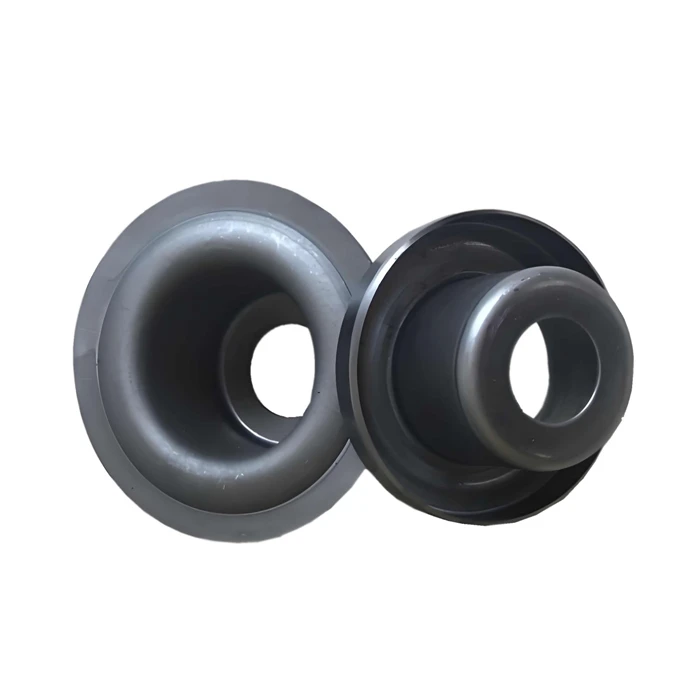 High Cost Effective Conveyor Roller Bearing Seat
The roller bearing seat is an important roller accessory, and its quality deeply affects the performance of the roller.
The main function of the sealing ring of the roller bearing seat is to prevent impurities such as dust and moisture from entering the interior of the tile box, thereby protecting the bearing and lubricating oil and ensuring the smooth operation of the roller. If the sealing ring is damaged or missing, it will cause impurities to enter,thereby affecting the performance and service life of the roller.
-
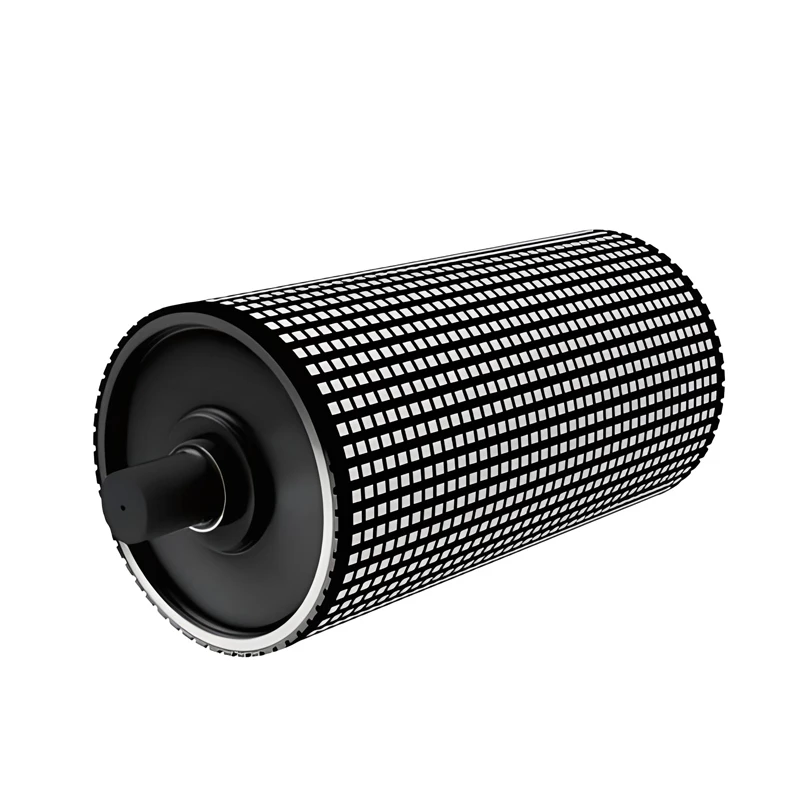 Ceramic Conveyor Drum
Ceramic rubber pulleys belong to material conveying equipment - rollers on belt conveyors.
-
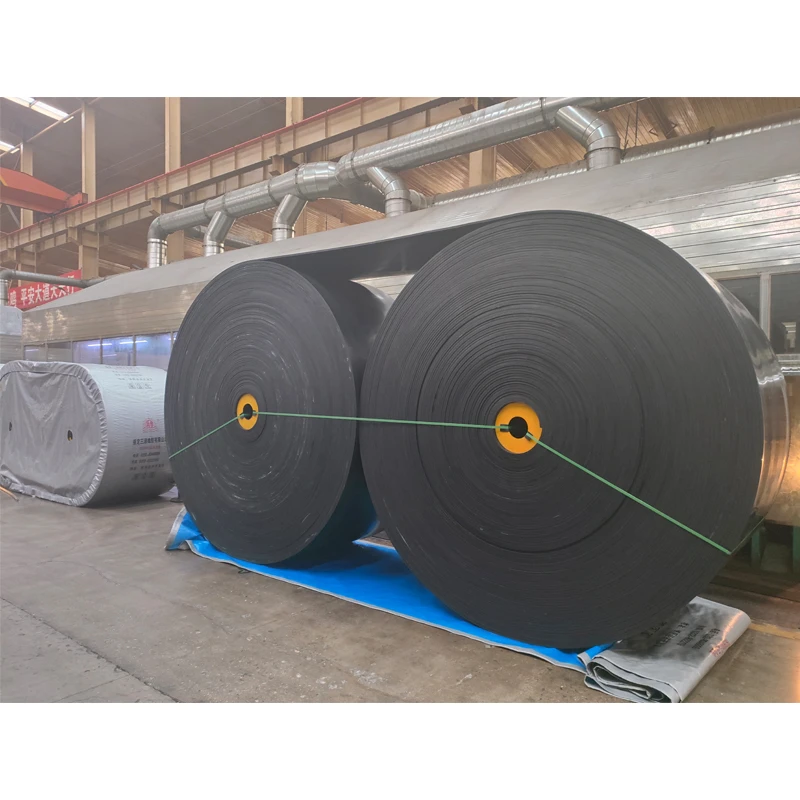 High Wear-Resistant Nylon Conveyor Belt
HENGGUANG conveyor belts have been supplied to a wide range of applications From mine to port, power plants to cement, chemicals, fertilizers and agribusiness, the performance is proven in many different industries.
-
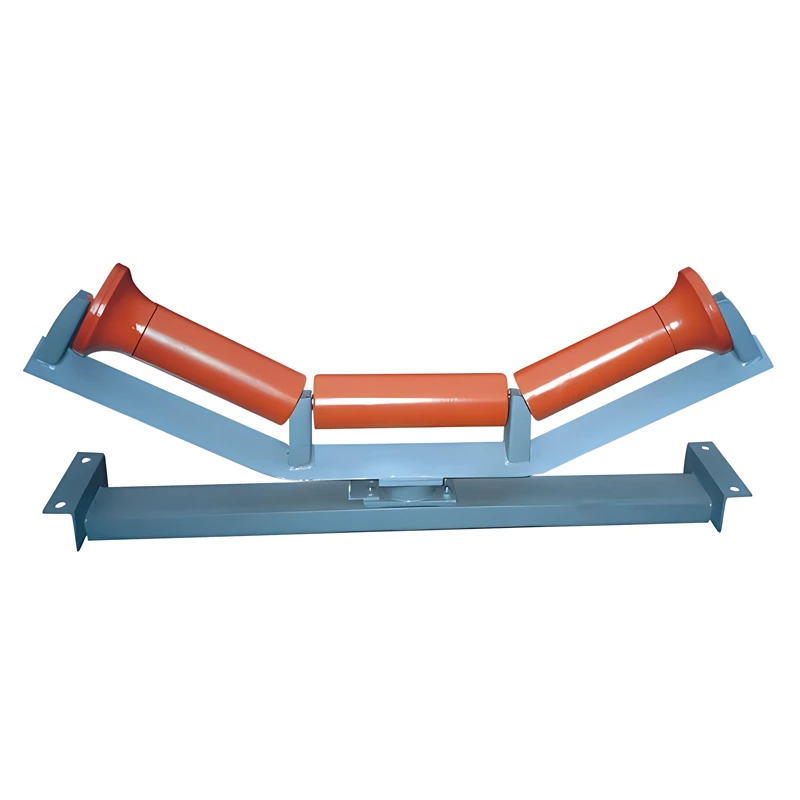 Friction Self-Aligning Bracket For Belt Conveyor
The centering bracket of the conveyor is a key component of the conveyor belt correction system.
-
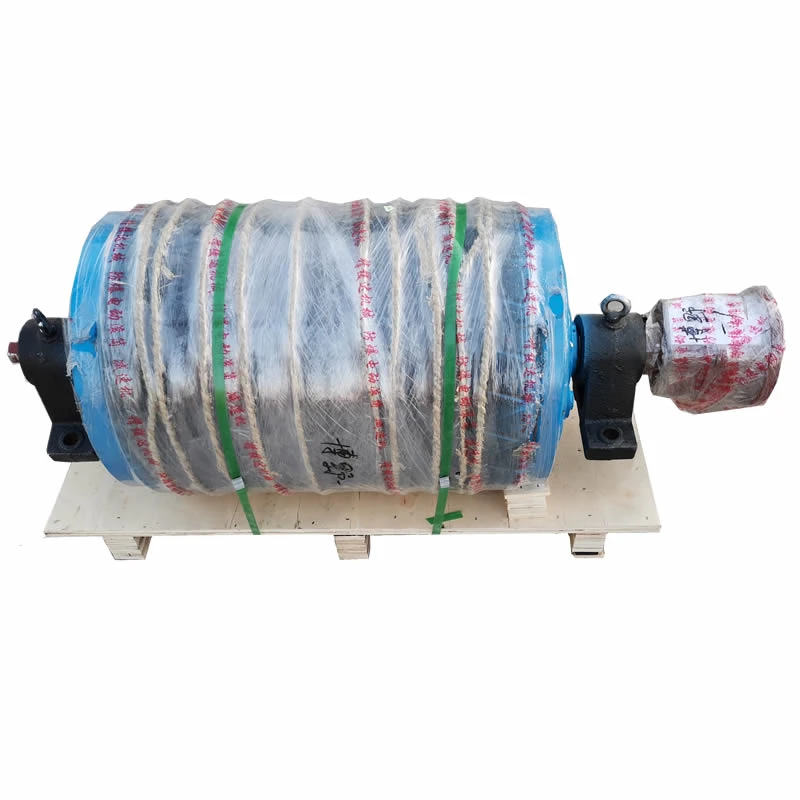 Explosion Proof Conveyor Drum
Explosion proof external electric drum is a drum equipment with explosion-proof function and an external motor part.
-
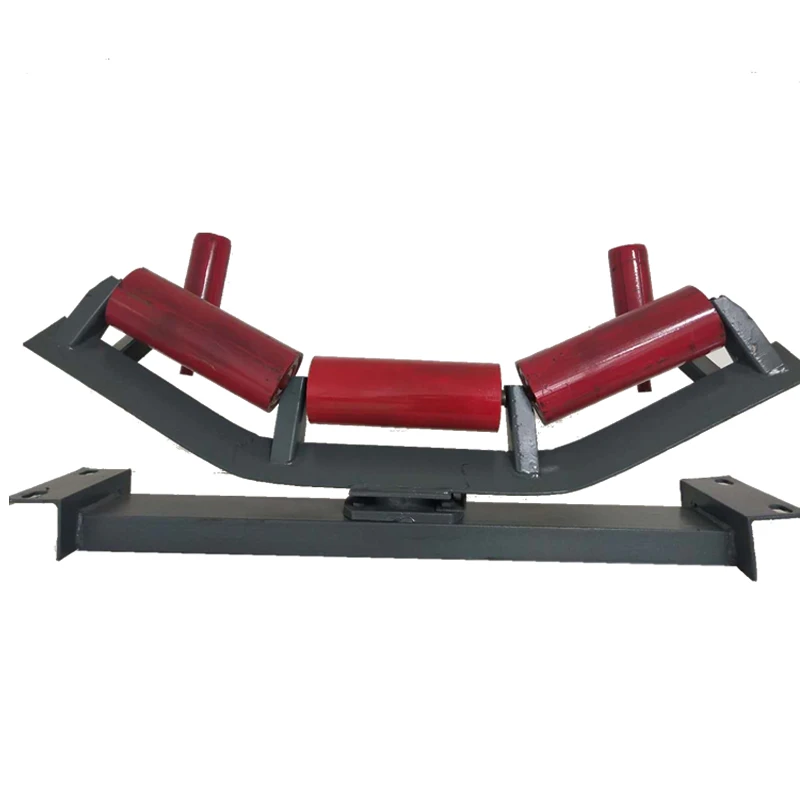 Groove Type Friction Self-aligning Roller
The self-aligning roller is commonly used in fixed belt conveyors to adjust the deviation of the conveyor belt.
-
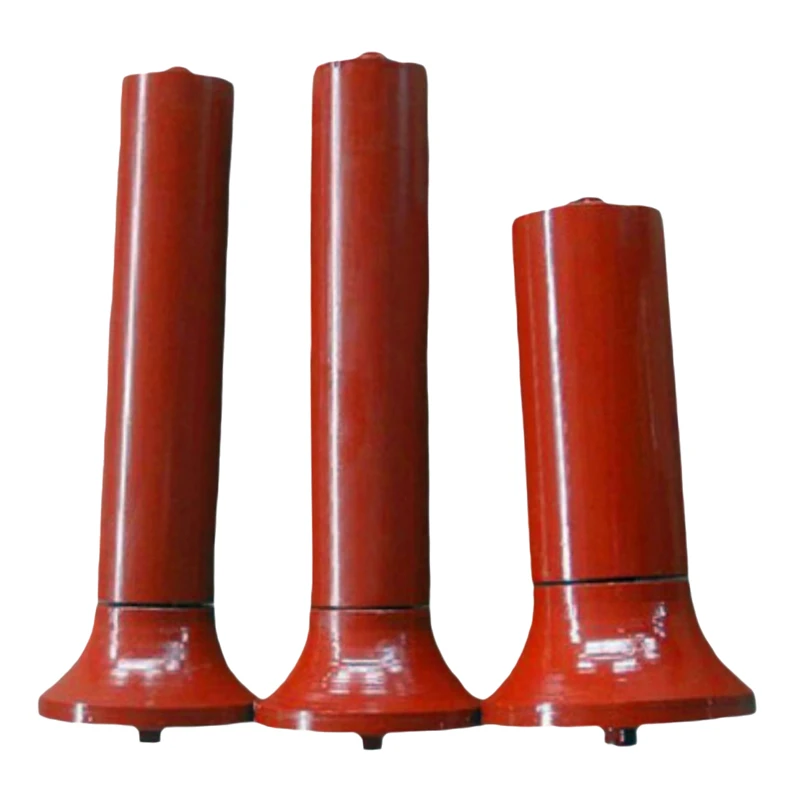 Self Aligning Friction Roller
Friction roller is a mechanical structure composed of a drum, shaft, and bracket, which plays a role in supporting materials, transmitting power, and maintaining stability during the movement of a conveyor belt.
-
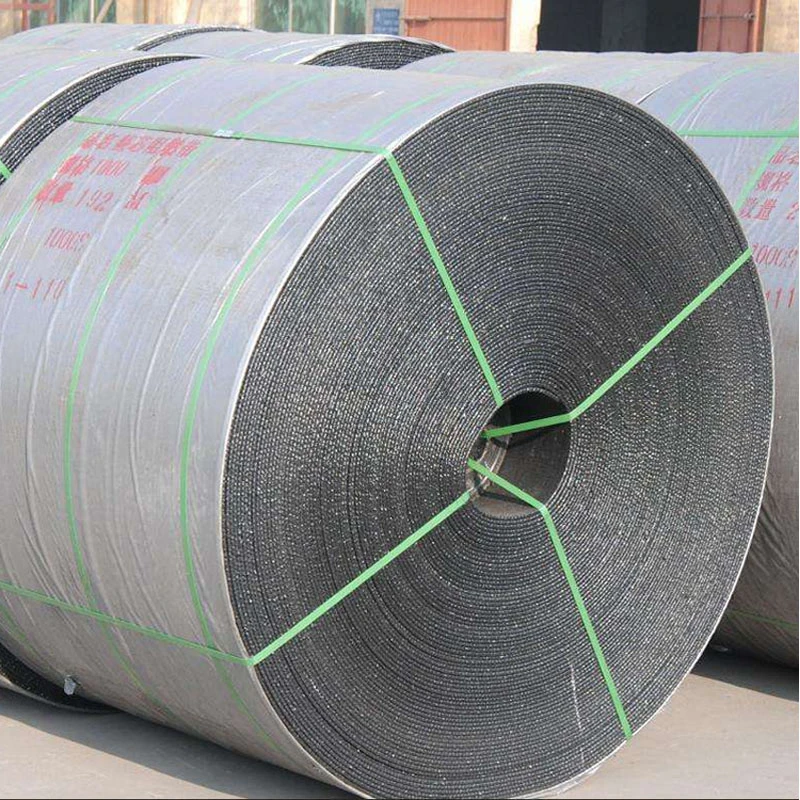 Whole Core Flame-retardant Conveyor Belt
The whole core flame-retardant conveyor belt can be divided into PVC type and PVG type.
-
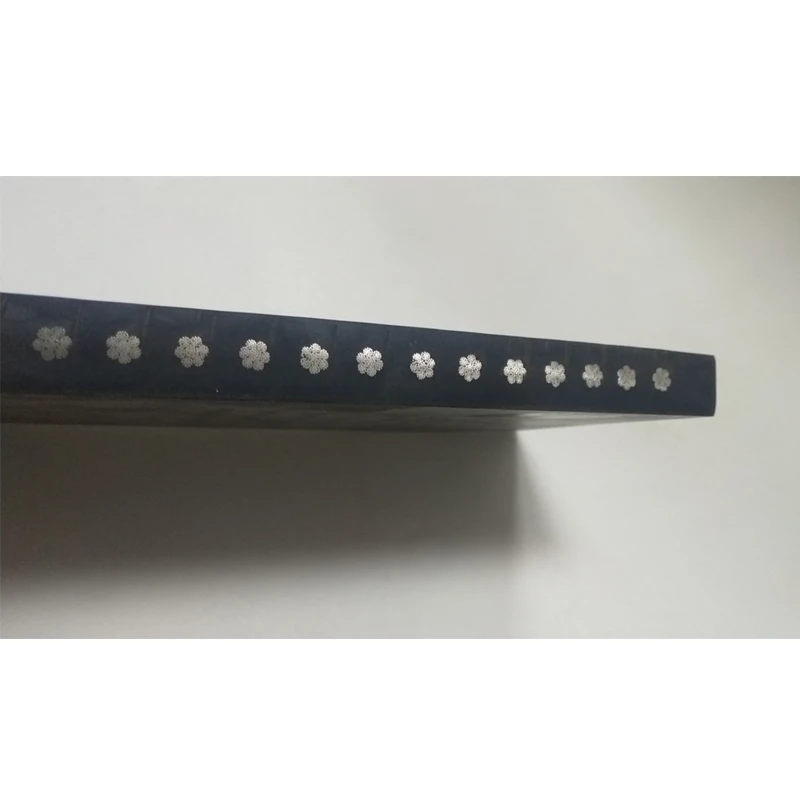 High Strength Steel Wire Rope Conveyor Belt
Steel wire rope conveyor belt is a rubber conveyor belt with steel wire as the skeleton.
-
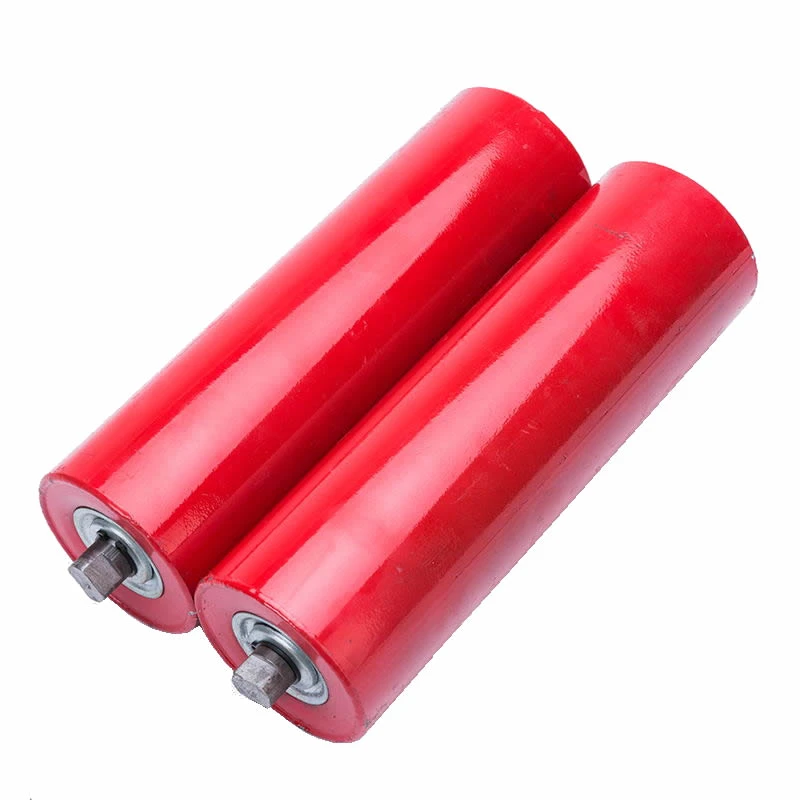 Conveyor With Parallel Return Rollers
Return rollers, also known as parallel rollers, are mainly used in the return section to support the return of an unloaded conveyor belt and ensure its smooth circulation.
-
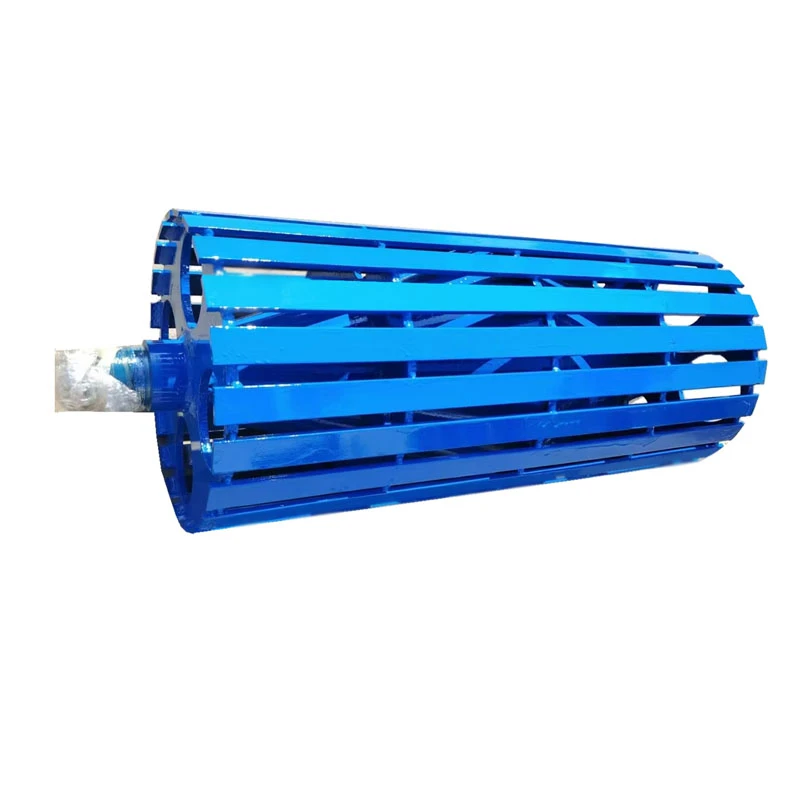 Slag Discharge Conveyor Drum
The slag discharge drum is usually installed at a specific position on the conveyor to promptly remove impurities during the material conveying process.
-
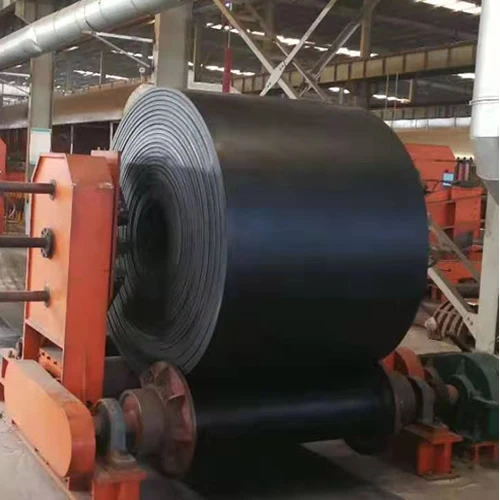 Low Temperature Resistant Conveyor Belt
Cold resistant conveyor belts have the characteristics of high elasticity, impact resistance, and cold resistance, and can be used normally in an environment of minus 40 ℃.
Let's Get in Touch!
Send us a message and let our experts assist you with tailored solutions.


