0%

Table of Contents

You know, conveyor roller manufacturer… it's not exactly the flashiest thing in the world, is it? But honestly, after years on construction sites, in factories, wrestling with materials, you realize it’s absolutely fundamental. It’s the silent workhorse that keeps everything moving. Lately, everyone's talking about smart conveyors, right? IoT integration, predictive maintenance… lots of buzzwords. But to be honest, a lot of it feels overhyped. What really matters is the rollers themselves.

I’ve seen too many projects delayed, too much money wasted because someone skimped on roller quality. Have you noticed how often seemingly minor things cause the biggest headaches? It's always the little guys, isn’t it? The rollers.

It’s funny, people think it’s simple – just a tube and some bearings. But there’s a lot going on beneath the surface. And there are a lot of ways to mess it up.
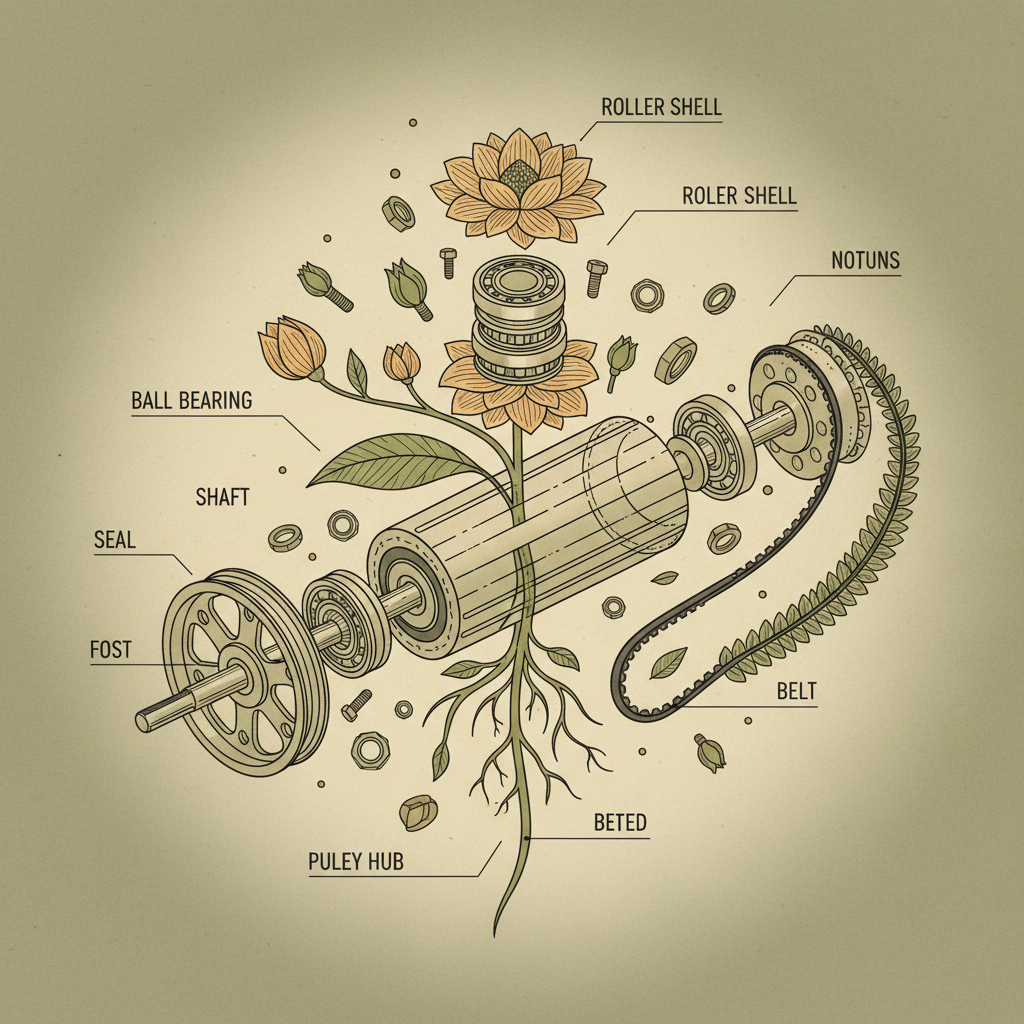
conveyor roller manufacturer

The Unsung Heroes of Material Handling

conveyor roller manufacturer

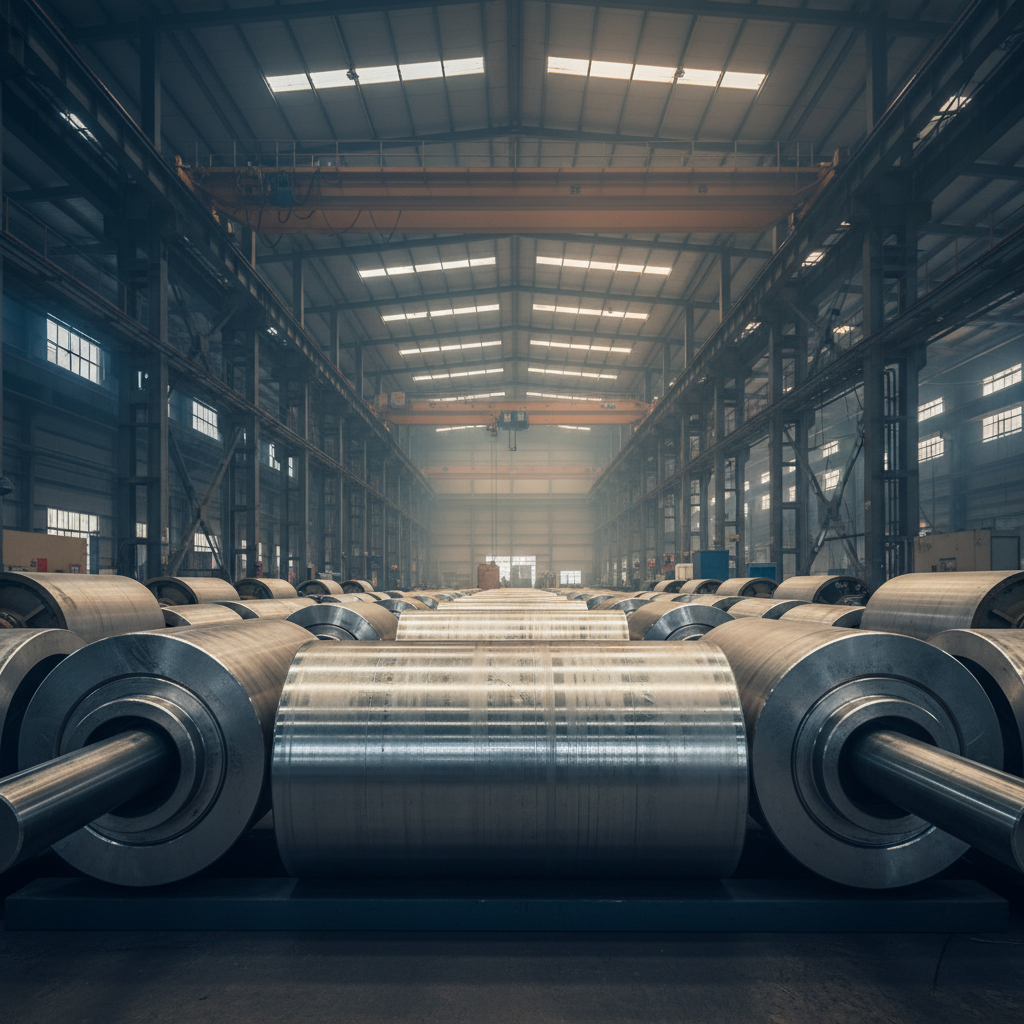
Strangely enough, most folks don’t give conveyor rollers a second thought until they stop working. But they're the backbone of everything. Think about it: mining operations, package delivery, manufacturing lines… everything relies on smoothly rotating cylinders. We’re talking steel, of course, but the grade matters hugely. A cheap steel roller smells… well, cheap. A bit metallic, not clean. The good stuff, the stuff that lasts, has a certain weight to it, a solid feel. And the bearings? Forget those plastic things. You need hardened steel, precision-engineered.

I encountered this at a cement factory in Sichuan last time. They were using these… let’s just say “budget” rollers. Complete disaster. Constantly seizing up, dust getting in, downtime through the roof. They ended up spending three times the original amount on replacements and lost production.

Defining Quality in a Rotating World

What does a good conveyor roller manufacturer actually do? It's more than just slapping some metal together. It’s about understanding load capacity, speed requirements, environmental factors – is it exposed to extreme temperatures, corrosive materials, or heavy impacts? And then selecting the right materials and construction methods to handle those conditions. It's a surprisingly complex engineering challenge.

You see a lot of manufacturers claiming "high precision" or "long life," but what does that mean in practice? That’s where the testing comes in. And I don’t mean a fancy lab test. I mean real-world simulation. I've seen some great tests where they load the rollers to capacity and run them continuously for weeks, monitoring for wear and tear. Anything less is just marketing fluff.

Anyway, I think the biggest misconception is that "one size fits all." Every application is different, and you need a manufacturer who understands that and can tailor the rollers to your specific needs.

Key Factors for Reliable Performance

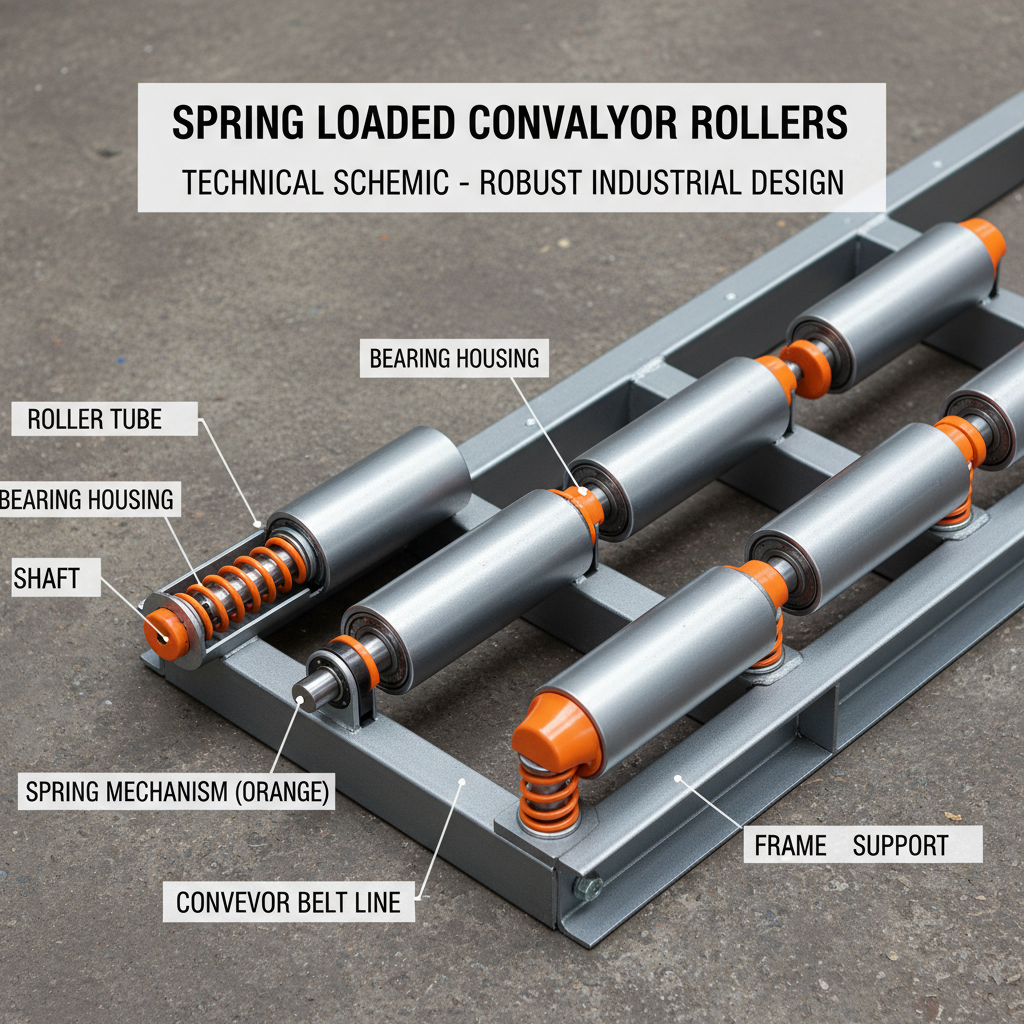
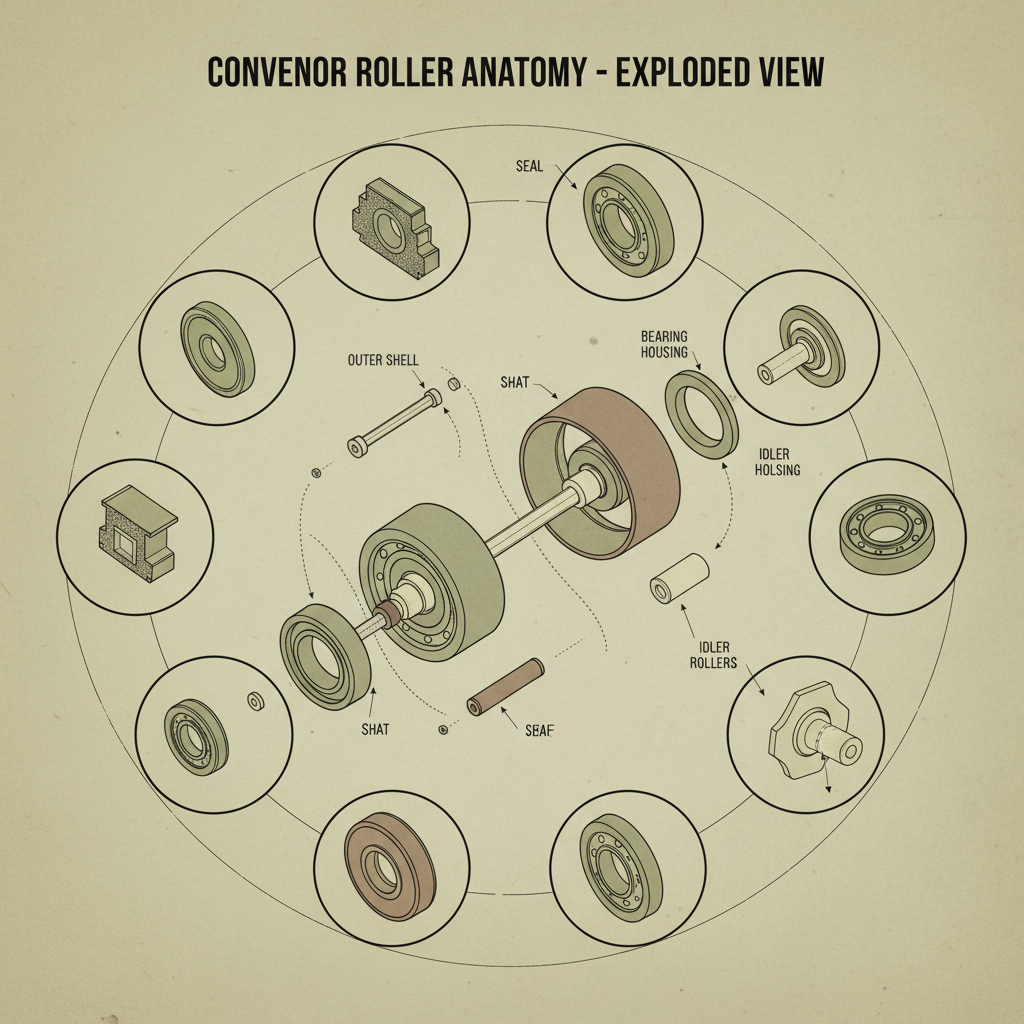
Durability is obviously paramount. But it’s not just about the materials; it’s about the construction. Sealed bearings are essential to keep out dust and debris. Proper shaft alignment is critical to prevent wobble and premature wear. And a robust outer shell is needed to withstand impacts.

Scalability is another big one. Can the manufacturer handle large orders? Can they deliver on time? Can they adapt to changing requirements? I’ve been burned too many times by companies that promise the world but can’t deliver. It's about more than just the product; it's about the entire supply chain.

Cost-efficiency is important, of course, but don’t let price be the sole deciding factor. A cheap roller that fails after a few months is far more expensive in the long run than a higher-quality roller that lasts for years. And, frankly, safety is a huge consideration. A failing roller can cause serious damage and injury.

Real-World Applications: From Mines to Mailrooms

You see these things everywhere. In mining, they’re handling incredibly heavy loads, often in harsh environments. In distribution centers, they’re moving packages at breakneck speed. In airports, they’re carrying luggage. Even in your local post office! The applications are endless.

I saw a particularly interesting setup at a lithium mine in Australia. They were using these massive rollers to transport the ore, and the dust was… incredible. They’d specially designed the seals on the bearings to keep everything running smoothly, even in those extreme conditions.

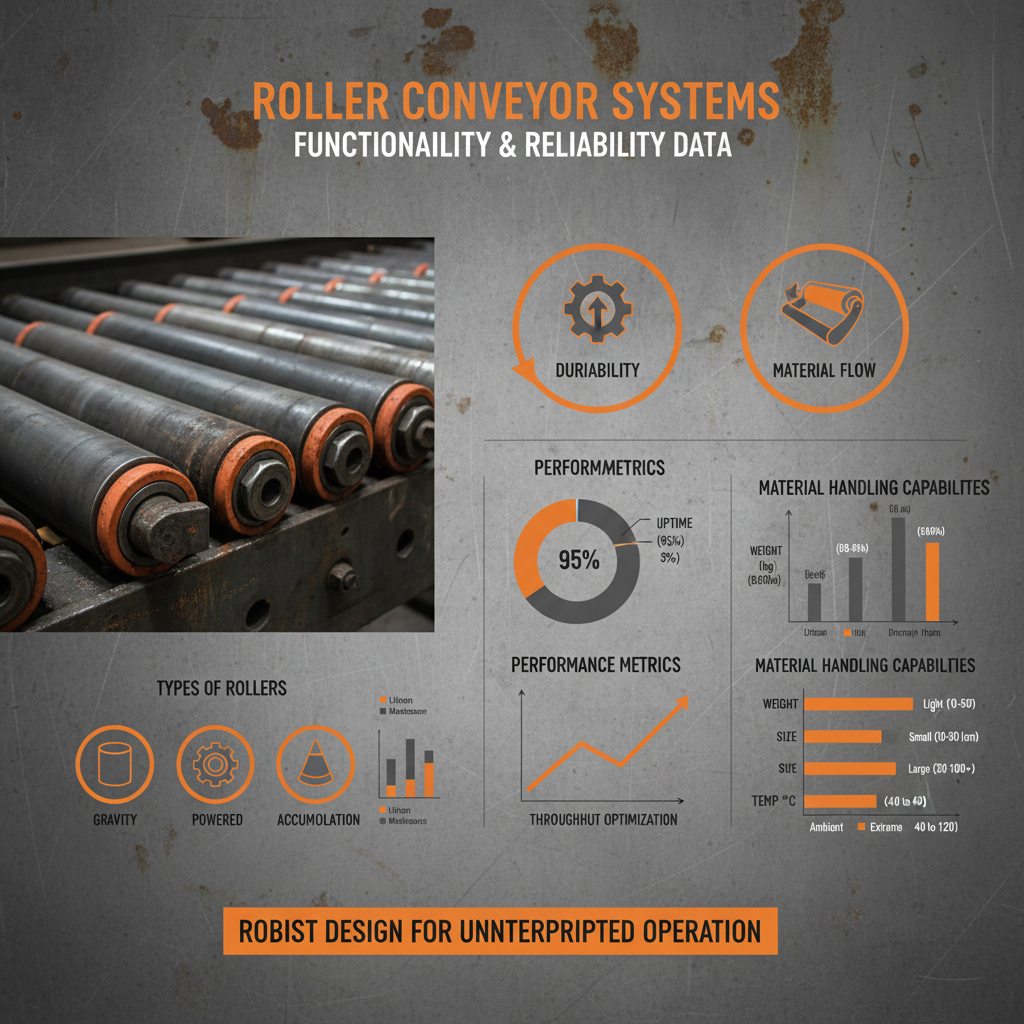
Conveyor Roller Performance Metrics


The Long-Term Value Proposition

The benefits of using high-quality conveyor roller manufacturer are clear: reduced downtime, lower maintenance costs, increased efficiency, and improved safety. But it’s more than just that. It’s about peace of mind. Knowing that your system is reliable and won’t let you down.

I’ve seen firsthand how a failing conveyor system can bring an entire operation to a standstill. It's not just about the cost of replacing the rollers; it's about the lost productivity, the missed deadlines, and the damage to your reputation.

Future Trends and Innovations in Roller Tech

Smart rollers are definitely gaining traction. Sensors embedded in the rollers can monitor speed, load, and temperature, providing valuable data for predictive maintenance. And self-aligning rollers are becoming increasingly popular, especially in applications where the conveyor belt is prone to misalignment.

They are also looking at new materials, like advanced polymers, to reduce weight and improve corrosion resistance. Later... Forget it, I won't mention it, some of the things I've heard are way out there.

Challenges and Practical Solutions

The biggest challenge, in my opinion, is customization. A lot of manufacturers are only willing to sell you off-the-shelf rollers. But every application is unique, and you often need a custom solution to get the best results.

We've started offering a quick-turnaround customization service to address this. We can modify existing rollers or design completely new ones to meet your specific needs. It's a bit more expensive, but it's worth it if it saves you downtime and improves efficiency.

Another challenge is finding qualified technicians who can properly install and maintain these systems. It’s not rocket science, but it does require some specialized knowledge.

Key Performance Indicators for Conveyor Roller Selection

Roller Type Load Capacity (kg) Expected Lifespan (months) Maintenance Frequency
Steel Roller with Sealed Bearings 500 24 Monthly lubrication
Polymer Roller with Stainless Steel Bearings 300 18 Bi-monthly inspection
Impact Roller with Heavy-Duty Bearings 700 36 Quarterly bearing check
Precision Roller with Ceramic Bearings 400 30 Annual maintenance
Self-Aligning Roller with Standard Bearings 450 20 As needed
Coated Steel Roller with Sealed Bearings 550 28 Semi-annual inspection

FAQS

What is the typical lifespan of a high-quality conveyor roller?

A properly maintained, high-quality conveyor roller can easily last 3-5 years, sometimes even longer depending on the application and load. Factors like dust, temperature, and impact all play a role. We've seen rollers operating for over 7 years in relatively clean environments. The key is consistent lubrication and regular inspections for wear and tear. Cheap rollers, on the other hand, might only last a few months before needing replacement, costing you more in the long run.

How do I choose the right roller material for a corrosive environment?

In corrosive environments, stainless steel is generally the best choice. However, even within stainless steel, there are different grades. 316 stainless steel offers superior corrosion resistance compared to 304. You might also consider coating the rollers with a protective layer, like epoxy or polyurethane, to provide an additional barrier against corrosive substances. It really depends on the specific chemicals involved and the level of exposure.

What are the signs that a conveyor roller needs to be replaced?

Look for things like excessive noise, wobble, or difficulty rotating. Check for rust or corrosion, especially around the bearings. Also, inspect for cracks or damage to the outer shell. If you notice any of these signs, it's time to replace the roller before it causes a more serious problem. Don't wait until it completely fails, or you'll risk damaging other components of the conveyor system.

Can conveyor rollers be customized for specific applications?

Absolutely! We offer a wide range of customization options, including different roller diameters, lengths, and materials. We can also modify the bearings, add special coatings, and incorporate sensors for monitoring performance. Last month, a small boss in Shenzhen who makes smart home devices insisted on changing the interface to , and the result was a massive headache with compatibility issues. It just shows you, sometimes sticking with the standard is the best option.

What maintenance is required for conveyor rollers?

Regular lubrication is key to keeping the bearings running smoothly. The frequency of lubrication depends on the application and load. Also, inspect the rollers regularly for wear and tear, and clean them to remove dust and debris. Tighten any loose fasteners and replace any damaged components immediately. A little preventative maintenance can go a long way in extending the life of your rollers.

What is the importance of bearing seals?

Bearing seals are absolutely critical. They prevent dust, dirt, and moisture from entering the bearings, which can cause them to wear out prematurely. Choose rollers with high-quality seals that are designed to withstand the specific conditions of your application. Look for seals made from materials like nitrile rubber or Viton, which offer excellent resistance to various contaminants. Without good seals, your rollers won't last.

Conclusion

So, there you have it. Conveyor roller manufacturer isn't glamorous, but it's fundamentally important. It's about durable materials, precise engineering, and a deep understanding of how things actually work in the real world. It's about choosing the right roller for the job, maintaining it properly, and understanding that a little investment upfront can save you a lot of trouble down the line.

Ultimately, whether this thing works or not, the worker will know the moment he tightens the screw. And that's what really matters. If you're looking for reliable conveyor rollers, don't hesitate to visit our website to see what we can do for you.


Robert Johnson

Robert Johnson

Robert Johnson serves as the Logistics Manager at Hebei Roule Conveyor Machinery, overseeing the efficient and timely delivery of our products globally. With a background in supply chain management, Robert ensures compliance with international standards and manages all aspects of shipping, warehousing, and documentation. He’s been with the company for
Previous conveyor belt manufacturer