0%

Table of Contents

Grooved conveyor rollers are fundamental components in modern material handling systems, playing a vital role in industries ranging from logistics and manufacturing to agriculture and mining. These rollers, characterized by their distinct grooves, offer enhanced grip and control, enabling the efficient and reliable transportation of a wide variety of goods. Their increasing adoption globally highlights their importance in optimizing supply chains and boosting operational efficiency. Understanding the intricacies of grooved conveyor rollers is crucial for professionals seeking to improve material flow and reduce operational costs.

The global demand for grooved conveyor rollers is driven by several factors, including the growth of e-commerce, the increasing complexity of supply chains, and the need for automation in manufacturing processes. According to a report by MarketWatch, the global conveyor systems market is projected to reach $58.7 billion by 2027, with rollers representing a significant portion of this market. This growth necessitates a deeper understanding of the technology and its applications to meet the evolving needs of industries worldwide. Addressing challenges such as wear and tear, maintenance, and optimization of roller performance is paramount for sustained efficiency.

The effective use of grooved conveyor rollers directly impacts productivity, reduces manual labor, and minimizes the risk of damage to transported goods. They contribute to safer working environments and streamlined logistical operations. Furthermore, advancements in materials and manufacturing techniques continue to improve their durability, load capacity, and overall performance, making them an indispensable asset for businesses striving for operational excellence. The ongoing development of smart roller systems integrated with IoT technologies further enhances their capabilities and provides valuable data insights.
Optimizing Material Handling with Advanced Grooved Conveyor Rollers

Introduction to grooved conveyor rollers

Optimizing Material Handling with Advanced Grooved Conveyor Rollers

Grooved conveyor rollers are engineered to provide superior traction and control during material handling, particularly for packages, cartons, and totes. The grooves, precisely machined into the roller surface, interlock with the conveying surface, preventing slippage and ensuring consistent movement. This characteristic is especially critical in inclined or declined conveyor systems, where gravity can easily cause items to slide. grooved conveyor rollers are becoming increasingly important in automated systems.

Their design also contributes to reduced noise levels and smoother operation compared to traditional rollers. This makes them suitable for environments where noise pollution is a concern, such as distribution centers, warehouses, and retail spaces. Furthermore, the improved grip reduces the likelihood of product damage during transportation, contributing to cost savings and enhanced customer satisfaction. The selection of appropriate grooved conveyor rollers is dependent on several factors, including the weight and dimensions of the conveyed items, the conveyor’s incline, and the operating environment.

Defining grooved conveyor rollers

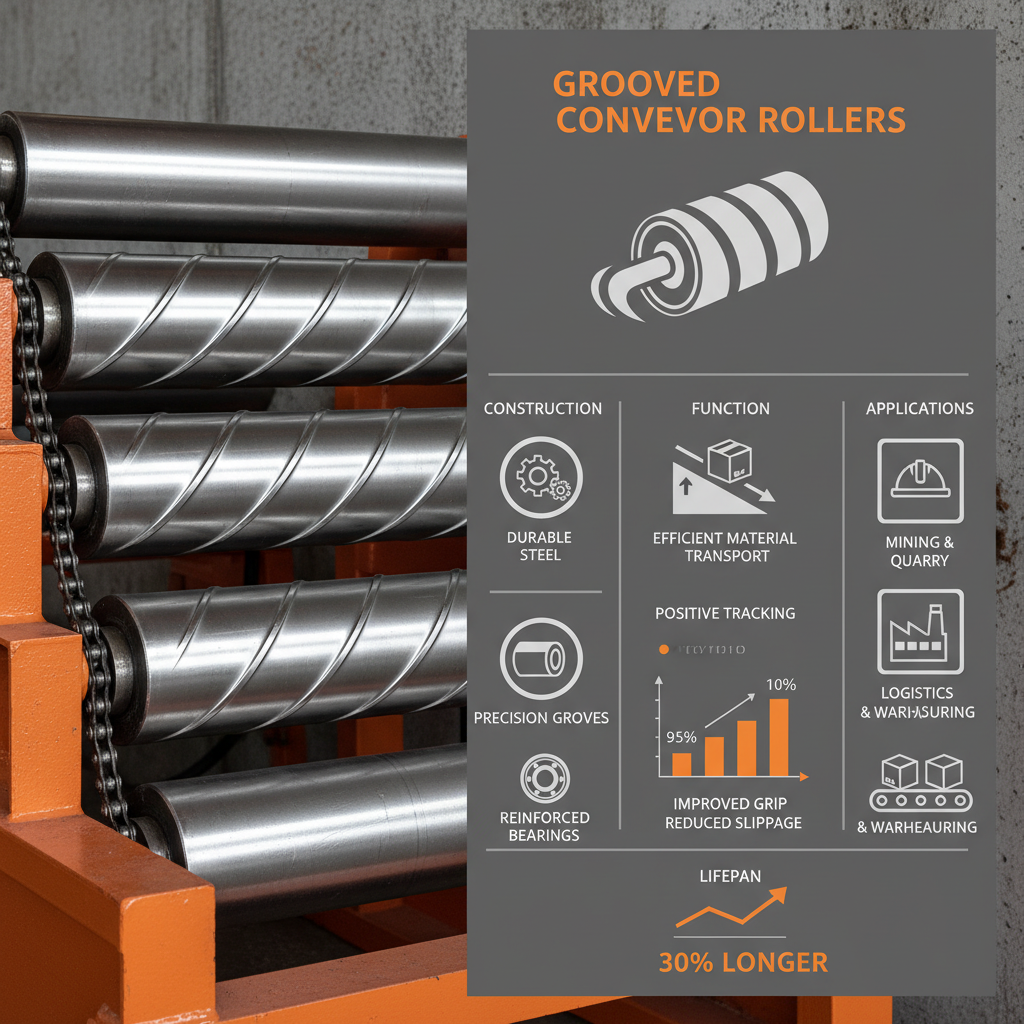
Grooved conveyor rollers are cylindrical rollers featuring precisely cut circumferential grooves on their outer surface. These grooves are typically V-shaped, U-shaped, or knurled, depending on the application. Their primary function is to create a positive drive mechanism between the roller and the conveyed material, preventing slippage and ensuring a consistent and controlled flow. This contrasts with smooth rollers, which rely on friction alone and are more susceptible to slippage, especially with lighter or irregularly shaped items.

The material composition of grooved conveyor rollers varies, with common choices including carbon steel, stainless steel, aluminum, and engineered plastics. The selection of material depends on the load capacity, operating environment (e.g., temperature, humidity, exposure to chemicals), and budget considerations. Stainless steel rollers are preferred in food processing and pharmaceutical industries due to their hygienic properties, while aluminum rollers offer a lightweight and corrosion-resistant solution.

This technology connects to modern industry by streamlining logistical processes, increasing throughput, and reducing the need for manual intervention. In humanitarian contexts, efficient material handling is critical for distributing aid quickly and effectively, and grooved conveyor rollers play a role in organizing and transporting supplies.

Key Characteristics of grooved conveyor rollers

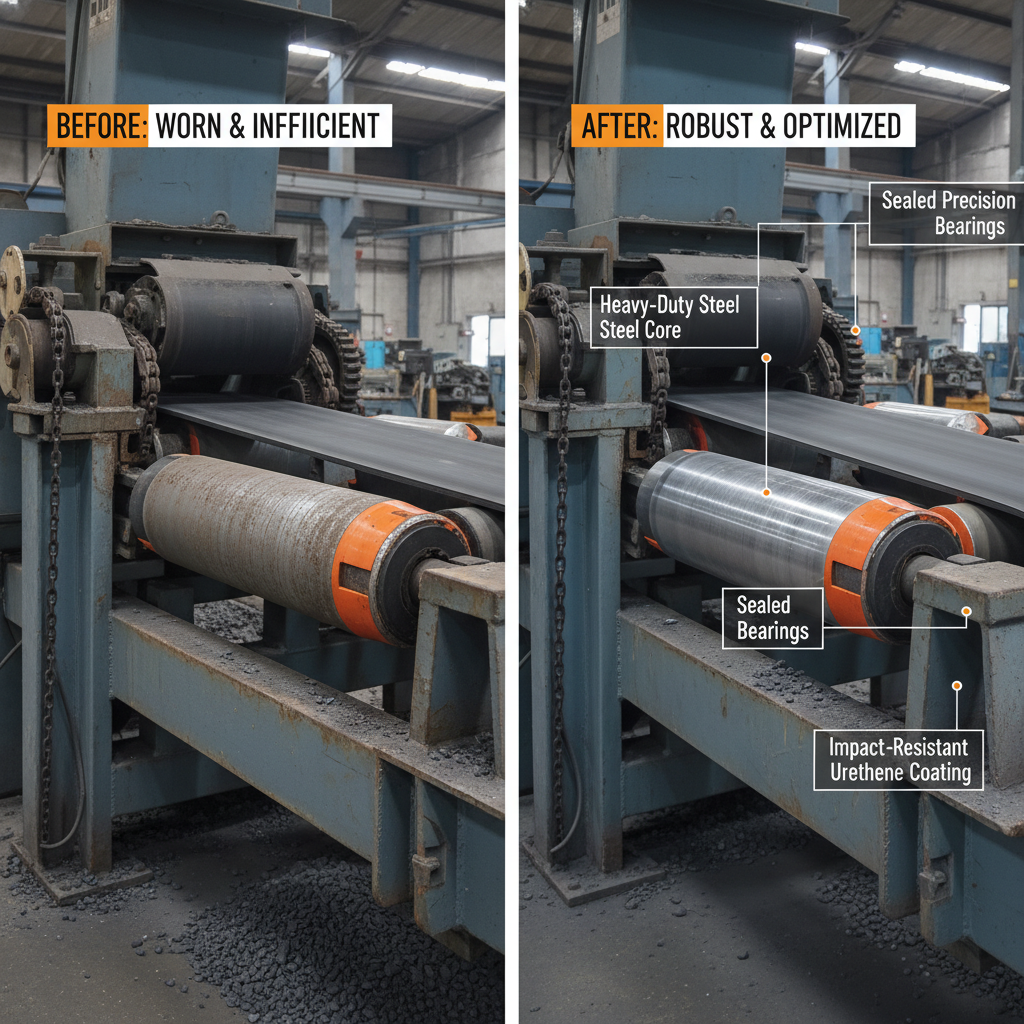
Durability: Grooved conveyor rollers are designed for long-term use in demanding industrial environments. High-quality materials and precise manufacturing techniques ensure resistance to wear, impact, and corrosion. Regular maintenance, such as lubrication and cleaning, further extends their lifespan. Proper selection based on load and environment is critical.

Load Capacity: The load capacity of grooved conveyor rollers varies depending on their diameter, material, and construction. Selecting rollers with an appropriate load capacity is crucial to prevent premature failure and ensure safe operation. Overloading rollers can lead to deformation, cracking, or even complete breakage.

Grip & Traction: The grooves provide a positive engagement with the conveyed material, maximizing traction and minimizing slippage, especially on inclines. The depth and shape of the grooves are optimized based on the type of material being conveyed. grooved conveyor rollers are critical for maintaining consistent material flow.

Performance Metrics of grooved conveyor rollers

Evaluating the performance of grooved conveyor rollers requires consideration of several key metrics. These metrics help determine efficiency, reliability, and cost-effectiveness. Regular monitoring of these parameters allows for proactive maintenance and optimization of the conveying system. Understanding these metrics is crucial for selecting the right rollers for specific applications.

Key performance indicators include roller speed consistency, slip rate, load capacity utilization, and the frequency of maintenance interventions. A lower slip rate indicates better traction and efficiency, while consistent speed ensures predictable material flow. Monitoring these parameters contributes to minimized downtime and maximized throughput.

grooved conveyor rollers Performance Ratings


Global Applications of grooved conveyor rollers

Grooved conveyor rollers are widely used across various industries and applications globally. In the logistics sector, they are integral components of automated sorting systems, distribution centers, and parcel handling facilities. Their ability to efficiently move packages and goods ensures timely delivery and reduced handling costs. In post-disaster relief operations, they can be quickly deployed to establish temporary distribution centers for essential supplies.

Manufacturing plants utilize grooved conveyor rollers in assembly lines, packaging areas, and material transport systems. They facilitate the smooth and reliable movement of components and finished products, increasing production efficiency. In remote industrial zones, where accessibility is limited, they provide a robust and dependable solution for material handling. Furthermore, industries like agriculture leverage them for handling harvested crops and processing materials.

Advantages of Using grooved conveyor rollers

The adoption of grooved conveyor rollers provides numerous advantages over traditional conveying methods. Improved traction and reduced slippage lead to increased efficiency and accuracy in material handling. This minimizes product damage, reduces rework, and lowers overall operational costs. Furthermore, their robust construction and durability translate into reduced maintenance requirements and longer service life.

Their ability to handle inclines and declines effectively expands the possibilities for conveyor system design, optimizing space utilization and material flow. The reduced noise levels contribute to a safer and more comfortable working environment. Investing in grooved conveyor rollers fosters innovation and a commitment to operational excellence.

Future Trends in grooved conveyor rollers

The future of grooved conveyor rollers is marked by innovation in materials, integration with smart technologies, and a growing emphasis on sustainability. The development of self-lubricating rollers and rollers made from recycled materials will further reduce maintenance costs and environmental impact. The integration of sensors and data analytics will enable predictive maintenance, optimizing performance and preventing downtime.

Smart roller systems, connected via IoT, will provide real-time monitoring of roller performance, load distribution, and environmental conditions. This data can be used to optimize conveyor system operation, improve energy efficiency, and enhance overall productivity. Automation and robotics will also play a key role, with grooved conveyor rollers becoming integrated into fully automated material handling solutions.

These advancements align with global trends towards Industry 4.0 and sustainable manufacturing practices. The increasing demand for efficient and reliable material handling solutions will continue to drive innovation in grooved conveyor roller technology.

FAQS

What is the optimal groove profile for handling unstable or irregularly shaped items?

For unstable or irregularly shaped items, a deeper, more aggressive V-shaped groove profile is generally recommended. This provides a greater degree of positive engagement, minimizing the risk of slippage and ensuring stable transport. The groove depth should be carefully selected based on the item’s dimensions and weight distribution to avoid damage.

What materials are most suitable for grooved conveyor rollers in corrosive environments?

In corrosive environments, stainless steel (grades 304 or 316) or engineered plastics like polyurethane are the most suitable materials for grooved conveyor rollers. These materials offer excellent resistance to chemicals, moisture, and other corrosive agents, ensuring long-term durability and reliability. Regular cleaning and maintenance are also essential in these environments.

How often should grooved conveyor rollers be lubricated?

The lubrication frequency of grooved conveyor rollers depends on the operating environment, load, and speed. As a general guideline, rollers should be lubricated every 3-6 months, or more frequently in demanding applications. Using a high-quality lubricant specifically designed for conveyor rollers is crucial for optimal performance and extended lifespan.

What are the signs that a grooved conveyor roller needs replacement?

Signs indicating the need for roller replacement include visible wear or damage to the grooves, excessive noise during operation, inconsistent speed, and frequent slippage. A noticeable reduction in load capacity or evidence of bearing failure are also indicators of imminent failure. Proactive replacement prevents downtime and ensures system reliability.

Can grooved conveyor rollers be used on both powered and non-powered conveyors?

Yes, grooved conveyor rollers can be effectively used on both powered and non-powered (gravity) conveyors. On powered conveyors, the grooves provide a positive drive, enhancing traction and control. On gravity conveyors, they facilitate smooth and consistent movement, especially on inclines or declines, minimizing the risk of slippage and product damage.

What considerations should be made when selecting the diameter of grooved conveyor rollers?

Roller diameter is crucial for efficient operation. Larger diameters generally support heavier loads and exhibit lower rolling resistance. Smaller diameters are suitable for navigating tight curves. Consider the load weight, conveyor length, and the nature of conveyed items when selecting the appropriate diameter. A proper diameter selection minimizes wear and ensures smooth transport.

Conclusion

Grooved conveyor rollers represent a vital component in modern material handling systems, offering enhanced traction, durability, and efficiency. Their widespread application across diverse industries demonstrates their versatility and importance in optimizing logistical operations. The ongoing advancements in materials, design, and integration with smart technologies position them as a key enabler of automation and sustainable manufacturing.

Looking ahead, the continued development of innovative grooved conveyor roller solutions will be critical for meeting the evolving demands of a rapidly changing global landscape. Investing in high-quality rollers and implementing proactive maintenance strategies will ensure long-term reliability and cost savings. For superior grooved conveyor roller solutions tailored to your specific needs, visit our website at www.hgconveyorbelt.com.

Robert Johnson

Robert Johnson

Robert Johnson serves as the Logistics Manager at Hebei Roule Conveyor Machinery, overseeing the efficient and timely delivery of our products globally. With a background in supply chain management, Robert ensures compliance with international standards and manages all aspects of shipping, warehousing, and documentation. He’s been with the company for
Previous Optimizing Material Handling with Durable Rubber Coated Conveyor Rollers
Next Revolutionizing Material Handling with Motorised Conveyor Rollers Systems