- Tel: +8615128135888
- Email: hg@chinaconveyerbelt.com

Wear Resistant and Corrosion-Resistant Nylon Roller


Nylon idlers have many advantages, including high wear resistance, self lubrication, corrosion resistance, aging resistance, excellent mechanical properties, low noise and long life. These advantages have made nylon rollers widely used in various industrial fields.
Product Characteristics
High wear resistance and low friction coefficient: Nylon rollers can effectively reduce belt wear and extend equipment service life.
Self lubrication: No need for additional oil injection, can maintain smooth operation in harsh environments, and is not easily stuck.
Corrosion resistance: resistant to corrosion from weak acids, weak bases, and organic solvents, suitable for various harsh working environments.
Aging resistance: the material has strong aging resistance and long-term stability.
Excellent mechanical performance: lightweight, easy to install, no need for frequent maintenance.
Low noise and long lifespan: Smooth operation, low noise (3-7dB), long lifespan (3-5 times that of metal rollers).
Strong ability to withstand impact and vibration: suitable for high load working environments.
Widely applicable temperature range: from -40 ℃ to 80 ℃, suitable for various environmental conditions.
Application Area
Nylon rollers are widely used in the following fields:
Mines, ports, and docks: Provide transmission support on the conveyor line to ensure efficient and stable transportation of materials.
Textile factories and cement production lines: As rolling system components of related equipment, they improve production efficiency and equipment stability.
In the industrial fields of electricity, steel, petrochemicals, etc., it is applied on various production lines and transmission equipment to meet the high-intensity and high load work requirements.
These advantages and application areas have made nylon rollers widely recognized and used in the industry.
Working Principle of Nylon Roller in Conveyor Systems
Unlike traditional rigid conveyor components that rely solely on mechanical rotation, the nylon roller operates based on high-performance polymer physical properties and optimized mechanical coordination. Its core working logic focuses on low-friction transmission and stable load buffering to support continuous belt operation. The nylon material’s natural self-lubricating molecular structure minimizes surface friction during belt contact, ensuring flexible rotation without external lubrication support. When the conveyor runs with bulk materials, the roller evenly bears vertical pressure and horizontal friction from the belt.Unlike traditional rigid conveyor components that rely solely on mechanical rotation, the nylon roller operates based on high-performance polymer physical properties and optimized internal mechanical coordination. Its core working logic centers on low-friction transmission and stable load buffering, providing steady continuous support for running conveyor belts in diverse industrial environments. Different from Polymer Roller and Stainless steel roller The unique molecular structure of nylon material delivers built-in self-lubricating performance, effectively minimizing surface friction during long-term belt contact and enabling flexible roller rotation without relying on external lubrication or regular oil maintenance. When the conveyor transports bulk materials of different weights, the nylon roller evenly bears vertical pressure and horizontal sliding friction from the belt, achieving balanced force distribution across the roller surface.
Thanks to excellent vibration and impact resistance, the nylon idler buffers instantaneous impact generated by falling materials, avoiding rigid collision that easily causes component wear and belt damage. The integrated structural coordination between the roller body, shaft and sealed bearings maintains stable rotational performance throughout long-term operation. Even under fluctuating temperatures ranging from -40℃ to 80℃, the nylon material retains stable hardness and friction performance, preventing rotation stagnation or structural deformation. This passive and stable operating principle enables consistent, low-consumption operation for general industrial conveyor lines.Thanks to excellent vibration resistance and impact buffering capacity, the nylon roller effectively offsets instantaneous impact force generated by falling and rolling bulk materials, avoiding rigid collisions that easily cause component wear, belt scratch and equipment. The tightly matched combination of nylon roller body, precision shaft and sealed bearing assembly ensures stable and flexible rotational performance during long-term continuous operation. Adaptable to complex ambient conditions, it maintains stable structural hardness and consistent friction performance within the wide temperature range of -40℃ to 80℃, preventing rotation stagnation, softening or structural deformation. This reliable passive working principle eliminates redundant mechanical consumption, realizing low-energy, stable and long-lasting operation for various industrial conveyor systems.
Nylon Roller vs Metal Roller: Core Performance Differences
Most standard conveyor roller adopt metal rollers as basic supporting parts, yet the nylon roller presents more targeted advantages for harsh industrial working conditions. Metal rollers are prone to oxidation and rust when exposed to humid, acidic or alkaline environments, which increases surface friction, blocks rotation and gradually scratches the conveyor belt. In contrast, nylon polymer material features inherent corrosion resistance against weak acid, weak alkali and organic solvents, maintaining smooth surface finish for a long time without rusting or deterioration.Most conventional conveyor systems adopt metal rollers as standard supporting components, yet the nylon roller delivers more targeted and reliable performance for harsh and complex industrial working conditions. Exposed to humid air, dust pollution and chemical environments, traditional metal rollers are highly prone to oxidation, rust and surface corrosion, which increases rotational resistance, blocks flexible operation and gradually scratches and wears the expensive conveyor belt. In sharp contrast, high-quality nylon polymer materials possess inherent resistance to weak acid, weak alkali and organic solvent corrosion, retaining a smooth and intact surface structure for a long time without rusting, aging or performance degradation.
In terms of operating experience and service cycle, the nylon roller greatly reduces operating noise down to 3-7dB by absorbing vibration, creating a quieter workshop environment. Its service life reaches 3 to 5 times that of ordinary metal rollers, effectively lowering frequent replacement frequency. Additionally, the lightweight design of nylon rollers simplifies manual handling and installation compared with heavy metal products. While metal rollers suit ultra-heavy fixed load scenarios, nylon rollers deliver higher cost-performance and stability for most mining, port, chemical and power plant conveyor applications.In terms of operational experience and long-term service benefits, the nylon roller absorbs running vibration effectively, reducing operating noise to only 3-7dB for a quieter and safer workshop environment. Its service lifespan is 3 to 5 times longer than ordinary metal rollers, greatly cutting frequent component replacement costs and equipment downtime. Meanwhile, its lightweight structural design lowers manual handling and installation difficulty, improving on-site construction efficiency. Though metal rollers still suit individual ultra-heavy load working scenarios, nylon rollers stand out in cost performance, stability and environmental adaptability, perfectly matching the operational demands of mining, port, chemical and power plant conveyor systems.
Daily Inspection and Low-Maintenance Guidelines for Nylon Roller
One of the most prominent advantages of the nylon roller is its low-maintenance design, which greatly reduces daily operational costs for conveyor systems. Different from metal rollers that require regular oil injection and rust prevention treatment, the nylon roller relies on material self-lubrication, requiring no additional lubrication during the whole service life. Excessive manual oiling will instead adsorb dust and debris, causing rotation blockage and affecting operating efficiency.One of the most competitive advantages of the nylon roller is its low-maintenance structural design, which greatly reduces daily operation and maintenance costs for industrial conveyor systems. Different from metal rollers that require regular oil injection, rust removal and anti-corrosion maintenance, the nylon roller relies entirely on its material self-lubricating properties for lifelong smooth operation, with no need for additional lubrication treatment. Excessive manual oiling will only adsorb onsite dust, debris and impurities, leading to bearing blockage, inflexible rotation and reduced overall operating efficiency, which is unnecessary for nylon roller maintenance.
Daily maintenance mainly focuses on simple visual and operational inspection. Operators only need to check whether the nylon roller rotates flexibly during equipment operation, and observe for abnormal noise, jamming or obvious surface scratches. For sites with heavy dust and chemical splashes, regular surface cleaning can avoid long-term residue accumulation affecting rotation smoothness. Thanks to outstanding aging resistance and structural stability, the nylon roller maintains stable performance in long-term continuous operation. Timely replacement of severely worn rollers can effectively protect the conveyor belt and ensure long-term stable and efficient operation of the entire conveying system.
Superior Wear Resistance and Corrosion Resistance of Nylon Roller
Wear degradation and chemical corrosion are the most dominant factors leading to shortened service life and frequent downtime for standard conveyor idlers in heavy-duty industrial environments, making material durability a core indicator of conveyor system reliability. Engineered specifically for harsh on-site conditions, the high-performance nylon roller, different from the traditional one delivers exceptional wear resistance that greatly outperforms traditional metal and ordinary plastic conveyor rollers. Adopting premium industrial-grade nylon material with an ultra-low friction coefficient, this nylon roller minimizes continuous friction loss during long-term contact with moving conveyor belts and falling bulk materials. It effectively prevents surface abrasion, belt scratching and gradual component thinning, maintaining smooth and stable rotating performance even after thousands of hours of continuous operation. This superior wear-resistant property significantly protects conveyor belt surfaces, reduces belt replacement frequency, and improves the overall durability of the entire conveying system.
In addition to outstanding anti-wear capability, the nylon roller features excellent comprehensive corrosion resistance that solves the common rust and deterioration problems of metal rollers in humid and chemically active working scenarios. The special polymer material structure is inert to weak acids, weak alkalis and various organic solvents widely present in mines, ports, cement plants and petrochemical workshops. It will not oxidize, rust, peel or deform under long-term chemical erosion and humid exposure. Matched with inherent anti-aging performance, the nylon roller retains complete surface integrity and stable mechanical toughness throughout diverse harsh environments. It avoids frequent component failure caused by corrosion and wear, lowers daily maintenance and replacement costs, and supports long-term stable, low-loss and high-efficiency operation for all types of belt conveyor systems.
Long-Term Cost-Saving Benefits of Adopting Nylon Roller
For industrial production and material handling enterprises, conveyor operating cost the comprehensive operating costs of conveyor systems mainly come from frequent component replacement, tedious daily maintenance, serious belt loss and unexpected equipment downtime losses. Adopting the high-performance nylon roller effectively reduces comprehensive operational expenses throughout the entire equipment lifecycle. Compared with traditional metal rollers that are prone to rust and require frequent replacement and as well as regular lubrication and anti-rust maintenance, the nylon roller features excellent self-lubricating properties and ultra-long service life, reaching 3 to 5 times the durability of traditional ordinary metal idlers. This core advantage drastically cuts the frequency of spare part procurement and on-site field replacement work, saving substantial material and costs and manual labor costs for factory operation and maintenance teams.
In addition, the low-friction surface of the nylon roller minimizes conveyor belt abrasion, extending the service life of expensive belt components and reducing shutdown losses caused by belt damage and replacement. Its lightweight structure lowers equipment load and energy consumption during conveyor operation, while low-noise performance improves workshop working conditions without additional environmental improvement investment. Requiring no daily oiling, anti-rust treatment or frequent inspections, the nylon roller realizes low-cost, zero-maintenance and high-efficiency long-term operation, bringing stable and considerable economic benefits for various industrial conveyor system projects.
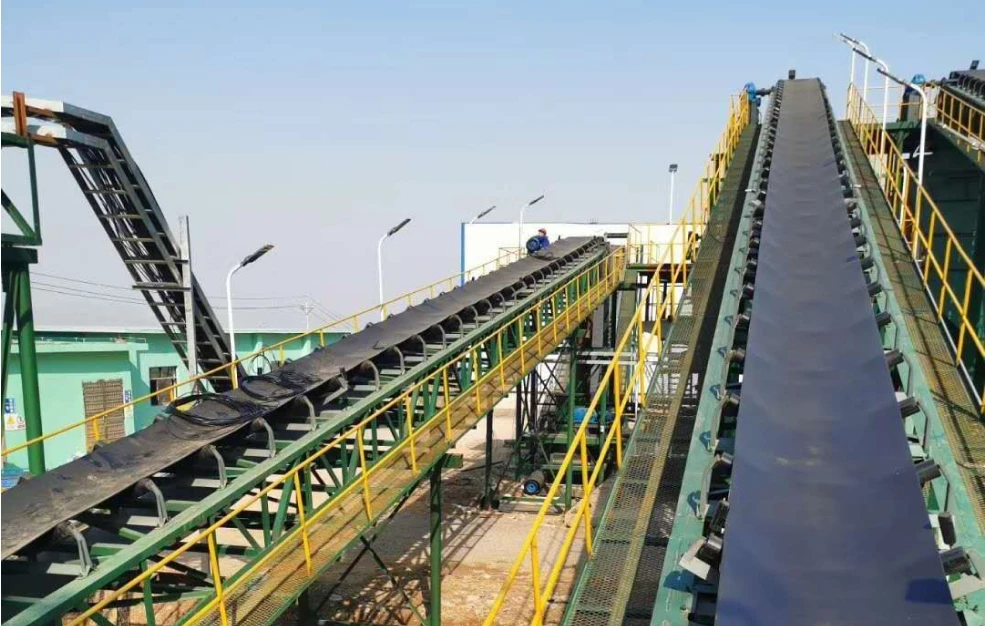
Ultra-Low Friction Polymer Rollers for Energy Savings
Ultra-Low Friction Polymer Rollers for Energy SavingsOur Wear Resistant Ultra-high Polymer Rollers feature self-lubricating properties that reduce friction and minimize belt resistance. This results in lower energy consumption, quieter operation, and extended belt life, making them the ideal choice for high-efficiency conveyor systems.
-
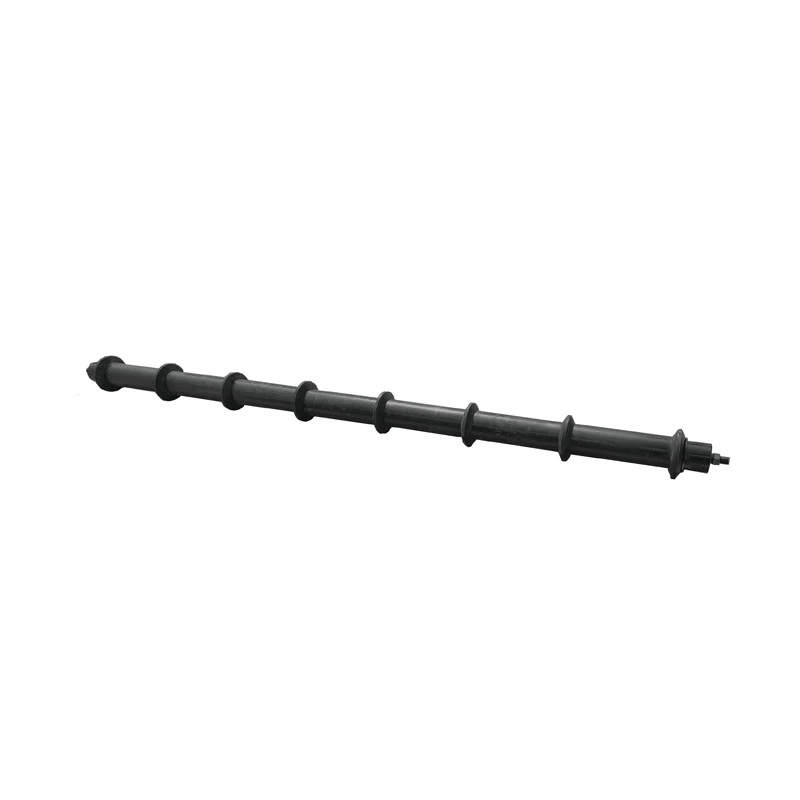 Return Comb Shaped Roller
Comb type idler, also known as comb type cleaning idler, is used in belt conveyors for transporting viscous materials. Elastic exclusion type annular rubber rings are placed on the surface of the roller body at intervals, and ABS plastic isolation rings are arranged in sections. To eliminate the sticky substances on the carrying surface of the conveyor belt.
-
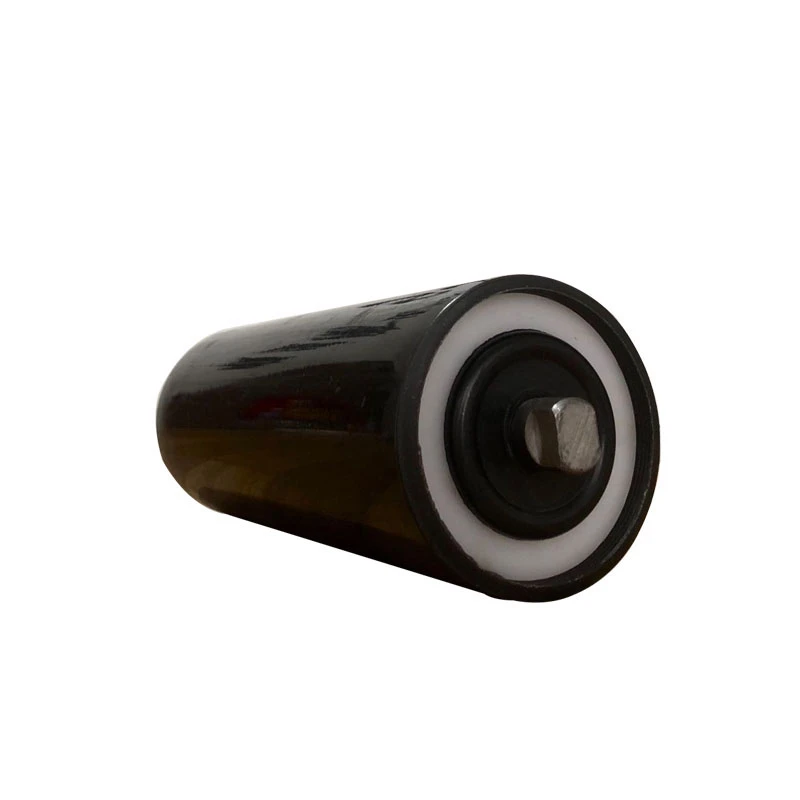 Wear Resistant Ultra-High Polymer Roller
Polymer rollers, also known as ultra-high molecular weight polyethylene rollers, are produced independently by our factory. Our polymer rollers have superior performance in wear resistance, corrosion resistance, and adhesion resistance.
-
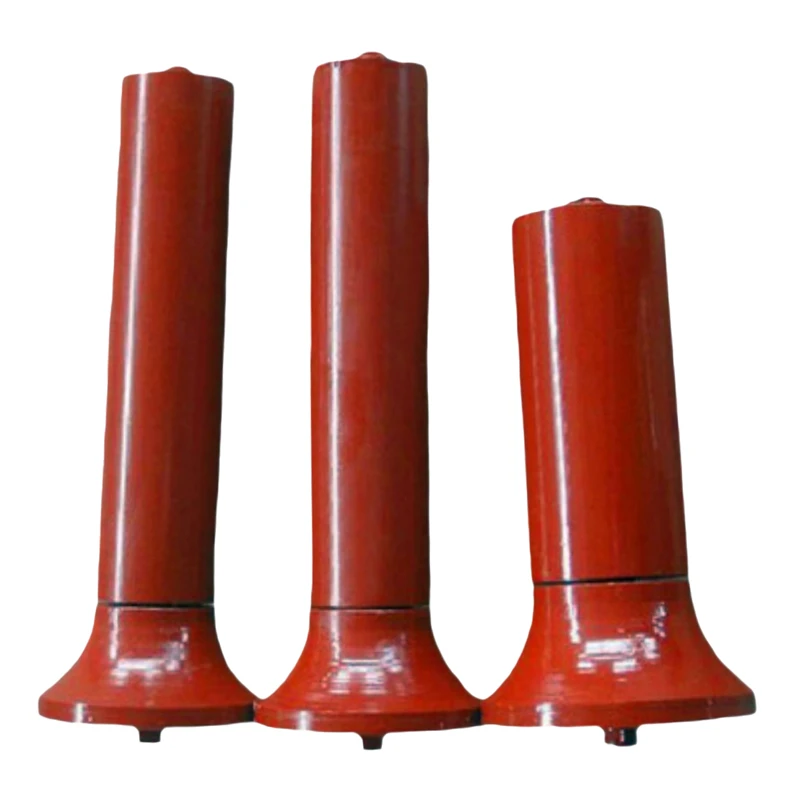 Self Aligning Friction Roller
Friction roller is a mechanical structure composed of a drum, shaft, and bracket, which plays a role in supporting materials, transmitting power, and maintaining stability during the movement of a conveyor belt.
-
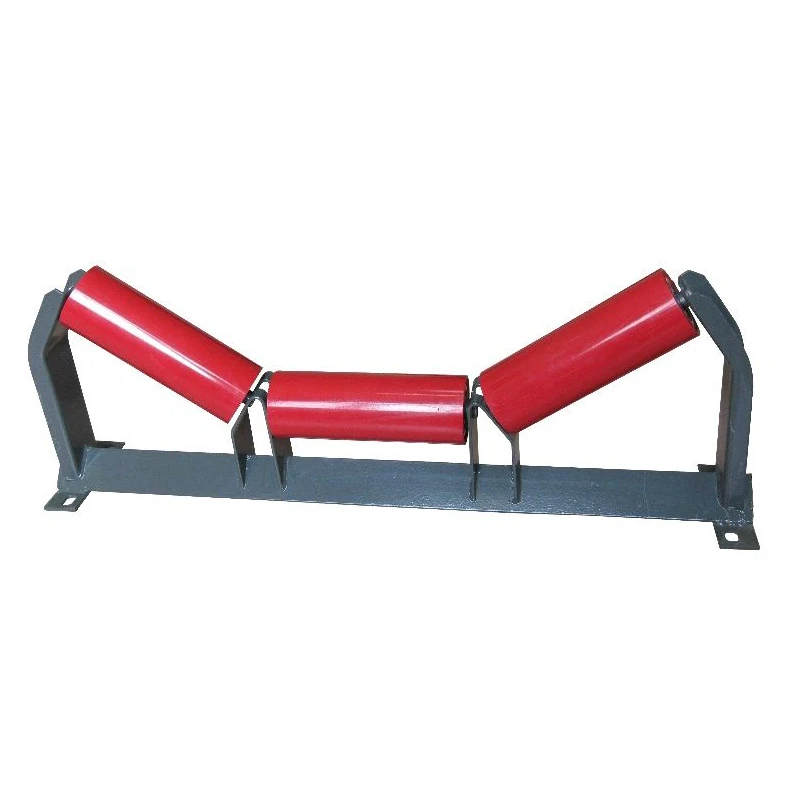 Conveyor Rollers And Belt Conveyor Rollers
Roller is an important component of a belt conveyor, used to support the weight of the conveyor belt and materials. The roller is mainly composed of a pipe body, a shaft, bearings, and a sealing device.
-
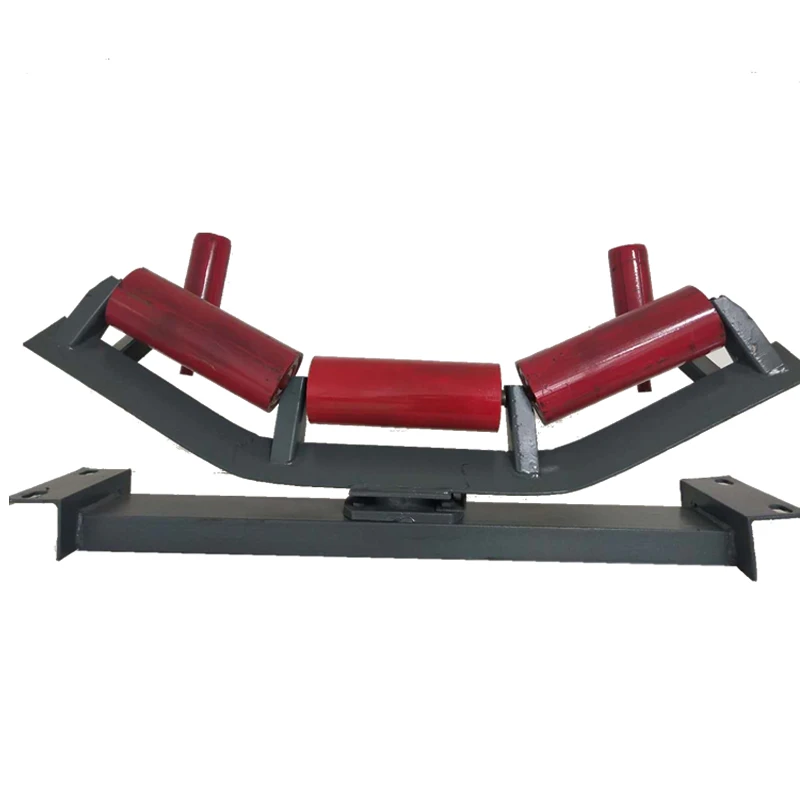 Groove Type Friction Self-aligning Roller
The self-aligning roller is commonly used in fixed belt conveyors to adjust the deviation of the conveyor belt.
-
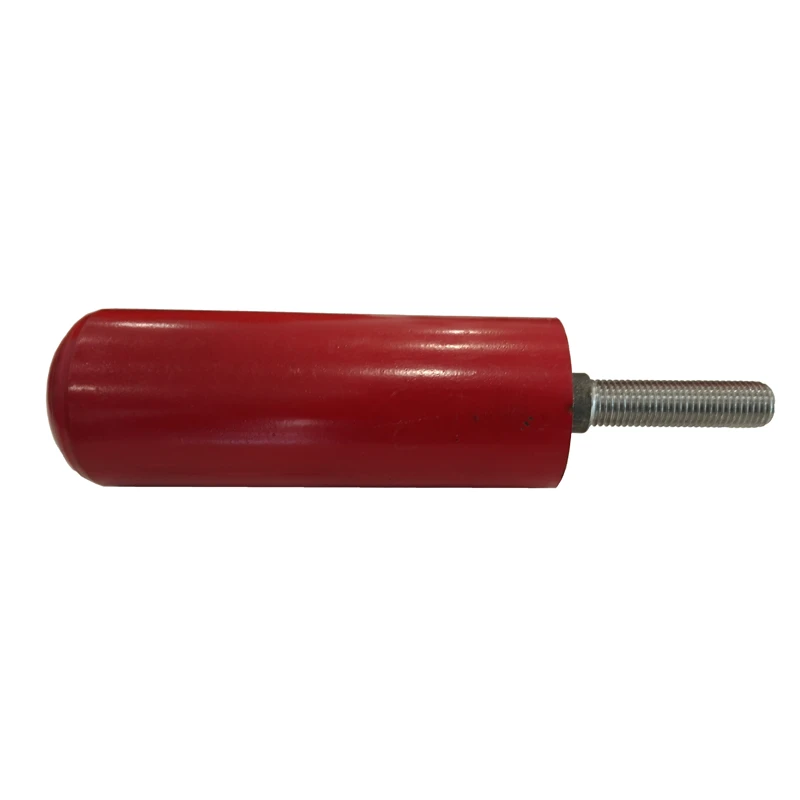 Belt Conveyor Barrier Roller
Belt conveyor stop roller, also known as vertical roller, is a device mainly connected to the centering bracket and is usually installed on both sides of the belt conveyor.
-
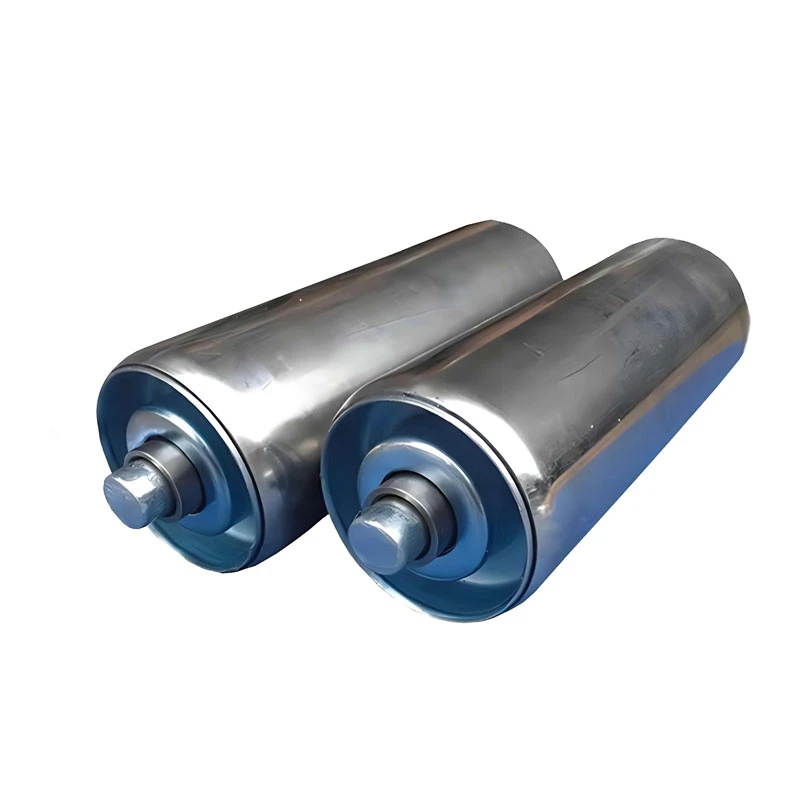 Stainless Steel Conveyor Roller
Stainless steel conveyor rollers made of stainless steel are important components in conveyor lines. There are many types of stainless steel conveyor rollers, so different stainless steel conveyor rollers can be customized according to the needs of different industries.
-
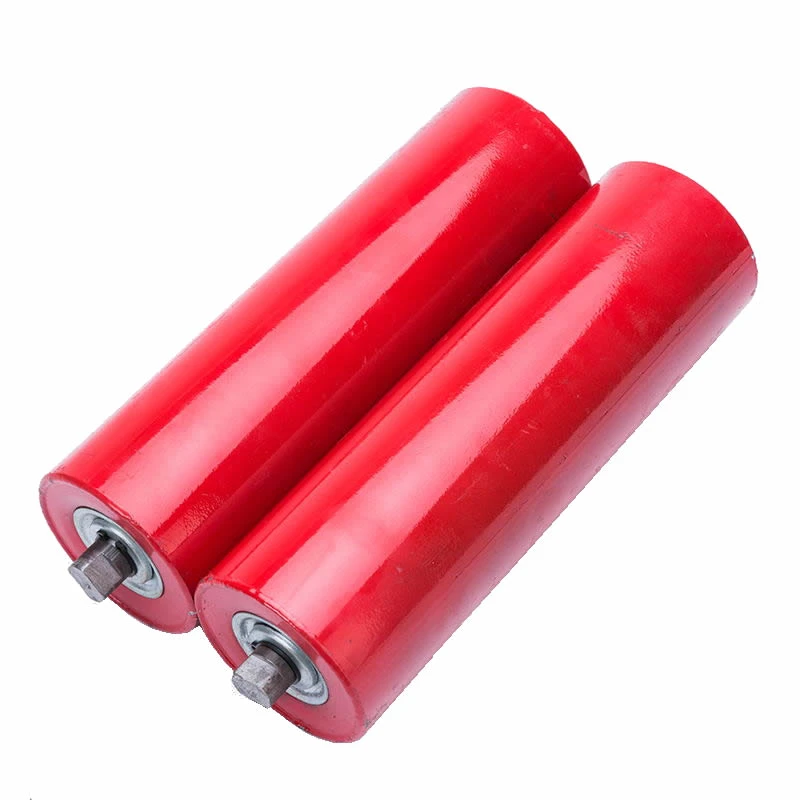 Conveyor With Parallel Return Rollers
Return rollers, also known as parallel rollers, are mainly used in the return section to support the return of an unloaded conveyor belt and ensure its smooth circulation.
Let's Get in Touch!
Send us a message and let our experts assist you with tailored solutions.


