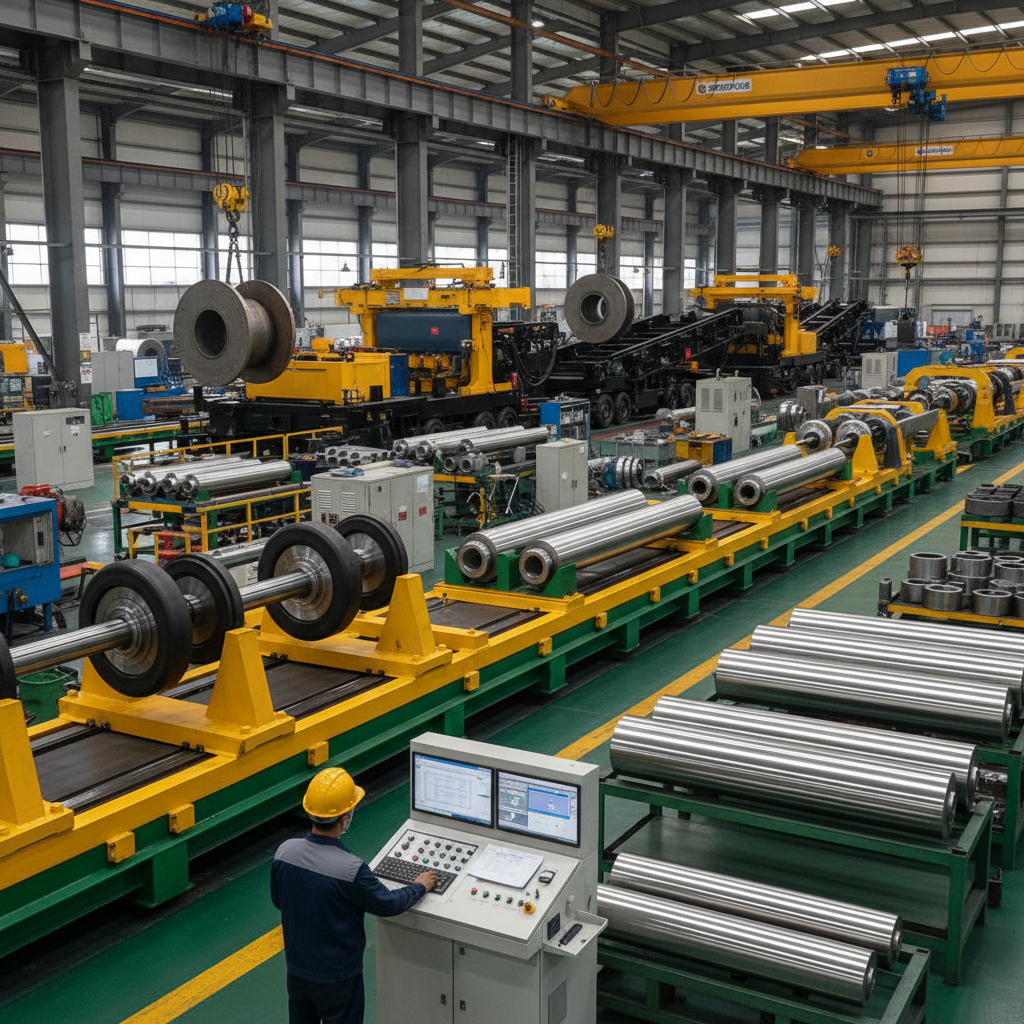
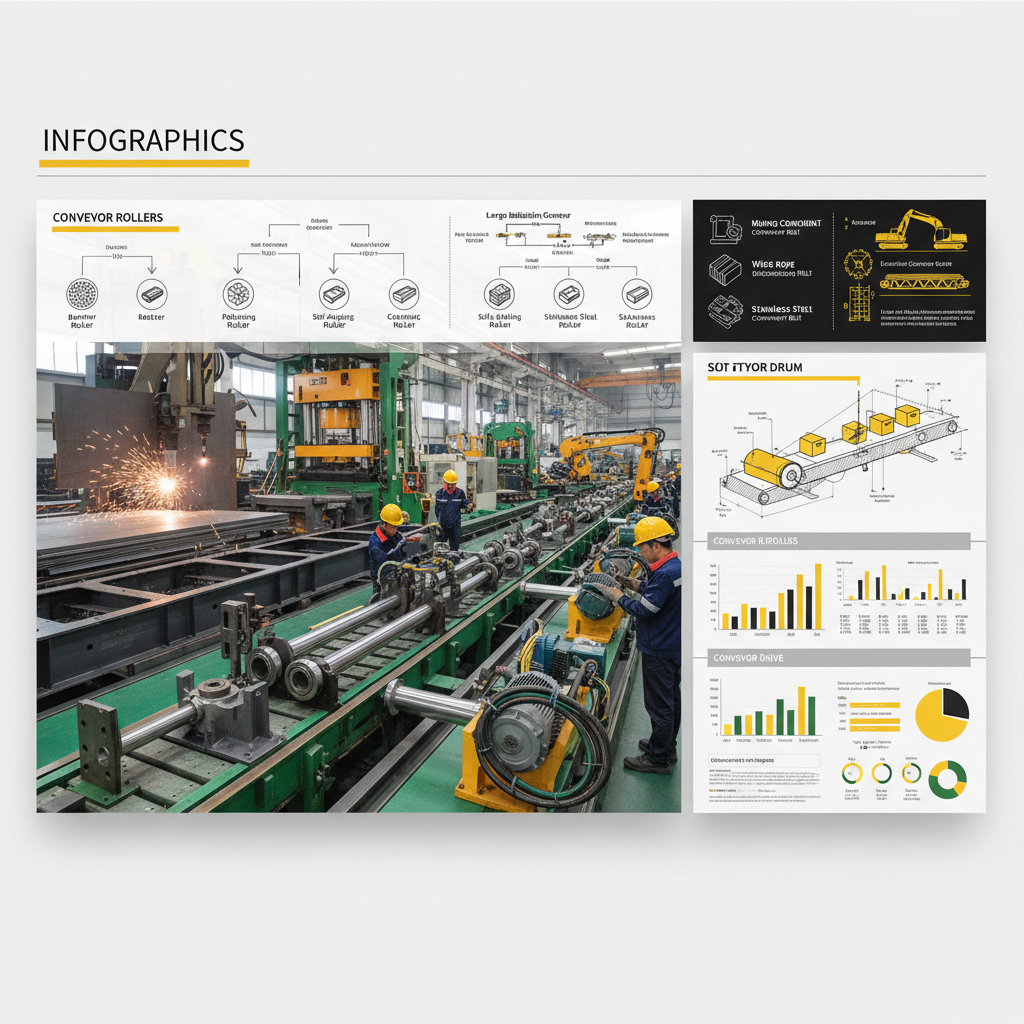
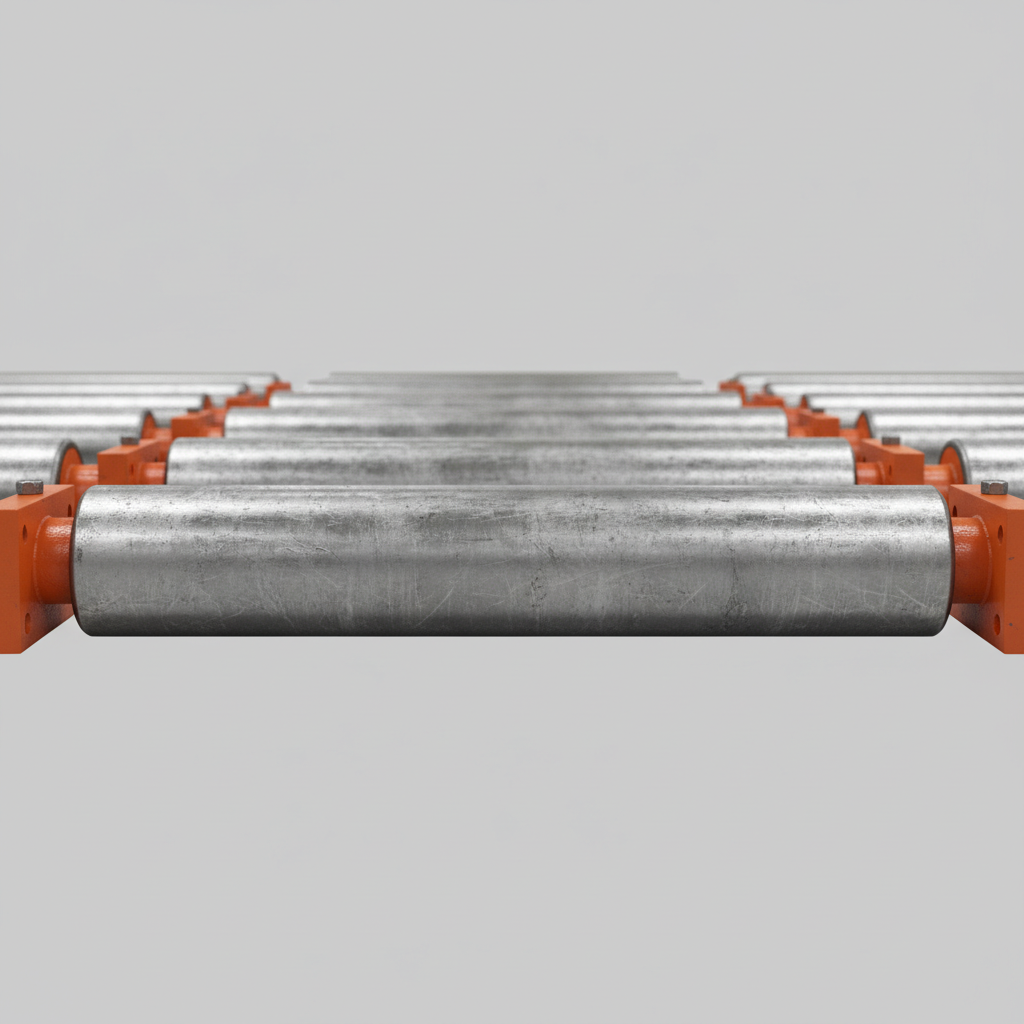
In the high-stakes world of industrial logistics, the efficiency of a material handling system is only as reliable as its smallest moving part. A professional conveyor roller factory serves as the backbone of global supply chains, ensuring that everything from raw minerals to delicate electronics moves seamlessly from point A to point B. By focusing on precision engineering and material science, these facilities transform simple rotating cylinders into high-performance components that minimize friction and maximize throughput.
The global demand for automated transport has surged, putting immense pressure on the durability and sustainability of conveyor components. Modern industrial operations can no longer afford unplanned downtime caused by seized bearings or worn-out shells. Consequently, the role of a specialized conveyor roller factory has evolved from simple manufacturing to providing comprehensive engineering solutions, incorporating advanced polymers and reinforced alloys to withstand the harshest environmental conditions.
Understanding the nuances of roller selection—ranging from impact idlers to self-aligning rollers—is critical for any facility manager aiming to optimize operational costs. By partnering with a reputable conveyor roller factory, businesses can implement predictive maintenance strategies and reduce energy consumption. This guide explores the intricate balance of quality, innovation, and application that defines the modern standards of conveyor roller production.
Global Relevance of Conveyor Roller Production
The strategic importance of a conveyor roller factory extends far beyond simple manufacturing; it is a critical node in the global infrastructure of trade and production. According to ISO standards for industrial machinery, the precision of rotating components directly correlates with the energy efficiency of the entire transport system. In regions with heavy industrialization, such as the mining hubs of Australia or the manufacturing zones of East Asia, the reliability of these rollers determines the daily tonnage and overall profitability of the enterprise.
When a single roller fails in a kilometer-long conveyor system, the resulting downtime can cost thousands of dollars per hour. This systemic vulnerability highlights why the global industry is shifting toward high-precision production environments where tolerances are measured in microns. By integrating rigorous quality control and advanced metallurgy, a top-tier conveyor roller factory ensures that global supply chains remain resilient against the stresses of 24/7 operation.
Defining the Modern Conveyor Roller Factory
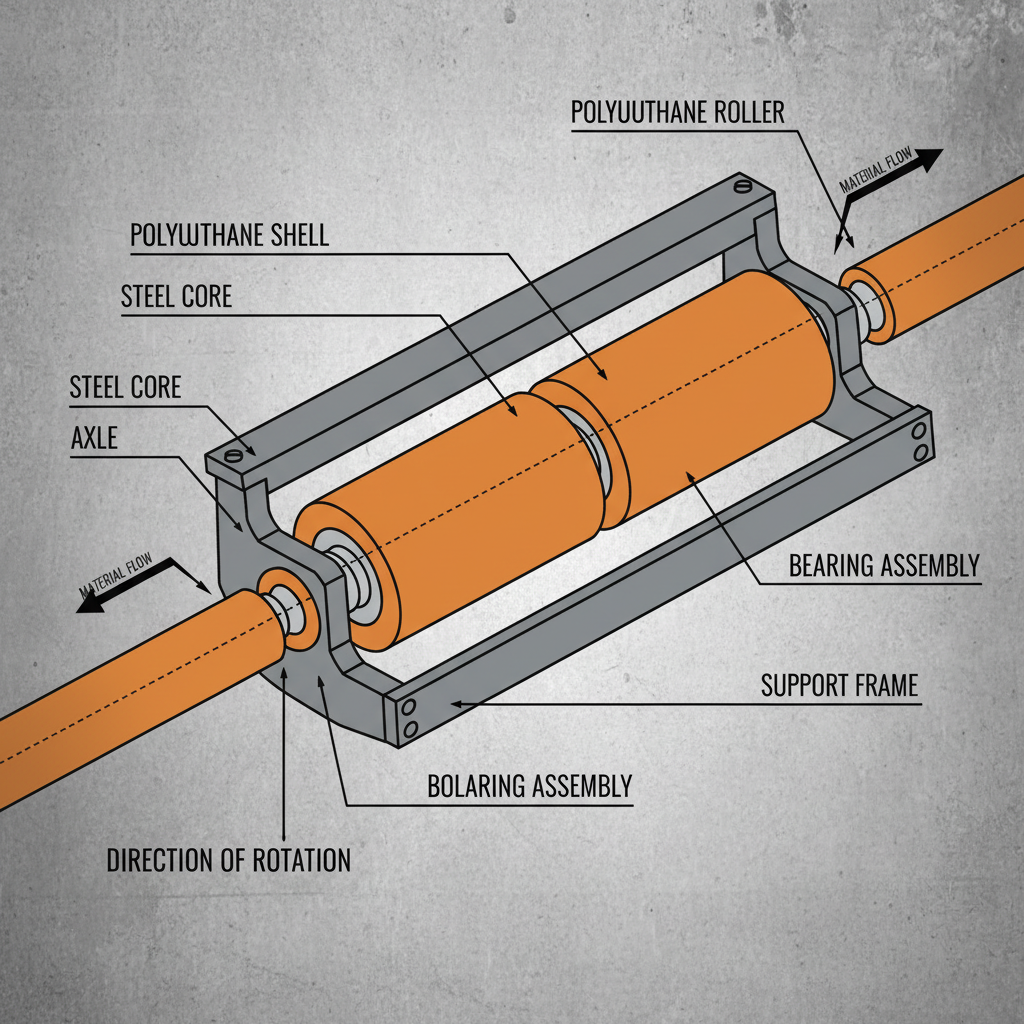
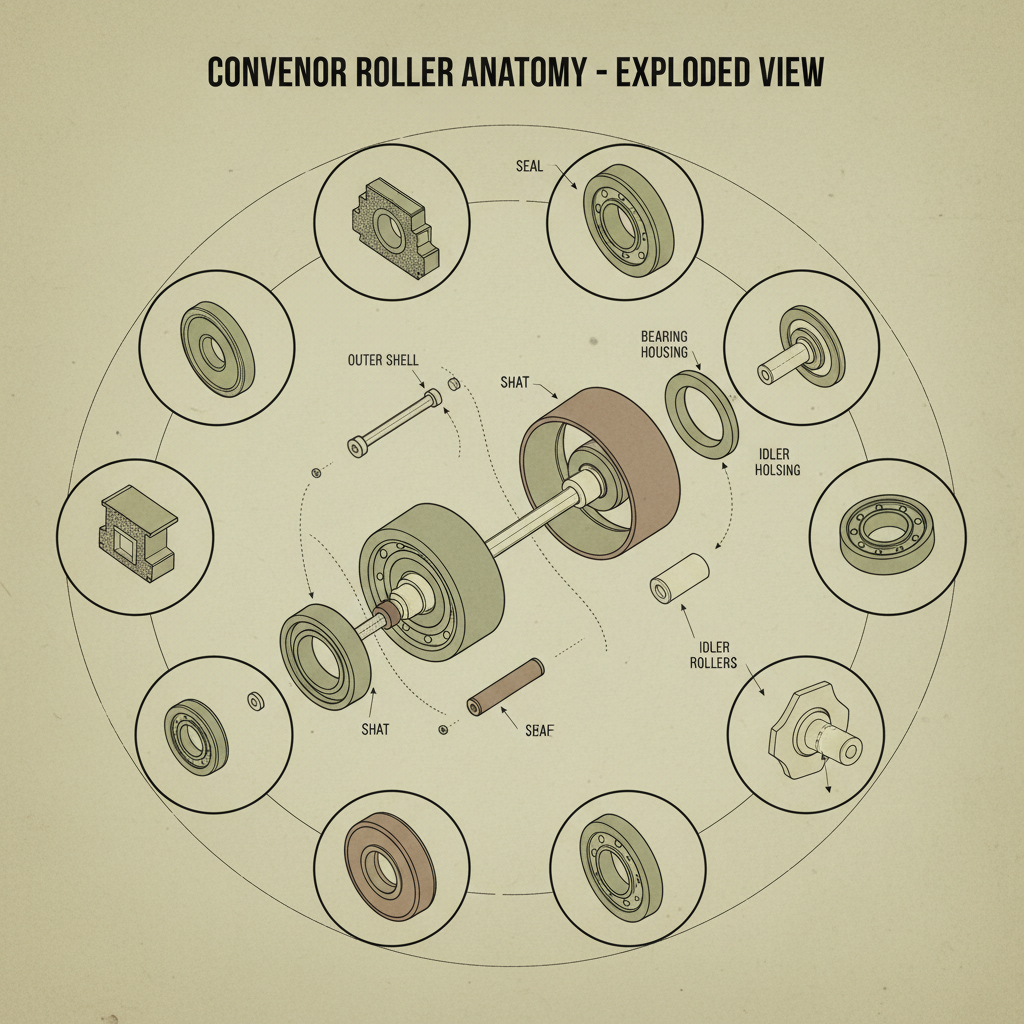
At its simplest level, a conveyor roller factory is a specialized manufacturing facility dedicated to the production of cylindrical components that support and move conveyor belts. However, in the context of "Industry 4.0," these factories have evolved into centers of material science. They no longer just "bend pipes"; they engineer complex assemblies involving precision-ground shafts, high-grade bearings, and specialized shells made from carbon steel, stainless steel, or high-density polymers.
The connection between these factories and modern industry is profound. Whether it is a food-grade stainless steel roller for a pharmaceutical plant or a heavy-duty ceramic roller for a coal mine, the factory must tailor its output to specific environmental stressors. This adaptability allows industries to scale their operations, ensuring that the physical movement of goods does not become a bottleneck in an otherwise digitalized workflow.
Furthermore, the modern factory emphasizes the synergy between the roller and other system components. By producing compatible bearing housings and buckle systems, a comprehensive conveyor roller factory ensures that the entire assembly works in harmony, reducing the coefficient of friction and extending the lifespan of the conveyor belt itself.
Core Components of Roller Engineering
The excellence of a conveyor roller factory is judged by its attention to four critical factors: durability, load capacity, rotational precision, and environmental resistance. Durability is achieved through advanced surface treatments, such as galvanization or polymer coating, which protect the shell from corrosive agents and abrasive materials.
Load capacity is perhaps the most vital technical parameter. A professional conveyor roller factory utilizes finite element analysis (FEA) to determine the optimal wall thickness and shaft diameter, ensuring the roller can support heavy bulk materials without deformation, which would otherwise lead to belt misalignment and premature wear.
Finally, environmental resistance determines the roller's viability in extreme conditions. From cold-resistant rollers designed for Arctic mining to heat-resistant versions for cement kilns, the factory's ability to source specialized lubricants and sealants is what differentiates a generic product from a high-performance industrial tool.
Performance Metrics and Quality Standards
To maintain a competitive edge, a conveyor roller factory must adhere to strict performance metrics. These include the "coefficient of rolling resistance," which measures how much energy is lost during rotation, and the "MTBF" (Mean Time Between Failures), which provides a statistical outlook on the component's reliability under specific load conditions.
Quality control often involves dynamic balancing tests to ensure that the roller does not vibrate at high speeds, which could cause structural fatigue in the conveyor frame. By utilizing automated testing rigs, factories can guarantee that every unit leaving the assembly line meets the rigorous demands of heavy-duty industrial applications.
Comparative Efficiency of Roller Manufacturing Methods
Global Industrial Applications
The products of a conveyor roller factory are ubiquitous across diverse sectors. In the mining industry, heavy-duty impact idlers are deployed at loading points to absorb the kinetic energy of falling ore, preventing the conveyor belt from tearing. In contrast, the logistics and e-commerce sector relies on lightweight, low-noise polymer rollers for sorting centers, where speed and agility are prioritized over raw strength.
Furthermore, in specialized fields such as chemical processing, the use of acid and alkali resistant materials is non-negotiable. Factories produce rollers with specialized epoxy coatings that prevent corrosion, ensuring that hazardous materials are transported safely without the risk of equipment failure. This versatility allows a single factory to serve clients ranging from local warehouses to multinational mining conglomerates.
Long-Term Value and Sustainability
Investing in high-quality components from a reputable conveyor roller factory offers significant long-term economic value. While cheaper alternatives may seem attractive initially, the "Total Cost of Ownership" (TCO) is often much higher due to frequent replacements and energy inefficiency. High-precision rollers reduce the drag on the motor, leading to lower electricity bills and a smaller carbon footprint for the facility.
Beyond the financial metrics, there is a critical safety component. A failed roller can cause a belt to snap or drift, leading to catastrophic industrial accidents. By ensuring structural integrity and utilizing fail-safe bearing designs, professional factories contribute to a safer working environment for thousands of operators worldwide.
Sustainability is also being integrated into the production process itself. Many factories are now implementing "closed-loop" recycling, where old steel rollers are reclaimed, melted down, and reforged into new components. This transition toward a circular economy reduces the reliance on virgin raw materials and aligns industrial growth with global environmental goals.
Future Innovations in Roller Technology
The future of the conveyor roller factory lies in the integration of "Smart Rollers." By embedding IoT sensors directly into the roller shell or bearing housing, companies can now monitor vibration and temperature in real-time. This allows for a transition from scheduled maintenance to "condition-based maintenance," where a roller is only replaced when the data indicates an imminent failure.
Materials science is also pushing boundaries with the introduction of graphene-enhanced polymers and ultra-high-molecular-weight polyethylene (UHMWPE). These materials offer the strength of steel with a fraction of the weight, significantly reducing the inertia of the conveyor system and allowing for faster acceleration and deceleration cycles in automated warehouses.
As automation increases, we are seeing a rise in specialized rollers, such as comb-shaped rollers for specific debris removal or spiral rollers for complex material guiding. The ability of a factory to innovate these niche designs will determine its leadership in the next generation of material handling technology.
Technical Analysis of Advanced Roller Material Specifications
| Material Type |
Wear Resistance |
Corrosion Level |
Recommended Use |
| Carbon Steel (Galvanized) |
Moderate |
Low |
General Warehousing |
| Stainless Steel 304/316 |
High |
Excellent |
Food & Pharma |
| HDPE Polymer |
Moderate |
High |
Light-duty Sorting |
| Ceramic Coated |
Extreme |
Moderate |
Mining & Quarrying |
| Rubber Lined |
High (Impact) |
Moderate |
Loading Zones |
| Composite Carbon |
Very High |
High |
High-Speed Automation |
FAQS
For corrosive environments, you should consult a conveyor roller factory that specializes in stainless steel (316 grade) or HDPE polymer rollers. If the environment involves strong acids or alkalis, specify the need for specialized epoxy or fluoropolymer coatings. Always ensure that the bearings are sealed with high-grade nitrile or Viton seals to prevent chemical ingress into the internal mechanism.
Lifespan varies wildly based on application. In a light-duty warehouse, a high-quality roller can last 5-10 years. In heavy mining operations, impact rollers might need replacement every 6-18 months. To extend the life of your components, partner with a factory that offers precision-balanced rollers and high-load bearings, and implement a regular cleaning schedule to remove debris from the shells.
Yes, professional factories offer full customization. By providing a technical drawing or the specific requirements of your conveyor frame, they can manufacture rollers with custom diameters, lengths, and shaft configurations. This is particularly important for integrating new rollers into legacy systems where standard sizes no longer match the existing bracketry.
Polymer rollers offer several advantages: they are significantly lighter (reducing motor load), they are naturally corrosion-resistant, and they operate much more quietly. They are also preferred in food-grade applications because they don't rust and are easier to sanitize. However, for extreme heavy-load bulk mining, steel or ceramic remains the superior choice due to structural rigidity.
Look for three main things: ISO certifications for quality management, the presence of dynamic balancing equipment, and a robust testing facility (such as load-bearing and salt-spray tests). A reputable factory will be transparent about their material sourcing and provide certificates of analysis for the steel or polymers used in their production.
Misalignment causes the belt to "track" to one side, leading to edge fraying and material spillage. This is often caused by worn-out or poorly manufactured rollers. To solve this, a conveyor roller factory can provide "self-aligning rollers" that pivot automatically to center the belt, significantly reducing belt wear and maintenance labor.
Conclusion
In summary, the operational success of any material handling system is inextricably linked to the quality of its rotating components. A professional conveyor roller factory does more than supply parts; it provides the engineering precision necessary to reduce energy costs, enhance worker safety, and maximize industrial throughput. From the selection of corrosion-resistant materials to the integration of IoT-enabled smart monitoring, the evolution of roller technology is driving a more efficient and sustainable global supply chain.
Looking forward, the industry will continue to shift toward lightweight composites and predictive maintenance models. For businesses aiming to optimize their logistics, the recommendation is clear: move away from commodity-grade components and invest in engineered solutions tailored to your specific environmental stressors. By prioritizing precision and durability today, you secure the reliability of your operations for the decade to come. Visit our website for more expert solutions: www.hgconveyorbelt.com