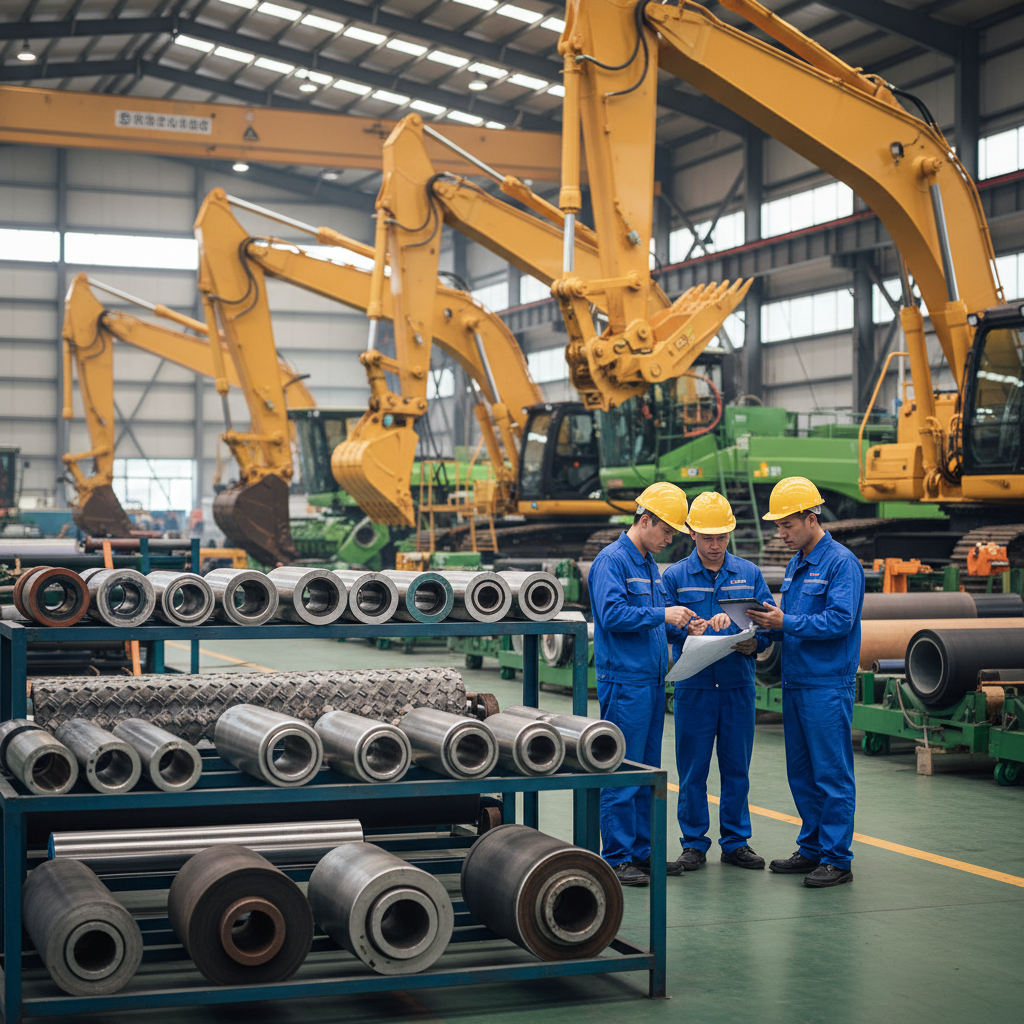
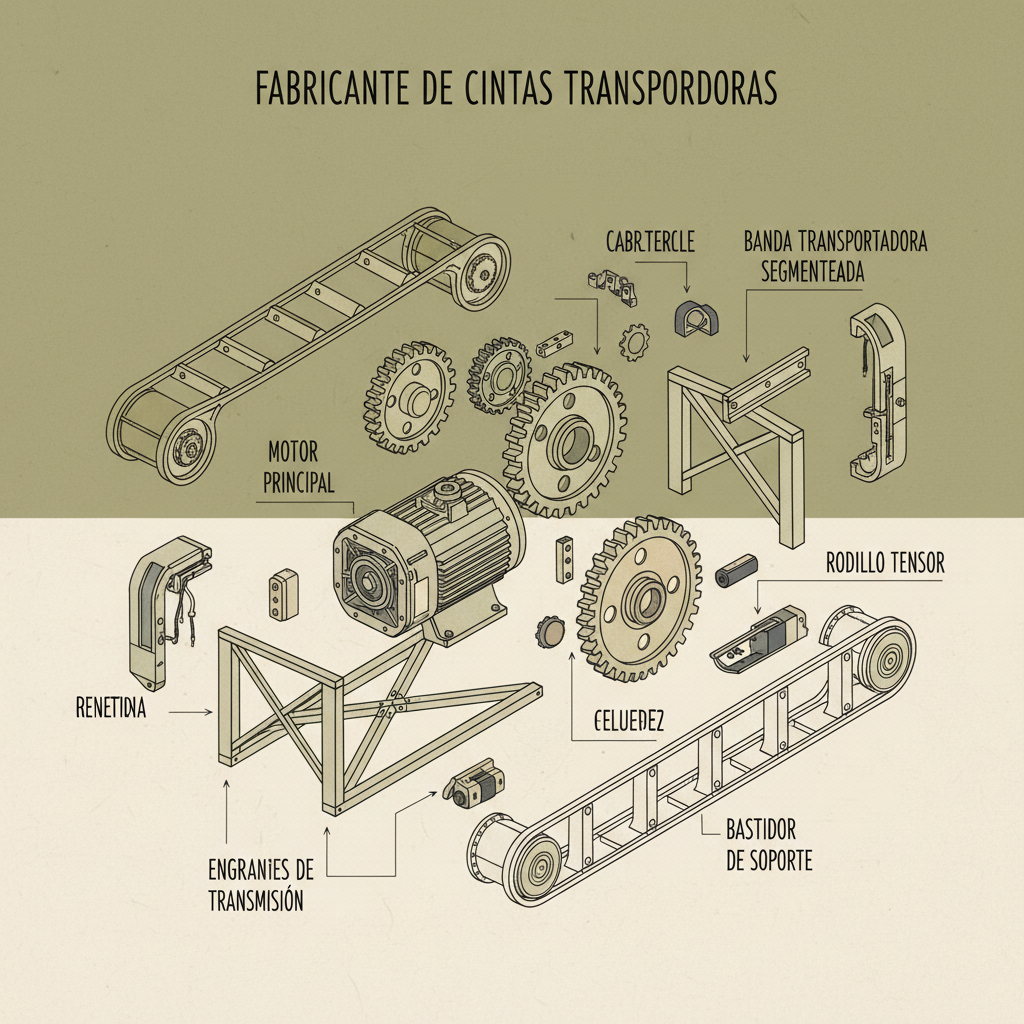
For procurement managers in the continuous handling equipment sector, finding a reliable guide roller exporter is critical to maintaining conveyor alignment and reducing belt wear. In the specialized field of material handling, these components serve as the primary defense against belt drift, ensuring that bulk materials are transported efficiently without causing structural damage to the machinery.
The primary challenge for operators is not just finding a supplier, but securing rollers that can withstand high-tension environments, abrasive materials, and corrosive atmospheres. Poorly chosen guide rollers lead to frequent downtime, premature belt failure, and increased operational costs, making the selection of an experienced exporter a strategic decision rather than a simple purchase.
This technical analysis provides a framework for evaluating guide roller suppliers, examining the material specifications, alignment mechanisms, and quality standards necessary to optimize heavy-duty conveyor systems in mining, metallurgy, and chemical engineering.

The Role of Guide Rollers in Material Handling

Guide rollers, often integrated as part of a larger self-aligning system, are designed to keep the conveyor belt centered on the structure. In continuous handling systems, even a slight deviation in belt tracking can lead to edge fraying, material spillage, and increased friction against the conveyor frame, which eventually causes catastrophic belt failure.
By implementing precision-engineered guide rollers from a specialized exporter, companies can automate the tracking process. These rollers respond to the belt's movement; as the belt drifts, the roller pivots to redirect the belt back to the center, thereby reducing the need for manual adjustment and minimizing human intervention in hazardous zones.
Key Material Specifications for High-Durability Rollers
The environment determines the material. For standard applications, carbon steel rollers are sufficient, but for specialized industries, the material choice is the primary driver of service life. For instance, in chemical plants, stainless steel rollers are essential to prevent oxidation and corrosion from acidic or alkaline fumes.
Beyond the shell, the internal components—specifically the bearings and bearing housings—must be sealed against dust and moisture. High-performance exporters prioritize the use of precision bearings that can handle both radial and axial loads, ensuring that the guide roller can pivot smoothly under the weight of heavy bulk materials without seizing.
Alignment Mechanisms and Functional Design
Effective belt tracking relies on the geometric design of the roller and its bracket. A high-quality guide roller system employs a pivoting frame that allows the roller to tilt. When the belt moves laterally, the friction between the belt and the roller creates a force that rotates the frame, steering the belt back to the center line.
Design variations such as polymer rollers are increasingly used to reduce noise and weight while providing a degree of natural elasticity. These materials are often preferred in environments where impact loads are frequent, as they absorb energy more effectively than rigid steel, reducing the stress transferred to the conveyor structure.
Evaluating Supplier Capacity and Quality Standards
When vetting a guide roller exporter, procurement teams should look beyond the product catalog to the manufacturing infrastructure. The ability to maintain strict quality control throughout the production process—from raw material selection to final testing—is what separates a commodity supplier from a strategic partner.
The chart above illustrates a relative importance index for supplier evaluation dimensions. While price is a factor, technical compliance, certification (such as ISO and CE), and the ability to provide customized solutions based on specific load requirements carry higher weight in long-term ROI calculations.
Application Scenarios Across Heavy Industries
Different industries demand different roller configurations. In mining and coal transport, rollers must resist extreme abrasion from hard ores. Here, ceramic rollers or reinforced steel options are often deployed to extend the maintenance cycle. In port operations, where salt spray is constant, corrosion-resistant coatings are the priority.
Hebei Roule Conveyor Machinery Manufacturing Co., Ltd. leverages extensive experience in these sectors, providing tailored solutions that include not only the rollers but also accompanying accessories like conveyor drums and various belt types, ensuring a cohesive system that minimizes interface failures.
Common Integration Mistakes and Risks
One of the most frequent errors in conveyor setup is the over-reliance on guide rollers to fix a fundamentally misaligned structure. If the conveyor frame is not level or the pulleys are not square, guide rollers will constantly work to correct a permanent error, leading to accelerated wear on both the rollers and the belt edge.
Another risk is the neglect of bearing lubrication and seal integrity. In dusty environments, fine particles can penetrate low-grade seals, causing the roller to seize. A seized guide roller is more dangerous than no roller at all, as it becomes a fixed point of friction that can tear the belt within hours of operation.
Supplier Selection Decision Framework
Choosing the right exporter requires a balanced evaluation of technical capability and supply chain reliability. The following table compares different supplier tiers based on typical industry performance indicators to help buyers determine the appropriate level of partnership for their project.
| Supplier Type | Technical Focus | Best Use Case | Primary Risk |
|---|---|---|---|
| Commodity Trader | Low Cost | Low-load, short-term | Inconsistent Quality |
| Regional Workshop | Quick Delivery | Simple replacements | Lack of Certification |
| Specialized Factory | Precision Engineering | Heavy Industrial / Mining | Higher Initial Cost |
| Global OEM | System Integration | Complex Infrastructure | Long Lead Times |
| Custom Manufacturer | Application Specific | Chemical / Corrosive Env. | Higher Design Cost |
| Integrated Provider | Full Cycle Support | End-to-End Conveyor Systems | Vendor Lock-in |
For operations where downtime costs exceed the cost of components, partnering with a specialized factory that holds ISO and CE certifications is the most viable path to ensuring operational stability.
Frequently Asked Questions
Inspection frequency depends on the material handled, but generally, a monthly visual check for belt tracking and a quarterly mechanical check for bearing rotation is recommended.
Carry rollers support the weight of the belt and material during transport, while guide rollers are specifically designed to maintain the lateral position of the belt.
No. While polymer rollers offer corrosion resistance and noise reduction, they lack the load-bearing capacity and extreme temperature resistance of reinforced steel.
Look for ISO9001 for quality management, CE for product safety and European standards, and SGS for factory inspection verification.
It utilizes a pivoting axle; when the belt drifts, it pushes the roller, causing the axle to rotate and the roller to angle itself, which pushes the belt back toward the center.
Signs include audible grinding noises, visible flat spots on the roller shell, belt edge wear, or a roller that no longer pivots freely.
Conclusion
Selecting a guide roller exporter is a decision that directly impacts the uptime and safety of any continuous handling system. By focusing on material compatibility, alignment precision, and verified manufacturing standards, operators can move from a reactive maintenance cycle to a proactive operational strategy, significantly extending the life of their conveyor belts.
For organizations seeking customized roller solutions or comprehensive conveyor accessories, detailed technical specifications and available product ranges can be reviewed at www.hbroule.com to ensure the chosen components match the specific demands of the operational environment.