- Tel: +8615128135888
- Email: hg@chinaconveyerbelt.com

Procuring the right conveyor components often leads to a common friction point: understanding the volatility of the friction roller price. For plant managers and procurement specialists, the cost is rarely a fixed number but rather a reflection of material specifications, surface treatments, and the intended load capacity of the continuous handling system.
In the heavy-duty machinery sector, specifically within material handling equipment manufacturing, the balance between initial capital expenditure and long-term operational efficiency is critical. A lower upfront cost often translates to higher maintenance overheads if the roller's friction coefficients and wear resistance are not aligned with the operational environment.
This analysis examines the technical drivers behind pricing variations for friction rollers and transmission drums, providing a framework for evaluating value beyond the sticker price to ensure sustainable production throughput.


Friction rollers and drive drums serve as the primary interface for power transmission in belt conveyors. The fundamental goal is to maximize the static friction between the drum surface and the conveyor belt to prevent slippage, which would otherwise lead to energy loss and premature belt wear.
The technical foundation of these components relies on the interaction between the drum shell and the lagging material. In low-power, dry environments, a bare steel surface may suffice, but industrial applications typically require enhanced traction to handle varying bandwidths and load weights.
The variance in friction roller price is primarily driven by the precision of the engineering and the grade of materials used. For instance, the choice between a standard carbon steel shell and a stainless steel roller significantly alters the cost profile, especially when the application involves corrosive chemicals or moisture.
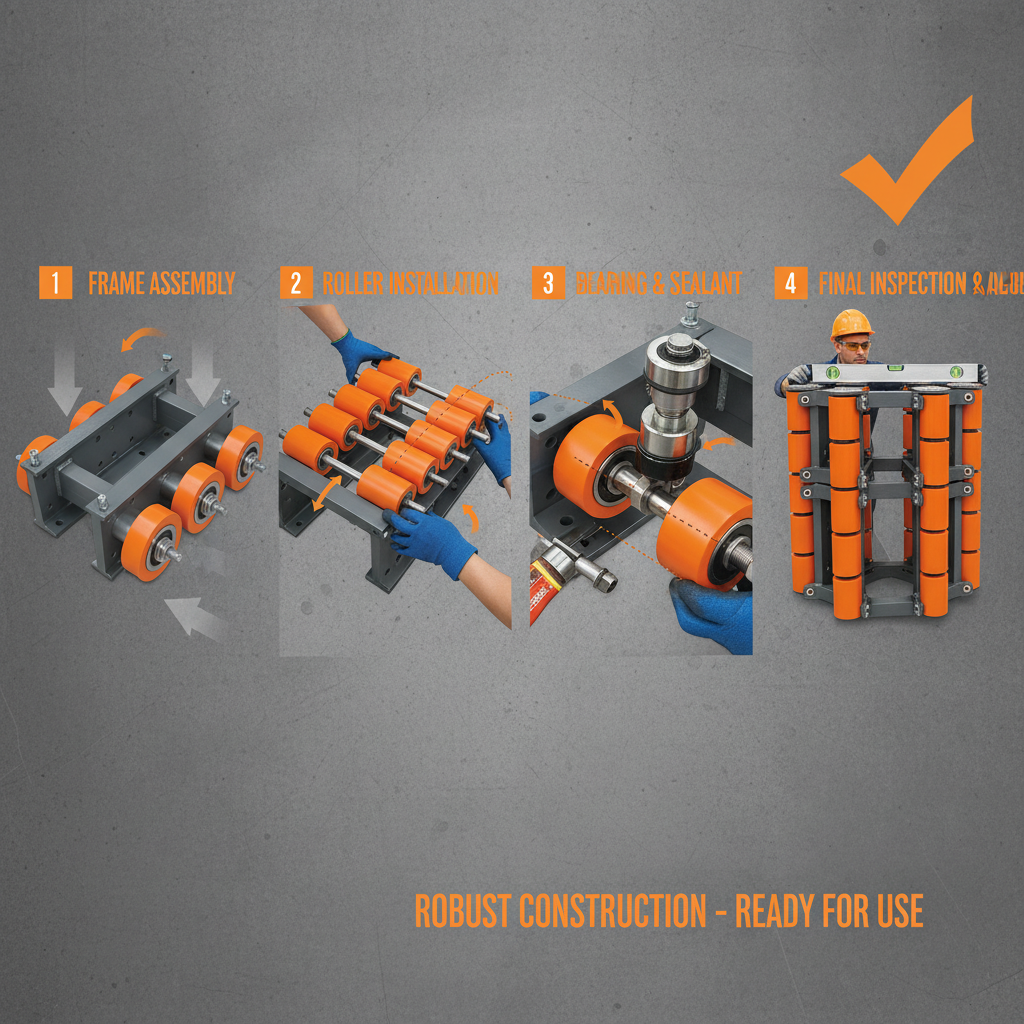
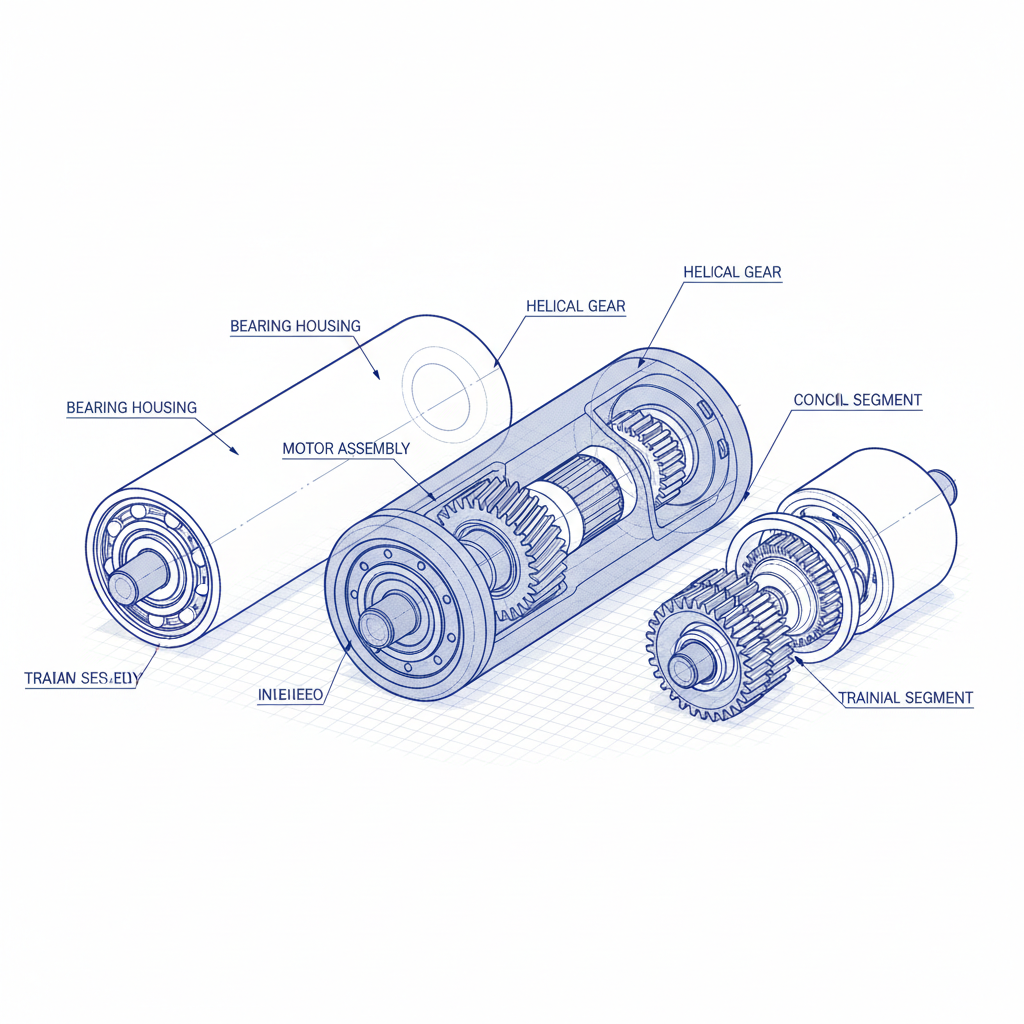
Beyond the shell, the internal bearing assembly plays a pivotal role. The use of high-precision bearings and robust bearing housings ensures that the roller maintains concentricity under heavy loads. Any deviation in the roller's axis can lead to uneven friction distribution, causing the belt to drift and increasing the risk of structural failure.
Furthermore, the welding quality between the drum shell and the end cover is a non-negotiable cost factor. High-integrity welding prevents the drum from warping under thermal stress or heavy tension, which is essential for maintaining a consistent friction interface across the entire width of the conveyor.
Selecting the correct surface pattern is a technical decision that directly impacts both the cost and the efficiency of power transmission. Different lagging patterns are engineered to solve specific operational challenges, ranging from water drainage to bidirectional movement.
Traction efficiency is not solely about the friction coefficient, but about the ability of the surface pattern to maintain that coefficient under adverse conditions, such as the presence of dust, moisture, or heavy material buildup.
Herringbone patterns, for example, provide high friction and excellent drainage but are unidirectional. In contrast, diamond-shaped patterns are the industry standard for conveyors that must operate in both directions. These specialized rubber coatings increase the initial price but reduce the cost per ton of material moved by eliminating slippage.
To understand the economics of conveyor components, it is helpful to view them through a relative value index. This index compares the initial investment cost against the expected durability and performance gain. While bare steel is the most economical, it offers the lowest traction and highest wear rate in harsh environments.
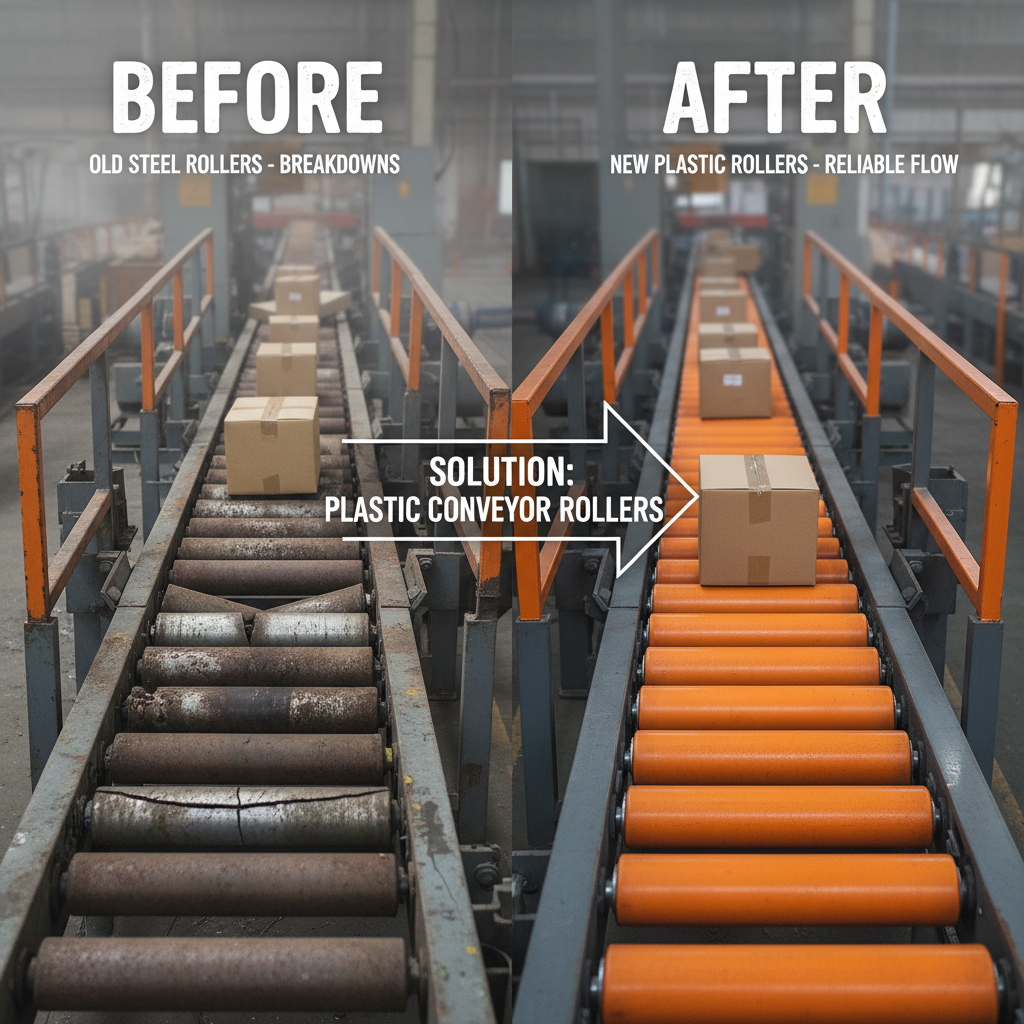
As we move toward polymer rollers and specialized rubber-coated drums, the initial cost increases, but the "Value Index"—calculated by dividing the service life by the total cost of ownership—typically improves. This is particularly evident in mining and chemical engineering applications where downtime is exponentially more expensive than the hardware.
In a typical industrial setting, such as a coal mine or a chemical processing plant, the selection of a friction roller is often a trade-off between environmental resistance and traction. For example, an operator in a caustic environment cannot simply look at the friction roller price but must prioritize acid and alkali resistant materials. Choosing a standard roller in such a scenario leads to rapid corrosion, causing the surface to pit and the friction coefficient to drop, which results in catastrophic belt slippage.
Similarly, in high-bandwidth systems, overloading the transmission drum is a frequent cause of premature failure. When a drum is overloaded beyond its design specifications, the heat generated by friction can degrade the rubber lagging, leading to "glazing"—a condition where the rubber becomes smooth and loses its grip. This necessitates an unplanned replacement, proving that the cheapest initial option often becomes the most expensive over a 24-month cycle.
Extending the service life of a transmission drum requires a shift from reactive to proactive maintenance. The most critical daily task is the removal of dust and foreign objects from the drum surface. Material buildup not only reduces the effective contact area but can also create uneven pressure points that damage the belt.
Regular inspections should focus on the structural integrity of the drum, specifically the firmness of the welding between the shell and the end covers. Any sign of fatigue or cracking indicates that the drum is under excessive stress or is nearing the end of its fatigue life. Lubrication of the bearing housing is equally vital; without it, friction shifts from the drum-belt interface to the internal shaft, leading to overheating and seizure.
By adhering to a strict maintenance schedule and avoiding overloading, enterprises can significantly defer the need for replacement. This approach transforms the component from a consumable expense into a long-term asset, optimizing the overall cost of the continuous handling system.
When evaluating quotes, procurement teams should use a decision matrix that weights technical requirements against price. A low-cost quote often indicates compromises in raw material grade or the omission of critical quality checks, such as ISO9001 or CE certifications.
Hebei Roule Conveyor Machinery Manufacturing Co., Ltd. integrates these quality controls from raw material selection to final delivery, ensuring that components meet national and industry standards. This systemic approach reduces the risk of "unqualified products" entering the production line, which is a far greater cost risk than a slightly higher initial purchase price.
The following framework provides a relative comparison of selection considerations based on different operational priorities.
| Priority Factor | Budget-Driven | Performance-Driven | Environment-Driven |
|---|---|---|---|
| Surface Material | Bare Steel | Diamond Rubber | Ceramic/Polymer |
| Bearing Grade | Standard | High-Precision | Sealed/Anti-Corrosive |
| Traction Level | Low | Very High | Medium to High |
| Expected Life | Short (6-12mo) | Long (24-48mo) | Variable (Material Dep.) |
| Maintenance Load | High | Medium | Low to Medium |
| Relative Cost | Low | Medium-High | High |
The price is determined by four primary factors: the raw material of the shell (e.g., carbon steel vs. stainless steel), the type of surface lagging (bare steel, herringbone, or diamond rubber), the precision and grade of the internal bearings, and the manufacturing certifications (such as ISO or CE). Specialized coatings for acid or alkali resistance also add a premium due to the higher cost of raw materials and specialized application processes.
A diamond pattern should be selected for conveyor systems that operate in both directions (bi-directional), as it provides consistent traction regardless of the belt's movement direction. A herringbone pattern, while offering superior drainage and a high friction coefficient, is directional. If the conveyor only moves in one direction and operates in wet or muddy conditions, the herringbone pattern is more efficient.
High-quality bearings reduce the internal resistance of the roller, which lowers the energy required to move the belt. More importantly, they prevent shaft misalignment. Cheap bearings fail faster under load, leading to roller seizure. A seized roller creates massive friction against the belt, potentially causing the belt to snap or burn, which results in downtime costs that far exceed the savings from a cheaper roller.
Generally, no. Bare steel surfaces are only suitable for low-power, low-bandwidth, and dry environments where the load is minimal. In high-power applications, the lack of a high-friction coating would lead to immediate belt slippage. This slippage generates heat, which can damage both the belt and the drum surface, making rubber or ceramic lagging essential for high-capacity systems.
The most common causes are overloading and poor maintenance. Overloading leads to excessive heat and mechanical deformation of the shell. Poor maintenance—specifically the failure to clean dust and debris or properly lubricate bearings—leads to uneven wear and internal seizure. Regular inspections of the weld points and surface condition are the best ways to prevent these failures.
Verify the manufacturer's certifications (ISO9001, CE, SGS) and their quality control process. A reputable manufacturer will provide details on raw material selection and the testing protocols they use before factory delivery. If a price is significantly below the market average, it often suggests a lack of strict quality inspection or the use of inferior steel grades, which increases the risk of premature failure.
Navigating the complexities of friction roller price requires moving beyond a simple cost-per-unit mentality. The true expense of a conveyor system is found in its operational availability; a roller that lasts three years is significantly cheaper than one that requires replacement every six months, regardless of the initial invoice.
By aligning surface patterns with operational needs, investing in certified bearing assemblies, and implementing a rigorous daily maintenance routine, enterprises can optimize their material handling efficiency. The goal is to create a stable, high-traction environment that supports production goals while minimizing the long-term cost of ownership.