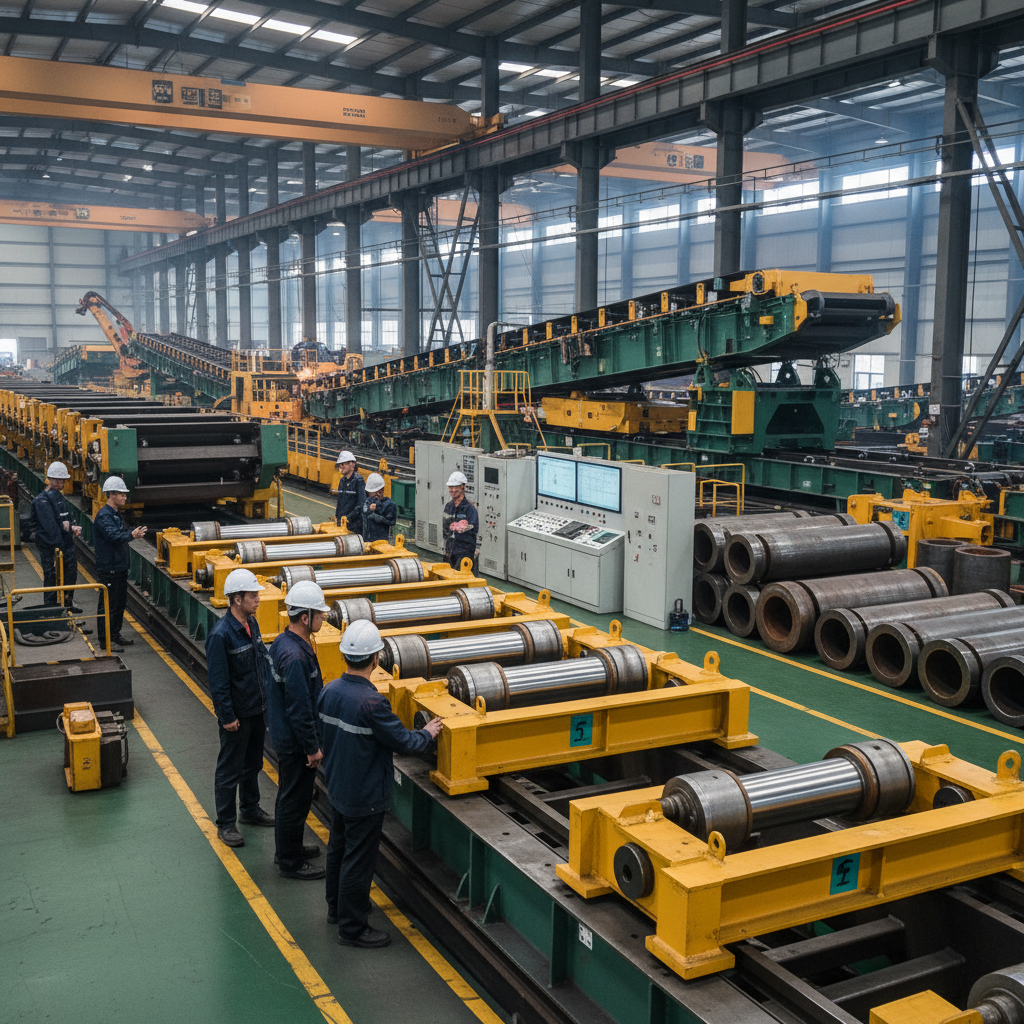
Selecting the right partners among conveyor idler manufacturers is a critical decision for any industrial operation relying on continuous bulk material handling. Idlers are the unsung heroes of the conveyor system, providing the necessary support to the belt and ensuring that materials are transported efficiently without excessive friction or premature wear. In a global economy driven by mining, agriculture, and logistics, the quality of these components directly dictates the uptime and operational cost of an entire production line.
The global landscape for bulk handling is evolving rapidly, with an increasing emphasis on reducing energy consumption and minimizing environmental impact. Modern conveyor idler manufacturers are no longer just producing steel rollers; they are engineering precision components using advanced polymers, ceramics, and smart monitoring technologies. This shift is essential as industries push toward higher belt speeds and heavier loads, requiring idlers that can withstand extreme pressures while remaining lightweight.
However, many facilities still struggle with frequent idler failures, leading to costly unplanned downtime and safety hazards. The challenge lies in matching the specific environmental conditions—such as acidity, extreme cold, or abrasive dust—with the correct idler specification. By understanding the technical nuances and innovation paths of leading conveyor idler manufacturers, companies can transition from reactive maintenance to a predictive strategy, significantly enhancing their long-term ROI.
The Role of Conveyor Idler Manufacturers in Industrial Efficiency
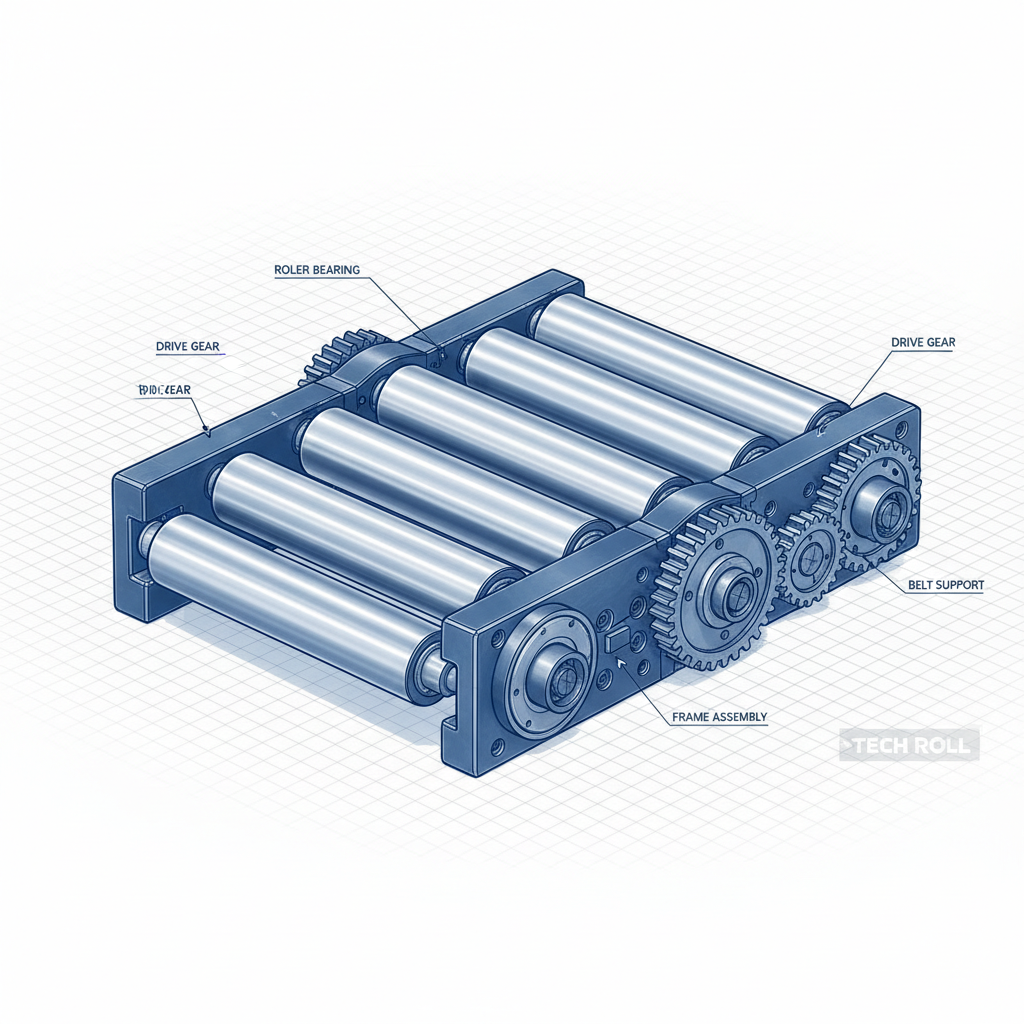
Expert conveyor idler manufacturers play a pivotal role in reducing the overall rolling resistance of a conveyor system. By utilizing precision bearings and optimized shell geometries, these manufacturers ensure that the belt glides with minimal energy loss. This efficiency is not merely a technical detail; it translates directly into lower electricity bills and reduced strain on the conveyor drive and motor systems.
Beyond energy, the reliability provided by top-tier manufacturers prevents "belt mistracking," a common industry headache where the belt shifts laterally, causing edge damage and material spillage. Through the integration of self-aligning rollers and high-precision impact idlers, manufacturers provide the stability needed to keep operations running 24/7 without the need for constant manual adjustments.
Defining Quality Standards for Modern Idler Production
When we speak of conveyor idler manufacturers, we are referring to specialized engineering firms that design and produce the rollers and frames that support conveyor belts. These components must be engineered to withstand immense static and dynamic loads while rotating freely under varying weather conditions. A high-quality idler is defined by its ability to maintain structural integrity under heavy tonnage without warping or seizing.
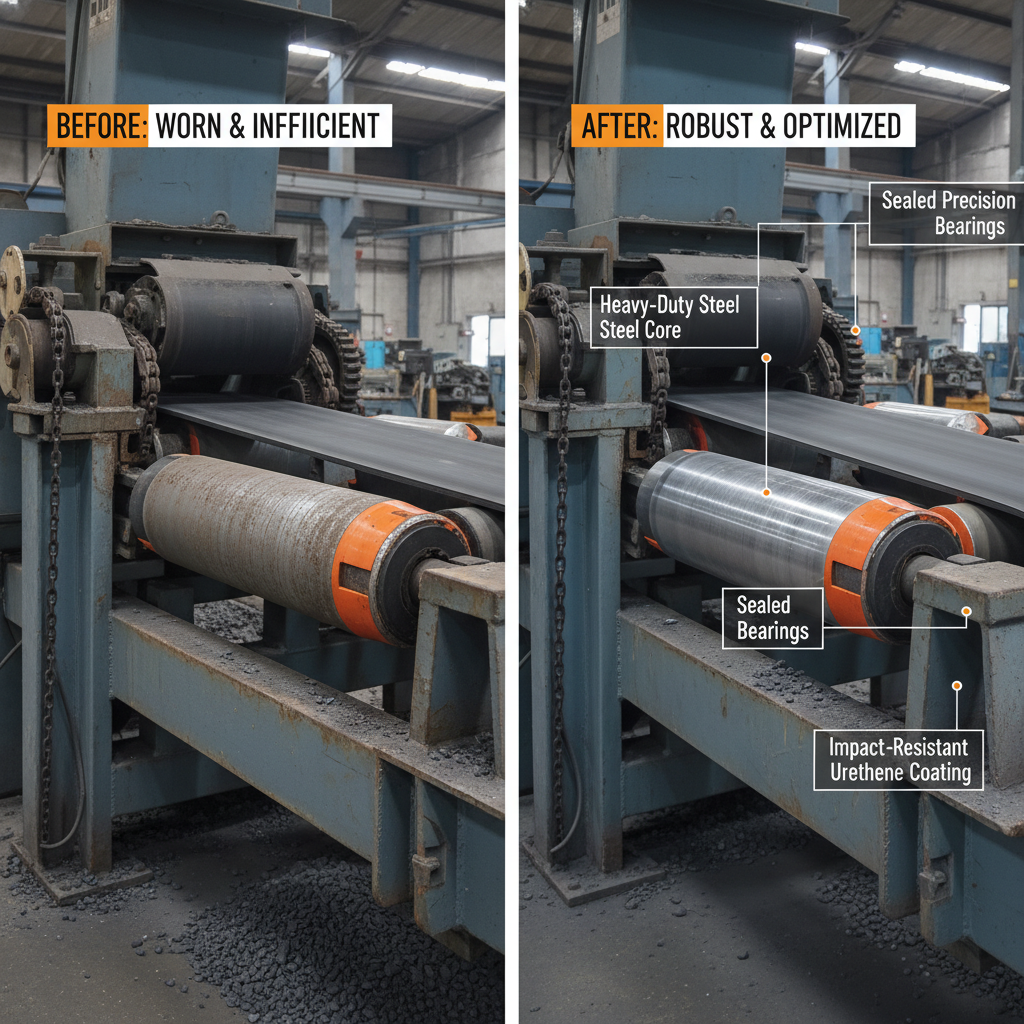
In the context of modern humanitarian and industrial needs, these manufacturers are increasingly focusing on "low-maintenance" designs. This involves the use of sealed-for-life bearings and corrosion-resistant coatings. For industries operating in remote regions—such as high-altitude mining or tropical plantations—the ability of an idler to resist moisture and dust ingress is the difference between a system that lasts ten years and one that fails in six months.
Furthermore, quality is measured by the adherence to international standards such as ISO and CEMA. Leading conveyor idler manufacturers employ rigorous stress-testing and fatigue analysis to ensure that every roller can handle the specific impact energy of the material being loaded, whether it's fine powder or heavy ore chunks.
Key Engineering Factors in Idler Selection
One of the most critical factors addressed by conveyor idler manufacturers is material compatibility. For example, in chemical plants, standard steel rollers would corrode within weeks; therefore, the use of stainless steel or polymer-coated rollers is mandatory to ensure longevity.
Durability is another cornerstone. Professional conveyor idler manufacturers utilize advanced heat treatment processes for the axle and high-grade steel for the shell to prevent "flat-spotting," which occurs when an idler stops rotating but the belt continues to move over it.
Lastly, cost efficiency is achieved not by buying the cheapest roller, but by optimizing the "Total Cost of Ownership" (TCO). By selecting idlers with higher initial quality, operators reduce the frequency of replacements and the associated labor costs, which are often significantly higher than the price of the part itself.
Comparing Idler Technologies and Performance Metrics
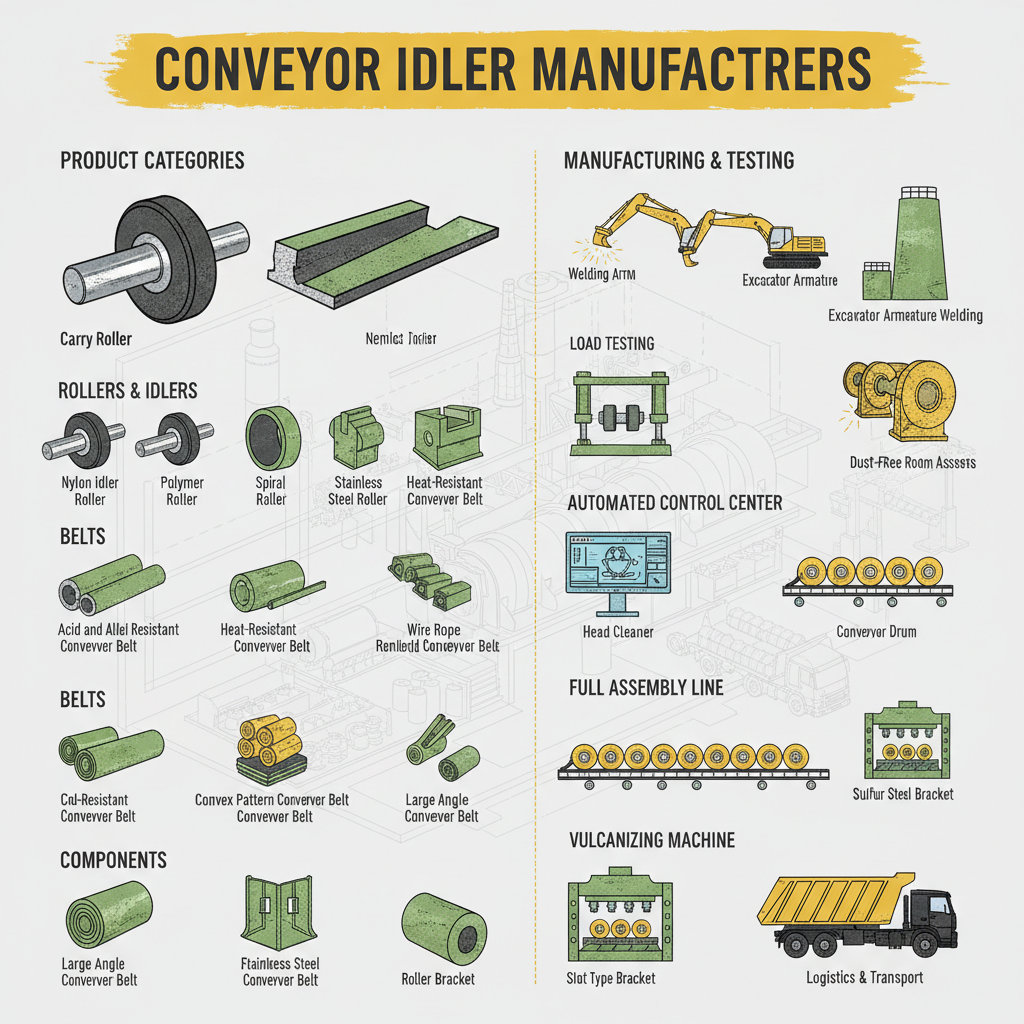
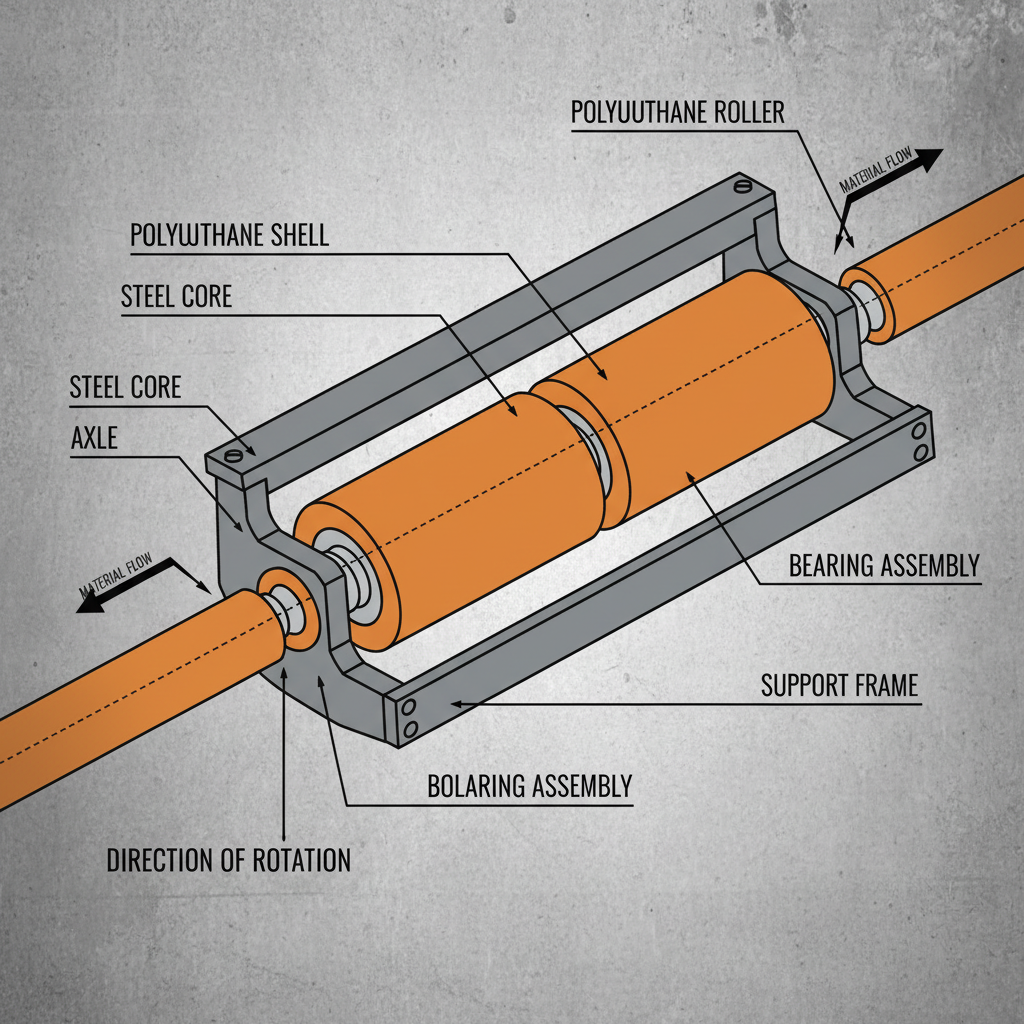
The diversity of products offered by conveyor idler manufacturers allows operators to customize their systems for specific stressors. From nylon idlers that offer extreme corrosion resistance to ceramic rollers designed for high-abrasion environments, the choice of material fundamentally alters the system's performance and lifespan.
To quantify these differences, engineers often look at friction coefficients and load-bearing capacities. A polymer roller may have a lower load capacity than a steel one, but its ability to reduce noise pollution and resist rust makes it superior for indoor food processing or pharmaceutical conveyor belts.
Performance Comparison of Idler Types from Leading Manufacturers
Global Applications and Sector-Specific Use Cases
The impact of conveyor idler manufacturers spans across diverse geographies. In the vast iron ore mines of Western Australia, impact idlers are deployed at loading points to absorb the shock of falling ore, protecting the belt from punctures. Meanwhile, in the ports of Singapore, stainless steel rollers are used to combat the corrosive effects of salt air in bulk cargo handling.
In more specialized contexts, such as remote industrial zones in Northern Canada, cold-resistant materials are utilized. Here, conveyor idler manufacturers develop rollers with specialized lubricants that do not freeze at -40°C, ensuring that the conveyor remains operational even in the harshest winters, which is critical for energy security and resource extraction.
Long-Term Value and Sustainability Benefits
Investing in high-quality components from reputable conveyor idler manufacturers yields significant sustainability gains. By reducing the frequency of replacements, companies decrease the amount of scrap steel and rubber entering landfills. Furthermore, the use of low-friction rollers directly reduces the carbon footprint of the operation by lowering the energy demand of the electric motors.
From a human-centric perspective, reliability equals safety. Seized idlers can cause belts to overheat or snap, leading to catastrophic failures that endanger workers. High-performance rollers from trusted conveyor idler manufacturers ensure a predictable, stable flow of materials, creating a safer working environment and reducing the stress on maintenance crews.
Moreover, the shift toward modular designs allows for faster replacement and easier recycling. When an idler reaches the end of its life, manufacturers are now providing ways to recover the steel shell and recycle the bearings, aligning industrial growth with circular economy principles.
Future Trends and Digital Transformation in Idlers
The next frontier for conveyor idler manufacturers is the "Smart Idler." By embedding IoT sensors within the roller assembly, manufacturers can now provide real-time data on bearing temperature and vibration. This allows operators to detect a failing idler long before it seizes, shifting maintenance from a scheduled task to a predictive necessity.
Additionally, we are seeing a surge in the use of additive manufacturing (3D printing) for custom brackets and specialized roller shells. This allows conveyor idler manufacturers to create lightweight, topologically optimized components that maintain extreme strength while reducing the total mass of the conveyor structure.
As the industry moves toward "Green Mining" and automated warehouses, the integration of magnetic levitation (Maglev) concepts and ultra-low-friction ceramics will likely redefine the role of the idler. The goal is a nearly frictionless transport system that maximizes throughput while minimizing the environmental cost of material movement.
Comparative Analysis of Idler Materials and Performance
| Material Type |
Corrosion Resistance |
Load Capacity |
Average Lifespan |
| Carbon Steel |
Low |
Very High |
2-3 Years |
| Stainless Steel |
Very High |
High |
5-7 Years |
| HDPE Polymer |
High |
Medium |
3-5 Years |
| Ceramic Coated |
Medium |
High |
8-10 Years |
| Nylon |
High |
Low-Medium |
2-4 Years |
| Composite Hybrid |
High |
High |
6-8 Years |
FAQS
When dealing with corrosive materials, look for manufacturers that specialize in HDPE, Nylon, or high-grade Stainless Steel (304 or 316). Ensure they provide certifications for chemical resistance and use sealed-for-life bearings to prevent acid or alkali ingress into the internal mechanism.
Lifespan varies by material; carbon steel rollers typically last 2-3 years in harsh conditions, while ceramic-coated or high-grade polymer options can last 5-10 years. Regular lubrication and alignment checks can significantly extend this duration.
Yes. By integrating vibration and temperature sensors, smart idlers allow for predictive maintenance. Instead of replacing rollers on a fixed schedule, you only replace those showing signs of wear, reducing labor costs and preventing catastrophic belt failures.
Carry idlers support the belt along the conveyor run to minimize sag. Impact idlers are specifically designed with rubber rings or specialized shells to absorb the energy of materials being dropped onto the belt at loading points, preventing belt damage.
In terms of pure vertical load capacity, steel is stronger. However, modern high-density polymers are engineered to handle most industrial loads while offering superior corrosion resistance, lower noise, and reduced weight, making them more efficient for many applications.
For high-tonnage operations, a monthly visual inspection for belt tracking and a quarterly physical check for bearing noise or shell wear are recommended. Using automated monitoring systems can reduce the need for manual inspections.
Conclusion
In summary, the strategic selection of conveyor idler manufacturers is a fundamental pillar of operational excellence in bulk material handling. From the precise engineering of low-friction rollers to the implementation of smart IoT monitoring and the use of corrosion-resistant materials, the quality of these components directly impacts energy efficiency, worker safety, and the total cost of ownership. By prioritizing durability and technical innovation over initial purchase price, companies can ensure a stable, sustainable, and highly productive transport system.
Looking ahead, the integration of sustainable materials and predictive diagnostics will continue to redefine the industry. We encourage facility managers to audit their current idler specifications and explore hybrid materials that offer both strength and longevity. For those seeking high-performance solutions tailored to the most demanding industrial environments, visiting a trusted expert is the first step toward optimizing your system. Visit our website: www.hgconveyorbelt.com