Selecting the right conveyor belt rollers suppliers is a critical decision that directly impacts the operational efficiency and lifespan of any material handling system. In an era where industrial throughput is the primary driver of profitability, the humble roller—often overlooked—serves as the foundational support that prevents belt sag and reduces friction. For global enterprises in mining, logistics, and manufacturing, the difference between a standard component and a precision-engineered roller can mean the difference between seamless production and costly unplanned downtime.
Across the global industrial landscape, the demand for high-performance components has surged as companies move toward automation and higher load capacities. Reputable conveyor belt rollers suppliers are no longer just vendors; they are strategic partners who provide the technical expertise needed to combat wear and tear in the most corrosive or abrasive environments. Whether it is implementing polymer rollers to reduce noise or stainless steel rollers for food-grade hygiene, the technical specifications of these components determine the total cost of ownership over the system's lifecycle.
Understanding the nuances of roller metallurgy, bearing sealing, and shell thickness allows procurement managers to optimize their supply chains. By focusing on E-E-A-T principles—Experience, Expertise, Authoritativeness, and Trustworthiness—businesses can identify conveyor belt rollers suppliers that offer not just a product, but a comprehensive solution including installation guidance and predictive maintenance schedules. This strategic approach ensures that the conveyor system remains a reliable asset rather than a maintenance liability.
Global Industry Context of Conveyor Belt Rollers Suppliers
On a global scale, the material handling industry is governed by strict ISO standards to ensure safety and interoperability. The role of conveyor belt rollers suppliers has become increasingly complex as industries transition toward "Industry 4.0," where sensors and smart components are integrated into the rollers themselves to monitor heat and vibration in real-time.
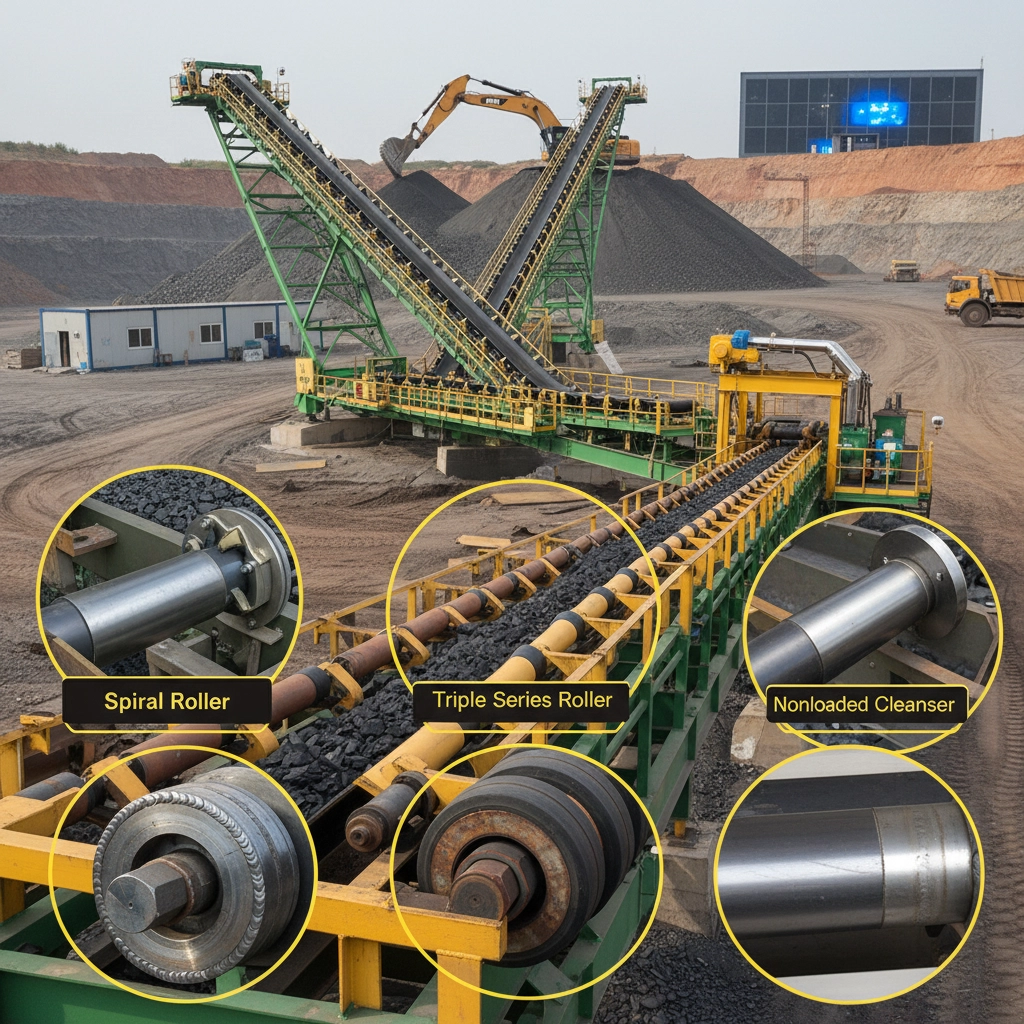
With the rise of mega-mining projects in Australia and the expansion of automated logistics hubs in North America and Asia, the pressure on roller durability has never been higher. Suppliers are now tasked with solving the "friction puzzle"—reducing the energy required to move thousands of tons of material daily while ensuring that the rollers do not fail under extreme axial and radial loads.
Defining the Role of Professional Roller Suppliers
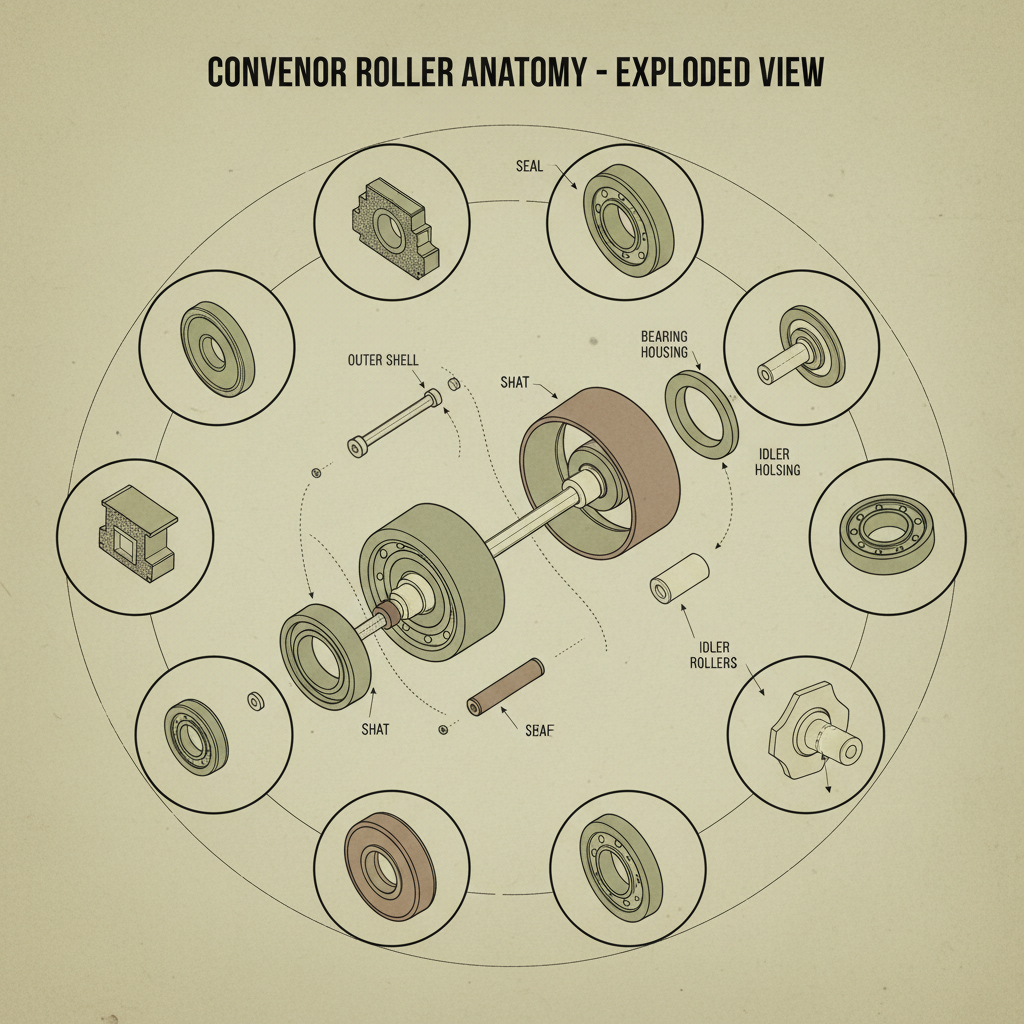
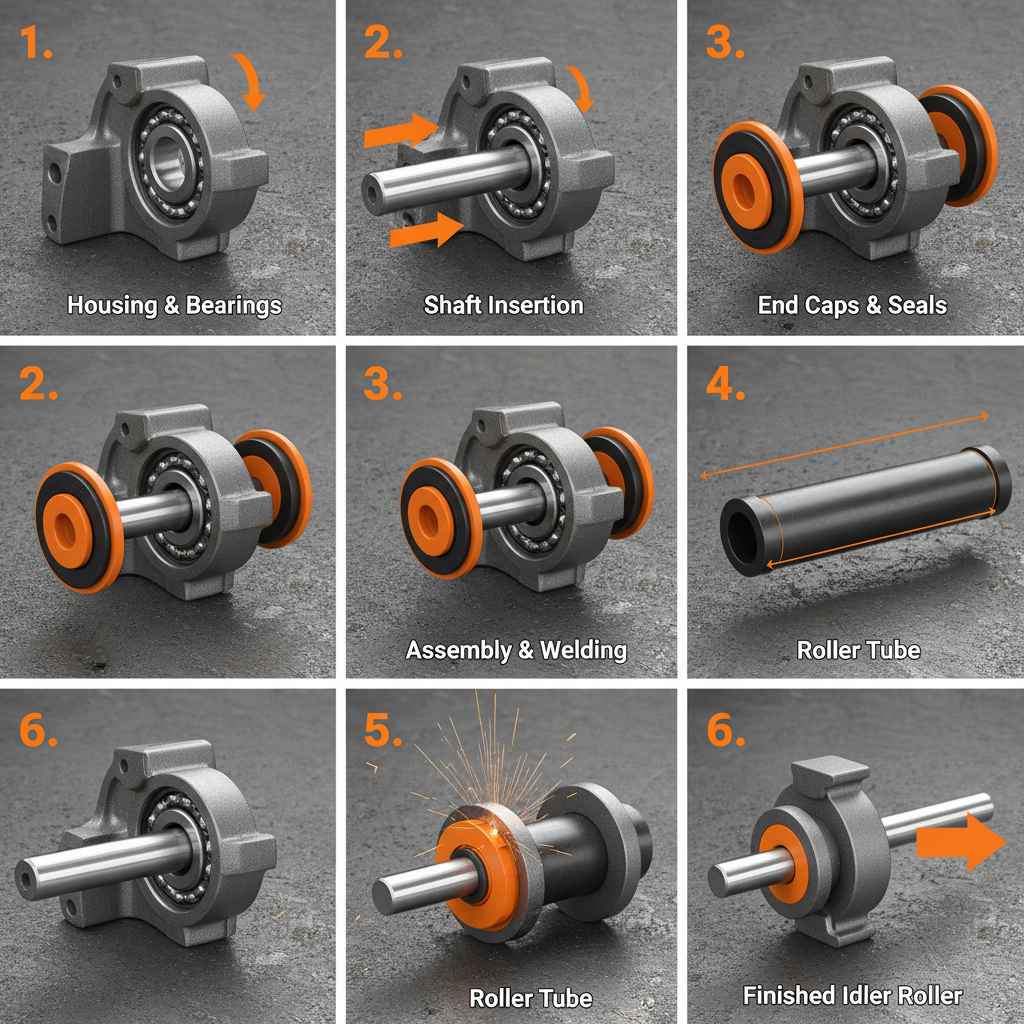
At its core, conveyor belt rollers suppliers are specialized manufacturers and distributors that provide the rotating cylindrical components—known as idlers—that support the conveyor belt and the load it carries. While they may seem like simple steel pipes, professional suppliers engineer these components with precise tolerances to ensure they rotate freely, preventing the belt from dragging and wearing prematurely.
Beyond the hardware, these suppliers serve as technical consultants. They analyze the specific environment of the end-user—whether it is a humid quarry, a freezing arctic mine, or a sterile pharmaceutical plant—to recommend the appropriate shell material, such as HDPE, rubber-lagged steel, or stainless steel. This customization is essential to prevent premature bearing failure and belt misalignment.
In the broader industrial context, these suppliers facilitate the movement of the world's essential resources. From the conveyor systems transporting coal for power plants to the belts moving parcels in e-commerce warehouses, the reliability of the rollers provided by these suppliers ensures that global supply chains remain uninterrupted and economically viable.
Core Technical Factors in Roller Selection
When evaluating conveyor belt rollers suppliers, the first critical factor is Durability and Wear Resistance. The outer shell must withstand constant abrasion from the belt and occasional impact from falling debris. Suppliers utilizing high-density polymers or specialized ceramic coatings offer significantly longer service lives in abrasive environments compared to standard mild steel.
Another pivotal element is Bearing Sealing and Lubrication. The bearing is the heart of the roller, and its failure is the most common cause of system downtime. Leading conveyor belt rollers suppliers employ multi-labyrinth seals and high-grade synthetic grease to keep contaminants like dust and moisture out, ensuring the roller maintains low rolling resistance over millions of cycles.
Lastly, Load Capacity and Structural Integrity must be matched to the application. Over-specifying leads to unnecessary costs, while under-specifying causes the roller to flatten or seize. Expert suppliers provide detailed load-bearing charts and stress analysis to ensure the roller shell thickness and axle diameter are perfectly balanced for the intended tonnage.
Comparative Performance of Supplier Material Types
Different materials provided by conveyor belt rollers suppliers offer distinct advantages depending on the operational environment. Steel rollers are the industry standard for heavy-duty mining due to their immense strength, whereas polymer (HDPE) rollers are favored in applications where weight reduction and noise mitigation are priorities.
Choosing between these materials often involves a trade-off between initial capital expenditure and long-term maintenance costs. While a premium stainless steel roller from a specialized supplier costs more upfront, it eliminates the need for frequent replacements in corrosive chemical environments, thereby reducing the overall operational expenditure (OPEX).
Material Performance Comparison from Leading Conveyor Belt Rollers Suppliers
Global Applications and Real-World Use Cases
In the realm of large-scale mining, conveyor belt rollers suppliers provide heavy-duty impact idlers that absorb the shock of massive ore chunks falling from heights. In the iron ore mines of Western Australia, for example, the use of specialized reinforced rollers has reduced belt tearing by nearly 30%, allowing for continuous operation in one of the harshest climates on earth.
Conversely, in the food and beverage industry, the focus shifts to hygiene and corrosion resistance. Suppliers provide stainless steel rollers with precision-machined surfaces that prevent bacterial buildup. These applications demonstrate that the "best" supplier is not the one with the cheapest price, but the one whose product specifications align perfectly with the environmental challenges of the site.
Long-Term Value and Sustainability Benefits
Partnering with top-tier conveyor belt rollers suppliers provides significant long-term financial value through the reduction of energy consumption. Low-friction rollers reduce the torque required by the conveyor drive, leading to lower electricity bills and a reduced carbon footprint for the facility.
Sustainability also manifests in the longevity of the components. When rollers are engineered to last twice as long, the amount of scrap steel and wasted bearing lubricant is halved. This aligns with global corporate social responsibility (CSR) goals and reduces the environmental impact associated with the manufacturing and transport of replacement parts.
From a safety perspective, high-quality rollers prevent "belt drift" and misalignment, which are leading causes of industrial accidents in conveyor galleries. The peace of mind that comes from using certified, tested components allows operators to focus on production rather than constant emergency repairs.
Future Innovations in Conveyor Roller Technology
The future of conveyor belt rollers suppliers lies in the integration of IoT (Internet of Things) technology. We are seeing the emergence of "Smart Rollers" equipped with embedded vibration and temperature sensors. These devices can alert maintenance teams to a failing bearing weeks before it actually seizes, transitioning the industry from reactive to predictive maintenance.
Furthermore, material science is evolving with the introduction of self-lubricating composites and nano-coatings. These innovations aim to eliminate the need for external grease, which not only reduces maintenance labor but also prevents lubricant leakage from contaminating the transported materials or the surrounding environment.
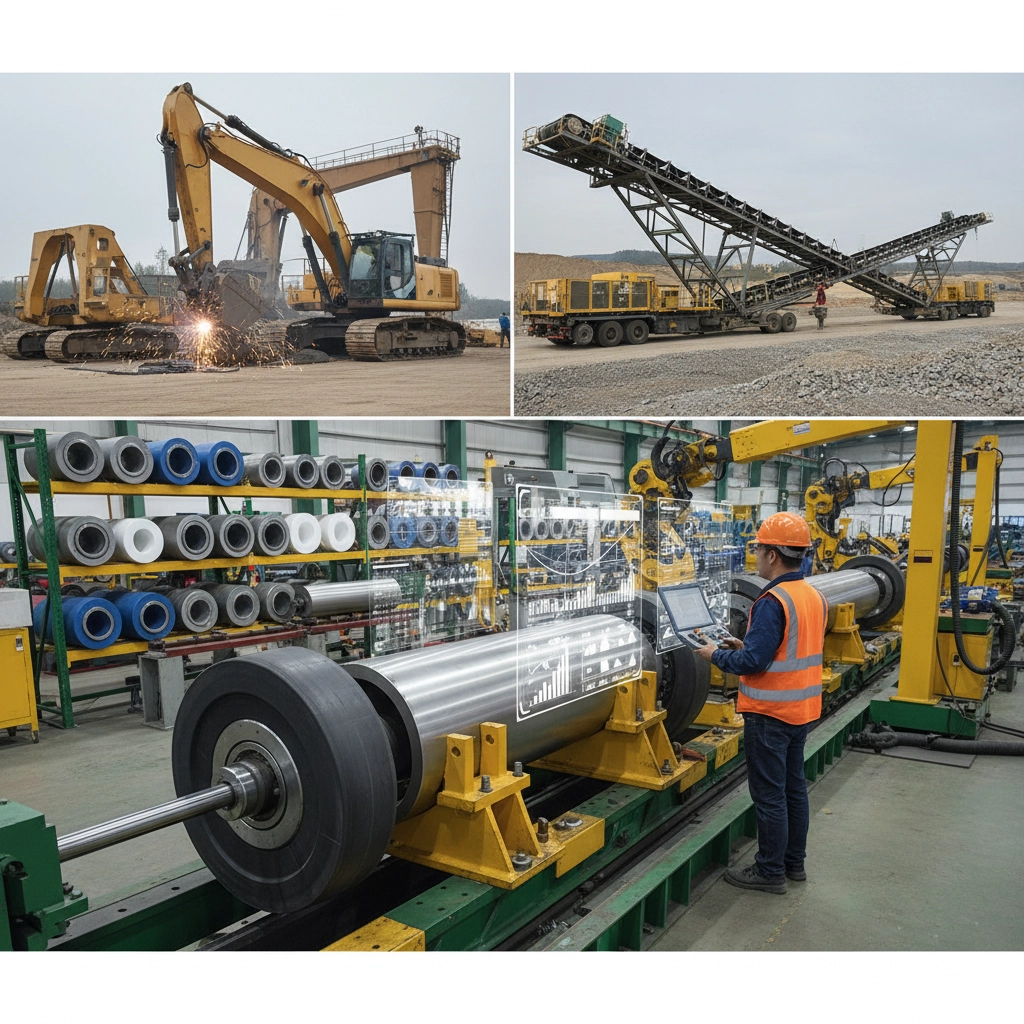
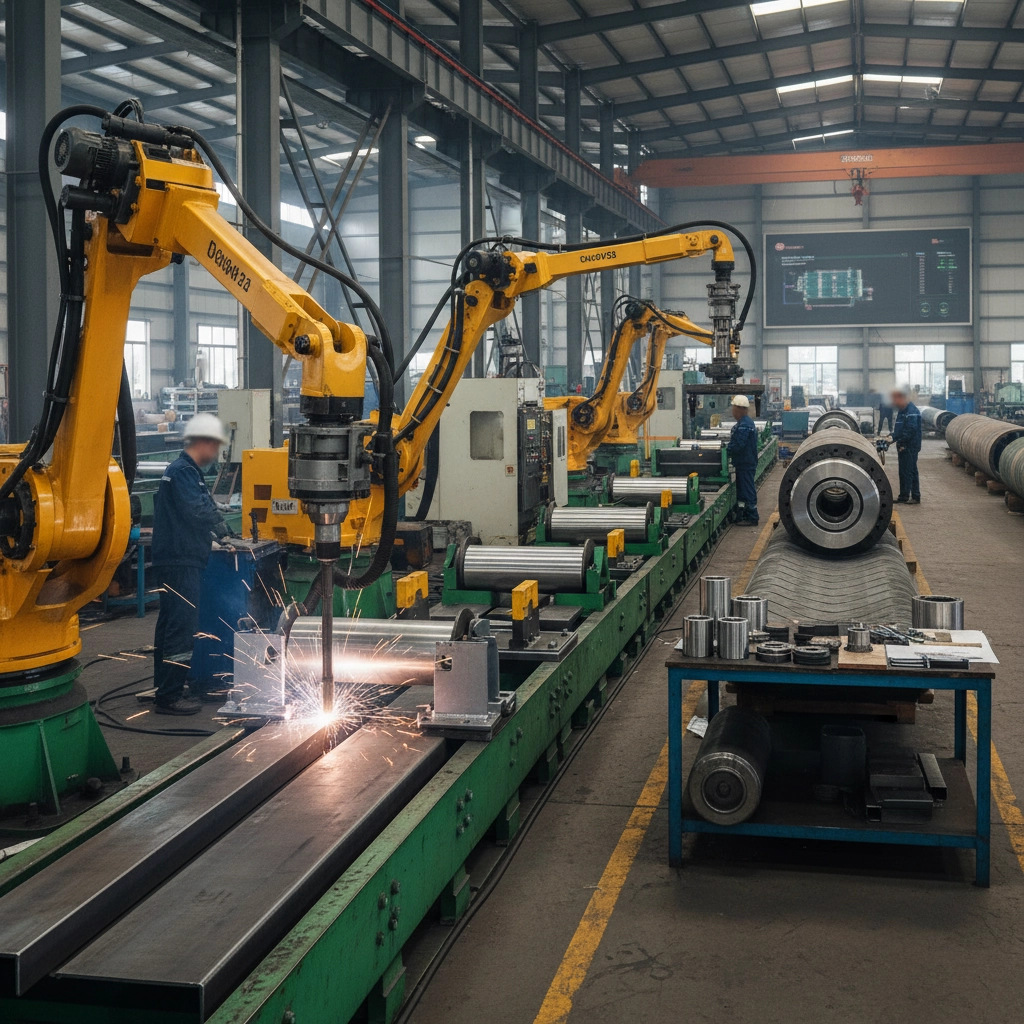
Automation in the manufacturing process of the rollers themselves is also increasing. Precision CNC machining and robotic welding ensure that every roller produced by leading suppliers has zero eccentricity, minimizing belt vibration and extending the life of the entire conveyor system.
Comparative Analysis of Roller Technology Generations
| Technology Gen |
Primary Material |
Maintenance Cycle |
Energy Efficiency |
| Traditional |
Mild Steel |
Reactive (Annual) |
Low |
| Industrial Grade |
Hardened Steel/HDPE |
Scheduled (Bi-Annual) |
Medium |
| Corrosion-Resistant |
Stainless/Polymer |
Extended (Annual) |
Medium-High |
| High-Performance |
Ceramic/Composites |
Predictive (Condition) |
High |
| Smart Roller |
Hybrid w/ Sensors |
Real-time Monitoring |
Very High |
| Eco-Sustainable |
Recycled Polymers |
Scheduled (Extended) |
High |
FAQS
For corrosive environments, look for suppliers that specialize in stainless steel or high-density polymer (HDPE) rollers. Ensure they offer specialized sealing options, such as labyrinth seals or triple-lip seals, to prevent chemical ingress into the bearings. Request material certifications to verify the grade of steel or polymer being used to ensure it is compatible with the specific chemicals present in your facility.
Lifespan varies wildly by application. In light-duty warehouses, high-quality rollers can last 5-10 years. In heavy mining, they may last 1-3 years. However, rollers from premium conveyor belt rollers suppliers typically last 40-60% longer than generic alternatives due to better bearing tolerances and shell thickness, significantly reducing the frequency of replacement shutdowns.
Generally, steel rollers have a higher ultimate load capacity. However, modern reinforced polymers can handle a significant percentage of the loads found in most medium-duty applications. The advantage of polymer rollers is their resistance to corrosion and lower weight, which reduces the strain on the conveyor structure itself. A professional supplier can provide load-rating charts to help you determine if polymer is sufficient for your tonnage.
Key warning signs include audible screeching or grinding noises (indicating bearing failure), visible "flat spots" on the roller shell, or noticeable belt misalignment (tracking issues). If you see a buildup of material around the roller axles or notice a significant increase in motor amperage, it is time to replace the idlers to prevent a catastrophic belt failure.
Yes, professional suppliers offer custom engineering services. They can adjust the shell diameter, length, and shaft specifications to fit existing legacy systems or new, specialized designs. Customization often includes adding rubber lagging for increased grip or integrating sensors for smart-monitoring systems, ensuring a perfect fit for unique industrial layouts.
While the initial cost is higher, the ROI is found in the elimination of unplanned downtime. A single hour of unplanned stoppage in a large-scale mine can cost tens of thousands of dollars. Smart rollers allow for "just-in-time" maintenance, meaning you only replace rollers that are actually failing, rather than replacing an entire set on a fixed schedule, which saves both labor and material costs.
Conclusion
Optimizing a material handling system begins with the strategic selection of conveyor belt rollers suppliers. By prioritizing technical specifications such as bearing seal integrity, material wear resistance, and load-bearing capacity over the lowest initial price, companies can dramatically increase their operational uptime and reduce the total cost of ownership. From the heavy-duty requirements of the mining sector to the sterile demands of the food industry, the right roller is the silent engine of efficiency.
As the industry moves toward a future of predictive maintenance and sustainable materials, the relationship between the end-user and the supplier will evolve into a deeper technical partnership. We recommend that plant managers conduct a comprehensive audit of their current roller failure rates to identify opportunities for upgrading to high-performance or smart rollers. Investing in quality today ensures a seamless, energy-efficient, and safe production environment for years to come. Visit our website for more professional solutions: www.hgconveyorbelt.com