- Tel: +8615128135888
- Email: hg@chinaconveyerbelt.com

Idler roller types are fundamental components in conveyor systems, facilitating the efficient and reliable movement of materials across a vast range of industries. From mining and agriculture to logistics and manufacturing, these seemingly simple rollers are critical for maintaining productivity and reducing operational costs. Understanding the diverse types available, their applications, and proper maintenance is crucial for maximizing system performance and minimizing downtime.
The global demand for efficient material handling solutions is steadily increasing, driven by expanding economies and evolving industrial processes. According to the World Bank, global trade volume is projected to continue its growth trajectory, necessitating robust and reliable conveyor systems. Idler roller types play a pivotal role in meeting this demand, influencing conveyor belt lifespan, energy consumption, and overall system capacity. Addressing challenges like wear and tear, environmental conditions, and material compatibility is key to optimizing idler roller performance.
These rollers aren't merely supporting elements; they are engineered components designed to withstand substantial loads, varying speeds, and challenging operating environments. Modern industry depends heavily on optimized conveyor systems, where the correct selection of idler roller types directly contributes to operational efficiency, safety, and sustainability. Choosing the right idler roller type is therefore paramount for achieving desired outcomes.
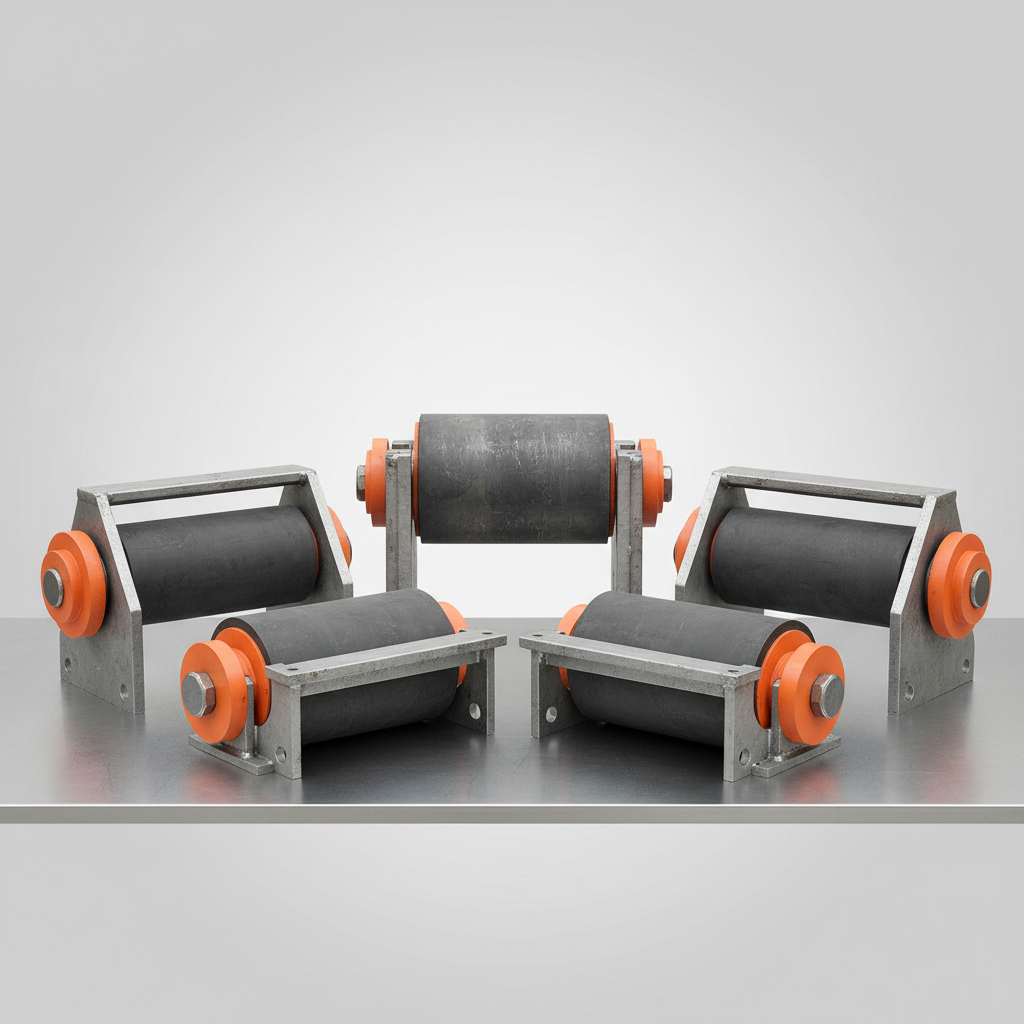
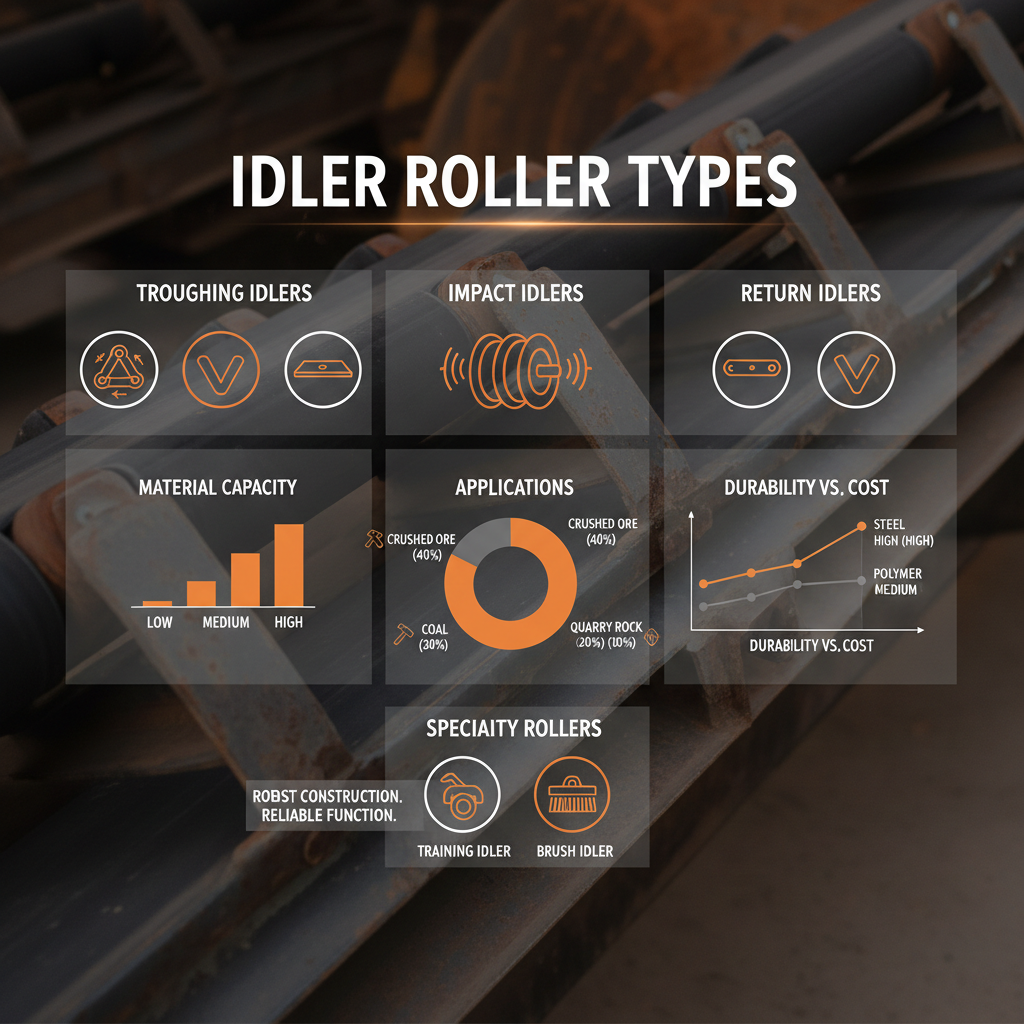
The selection of appropriate idler roller types directly impacts the efficiency, longevity, and cost-effectiveness of conveyor systems. A well-chosen roller can significantly reduce belt wear, minimize energy consumption, and prevent costly downtime. Different materials, configurations, and load capacities cater to specific operational requirements.
Investing in high-quality idler rollers and implementing a proactive maintenance schedule are essential for optimizing conveyor system performance. Factors such as material type being conveyed, conveyor speed, and environmental conditions all play a role in determining the ideal idler roller type for a given application. Proper selection and maintenance are key to maximizing return on investment.
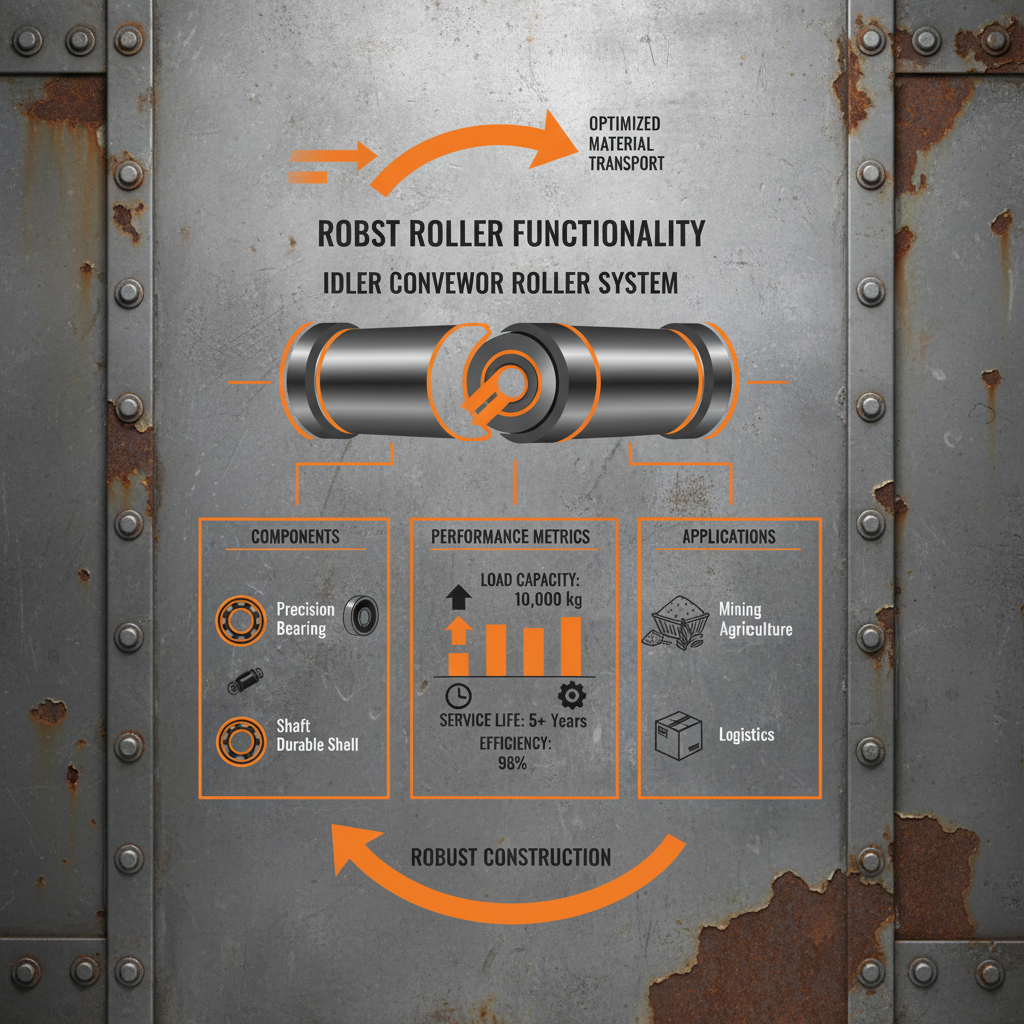
The lifespan of a standard steel idler roller varies significantly based on operating conditions, load, and maintenance. Generally, a well-maintained roller can last between 3 to 5 years. However, in harsh environments or with heavy loads, the lifespan may be reduced. Regular inspection and lubrication are crucial for maximizing roller life. Factors like material abrasion, impact forces and environmental corrosion also affect it.
Determining the correct load capacity requires careful consideration of the total weight of the conveyed material, the conveyor belt’s tension, and the number of idler rollers supporting the load. Consult manufacturer specifications and engineering guidelines to ensure that the selected rollers can safely handle the anticipated loads. It's always best to slightly overestimate rather than underestimate.
Sealed idler roller types offer significant benefits in harsh environments. The seals prevent contaminants like dust, water, and debris from entering the roller’s bearings, reducing wear and extending service life. This minimizes maintenance requirements and lowers the risk of unexpected downtime, leading to considerable cost savings.
Idler rollers should be inspected regularly, ideally as part of a preventative maintenance program. A visual inspection every 3-6 months is recommended, with more frequent checks in high-demand applications. Look for signs of wear, corrosion, misalignment, or damaged seals. Promptly replace any damaged or worn rollers to prevent further issues.
Yes, idler roller types can often be retrofitted into existing conveyor systems, although compatibility must be carefully assessed. Ensure that the new rollers have the same dimensions and mounting configuration as the existing ones. Consider factors like belt width and load capacity to ensure a proper fit and optimal performance.
Using incorrect idler roller types can significantly increase energy consumption. Rollers with high rolling resistance create more friction, requiring the conveyor motor to work harder. This translates to higher electricity bills and reduced system efficiency. Selecting rollers with low rolling resistance is crucial for minimizing energy costs and improving overall sustainability.
In conclusion, idler roller types are indispensable components of modern conveyor systems, impacting efficiency, reliability, and cost-effectiveness across numerous industries. A comprehensive understanding of the various types, their characteristics, and appropriate applications is essential for optimizing material handling processes and maximizing operational performance. Selecting the correct idler roller types is not merely a technical detail, but a strategic investment.
Looking ahead, advancements in smart technology and materials science promise even greater improvements in idler roller performance. Implementing proactive maintenance programs, embracing predictive analytics, and exploring innovative roller designs will be key to unlocking further benefits. To learn more about optimizing your conveyor system with the right idler roller solutions, visit our website: www.hgconveyorbelt.com.