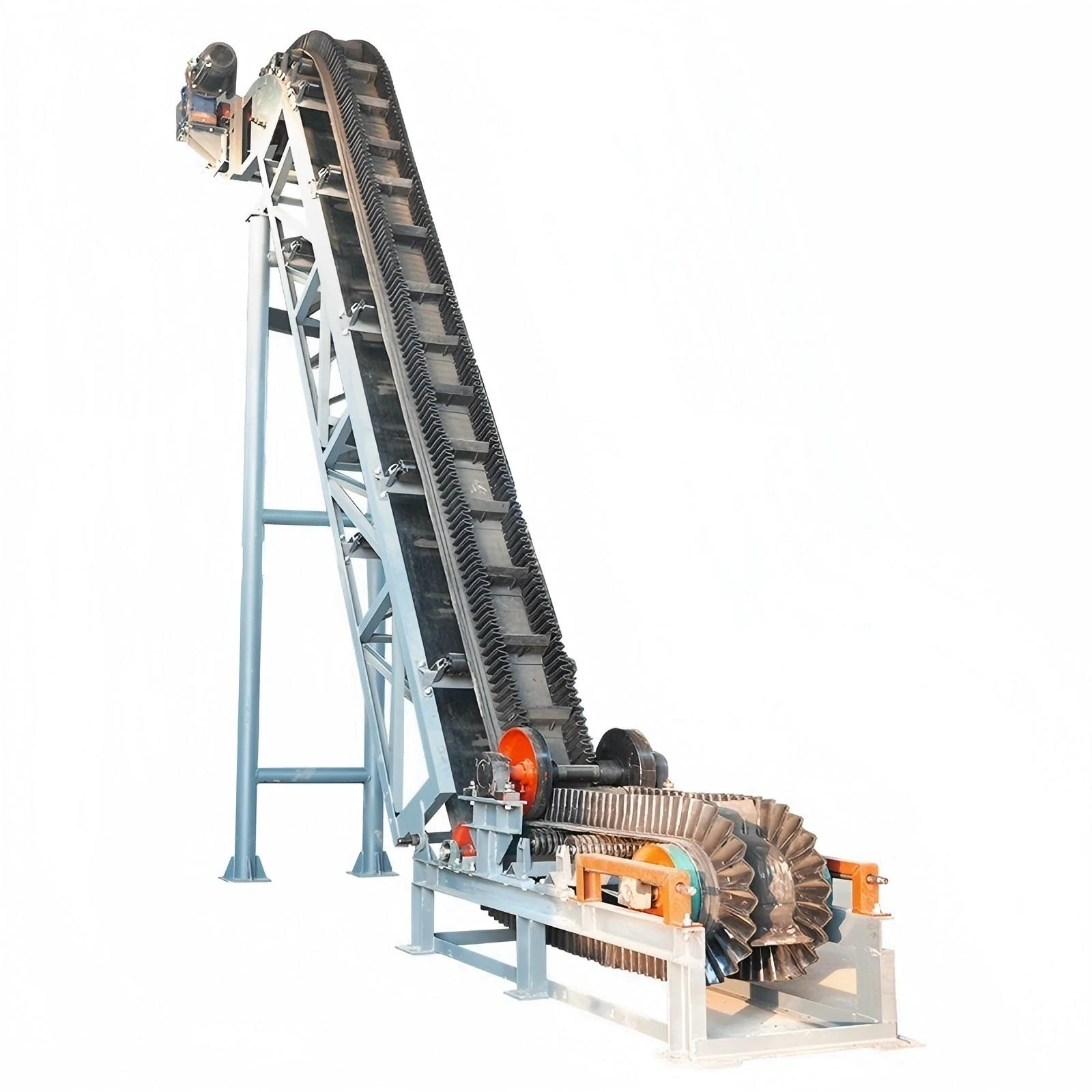
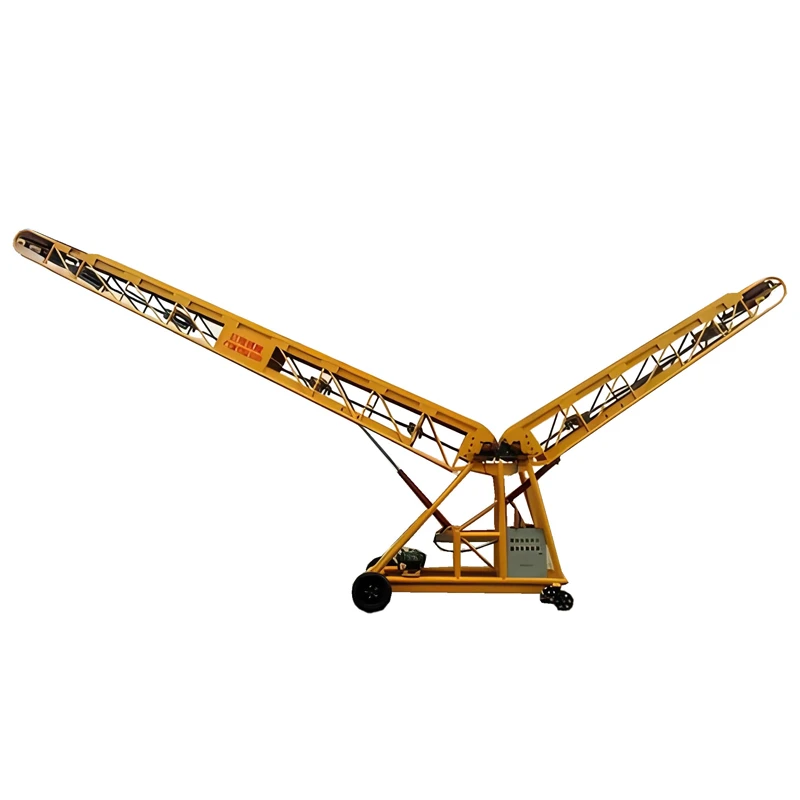
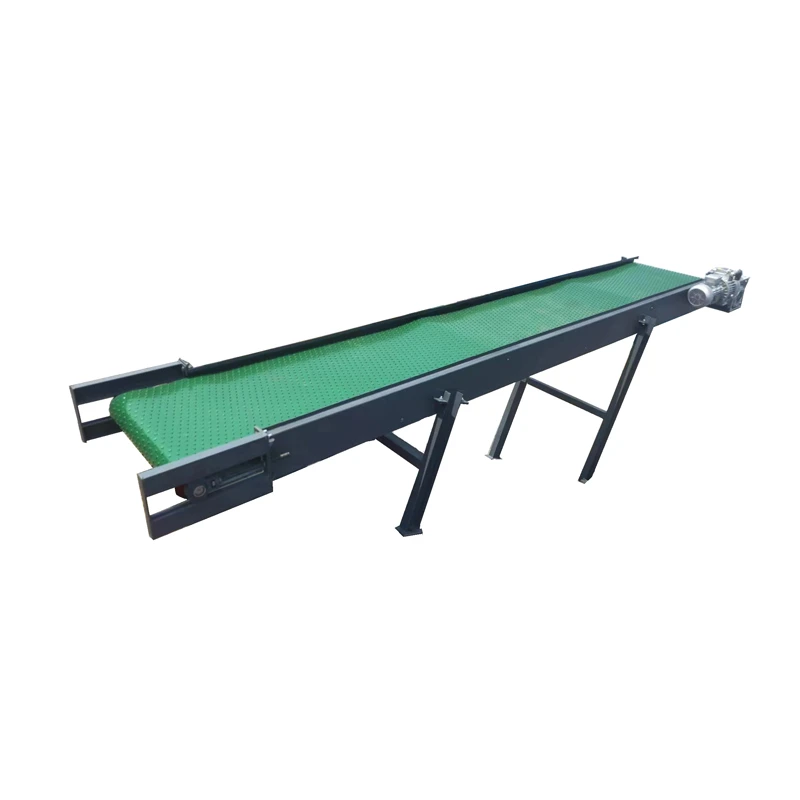
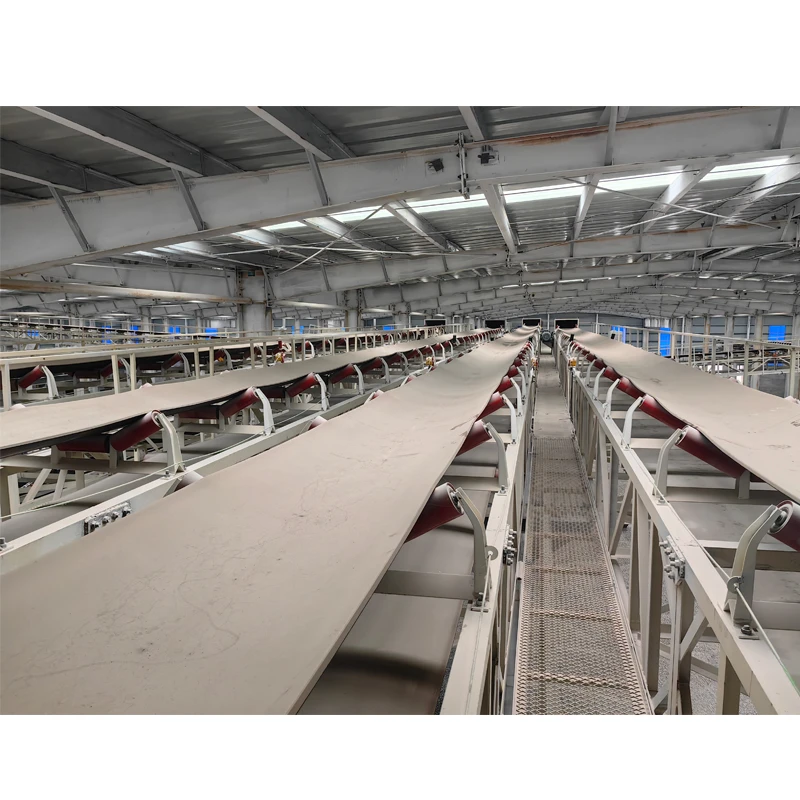
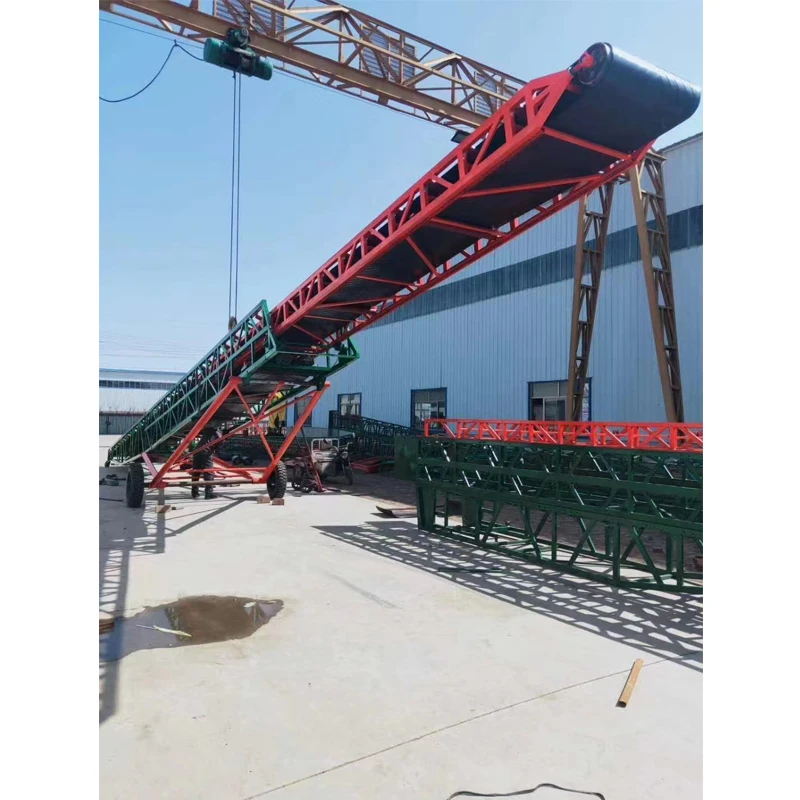
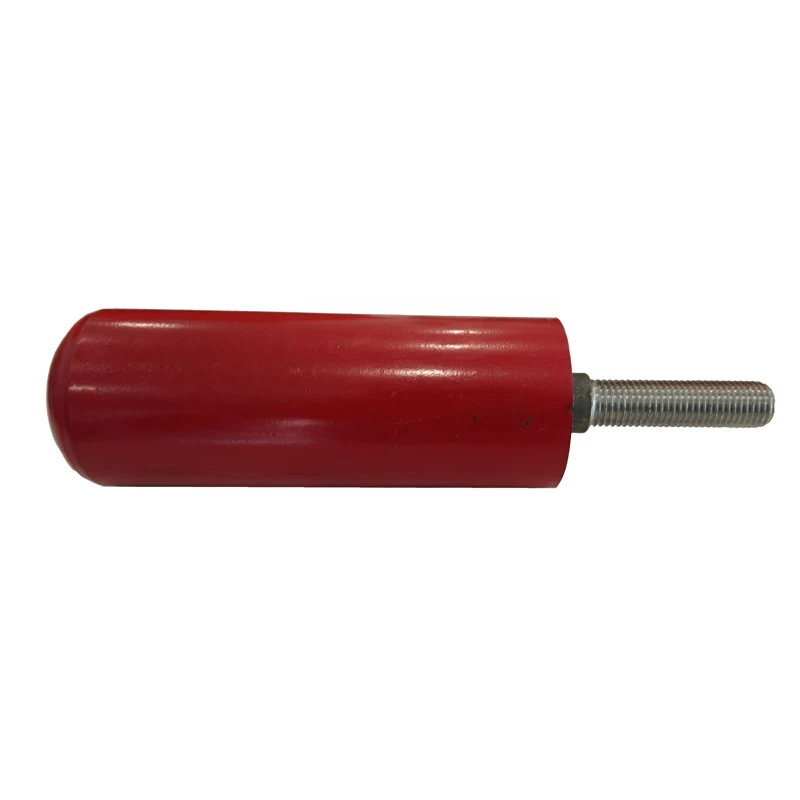
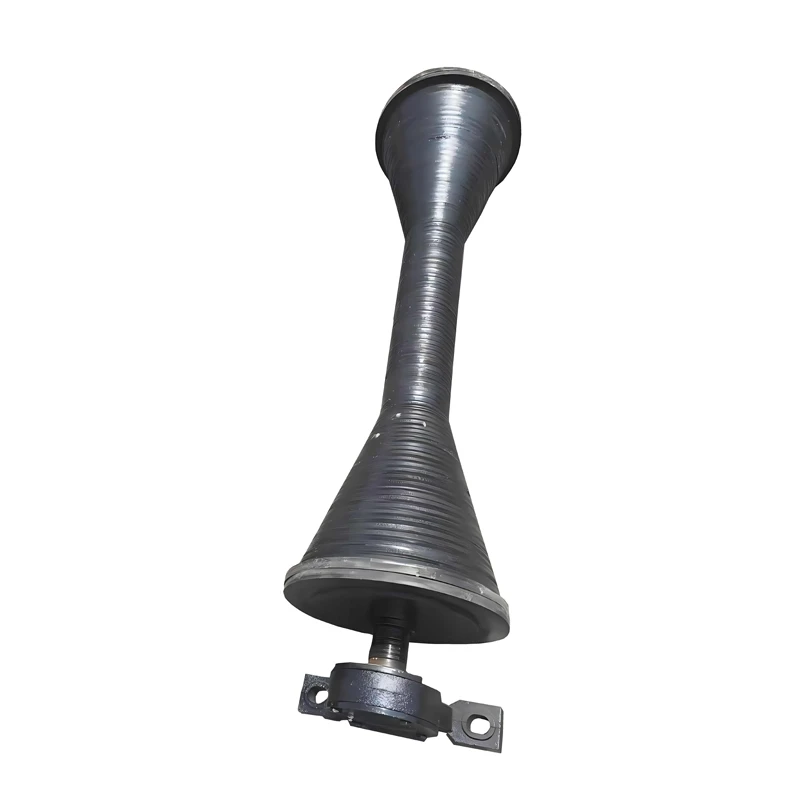
Belt width: B500-B2600, Other sizes can be customized.
Length: Customized according to the project site design.
Supporting conveyor belt materials: EP \ NN \ CC56 \ PVC \ PU, etc., can be selected.
Smooth transportation, good quality, and affordable price.
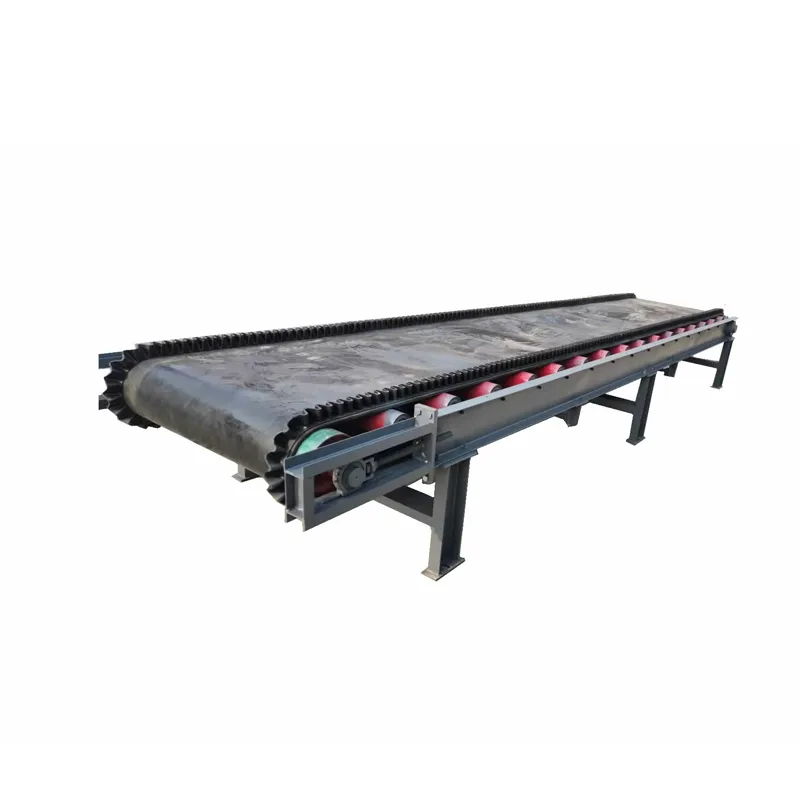
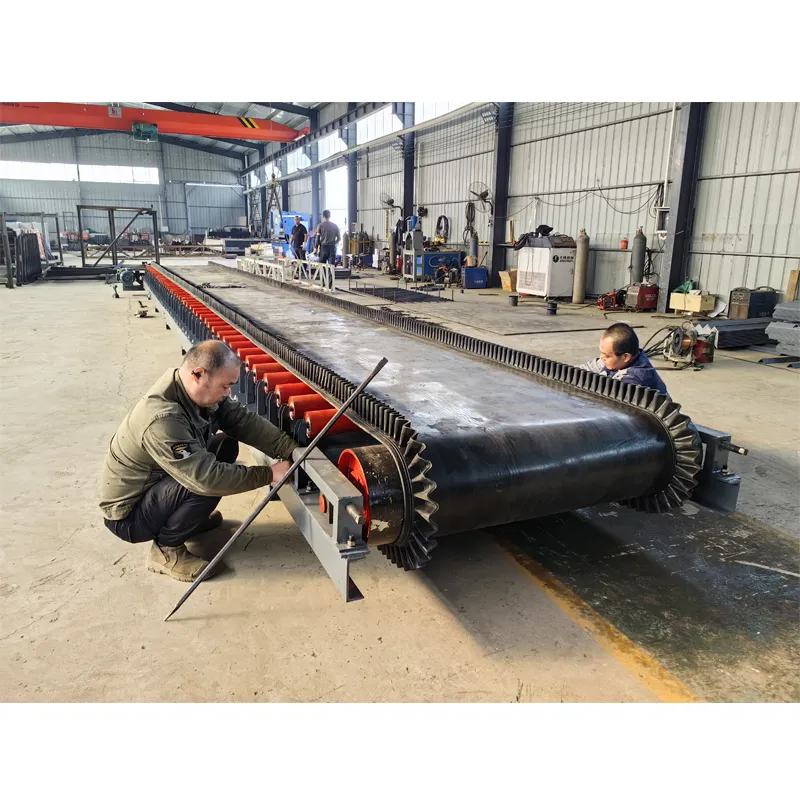
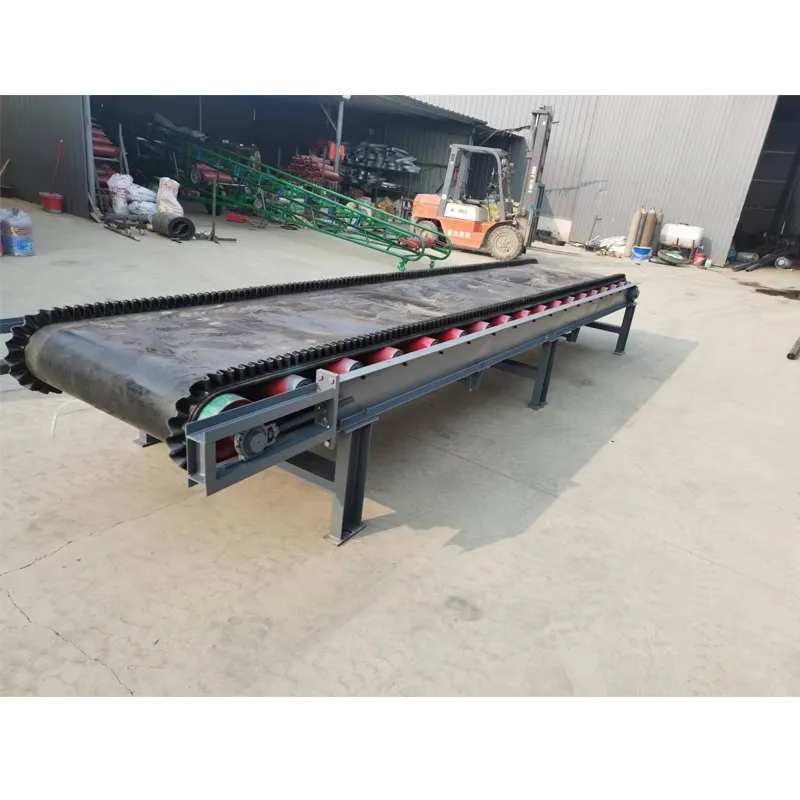
The parallel belt conveyor adopts a flat arrangement of conveyor belts, which are continuously driven by a motor driven drum to achieve smooth material transportation.
Its biggest feature is the long conveying distance, large conveying volume, and adjustable conveying speed, which can meet the high requirements of different production lines for material conveying efficiency. Compared to other types of conveyors, parallel belt conveyors are less prone to material scattering during transportation, reducing the cost increase caused by material loss while ensuring the continuity and stability of the production line.
The parallel belt conveyor has a simple structure and is easy to maintain and upkeep. As the core component, conveyor belts are usually made of wear-resistant and corrosion-resistant materials, which have good durability. At the same time, the driving device, tensioning device, and supporting structure of the conveyor are designed reasonably, with a low failure rate and relatively low maintenance costs. In addition, through reasonable installation and debugging, the service life of the conveyor can be further extended and the operating costs of the enterprise can be reduced.
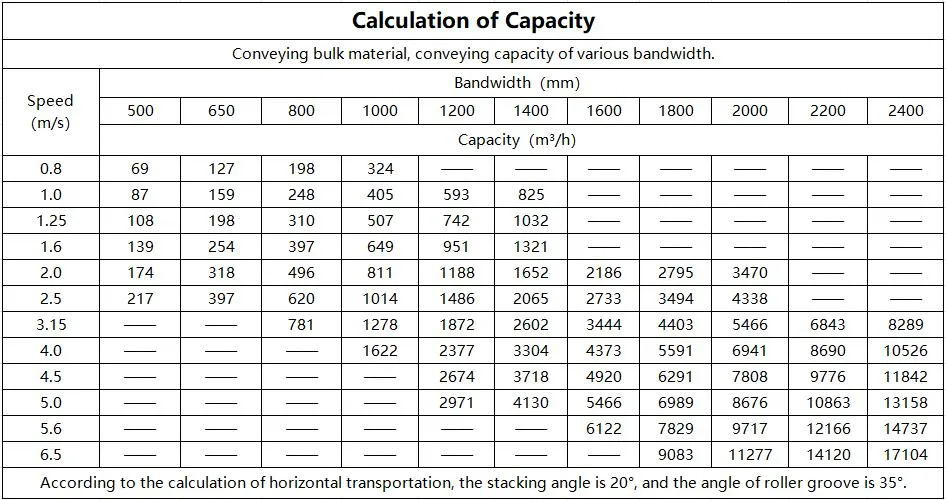
A parallel conveyor is a type of industrial conveying equipment designed for continuous and stable material transportation. It uses a flat belt arrangement where the conveyor belt runs in a horizontal direction and is continuously driven by a motor-driven drum. As a practical material handling conveyor, it is widely applied in production environments where smooth transportation, stable operation, and efficient material flow are required.
The working principle of a parallel belt conveyor is relatively simple. The driving system transfers power to the drum, which moves the conveyor belt continuously. Materials placed on the belt are transported along the designed conveying route with a consistent speed and stable movement. Compared with manual transportation methods, this type of industrial belt conveyor helps improve conveying efficiency and supports continuous production processes.
One of the main characteristics of this flat belt conveyor design is its simple horizontal structure. The flat arrangement of the belt provides a stable transportation surface, which helps reduce material scattering during operation. This makes the conveyor suitable for applications that require organized material movement and reliable product transfer.
That’s different types of conveyors for sale. The design of a parallel conveyor system can be customized according to different project requirements. The belt width can be selected from B500 to B2600, while the conveyor length can be designed based on the actual installation location and production layout. Different conveyor belt materials can also be selected according to the characteristics of the transported materials and working conditions.
As a professional conveyor equipment solution, the parallel conveyor combines stable performance with flexible configuration. Its structure allows easy integration into different production lines while maintaining efficient transportation. The reasonable design of the driving device, tensioning device, and supporting structure helps ensure reliable operation during long-term use.
For companies searching for a suitable conveyor machine, the parallel conveyor provides a practical option for various material conveying requirements. Its advantages in stable running, adjustable speed, and customizable structure make it an important part of modern industrial material handling systems.
Among most types of belt conveyor, parallel belt conveyor is designed to provide efficient and reliable transportation for industrial material handling applications. With its flat belt structure, motor-driven operation, and flexible configuration, this type of conveyor equipment can support continuous production processes that require stable material movement.
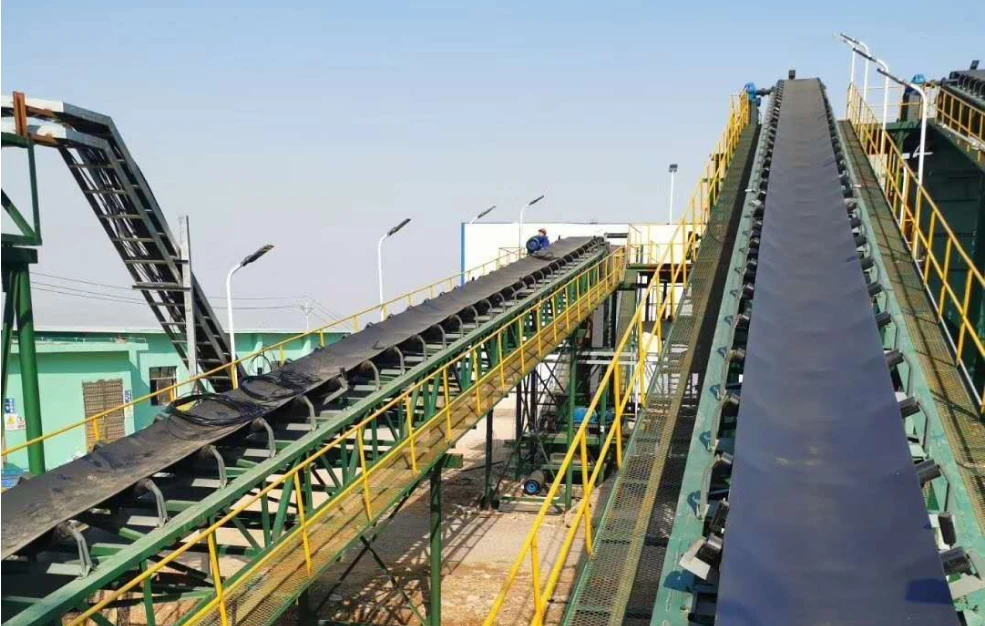
One of the most important advantages of a parallel conveyor is its ability to handle long conveying distances and large conveying volumes. The continuous operation of the motor-driven drum allows materials to move smoothly over extended distances without frequent interruption. This feature makes it suitable for production environments where maintaining a stable material flow is essential.
Another key feature of this industrial belt conveyor is adjustable conveying speed. Different production lines may require different transportation speeds depending on workflow requirements. By adjusting the operating speed, the conveyor can better match different material handling processes and improve overall production efficiency.
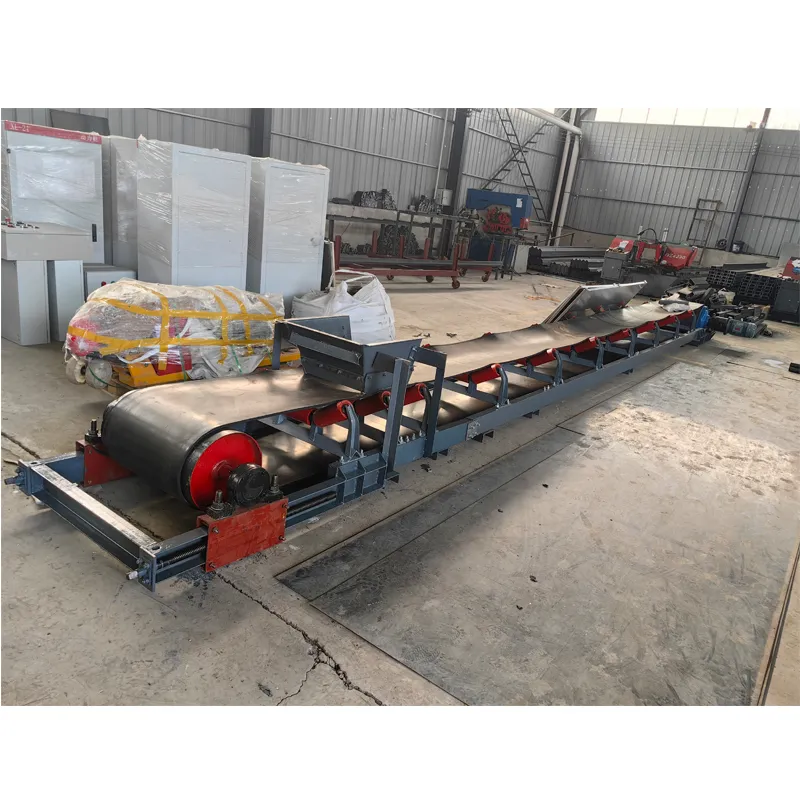
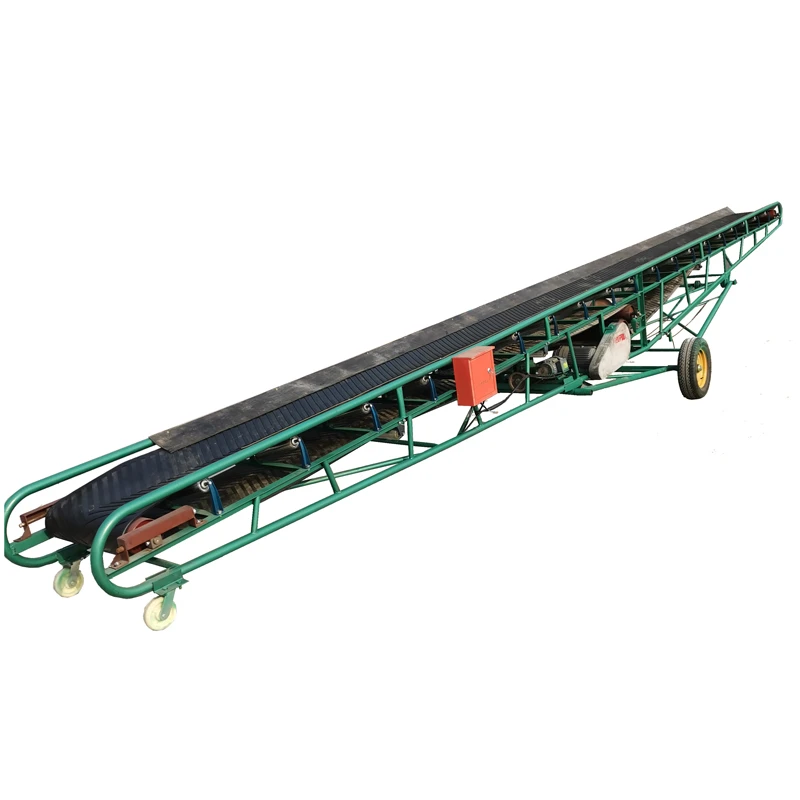
The simple structure of the material handling conveyor also provides advantages in operation and maintenance. The conveyor mainly consists of a driving device, tensioning device, supporting structure, and conveyor belt. Because of its practical design, daily inspection and maintenance procedures are relatively convenient, helping reduce unnecessary downtime.
The stable transportation performance of the flat belt conveyor helps minimize material scattering during conveying. The flat belt surface along with the stable parallel bracket allows materials to move smoothly along the conveying path, improving transportation consistency. This is especially useful for production systems that require continuous and organized material movement.
In addition, the parallel conveyor can be equipped with different belt materials according to application requirements. Options such as EP, PVC, and PU provide flexibility for different operating conditions. By selecting the appropriate belt material, users can achieve better compatibility between the conveyor and transported materials.
For companies looking for reliable conveyor system solutions, a parallel belt conveyor provides a combination of efficiency, flexibility, and practical maintenance. Its stable structure and customizable design make it suitable for many industrial conveying requirements.
The structure of a parallel conveyor system is designed to provide stable material transportation through a simple and efficient mechanical arrangement. Each component works together to ensure smooth belt movement and reliable conveying performance during continuous operation.
The conveyor flat belt is the core part of this conveyor machine, providing the transportation surface where materials are placed and moved. These different belt options allow the equipment to adapt to different material characteristics and operating conditions.
The driving device is another essential component of the parallel conveyor. Through the motor-driven drum, the system generates continuous belt movement and provides the power required for material transportation. The stable operation of the driving mechanism directly affects the overall performance of the conveyor equipment.
The tensioning device is responsible for maintaining proper belt tension during operation. Suitable belt tension helps ensure smooth movement and reduces the possibility of unstable belt running. Together with the supporting structure, it provides the necessary foundation for long-term operation.
As a practical industrial conveyor system, the parallel conveyor focuses on reliability and easy maintenance. The reasonable arrangement of components makes inspection and maintenance more convenient, while the simple structure reduces unnecessary complexity compared with more complicated conveying solutions.
The supporting structure provides stability for the entire material handling conveyor. It helps maintain the correct position of the conveyor belt and supports continuous operation under different working conditions. With proper installation and adjustment, the conveyor can maintain stable transportation performance.
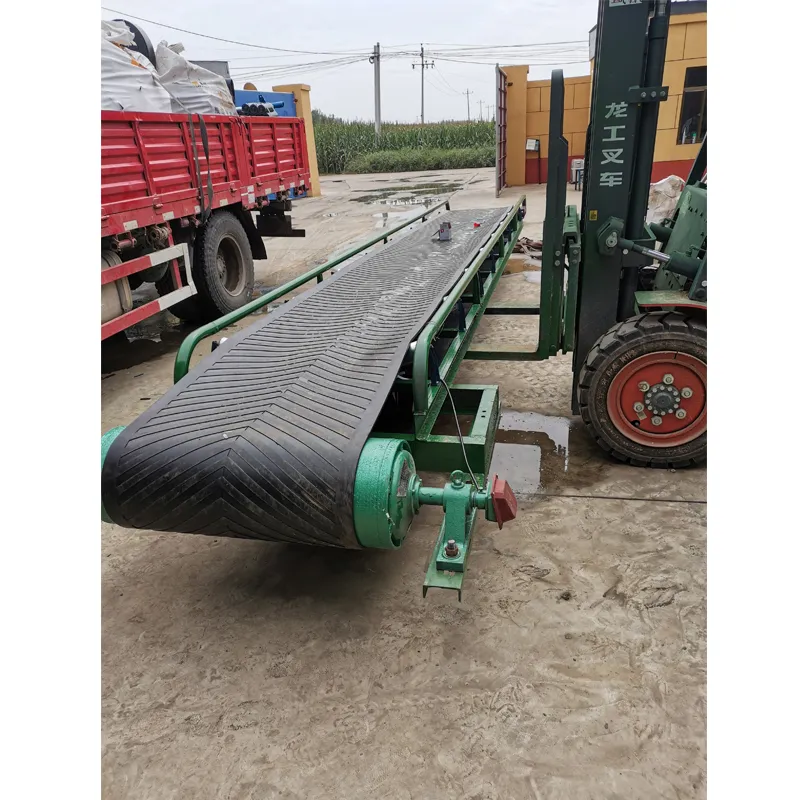
For different projects, the structure of a parallel conveyor system can be customized according to site requirements with different conveyor belt rollers and belts. Parameters such as belt width, conveyor length, and belt material can be adjusted to meet different production layouts. This flexibility allows the equipment to become an effective solution for various material transportation applications.
A parallel conveyor is widely used in industrial environments where continuous and stable material transportation is required. Its flat belt design, adjustable operating speed, and customizable structure make it suitable for different production and material handling processes.
In manufacturing facilities, the parallel belt conveyor can be integrated into production lines to support continuous workflow. It helps transport materials between different processing stages while maintaining smooth and organized movement. The stable conveying performance allows manufacturers to improve transportation efficiency and reduce manual handling requirements.
As a reliable material handling conveyor, the parallel conveyor is suitable for applications where materials need to be moved over specific distances. The flat belt arrangement provides a stable transportation surface, allowing products and materials to remain in position during movement.
The flexibility of this conveyor equipment makes it adaptable to different industrial layouts. Since the conveyor length can be customized according to the project site, it can be designed to match different installation conditions. The adjustable conveying speed also allows the equipment to meet different production requirements.
In logistics and general industrial transportation environments, a belt conveyor system provides a continuous solution for moving materials efficiently. And sometimes using belt cleaner in the factory during the production. The parallel conveyor design focuses on smooth transportation and reliable operation, making it suitable for companies that require consistent material flow.
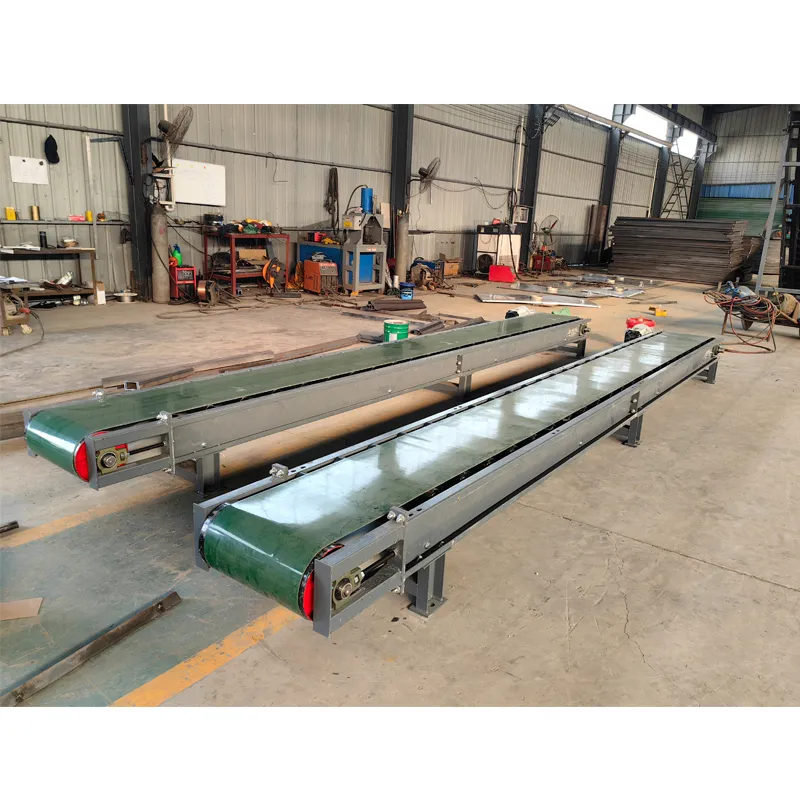
Parallel conveyors deliver stable material transfer across multistation processing lines, realizing synchronized side-by-side transport for bulk goods, finished parts and packaged products. Featuring modular frames, the units can be extended, combined or split to fit site layouts, throughput targets and workflows. Flexible speed tuning coordinates with adjacent equipment to reduce jams and boost line efficiency, with sturdy frames ensuring dependable continuous-operation performance for production, sorting and packaging.
For companies working with professional belt conveyor manufacturers, customized solutions can be developed based on specific production needs. The parallel conveyor offers a practical combination of simple structure, stable performance, and flexible design, helping businesses improve their material transportation processes.
Different industrial projects have different requirements for conveying distance, belt width, installation space, and transportation capacity. Therefore, customized design is an important part of selecting the right types of belt conveyor solution. Professional manufacturers provide flexible configurations to ensure that the conveyor matches the actual working environment.
HG provides customized parallel conveyor solutions according to customer requirements. The belt width can be customized from B500 to B2600, while the conveyor length can be designed based on the actual project layout. This allows the equipment to fit different production lines and material transportation requirements.
The selection of conveyor belt materials is also an important customization option. Customers can choose belt materials according to the characteristics of transported materials and operating conditions. Suitable belt selection helps improve the overall performance and reliability of the conveyor system.
Experienced belt conveyor manufacturers focus on providing complete solutions rather than only standard products. Factors such as conveying distance, material type, production requirements, and installation conditions should all be considered during the design process.
For customers comparing different belt conveyor suppliers, customization capability, manufacturing experience, and product quality are important factors. A professional supplier can provide technical suggestions and help customers select suitable conveyor configurations.
The final investment of a belt conveyor system depends on different factors, including conveyor size, belt material, structure design, and customization requirements. Selecting the right solution helps companies achieve stable transportation performance while controlling long-term operating costs.
As a reliable conveyor equipment provider, HG focuses on delivering practical and customized parallel belt conveyor solutions. With flexible design options and professional manufacturing capabilities, our conveyors are designed to support efficient material transportation for different industrial applications.
Engineered with perfectly synchronized belts and advanced control systems, our parallel conveyor ensures smooth, jam-free material transfer. The heavy-duty construction withstands continuous operation while maintaining precise alignment of both conveyor belts.
Let's Get in Touch!
Send us a message and let our experts assist you with tailored solutions.