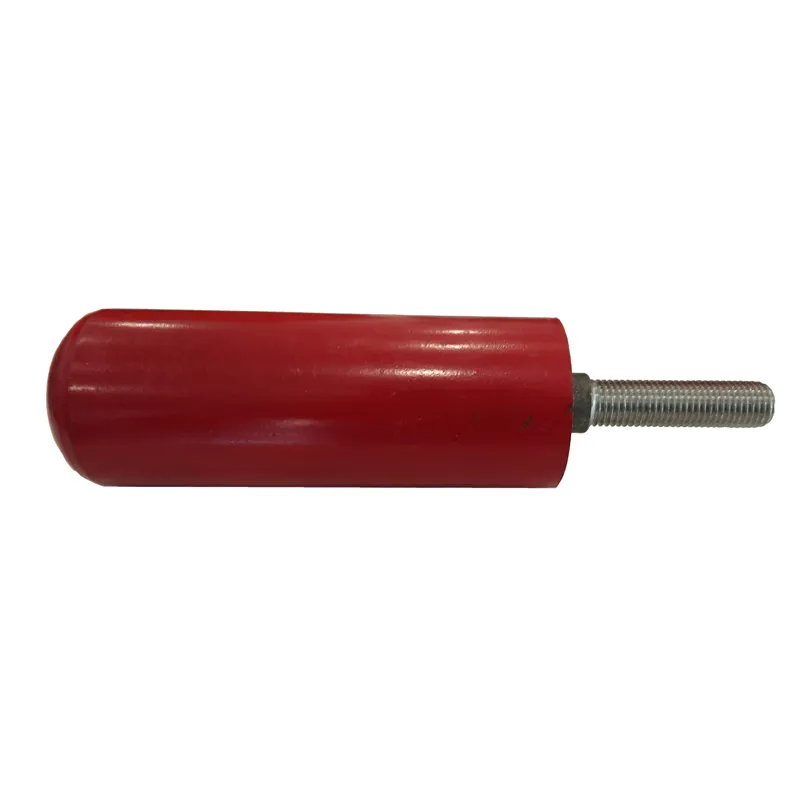
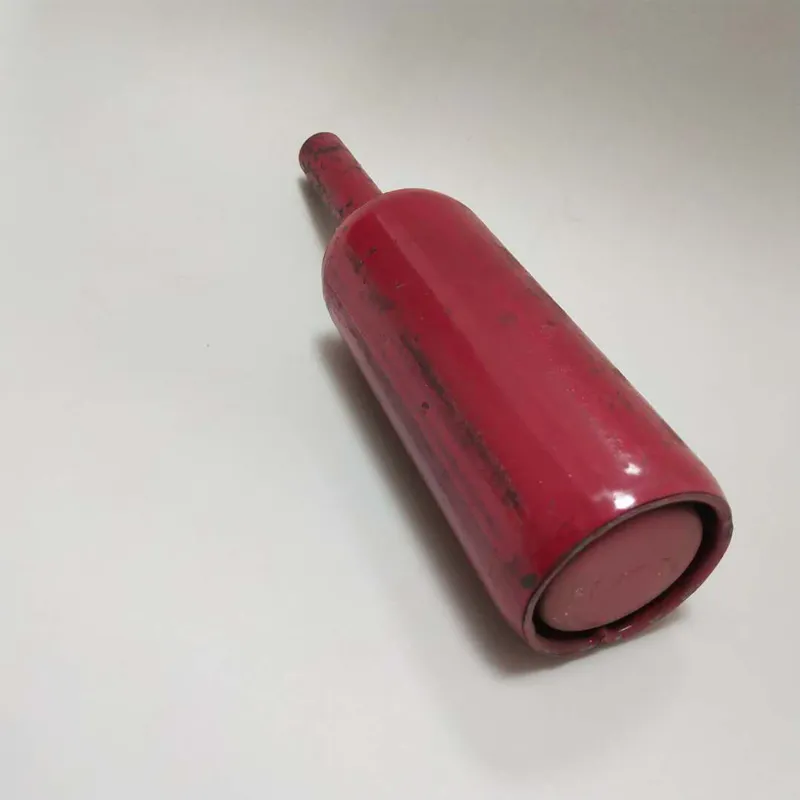
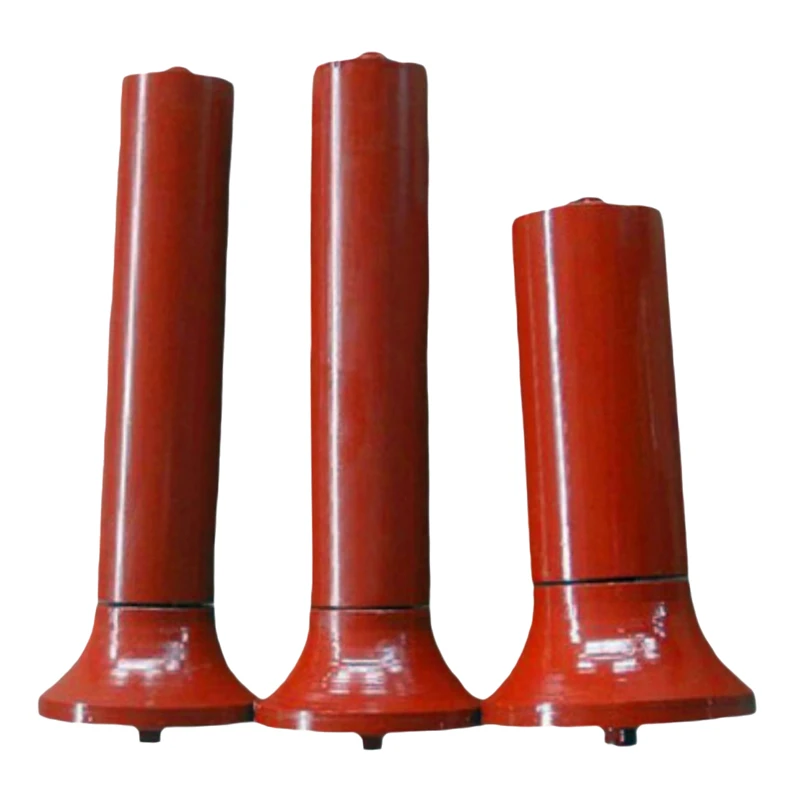
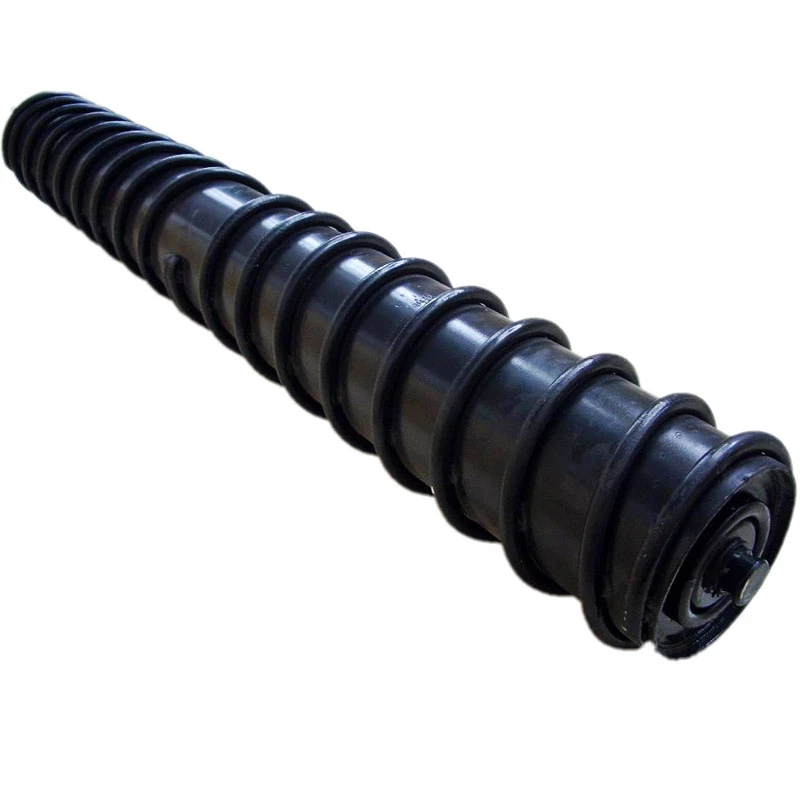
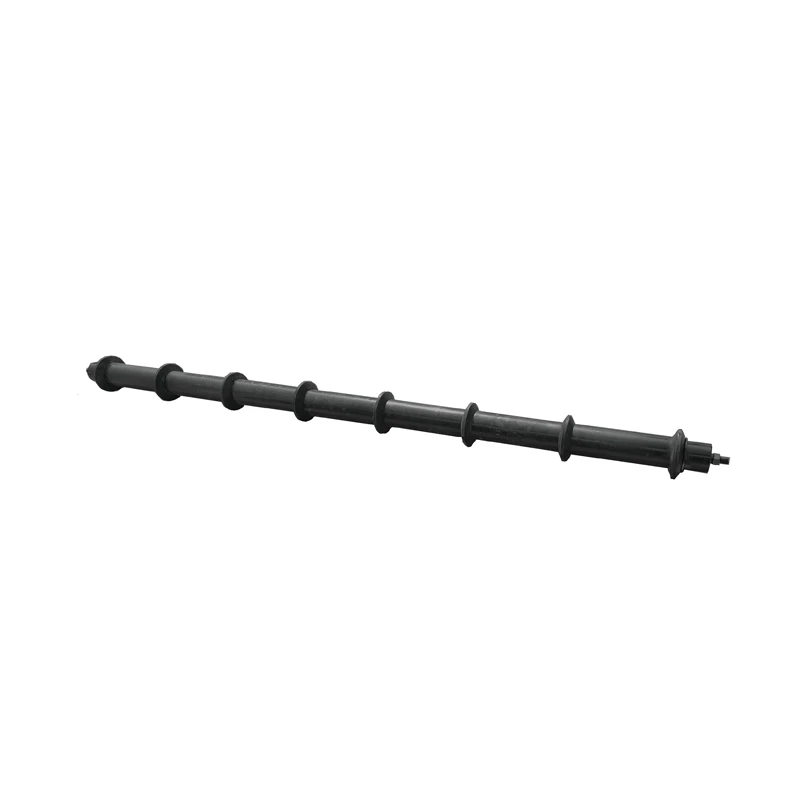
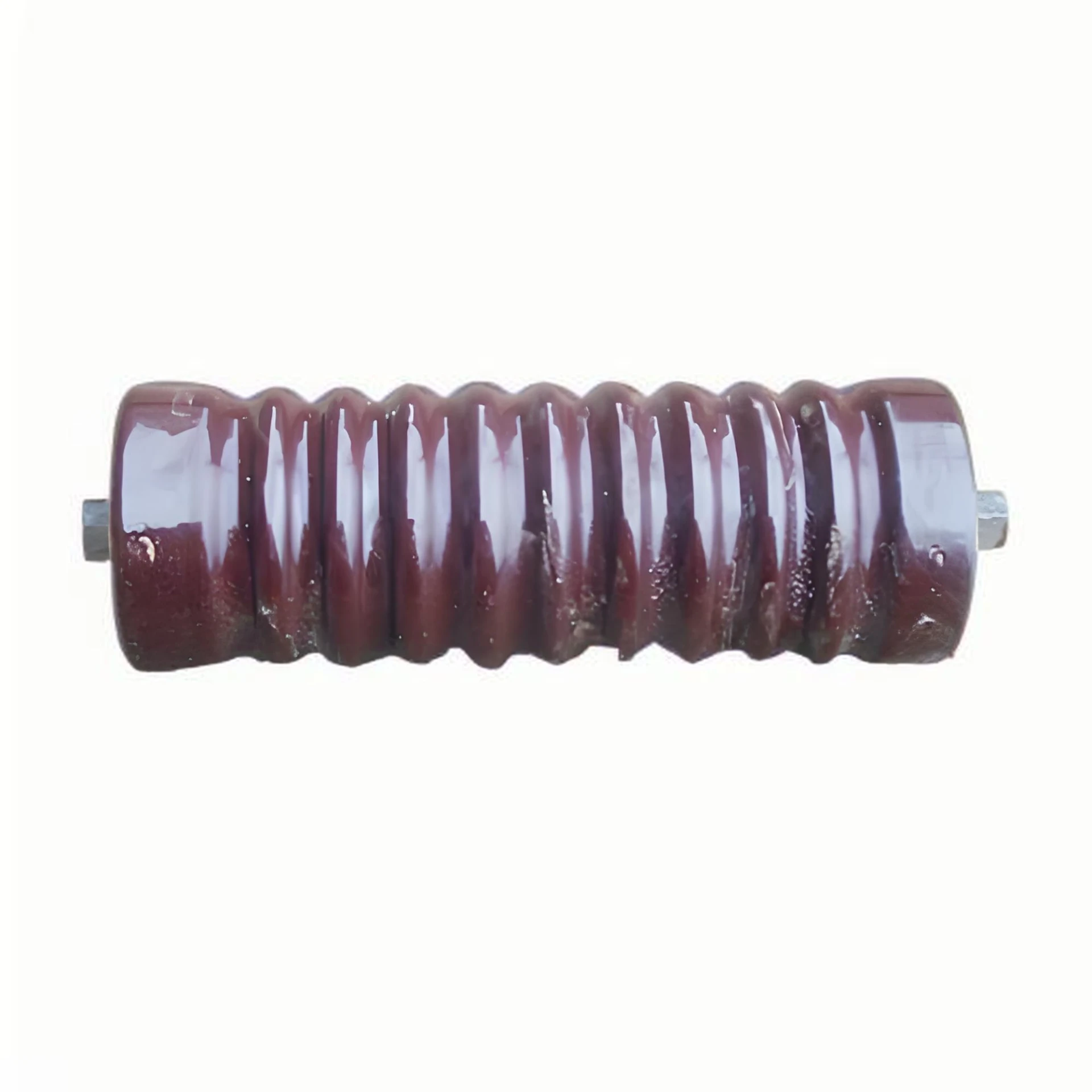
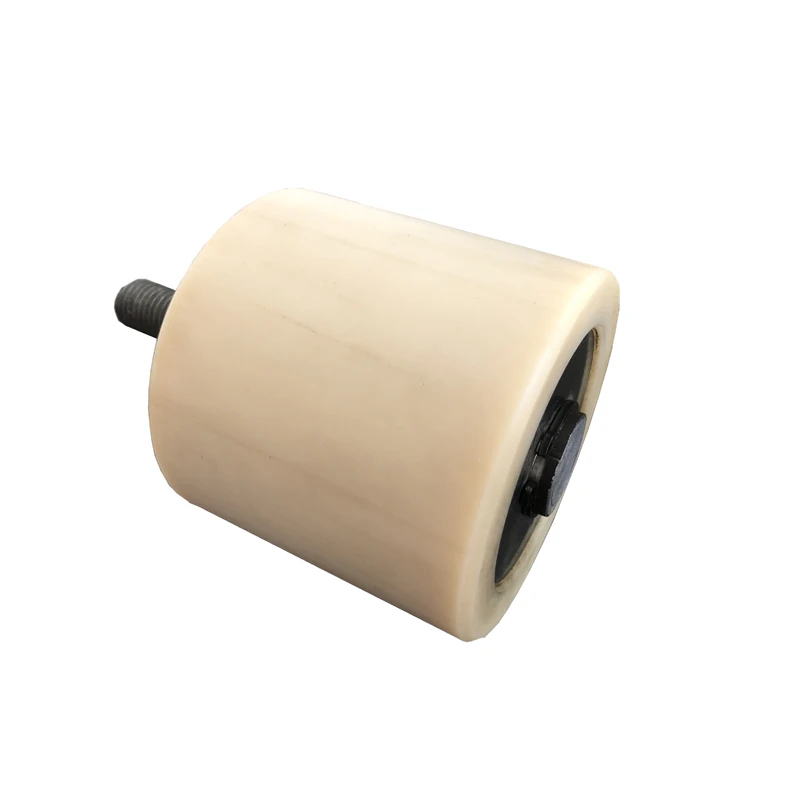
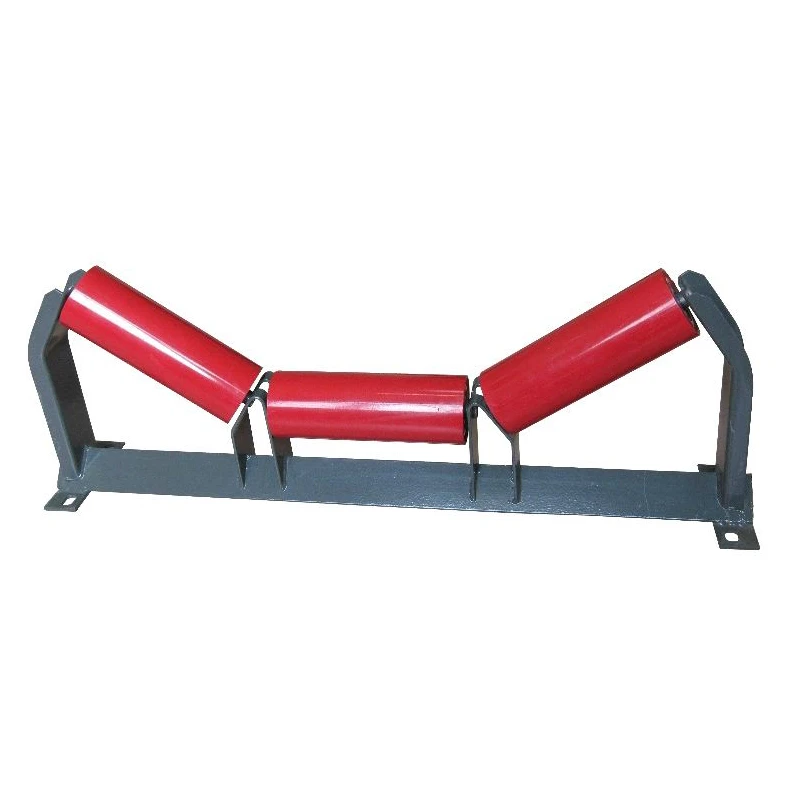
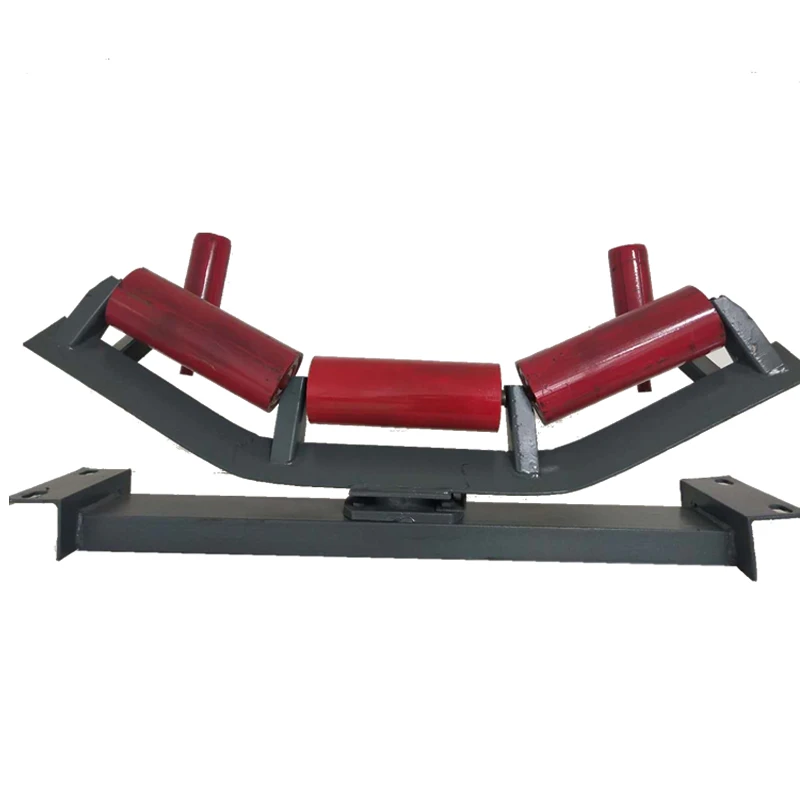
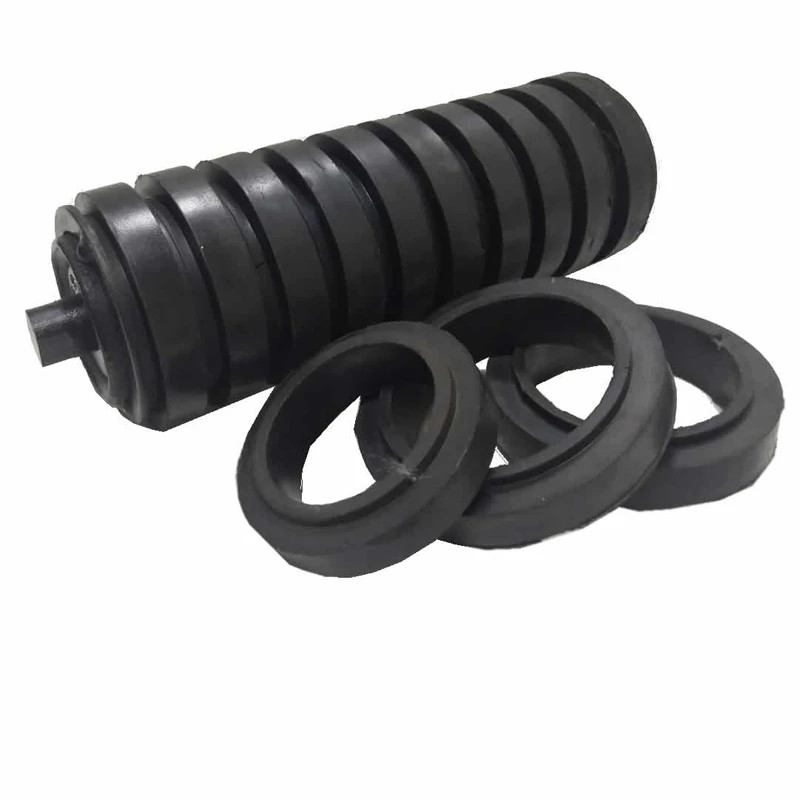
Belt conveyor barrier roller, also known as vertical roller, is a device mainly connected to the centering bracket and is usually installed on both sides of the belt conveyor.When the conveyor belt deviates, one side of the stop roller is compressed. The stop roller rotates around the rotating shaft on the rotating mechanism through the motion rod, and the shaft drives the tension rod to rotate. Finally, the tension rod pushes the entire roller group to rotate by an angle, causing the conveyor belt to return to its normal position.
The Role Of The Roller In The Belt Conveyor Is Mainly Reflected In The Following Aspects:
Correction: When the belt deviates during the conveying process, the stop roller can forcibly correct the belt by rotating itself, returning it to the correct running trajectory.
Adjusting tension: By cooperating with the tension regulator, the stop roller can adjust the tension of the belt, ensuring that the belt operates at the appropriate tension state, thereby ensuring the stable operation of the conveyor.
Buffer impact: The blocking roller can play a role in buffering and shock absorption, reducing the impact force of materials on the belt and ensuring the smooth transportation of materials.
In addition, the number and arrangement of blocking rollers will have an impact on the performance of the belt conveyor. Generally, the more blocking rollers there are, the less likely the material resistance is to be reduced, resulting in low energy consumption and minimal changes in belt speed. The arrangement of the blocking roller affects the falling position and unloading speed of the material.
A vertical roller, also known as a belt conveyor guide roller or conveyor guide roller, is an important component used in belt conveyor systems to help maintain stable belt operation. It is mainly installed on both sides of the belt conveyor and connected with the centering bracket. The primary function of the vertical roller is to guide the conveyor belt and prevent belt deviation during material transportation.
During continuous conveying operations, the conveyor belt may gradually move away from its normal running path due to uneven loading, material impact, or changes in operating conditions. When belt deviation occurs, the belt contacts one side of the vertical roller. The roller rotates around its shaft through the force generated by belt movement, helping guide the belt back toward the correct position. Through this self-adjusting process, the vertical roller helps maintain the normal tracking of the conveyor belt.
Unlike standard carrying rollers that mainly support the weight of conveyed materials, vertical guide rollers are designed for belt alignment control. They work together with other conveyor components to improve the stability of the entire conveying system. As one of the commonly used guide rollers for conveyors, the vertical roller provides a simple and effective solution for reducing belt misalignment problems.
In a belt conveyor system, proper belt tracking is essential for stable operation. A suitable guide roller arrangement can help reduce unnecessary belt movement and support smoother material handling performance. The installation position, quantity, and arrangement of vertical rollers may affect the belt guiding effect and the overall operation of the conveyor.
HG provides belt conveyor barrier rollers designed for conveyor belt guiding applications. Our vertical rollers are suitable for different belt conveyor systems where reliable belt alignment control is required.
Belt deviation is one of the common issues that can affect the stable operation of conveyor systems. When the conveyor belt moves away from its designed running path, it may influence conveying efficiency and increase the need for adjustment and maintenance. Installing a vertical roller provides an effective way to guide the belt and help keep it running in the correct direction.
The main advantage of using vertical guide rollers is their ability to correct belt tracking during operation. When the conveyor belt contacts the roller, the rotation of the roller provides a guiding force that helps the belt return to its normal position. This function makes the guide roller an important component for improving belt conveyor stability.
In addition to belt correction, the vertical roller also works with the conveyor rollers structure to support smoother operation. By controlling excessive lateral movement of the belt, guide rollers for conveyors can help maintain a more stable conveying process. The roller design allows it to rotate with belt movement, reducing resistance while providing continuous guiding support.
The performance of a belt conveyor depends not only on the conveyor belt itself but also on the correct selection and arrangement of supporting components. The number and installation position of vertical rollers can influence the belt guiding effect. Properly arranged rollers help ensure that the belt remains within the expected running area during material transportation.
For industries using belt conveyor systems, choosing suitable vertical guide rollers is an important part of conveyor maintenance and system optimization. These rollers provide a practical solution for belt tracking control without changing the basic conveyor structure. Whether used on new conveyor equipment or as replacement components, reliable guide rollers for conveyors help maintain stable belt movement and improve the working performance of the conveying system.
Vertical rollers used in belt conveyor systems can have different structures and installation methods according to conveyor design requirements. Although their main purpose is to guide the conveyor belt and prevent deviation, different vertical roller configurations can be selected based on the operating conditions and conveyor arrangement.
The standard vertical guide roller is commonly installed on both sides of the belt conveyor and works with the centering bracket. This type of roller provides side guidance when the belt moves away from its normal path. During operation, different types of conveyor belt contacts the roller surface, causing the roller to rotate and apply a guiding effect to help correct belt alignment.
Another common classification of guide rollers for conveyors is based on their installation position and supporting structure. Some rollers are arranged as independent side guide components, while others are integrated into conveyor roller assemblies. The specific arrangement depends on the conveyor design and the required belt tracking function.
HG manufactures belt conveyor barrier rollers for applications requiring reliable belt guidance. Our vertical rollers are designed as practical conveyor components for maintaining belt alignment and supporting efficient conveyor operation. With suitable installation and configuration, these vertical guide rollers can help improve the stability of belt conveyor systems. When selecting a suitable guide roller, factors such as conveyor structure, conveyor belt width, operating environment, and installation requirements should be considered. The correct roller arrangement can improve the belt guiding effect and help maintain stable conveyor operation.
The quantity and placement of vertical rollers also influence the performance of the belt conveyor. A properly designed roller layout allows the belt to receive continuous guidance during operation, while an unsuitable arrangement may reduce the effectiveness of belt correction.
In modern material handling systems, belt conveyors are widely used for transporting bulk materials and products in industries that require continuous and stable conveying. During long-distance conveying operations, belt deviation may occur due to uneven material loading, external forces, or changes in operating conditions. A vertical roller is an important conveyor component designed to help control belt movement and maintain stable belt tracking. As a type of belt conveyor barrier roller, it is mainly installed on both sides of the conveyor belt and works with the centering bracket to guide the belt back to its normal running position.
In mining applications, conveyor systems are often required to transport large quantities of materials continuously. The stable operation of the belt is essential for maintaining efficient material flow. Vertical guide rollers provide side guidance when the conveyor belt moves away from the correct path, helping reduce unnecessary belt movement during operation. By supporting reliable belt alignment, these rollers can be used as practical guide rollers for conveyors in bulk material handling systems.
Ports and terminals also rely on belt conveyor systems for handling materials during loading, unloading, and transportation processes. Because conveyor belts in these environments usually operate for extended periods, maintaining proper belt tracking is important for stable conveying performance. A suitable guide roller arrangement helps limit lateral belt movement and supports smoother conveyor operation. The vertical roller rotates when contacted by the belt, providing a guiding effect without interrupting the conveying process.
In logistics centers and warehouses, conveyor systems are used for efficient product movement and internal transportation. Although the conveying requirements may differ from heavy-duty bulk handling industries, belt stability remains an important factor. Properly installed vertical rollers can help improve the running condition of belt conveyors by assisting belt positioning and reducing deviation-related issues.
The application of vertical guide rollers depends on conveyor structure, belt width, installation position, and operating requirements. By selecting suitable guide rollers for conveyors, companies can improve the reliability of their belt conveyor systems and maintain consistent material transportation performance in different working environments. Also the types of conveyor belt should be considered and selected as well to ensure the smooth of the whole process.
The performance of a belt conveyor system depends on the condition of each individual component, including the conveyor belt, roller assemblies, and belt guiding devices. As a component used to control belt alignment, a vertical roller should be regularly inspected to ensure it continues to provide effective guiding performance. Proper inspection and maintenance can help maintain stable belt operation and reduce problems caused by excessive belt deviation.
During routine conveyor checks, the condition of vertical guide rollers should be evaluated, including whether the roller can rotate normally and whether the installation position remains correct. Since the roller works through direct contact with the conveyor belt, continuous operation may gradually affect its running condition of different types of conveyor . A damaged or blocked guide roller may reduce the belt guiding effect and influence the overall stability of the conveyor system.
The service life of guide rollers for conveyors depends on various factors, including operating frequency, conveyor working conditions, belt movement, and maintenance practices. Regular inspection allows operators to identify abnormal conditions at an early stage and arrange replacement when necessary. Replacing worn components in time helps maintain the normal function of the belt conveyor and avoids potential influence on continuous conveying operations.
When selecting replacement vertical rollers, it is important to consider compatibility with the existing conveyor structure. The roller size, installation method, and connection with the centering bracket should match the original smart conveyor design. A suitable guide roller not only supports belt tracking performance but also ensures smooth cooperation with other conveyor components.
Material selection and manufacturing quality are also important factors affecting the durability of a vertical roller. Reliable roller construction helps maintain stable operation during repeated contact with the conveyor belt. For conveyor operators, combining proper inspection procedures with timely replacement strategies can extend the working performance of conveyor components and improve the efficiency of the entire belt conveyor system.
HG supplies belt conveyor barrier rollers designed for belt guiding applications. Our vertical rollers and related conveyor components are developed to support stable belt tracking and reliable operation in various conveyor systems.
bearing conveyor roller
idler conveyor roller
steel conveyor rollers with bearings
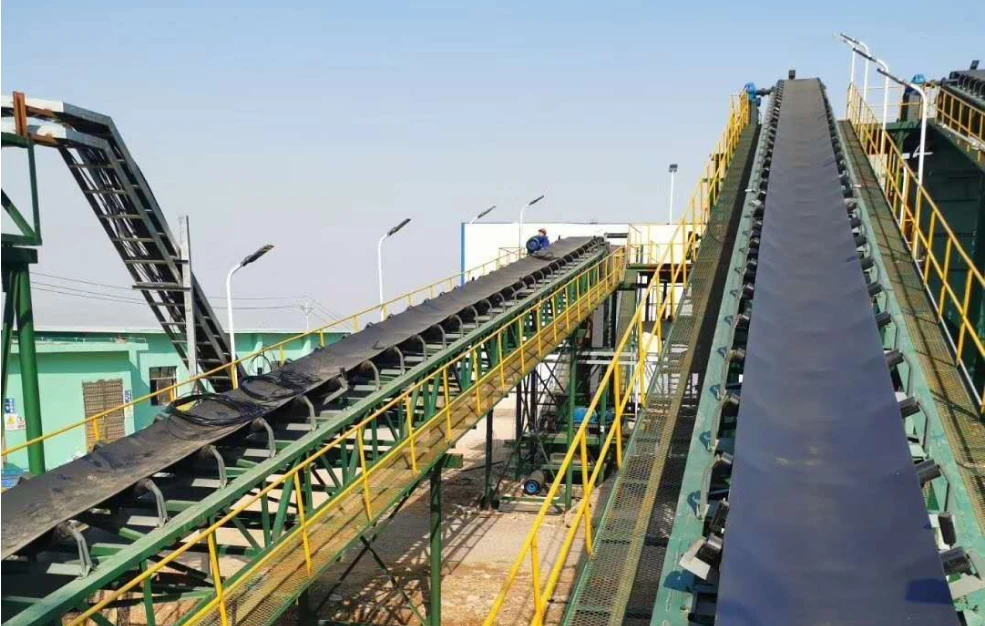
Our Belt Conveyor Barrier Rollers are crafted with high-strength materials and advanced sealing technology to withstand harsh conditions. Whether handling abrasive loads or high-speed transport, they provide superior belt guidance and impact resistance for long-term reliability.
Let's Get in Touch!
Send us a message and let our experts assist you with tailored solutions.