- Tel: +8615128135888
- Email: hg@chinaconveyerbelt.com

When industrial operations deal with corrosive materials, standard equipment often fails prematurely due to chemical degradation. The challenge for plant managers is not just finding a belt that moves material, but securing a system that resists aggressive acids and alkalis without sacrificing structural integrity. This is where the technical specification of a custom conveyor belt becomes the deciding factor in reducing unplanned downtime and maintenance costs in chemical processing.
The efficiency of a continuous handling system depends heavily on the synergy between the belt material and the supporting components. In environments like fertilizer plants or paper mills, a standard PVC or rubber belt would degrade rapidly, leading to foam shedding or surface cracking. By integrating specialized acid and alkali resistant coverings with high-strength EP or NN fabrics, operators can ensure a stable transportation process even when handling corrosive granular or powdered substances.
Understanding the balance between core elasticity and chemical resistance is essential for optimizing lifecycle value. This article provides a deep dive into the engineering behind these specialized systems, analyzing how material selection and surface extrusion processes impact long-term performance. For those seeking a tailored approach to material handling, a custom conveyor belt offers the necessary adaptability to meet specific industrial corrosive thresholds.


A chemical resistant conveyor system is more than just a rubber strip; it is a multi-layered engineered component designed to prevent chemical penetration to the core. The structure typically consists of a skeleton—made from nylon (NN) or polyester (EP) canvas—and a specialized covering adhesive. This adhesive is formulated specifically to resist chemical corrosion, ensuring that the belt does not soften or swell when in contact with acidic or alkaline substances.
The operating principle relies on the barrier property of the covering. By utilizing belt immersion fusion technology, the bond between the cover and the core is strengthened, preventing the "delamination" often seen in lower-quality belts. This ensures that the mechanical strength of the skeleton is maintained even while the surface is under constant chemical attack, which is critical for heavy-duty mining and chemical plant operations.
When specifying a custom conveyor belt, several technical parameters dictate the lifespan of the system. The bandwidth, typically ranging from 500mm to 2000mm, must be matched to the material volume to prevent spillage, while the fabric layers (1-10 layers) determine the belt's tensile strength and resistance to elongation. A higher layer count is necessary for long-distance transport or high-load capacities to minimize stretching.
The selection of the core material—whether NN100 to NN350 or EP100 to EP350—is the most critical decision for stability. EP canvas is generally preferred in corrosive environments over cotton due to its superior acid-alkali resistance and lower elongation, which maintains precise tracking and reduces the frequency of belt adjustments.
Furthermore, the physical properties of the covering adhesive must be balanced with the specific pH levels of the transported material. In salt drying applications or seawater environments, the belt must not only resist corrosion but also withstand UV exposure and temperature fluctuations. This requires a specific blend of polymers that maintain elasticity without becoming brittle under extreme conditions.
Surface extrusion is a critical manufacturing process that ensures a seamless and uniform application of the acid and alkali resistant material. Unlike dipped coatings, extrusion creates a dense, non-porous barrier that significantly reduces the risk of chemical seepage into the core. This process is essential for belts used in fertilizer plants where granular chemicals can be highly abrasive and corrosive.
The primary value of extrusion lies in the reduction of "foam shedding" and surface cracking. By creating a more homogenous bond at the molecular level, the belt maintains its surface integrity under high tension and thermal stress, effectively extending the service life by 30-50% compared to traditional coating methods.
Additionally, this technology allows for the integration of seamless baffles, skirts, and guide bars. These accessories are not just added on but are often fused into the belt structure, ensuring that powdered materials are contained efficiently without creating "leak points" where chemicals could collect and eat away at the belt edges.
Comparing core materials reveals a clear trade-off between elasticity and stability. Nylon (NN) cores provide excellent elasticity and impact resistance, which is beneficial for belts subject to sudden loading. However, Polyester (EP) cores are the industry standard for corrosive environments because they exhibit much lower elongation and higher resistance to chemical degradation over time.
The following data illustrates the relative performance of different core specifications across five key industrial metrics. This allows procurement engineers to determine which fabric grade aligns with their specific load and corrosion requirements.
In chemical plants and fertilizer factories, the presence of strongly acidic or alkaline materials requires a belt that can withstand constant chemical contact. The primary requirement here is a high-density covering adhesive that prevents the material from reacting with the rubber. In these scenarios, the belt often works in tandem with stainless steel rollers and polymer idlers to prevent the rest of the conveyor structure from rusting.
Another distinct use case is the sun-drying of salt from seawater. Here, the belt must handle high salinity and constant UV exposure. The focus shifts toward a combination of alkali resistance and thermal stability. The use of low-elongation EP canvas ensures that the belt remains taut during the drying process, avoiding the sagging that could lead to material accumulation and uneven drying.
The industry is moving away from generic rubber belts toward highly specialized polymer composites. Early versions of acid-resistant belts relied on simple dipping processes, but these were prone to peeling. Modern solutions utilize immersion fusion and surface extrusion, which create a chemical bond rather than a mechanical one, significantly improving the belt's resistance to high-temperature corrosive environments.
We are also seeing an increase in the integration of "hybrid" belts that combine heat resistance with chemical resistance. As processes in metallurgy and chemical engineering become more integrated, belts must often transport materials that are both hot and corrosive. This requires a carefully calibrated blend of materials that don't compromise the belt's elasticity while maintaining a hard, resistant exterior.
Finally, the focus is shifting toward sustainable lifecycles. By improving the initial quality of the covering adhesive and the precision of the fabric layers, manufacturers are reducing the waste associated with frequent belt replacements. This shift toward "high-initial-investment, low-maintenance" models is becoming the standard for global mining and chemical enterprises.
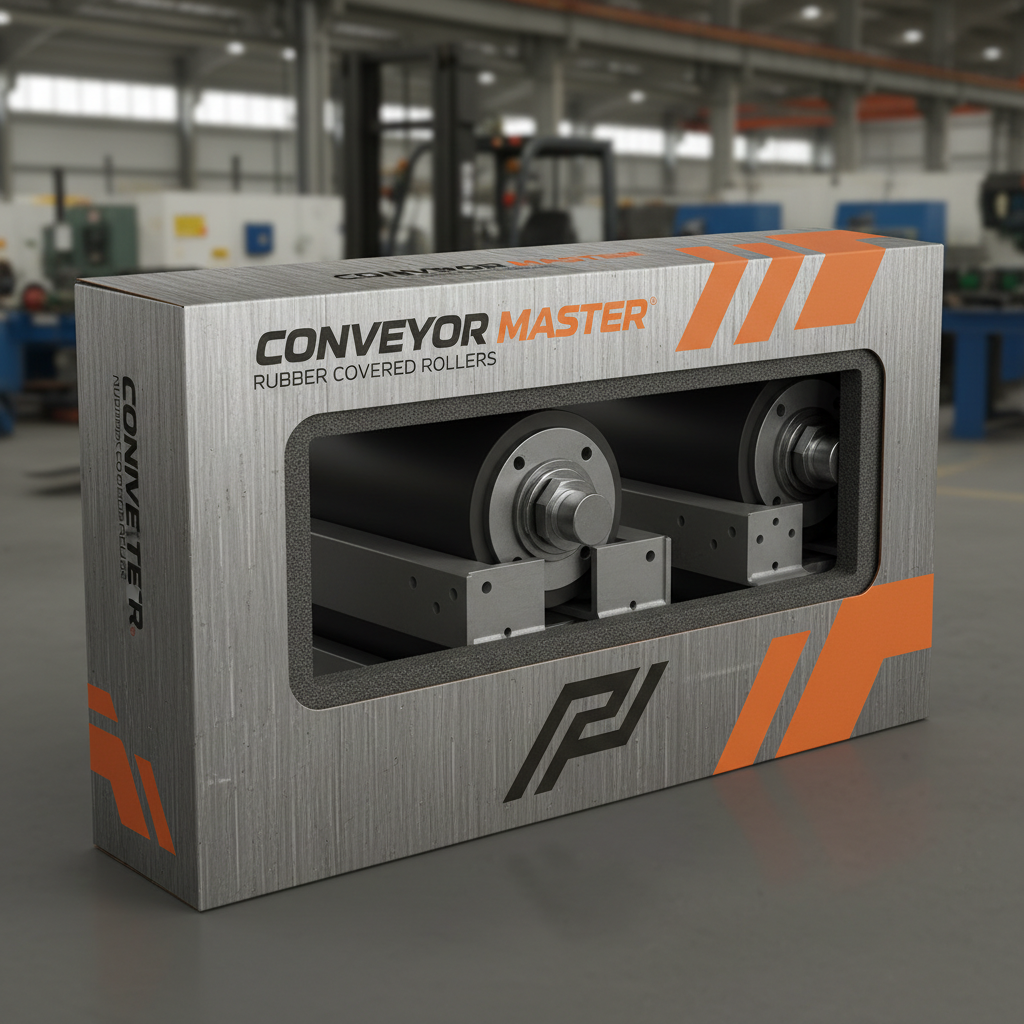
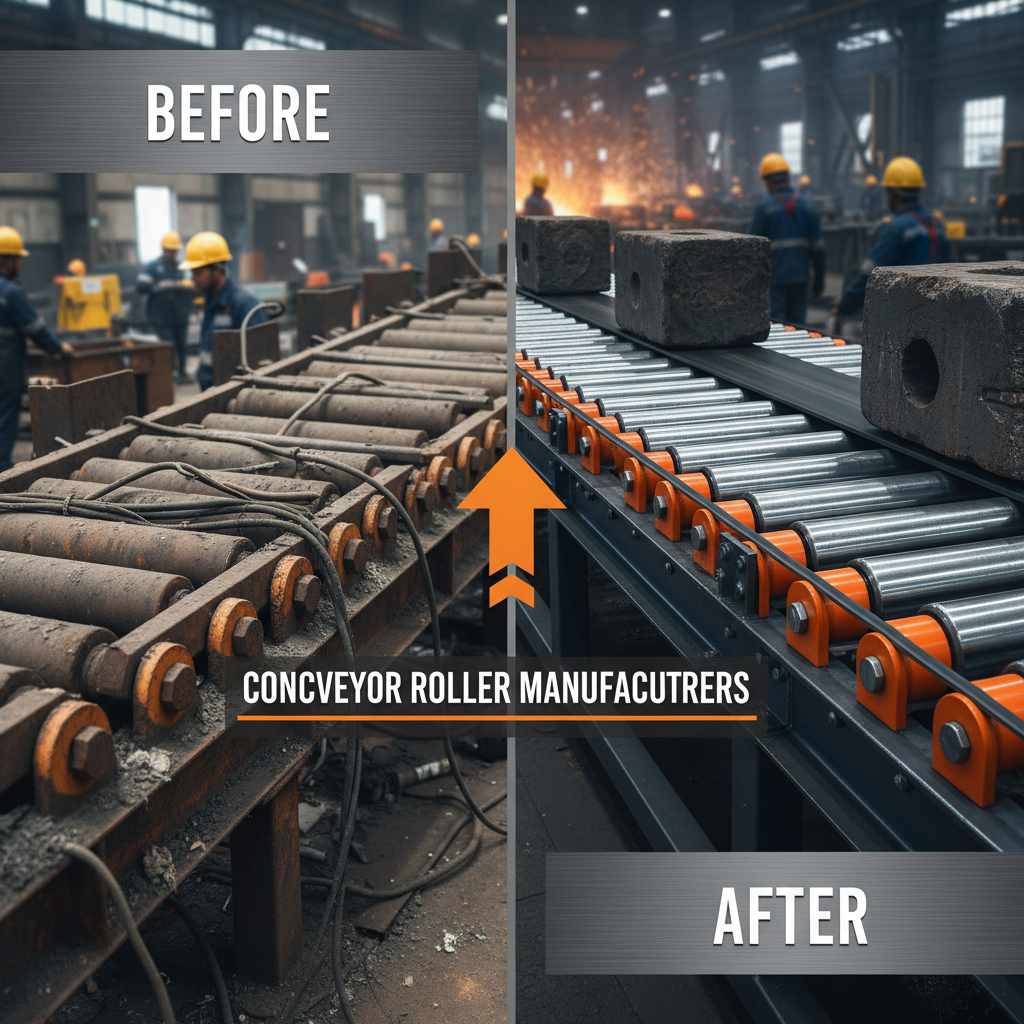
One of the most common failures in corrosive environments is not the belt itself, but the points of contact. When a chemical resistant belt is paired with standard iron rollers, the rollers corrode, creating rough surfaces that shred the belt. Solving this requires a systemic approach, utilizing ceramic rollers or stainless steel brackets to ensure the entire path is corrosion-proof.
Another challenge is belt tracking. In chemical plants, any deviation in the belt can cause corrosive material to spill onto the frame, accelerating the degradation of the entire structure. Implementing self-aligning rollers and precise tensioning systems is critical to keep the belt centered and the environment clean.
Maintenance schedules must also be adapted. Standard visual inspections are insufficient; operators must check for "micro-cracking" and foam shedding, which are early signs of chemical penetration. Regular cleaning with non-reactive agents can prolong the life of the covering adhesive by removing accumulated corrosive residues.
| Environment Type | Core Material | Covering Type | Recommended Roller |
|---|---|---|---|
| Strong Acid Plant | EP Canvas | Acid-Resistant Polymer | Ceramic Roller |
| Fertilizer Factory | EP/NN Hybrid | Alkali-Resistant Rubber | Polymer Roller |
| Seawater Salt Drying | EP Canvas | UV/Alkali Resistant | Stainless Steel |
| Mining (Acidic Ore) | NN High-Tensile | Abrasion + Acid Resistant | Ceramic Roller |
| Paper Mill Sludge | EP Canvas | Water/Chemical Resistant | Stainless Steel |
| General Chemical | EP Canvas | General Chemical Resistant | Polymer Roller |
The main difference lies in elongation and chemical stability. EP (polyester/nylon) cores have significantly lower elongation, meaning they stretch less under load, which is critical for maintaining belt tracking in chemical plants. NN (nylon/nylon) cores offer higher elasticity and impact resistance, making them better for heavy-impact mining but potentially less stable in long-term corrosive environments compared to EP.
Surface extrusion creates a dense, non-porous layer of resistant material that is chemically bonded to the core. Unlike traditional dipping, which can leave microscopic pores, extrusion ensures a complete seal. This prevents corrosive liquids and gases from penetrating the belt's interior, which would otherwise cause the fabric layers to rot and the belt to fail prematurely.
Yes, but they require a specific heat-resistant chemical grade. Standard acid-resistant belts are designed for ambient temperatures; however, by adjusting the polymer blend in the covering adhesive and using heat-stable fabrics, these belts can operate in high-temperature environments without cracking or losing their chemical resistance properties.
The most prominent signs are surface cracking, "foam shedding" (where the cover begins to flake off), and excessive stretching. If you notice a change in the belt's surface texture or if the belt begins to track poorly despite adjustment, it likely indicates that the covering adhesive has been compromised and chemicals have reached the core fabric.
Absolutely. In fact, for powdered corrosive materials, accessories like seamless baffles and skirts are highly recommended. When these are fused into the belt using the same extrusion technology as the cover, they provide a secure, leak-proof transport system that prevents corrosive spills and protects the rest of the conveyor machinery.
The number of layers depends on the belt tension and the total weight of the material being transported. Generally, 1-3 layers are sufficient for short, light-duty conveyors. For heavy industrial use or long-distance transport, 4-10 layers are used to provide the necessary tensile strength to prevent the belt from stretching beyond its operational limits.
Ensuring the longevity of a conveyor system in corrosive environments requires a strategic focus on material science, specifically the synergy between EP/NN core fabrics and extruded chemical-resistant coverings. By prioritizing low-elongation materials and seamless surface bonding, industrial operators can drastically reduce maintenance cycles and prevent the catastrophic failure of material handling lines. The transition from generic rubber to engineered polymer solutions is no longer optional for high-efficiency chemical processing.
Selecting a partner with expertise in both belt manufacturing and supporting accessories is key to a successful installation. Whether you are dealing with seawater salinity or industrial acids, tailored technical specifications ensure operational safety and reliability. For more information on optimizing your material handling system with professional grade solutions, we invite you to explore the technical capabilities at www.hbroule.com.