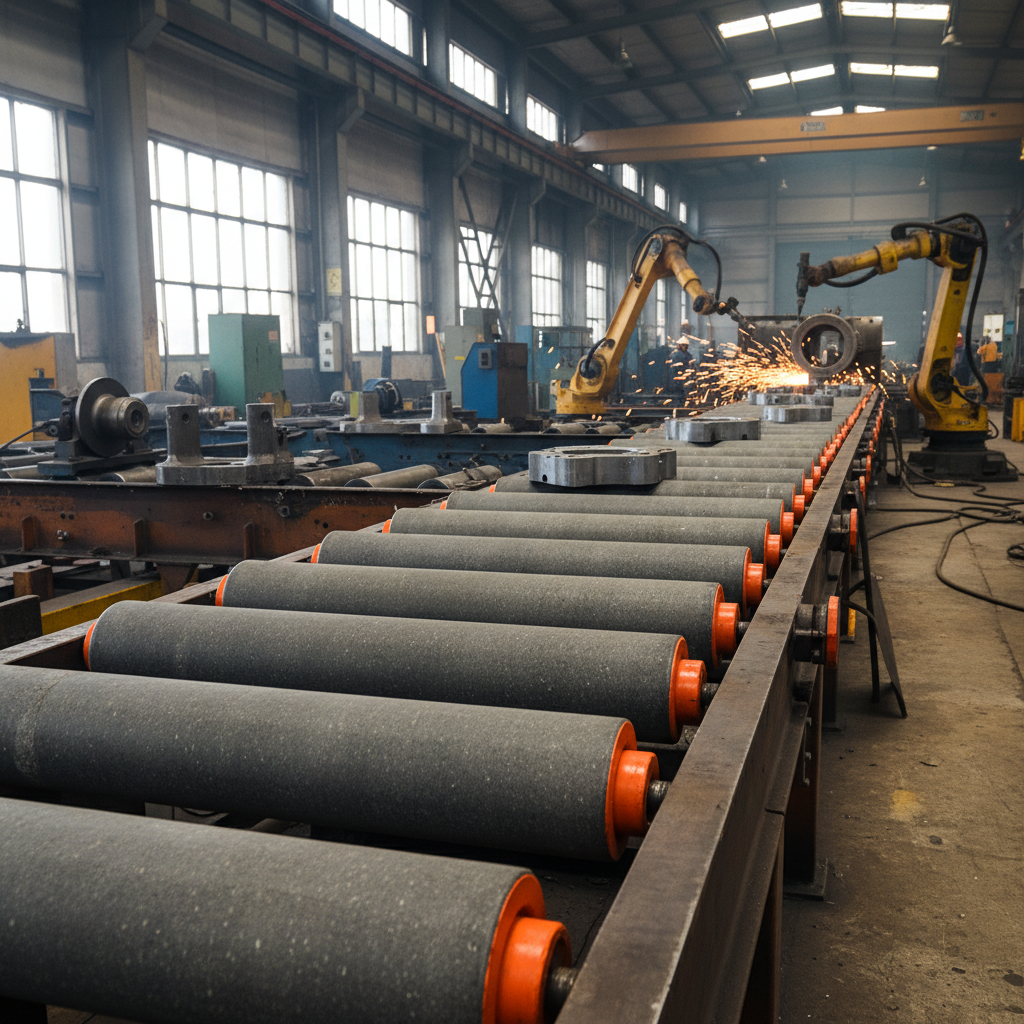
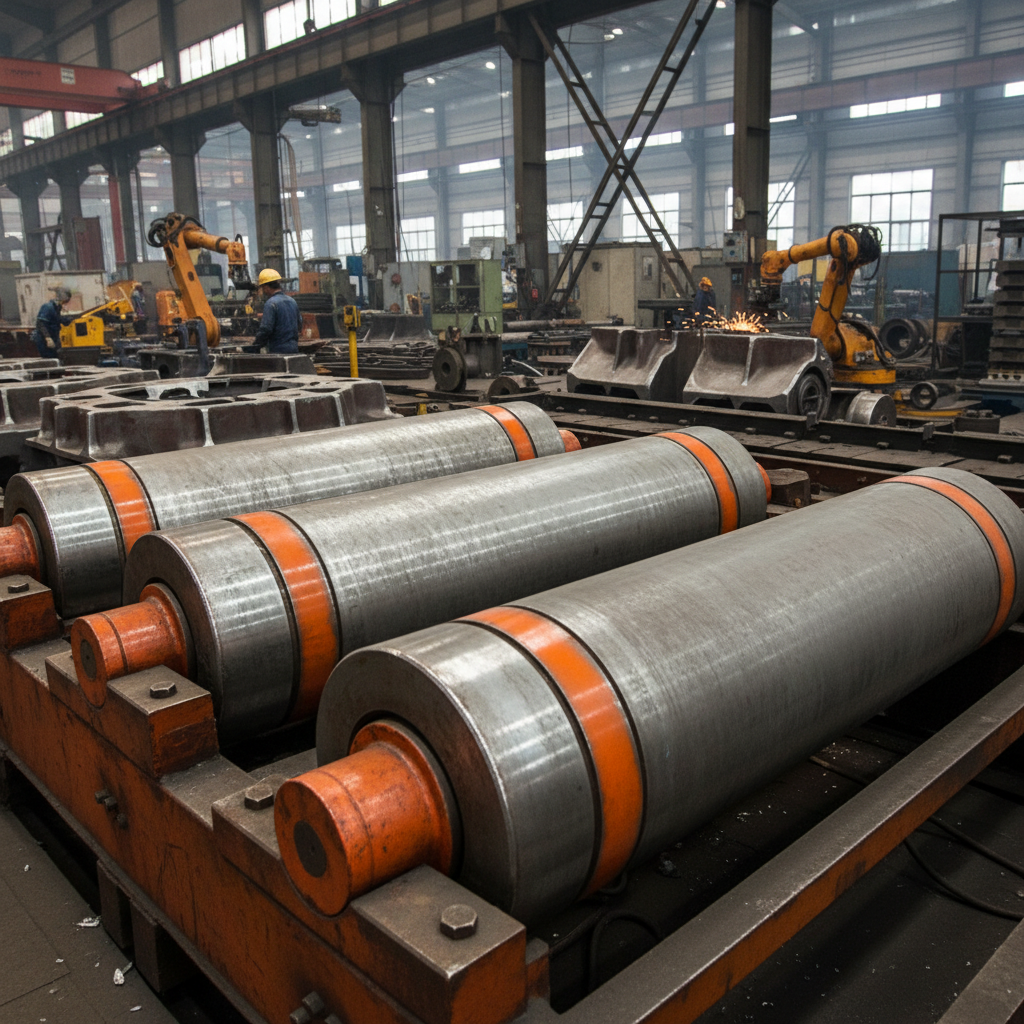
Composite conveyor rollers – they’re not the flashiest piece of kit on a job site, but they’re absolutely critical. I’ve spent over fifteen years on construction sites, from remote mining operations in Australia to sprawling infrastructure projects here in the States, and I’ve seen firsthand how much downtime and frustration can stem from unreliable conveyor systems. It's not just about moving material; it’s about keeping projects on schedule and budgets under control. That’s why understanding the nuances of these rollers – what they're made of, how they perform, and what the latest innovations are – is crucial for anyone involved in bulk material handling. composite conveyor rollers are a game changer.
We’re seeing a huge global demand for efficient material handling, and that’s driving innovation in conveyor technology. The UN estimates global construction output will reach $18 trillion by 2030, and a significant portion of that relies on conveyors. But traditional steel rollers have limitations – corrosion, weight, maintenance requirements, and the noise can all be major headaches. This demand isn’t just for large-scale projects; it’s impacting smaller operations too, where efficiency gains can mean the difference between profit and loss. There’s a growing need for components that offer durability, reduced maintenance, and lower lifecycle costs, and that’s where composite conveyor rollers really shine.
It's a deceptively simple concept, but the impact is huge. Essentially, we're talking about conveyor rollers constructed from a combination of materials – typically a polymer core with a durable outer layer. These aren’t just plastic tubes; they’re engineered to withstand incredibly harsh conditions and significantly outperform traditional steel in many applications. They’re being used in everything from aggregate processing and cement manufacturing to package handling and mining, touching on vital aspects of modern industry and streamlining logistics wherever bulk materials need to move efficiently.
The Importance of Composite Conveyor Rollers
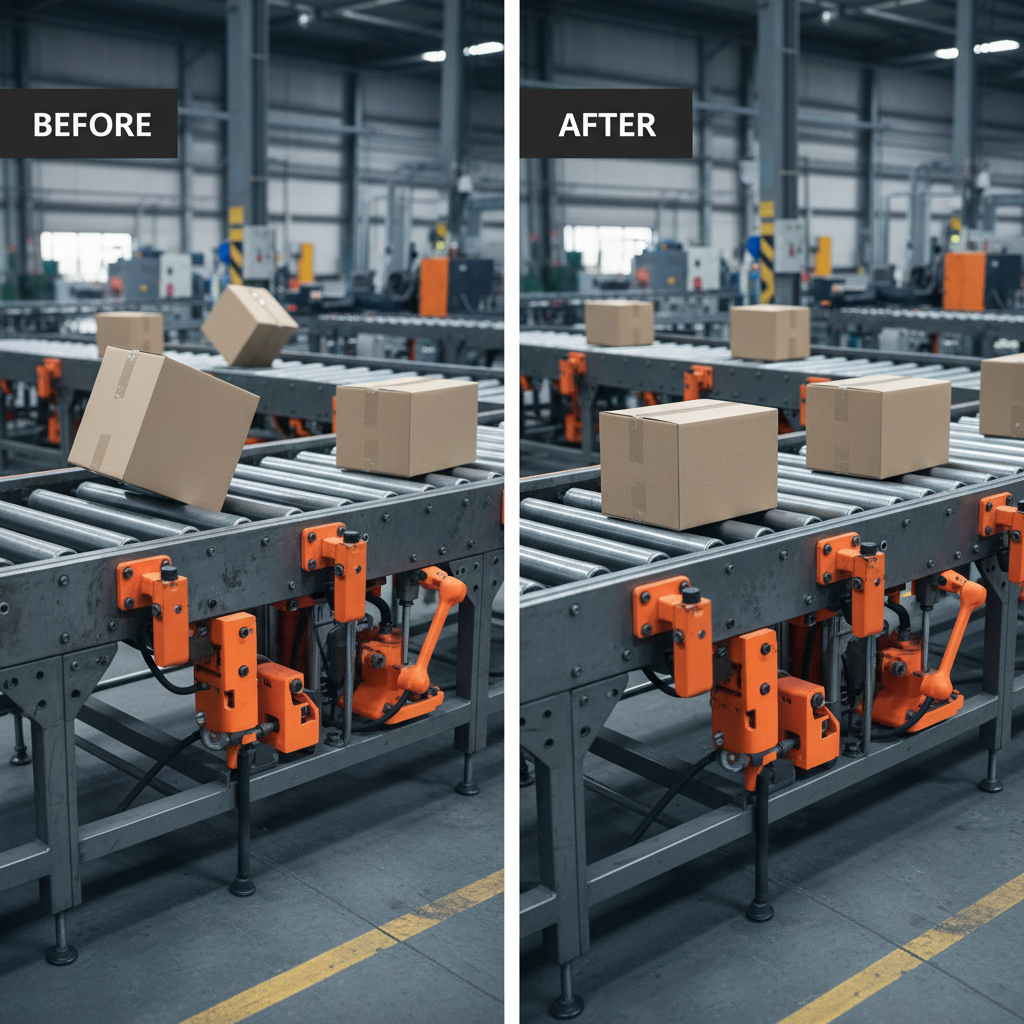
Let’s be honest, conveyor systems are the workhorses of countless industries. And the rollers are the unsung heroes. I’ve seen projects stalled for days while waiting for replacement steel rollers, just because of lead times and the logistical nightmare of getting them on-site. The advantage of composite conveyor rollers isn’t just about the material itself; it’s about reducing downtime, simplifying maintenance, and improving overall system reliability.
From a practical perspective, the lighter weight of composite rollers makes installation and replacement significantly easier, which means less manpower and faster turnaround times. That translates directly to cost savings. And, crucially, they’re often quieter in operation, which improves working conditions for the crews on the ground. I’ve walked off sites with ringing ears from steel-on-steel squealing - nobody needs that.
Global Relevance & Industry Context
The demand for efficient material handling is undeniably global. From the massive infrastructure projects in China and India to the resource extraction industries in South America and Africa, the need to move bulk materials reliably and cost-effectively is constant. The World Bank estimates that global infrastructure investment will reach $94 trillion by 2040, and a significant proportion of that will rely on robust conveyor systems.
This isn’t simply about building more infrastructure; it’s about building it sustainably. Traditional steel production is energy-intensive and contributes significantly to carbon emissions. Composite conveyor rollers, often utilizing recycled materials in their construction, offer a lower carbon footprint, aligning with the growing global emphasis on environmental responsibility.
The challenge we face is not just meeting the current demand but anticipating future needs. The rise of automation, the increasing complexity of supply chains, and the growing demand for customized solutions all require a more flexible and adaptable approach to material handling. This is where the versatility of composite materials really comes into play.
Defining Composite Conveyor Rollers
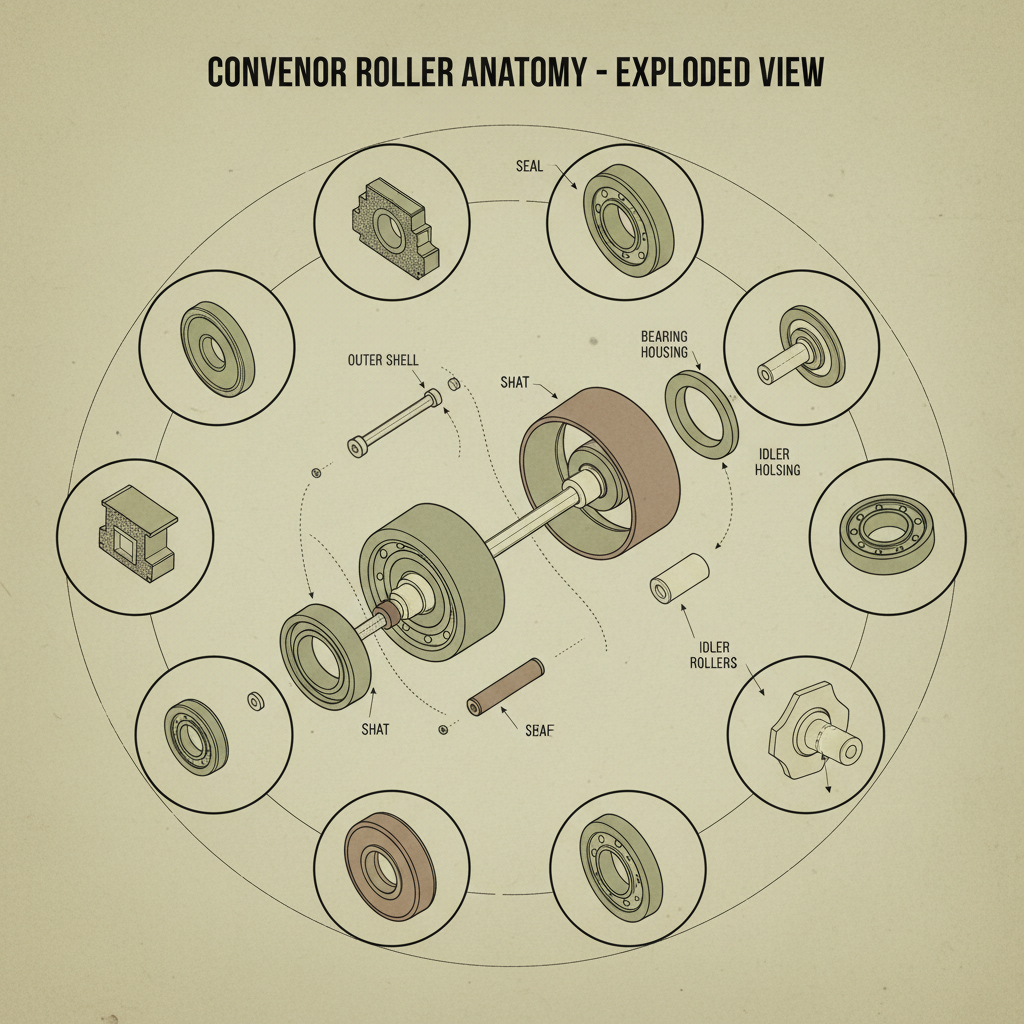
Simply put, composite conveyor rollers are built using a combination of materials to achieve specific performance characteristics. It’s not just slapping a plastic sleeve over a steel pipe. Typically, you’ll find a high-strength polymer core – often a polypropylene or polyurethane – providing structural support and impact resistance, encased in a durable outer layer that’s designed to withstand abrasion, corrosion, and extreme temperatures.
What makes them different from traditional steel rollers is this intentional blending of properties. Steel is strong, but it’s heavy, corrodes easily, and transmits noise. Composites can be engineered to match or exceed the strength of steel while being significantly lighter, corrosion-resistant, and quieter. They offer a tailored solution to the specific demands of the application.
This isn't a new concept; composites have been used for decades in aerospace, automotive, and marine applications. The application to conveyor rollers is a more recent development, driven by the demand for higher performance and lower lifecycle costs in industrial settings. The connection to modern industry is clear: efficient, reliable, and sustainable material handling is essential for staying competitive.
Key Characteristics & Core Components
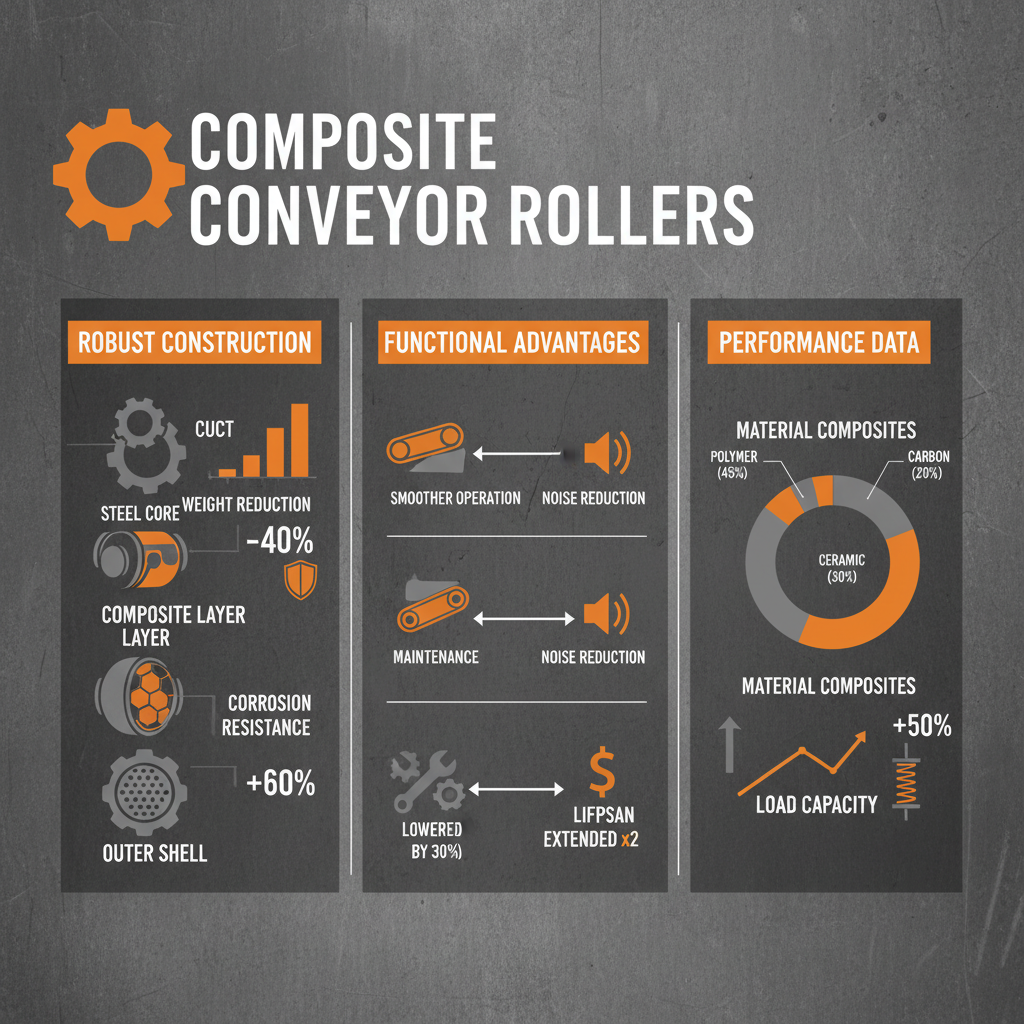
Let’s break down what makes these rollers tick. First, Durability. The materials used are incredibly resistant to wear and tear, even in harsh environments. I’ve seen them holding up remarkably well in abrasive applications where steel rollers would be replaced monthly. Second, Weight Reduction. Composites are significantly lighter than steel, making installation and maintenance far easier, and reducing strain on the conveyor structure.
Third, Corrosion Resistance. This is huge. Steel rollers are susceptible to rust, especially in wet or corrosive environments. Composites don't corrode, eliminating the need for frequent painting and repairs. Fourth, Noise Reduction. The inherent damping properties of the composite materials significantly reduce noise levels, improving working conditions. Fifth, Customizability. The composition of the composite can be tailored to meet specific requirements, such as high load capacity, temperature resistance, or chemical compatibility.
Performance Comparison of Composite Conveyor Roller Methods
Applications Across Industries
You'll find these rollers everywhere bulk materials are moved. In aggregate processing plants, they handle the constant abrasion of rock and gravel. In cement manufacturing, they withstand high temperatures and corrosive dust. Package handling facilities rely on them for smooth, quiet operation. Even in food processing, where hygiene is paramount, composites offer a non-stick, easy-to-clean surface.
I’ve seen them deployed in remote mining operations in Australia, where the cost of transporting and replacing steel rollers is prohibitive. They’re also gaining traction in ports and logistics hubs, where efficiency and throughput are critical. And in post-disaster relief operations, the lightweight and durability of composite rollers can be invaluable for establishing temporary material handling systems.
Advantages & Long-Term Value
The tangible benefits are clear: reduced maintenance costs, longer service life, lower energy consumption (due to reduced friction), and improved safety. But the long-term value goes beyond just the bottom line. A more reliable conveyor system translates to fewer disruptions, increased productivity, and a more efficient operation overall.
From an emotional standpoint, knowing your equipment is built to last and requires minimal intervention provides peace of mind. It frees up your team to focus on more strategic initiatives, rather than constantly patching up failing components. It’s about building trust in your equipment and creating a more sustainable, reliable operation.
Future Trends & Innovations
We’re seeing increasing use of advanced polymers and reinforcement materials to further enhance the performance of composite rollers. Smart rollers, equipped with sensors to monitor load, speed, and temperature, are also on the horizon. This data can be used to optimize conveyor system performance and predict potential failures before they occur.
The integration of digital technologies, like machine learning and predictive maintenance, will be crucial. The convergence of composite materials with automation and Industry 4.0 principles is opening up exciting possibilities for creating truly intelligent and self-optimizing conveyor systems. And, of course, the continued focus on sustainability will drive the development of even more environmentally friendly composite materials and manufacturing processes.
The push for circular economy principles means we’ll also see increased focus on recyclability and the use of bio-based polymers in the construction of these rollers. It's about building a more sustainable future, one roller at a time.
Challenges & Solutions
Despite the advantages, there are challenges. The initial cost of composite rollers can be higher than steel, although the total cost of ownership is often lower due to reduced maintenance and longer lifespan. Another challenge is ensuring proper material selection for specific applications. Not all composites are created equal, and choosing the wrong material can lead to premature failure.
The solution lies in careful analysis of the application requirements and working with experienced suppliers who can provide guidance on material selection and engineering design. Investing in high-quality composites and proper installation will pay dividends in the long run.
Also, increasing awareness of the benefits through case studies and performance data will help overcome initial hesitations and drive wider adoption. Demonstrating the quantifiable value – the ROI – is key to convincing stakeholders to make the switch.
Summary of Key Challenges and Solutions for Composite Conveyor Rollers
| Challenge |
Impact on Operations |
Potential Solutions |
Implementation Complexity (1-5) |
| Higher Initial Cost |
Budget constraints, reluctance to invest |
Lifecycle cost analysis, highlighting long-term savings |
3 |
| Material Selection Complexity |
Incorrect material choice leading to premature failure |
Expert consultation, application-specific material testing |
4 |
| Lack of Awareness |
Resistance to change, continued reliance on traditional steel |
Case studies, performance data, industry presentations |
2 |
| Installation Expertise |
Improper installation compromising performance |
Training programs, certified installers, detailed installation guides |
3 |
| Supply Chain Limitations |
Long lead times, limited availability |
Strategic partnerships with reliable suppliers, inventory management |
4 |
| Recycling Infrastructure |
End-of-life disposal challenges, environmental concerns |
Development of recycling programs, use of biodegradable composites |
5 |
FAQS
The biggest savings come from reduced maintenance and downtime. Steel rollers require frequent lubrication, painting, and replacement due to corrosion and wear. Composite rollers eliminate these needs, slashing maintenance costs. The lighter weight also reduces labor costs for installation and replacement. While the initial investment may be higher, the long-term return on investment is typically significant.
It depends on the specific composite material used. Some composites are designed to withstand very high temperatures, while others are better suited for cold environments. Generally, composites offer a wider operating temperature range than steel, but it’s crucial to select a material that’s appropriate for the application. We can help you assess the requirements and choose the right roller for your needs.
Yes, certain composite materials are FDA-approved for use in food processing environments. These materials are non-toxic, non-stick, and easy to clean, making them ideal for maintaining hygiene and preventing contamination. It’s important to verify that the specific composite roller you choose meets the required food safety standards.
Typically, a composite roller will significantly outlast a steel roller, often by a factor of two to three times. This is due to their superior resistance to wear, corrosion, and impact damage. The actual lifespan will depend on the specific application and operating conditions, but the longer service life translates to lower overall costs and reduced downtime.
Generally, yes. The manufacturing process for composites often requires less energy than steel production, and composites can be made from recycled materials. Also, their longer lifespan reduces the need for frequent replacements, minimizing waste. Furthermore, the lighter weight reduces fuel consumption during transportation.
Very little! Unlike steel rollers which need regular lubrication and painting to prevent rust, composite rollers are largely maintenance-free. Periodic inspection for wear and tear is recommended, but they don’t require the constant attention that steel rollers do. This significantly reduces downtime and labor costs.
Conclusion
Composite conveyor rollers represent a significant advancement in material handling technology. They offer a compelling combination of durability, reduced maintenance, cost savings, and environmental benefits. From streamlining operations in large-scale industrial facilities to providing reliable solutions in remote locations, these rollers are proving their worth across a wide range of applications. composite conveyor rollers are not just about replacing steel; they’re about reimagining how we move materials.
Looking ahead, continued innovation in materials science and manufacturing processes will further enhance the performance and sustainability of composite rollers. Embracing these technologies will be crucial for companies seeking to optimize their operations, reduce their environmental footprint, and gain a competitive edge. Don’t hesitate to explore the possibilities – the future of material handling is composite.