- Tel: +8615128135888
- Email: hg@chinaconveyerbelt.com

Stainless Steel Conveyor Roller

Stainless steel conveyor rollers made of stainless steel are important components in conveyor lines. There are many types of stainless steel conveyor rollers, so different stainless steel conveyor rollers can be customized according to the needs of different industries. Therefore, when choosing stainless steel conveyor rollers, the best solution should be selected based on the actual production situation of the industry.
The Advantages Of Stainless Steel Rollers Mainly Include The Following Aspects:
Rust and magnetic resistance: Stainless steel rollers are made of high-quality stainless steel material, which has good rust and magnetic resistance and is suitable for environments such as underground or power plants that are prone to moisture and corrosion.
Wear resistance: Stainless steel rollers have excellent wear resistance and can extend their service life.
Corrosion resistance: Stainless steel rollers have good corrosion resistance and can adapt to humid, acidic and alkaline environments, maintaining long-term rust and corrosion resistance.
High hardness and strength: Stainless steel rollers have good hardness and strength, suitable for equipment environments with high load-bearing requirements, and can maintain stable performance for a long time.
Easy to clean and maintain: The surface of the stainless steel roller is smooth and not easily adhered to dust and impurities, making cleaning and maintenance very convenient.
Good Aesthetics: The surface of the stainless steel roller presents a metallic luster, which has excellent aesthetics and can maintain its beauty for a long time.
Anti static and low damping sealing structure: Stainless steel rollers have anti-static and low damping sealing structures, which can protect the safety and reliability of conveyor belts, reduce power consumption, and improve equipment energy efficiency.
The application scenarios of stainless steel rollers mainly include: under the iron remover of underground or power plant belt conveyors: stainless steel rollers are used to prevent the rollers from being sucked up by the iron remover and are suitable for humid and corrosive environments.
Other occasions that require high wear resistance and corrosion resistance: Due to the excellent performance of stainless steel rollers, they are also suitable for other occasions that require high wear resistance and corrosion resistance, such as pharmaceutical and food manufacturing industries.
Working Principle of Stainless Steel Conveyor Roller in Belt Conveyor Systems
A stainless steel conveyor roller is an important rotating component in belt conveyor systems, mainly used to support conveyor belts and assist smooth material transportation. Its working principle is based on the rotation generated by the movement of the conveyor belt. When materials move along the belt, the friction between the belt and the roller surface drives the roller to rotate, reducing resistance and helping maintain stable conveying performance.
The structure of stainless steel rollers for conveyors usually consists of a stainless steel tube, shaft, bearing components, and sealing structure. During operation, the roller rotates around the shaft through the bearing system, providing continuous support for the conveyor belt. The smooth stainless steel surface helps reduce material adhesion and makes the roller suitable for applications where cleanliness and corrosion resistance are required.
One important feature of a stainless steel roller is its ability to maintain stable performance in environments with moisture, corrosion risks, or strict cleaning requirements. The stainless steel material provides good rust resistance, allowing the roller to be used in conditions where ordinary materials may be affected by humidity or chemical exposure. This makes it suitable for conveyor systems operating in underground facilities, power plants, food production, and pharmaceutical manufacturing.
The sealing structure of stainless steel rollers also plays an important role in daily operation. A suitable sealing design helps protect internal bearing components from dust, moisture, and external contaminants, supporting reliable rotation during continuous use. At the same time, the smooth surface of the roller makes cleaning easier and helps reduce the accumulation of impurities.
When selecting a stainless steel conveyor roller, factors such as conveyor design, transported materials, operating environment, and load requirements should be considered. Different industries may require different roller specifications to achieve suitable conveying performance.
We provides customized stainless steel roller solutions for various belt conveyor applications. With professional manufacturing capabilities, our stainless steel conveyor roller products are designed to meet different industrial requirements for stable and reliable material transportation.
Stainless Steel Conveyor Roller Applications in Corrosive and Hygienic Industries
The application range of a stainless steel conveyor roller is mainly related to environments where corrosion resistance, cleanliness, and stable operation are important requirements. Compared with standard conveyor rollers, stainless steel rollers are often selected for working conditions involving moisture, chemical exposure, or strict hygiene standards.
In underground belt conveyor systems and power plants, stainless steel rollers for conveyors are commonly used in areas where moisture and corrosion may affect normal equipment operation. For example, under the iron remover of a belt conveyor, stainless steel rollers can help avoid magnetic interference caused by roller materials while maintaining stable support for the conveyor belt.
The food manufacturing industry is another important application area for stainless steel conveyor rollers. Food processing lines often require conveyor components with smooth surfaces that are easy to clean and maintain. Stainless steel rollers can adapt well to these environments because their surface is not easily affected by moisture and daily cleaning processes.
In pharmaceutical manufacturing facilities, conveyor equipment needs to meet requirements for clean production environments. Stainless steel rollers are suitable for these applications due to their corrosion resistance and easy-clean surface characteristics. They can be integrated into conveying systems where material contamination control and equipment cleanliness are important considerations.
We can’t use rubber or polymer conveyor rollers in Chemical production and other industrial environments. So it may also require stainless steel roller solutions. In humid, acidic, or alkaline working conditions, stainless steel materials can provide reliable resistance to corrosion and help maintain long-term equipment performance.
Different application scenarios require different roller designs. Factors such as conveyor structure, transportation speed, material characteristics, and working conditions should be considered before selecting the right product. The stainless steel roller price may vary depending on specifications, material requirements, and customization needs.
HG offers stainless steel conveyor rollers suitable for different industries and conveying environments. By selecting the appropriate roller type according to actual operating conditions, customers can achieve more stable and efficient conveyor system performance.
Stainless Steel vs Rubber vs Nylon Conveyor Roller Material Comparison Guide
The material selection of conveyor rollers has a direct influence on their performance in different working environments. Common roller materials include stainless steel, rubber, and nylon. Each material has its own characteristics, and the suitable choice depends on factors such as application conditions, transported materials, and equipment requirements.
A stainless steel conveyor roller is widely used in environments where corrosion resistance, strength, and easy cleaning are important. Stainless steel materials provide good rust resistance and can maintain stable performance in humid or corrosive conditions. They are often selected for applications such as food manufacturing, pharmaceutical production, underground conveyors, and power plant equipment.
Rubber conveyor rollers are commonly applied in situations where cushioning, surface protection, or improved contact with materials is needed. The rubber surface provides different friction characteristics and can be suitable for conveying systems requiring specific belt interaction performance. Rubber rollers are often selected according to the material handling conditions and conveyor requirements.
Nylon conveyor rollers are known for their lightweight structure and resistance to certain environmental influences. They can be used in applications where reduced component weight and smooth operation are considered important factors. Nylon rollers are also suitable for conveying systems that require alternative material solutions.
When comparing stainless steel rollers for conveyors, rubber rollers, and nylon rollers, there is no single material suitable for every application. Stainless steel focuses on corrosion resistance and durability, rubber provides specific surface characteristics, and nylon offers lightweight performance. The final selection should be based on the actual working environment rather than material preference alone.
The stainless steel roller price is influenced by factors such as roller size, stainless steel grade, structure design, and customization requirements. Choosing the correct roller material can help improve conveyor reliability and reduce unnecessary replacement costs.
Stainless Steel Conveyor Roller Manufacturing Process and Quality Control
The manufacturing process of a stainless steel conveyor roller involves multiple steps to ensure stable structure, reliable rotation, and suitability for different industrial conveyor systems. As a key component of belt conveyors, stainless steel rollers need to meet requirements related to material quality, dimensional accuracy, and overall performance during production.
The first step in manufacturing stainless steel rollers for conveyors is selecting suitable stainless steel materials according to the application requirements. Different working environments may require different roller specifications, so manufacturers need to consider factors such as corrosion conditions, load requirements, and conveyor structure before production. Proper material selection provides the foundation for roller strength and service performance.
During the production process, stainless steel tubes are processed according to the required dimensions of the roller. The tube, shaft, and other components need to be accurately matched to ensure smooth assembly. Precision processing helps maintain proper rotation and supports stable operation when the roller is installed in a conveyor system.
The bearing installation and sealing structure are also important parts of the manufacturing process. Bearings allow the roller to rotate smoothly under continuous operation, while the sealing design helps protect internal components from dust, moisture, and external contaminants. These manufacturing details directly affect the working reliability of the stainless steel roller. Surface treatment and quality inspection are necessary steps before delivery. The stainless steel surface is processed to maintain a smooth finish, which helps reduce the adhesion of dust and impurities and makes cleaning more convenient. Each roller should be checked according to production requirements to ensure proper dimensions and functional performance.
For different industries, stainless steel conveyor rollers can be customized according to specific conveyor systems. Applications with higher requirements for corrosion resistance, cleanliness, or operating conditions may require different designs and specifications.
Stainless Steel Conveyor Roller Purchasing Guide for Industrial Applications
Choosing the right stainless steel conveyor roller requires careful consideration of the actual working environment, conveyor structure, and application requirements. Since stainless steel rollers are used in different industries, selecting a suitable product specification is important for achieving stable conveyor operation and long-term performance.
Before purchasing stainless steel rollers for conveyors, customers should first confirm the basic requirements of the conveyor system. Important factors include roller dimensions, installation position, transportation conditions, and the type of materials being conveyed. Different conveyor designs may require different roller sizes and configurations.
The working environment is another key factor during selection. Stainless steel rollers are commonly used in applications where moisture, corrosion risks, or cleaning requirements exist. For example, underground conveyor systems, power plants, food manufacturing, and pharmaceutical industries may require stainless steel materials because of their corrosion resistance and easy-clean surface characteristics.
Load capacity and operating conditions should also be considered when selecting a different type of conveyor roller. The roller needs to match the conveyor’s working requirements to maintain stable support for the belt. Customers should provide information about conveyor speed, material weight, and operating conditions when requesting a suitable solution.
Customization is also an important part of stainless steel roller purchasing. Since different industries may have different requirements, manufacturers can provide different roller structures and specifications according to actual applications. This helps ensure that the selected roller fits the existing conveyor equipment properly.
When comparing the stainless steel roller price, buyers should consider the overall value of the product, including material quality, manufacturing accuracy, service requirements, and compatibility with the conveyor system. A suitable roller selection can help avoid unnecessary replacement and improve equipment reliability.
HG supplies stainless steel conveyor rollers for various industrial applications. With customized solutions and professional manufacturing support, we help customers select suitable conveyor components according to their specific operating conditions and project requirements.
How to Choose the Right Stainless Steel Conveyor Roller for Your Conveyor System?
Selecting the right stainless steel conveyor roller requires more than simply choosing a roller that fits the conveyor frame. Buyers should consider the operating environment, conveyed material, load, roller dimensions, working speed, exposure to moisture or chemicals, and maintenance requirements. These factors directly affect roller performance and service life.
Start with the application. Conveyor systems operating in wet, corrosive, dusty, food-processing, pharmaceutical, chemical, or other demanding environments may require stainless steel because of its corrosion resistance and easy-to-clean surface. Stainless steel conveyor rollers are particularly useful where ordinary carbon steel components may require frequent maintenance or replacement.
Dimensions are equally important. Roller diameter, tube thickness, shaft size, roller length, bearing configuration, and installation method should be matched to the conveyor structure and expected load. A roller designed for light material handling may not be appropriate for a system transporting heavier materials continuously.
Buyers should also consider whether the roller will operate as a carrying, return, gravity, driven, or specialized conveyor component. Different operating positions create different mechanical requirements.
Hebei Roule can manufacture stainless steel rollers for conveyors according to different operating conditions and dimensional requirements. Instead of selecting rollers only by diameter or price, providing conveyor drawings, operating conditions, load information, and required dimensions allows the roller configuration to be evaluated more accurately.
304 vs 316 Stainless Steel Conveyor Rollers: Which Material Should You Choose?
Material grade is an important consideration when specifying a stainless steel conveyor roller, particularly when the conveyor operates in wet or chemically aggressive conditions. Two commonly considered stainless steel grades for industrial equipment are 304 and 316, but the appropriate choice depends on the actual operating environment rather than simply choosing the higher-grade material.
304 stainless steel provides good general corrosion resistance and is widely used in industrial equipment where cleanliness, moisture resistance, and durability are required. For many indoor processing, material handling, food production, packaging, and general industrial conveyor applications, it can provide a practical balance between performance and cost.
316 stainless steel contains molybdenum and generally provides better resistance to chloride-containing and more aggressive corrosive environments. This can make it preferable for certain chemical-processing, coastal, marine, high-humidity, or frequent-washdown applications. However, using 316 where the operating environment does not require its additional corrosion resistance can unnecessarily increase procurement costs.
The decision should therefore consider exposure to water, salt, cleaning chemicals, acids, alkalis, temperature, and other process conditions.
Hebei Roule recommends evaluating the complete conveyor environment before specifying the material. For customized stainless steel rollers for conveyors, buyers can provide operating conditions, roller dimensions, load requirements, and environmental information so that an appropriate material and roller structure can be selected for the application.
What Determines Stainless Steel Roller Price?
The stainless steel roller price cannot normally be determined by roller length alone. Industrial conveyor rollers are configured according to specific operating requirements, meaning two rollers with similar external dimensions can have significantly different manufacturing costs.
Material is one of the primary cost factors. Stainless steel grade, tube diameter, wall thickness, shaft material, and the amount of stainless steel used all influence the final price. A larger-diameter or thicker-wall roller generally requires more raw material, while specialized stainless steel grades may cost more than standard configurations.
Bearing and sealing structures are another important factor. Conveyor rollers operating in wet, dusty, corrosive, or continuous-duty environments may require more robust bearings and sealing arrangements. Shaft diameter, machining requirements, installation design, surface treatment, and dimensional tolerances can also affect production cost.
Order quantity matters as well. Custom manufacturing involves material preparation, machining, assembly, inspection, and production setup. Larger-volume orders can therefore have a different unit-cost structure from small replacement orders or prototype quantities.
For this reason, comparing stainless steel roller price only by unit price may result in an inaccurate purchasing decision. Buyers should compare material specifications, dimensions, bearing configuration, load requirements, workmanship, and expected operating conditions together.
For an accurate quotation from Hebei Roule, buyers should provide roller diameter, roller length, shaft dimensions, quantity, application, operating environment, and drawings where available.
How Long Do Stainless Steel Rollers for Conveyors Last?
There is no universal service-life figure for stainless steel rollers for conveyors because roller durability depends heavily on operating conditions. Load, conveyor speed, operating hours, contamination, moisture, corrosion, bearing quality, alignment, maintenance practices, and impact loading can all influence how long a roller performs reliably.
Stainless steel provides an important advantage in environments where corrosion is a major cause of premature component deterioration. Its corrosion-resistant surface can make it suitable for humid, wet, chemically exposed, food-processing, pharmaceutical, and other applications requiring regular cleaning. Stainless steel rollers are also valued for wear resistance, strength, and relatively straightforward maintenance.
However, stainless steel construction alone does not guarantee long service life. Bearings and seals are critical because contamination entering the bearing area can increase rotational resistance and eventually cause premature failure. Incorrect roller spacing, excessive loads, conveyor misalignment, or impact beyond the roller's intended design conditions can also shorten service life.
Preventive inspection is therefore important. Operators should periodically check rotation, abnormal noise, bearing condition, surface wear, contamination, alignment, and mounting security.
When purchasing a stainless steel conveyor roller, the better approach is to specify the roller according to actual operating conditions rather than selecting solely on initial cost. Correct dimensions, materials, bearing structure, sealing design, and load capacity can contribute to more stable long-term conveyor operation.
Custom Stainless Steel Conveyor Rollers for Industrial Applications
Standard conveyor rollers cannot meet every production requirement. Conveyor width, belt structure, material load, operating speed, environmental conditions, installation dimensions, and existing equipment design can vary significantly between projects. For these situations, customized stainless steel conveyor rollers provide greater flexibility than relying only on standard sizes.
Customization can involve roller diameter, face length, tube thickness, shaft diameter, shaft-end configuration, bearing structure, sealing arrangement, stainless steel material, and installation method. The objective is not simply to manufacture a different-sized roller, but to configure the component around the actual conveyor system.
This is especially important when replacing existing rollers. Even small dimensional differences can affect installation, belt tracking, rotational performance, and overall conveyor stability. Buyers should therefore provide an existing roller drawing or accurate measurements whenever possible.
Application information is equally valuable. A roller used in a humid processing facility may require different considerations from one used in a heavy-duty bulk material conveyor. Load, operating hours, environmental contaminants, moisture, temperature, and maintenance conditions should all be considered during selection.
Hebei Roule provides customized stainless steel rollers for conveyors for different industrial requirements. Buyers can submit drawings, samples, dimensions, quantities, conveyor information, and working conditions for evaluation. This specification-based approach helps ensure that the supplied rollers are compatible with the intended conveyor system rather than simply matching a generic product category.
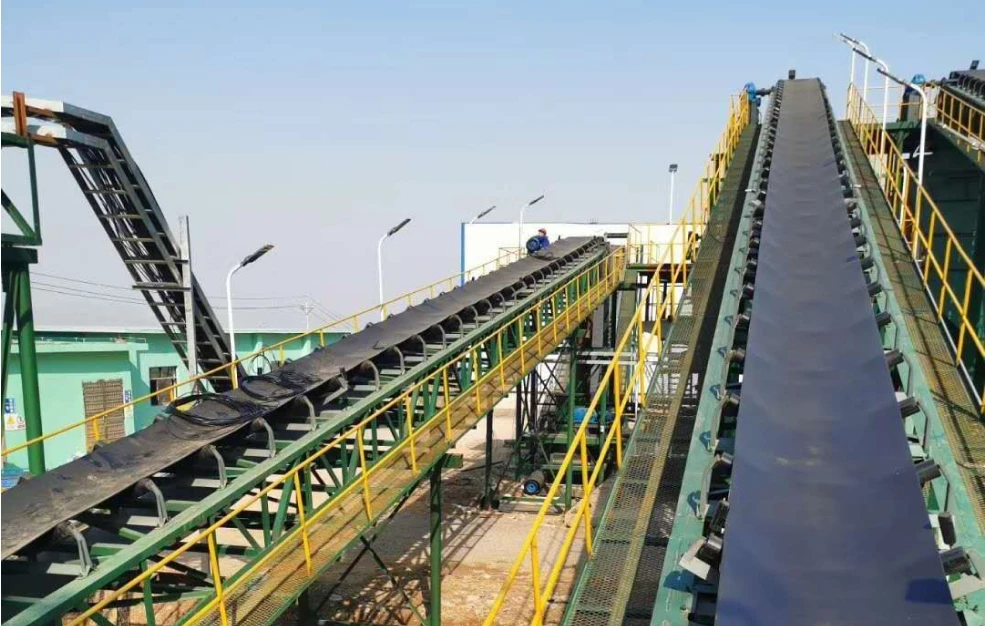
Hygienic Conveyor Roller Solution – Perfect for Sanitary Applications
Hygienic Conveyor Roller Solution – Perfect for Sanitary ApplicationsFeaturing seamless construction and FDA-compliant materials, these rollers meet strict cleanliness standards in pharmaceutical and food production. The easy-clean design prevents bacterial growth.
-
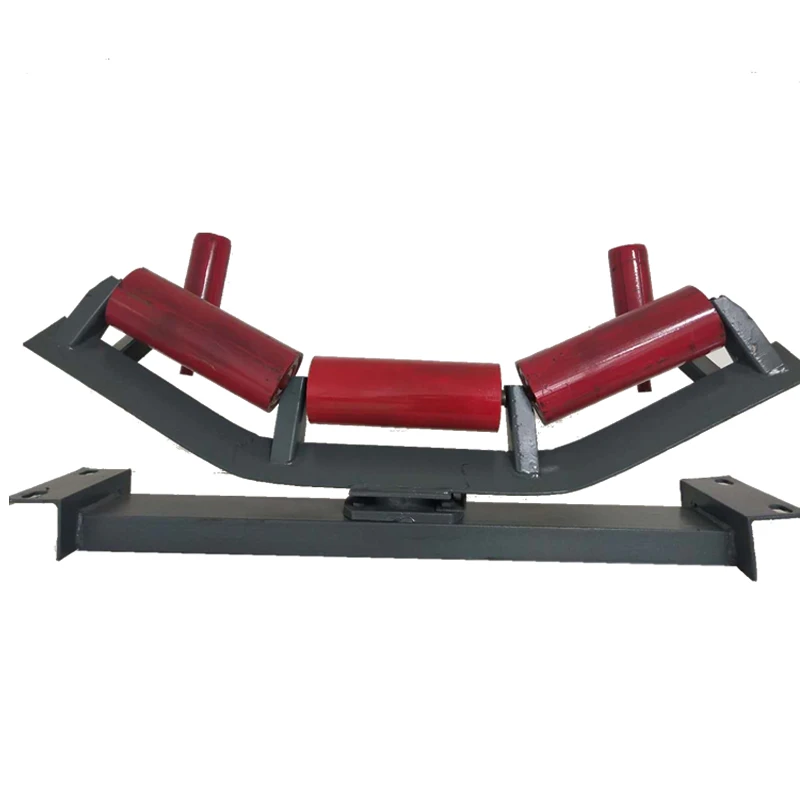 Groove Type Friction Self-aligning Roller
The self-aligning roller is commonly used in fixed belt conveyors to adjust the deviation of the conveyor belt.
-
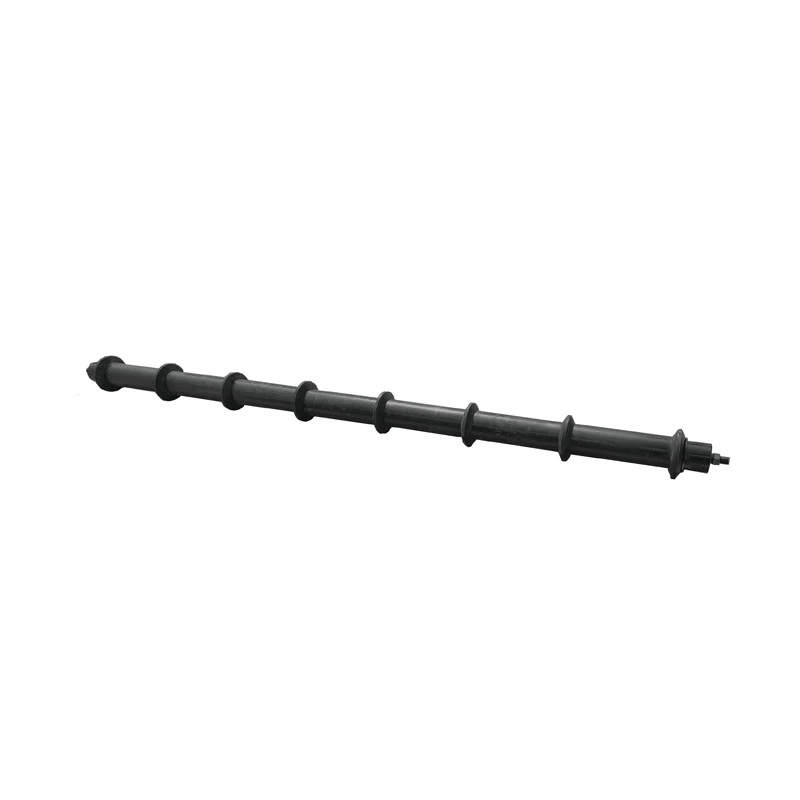 Return Comb Shaped Roller
Comb type idler, also known as comb type cleaning idler, is used in belt conveyors for transporting viscous materials. Elastic exclusion type annular rubber rings are placed on the surface of the roller body at intervals, and ABS plastic isolation rings are arranged in sections. To eliminate the sticky substances on the carrying surface of the conveyor belt.
-
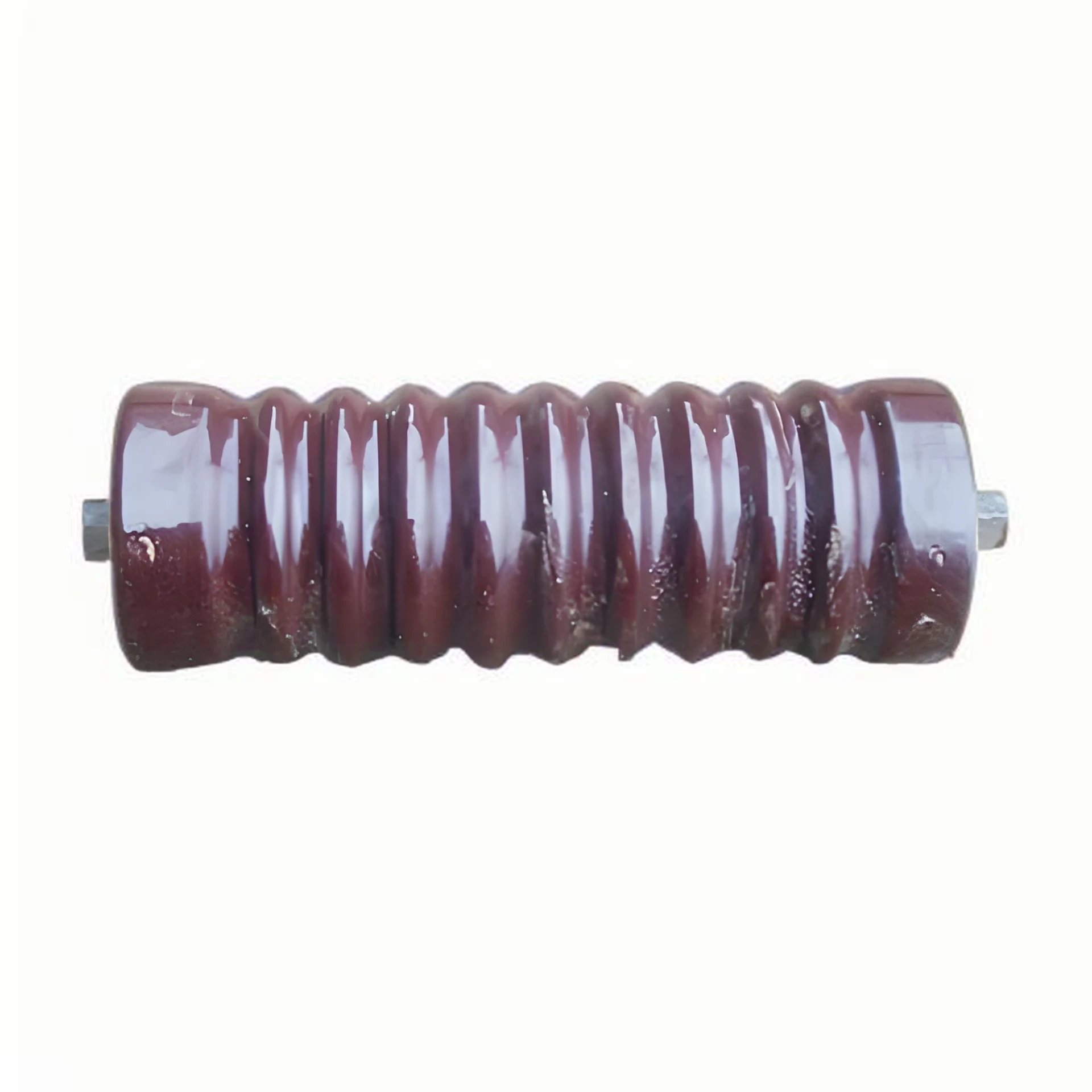 Parallel Ceramic Rollers For Conveyor
Ceramic rollers are composite components composed of ceramic bodies, bearings, shafts, and plastic labyrinth seals.
-
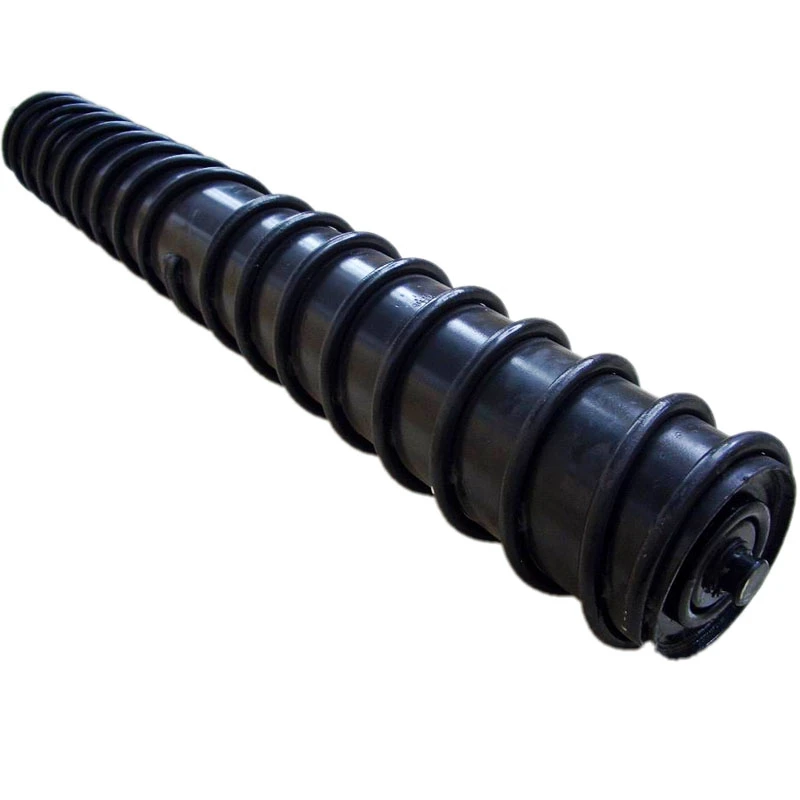 Spiral Conveyor Roller
Spiral rollers are mainly used to clean debris adhered to adhesive tape and can also play a role in adjusting deviation.
-
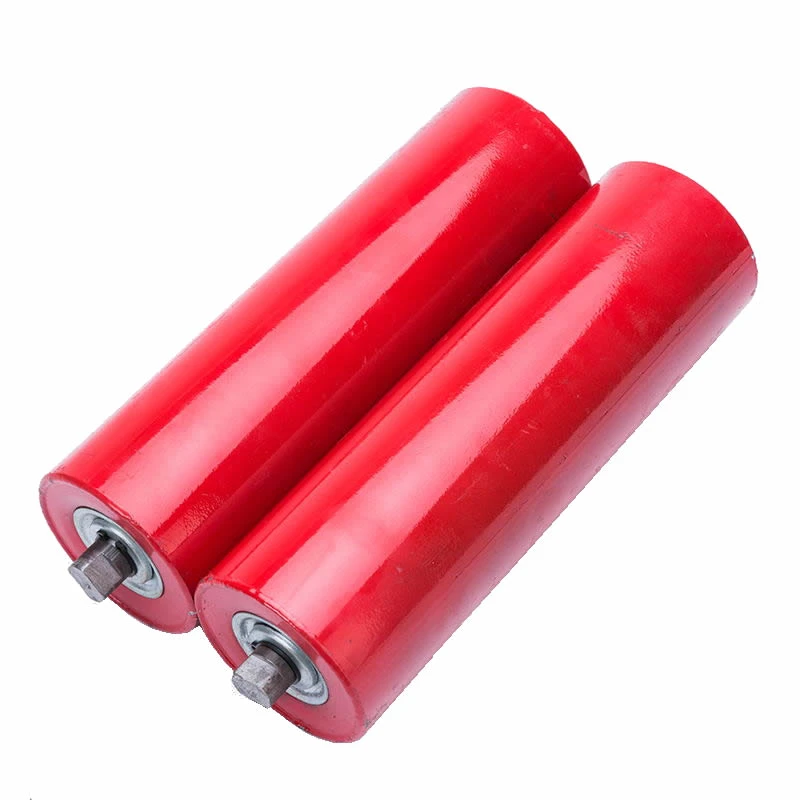 Conveyor With Parallel Return Rollers
Return rollers, also known as parallel rollers, are mainly used in the return section to support the return of an unloaded conveyor belt and ensure its smooth circulation.
-
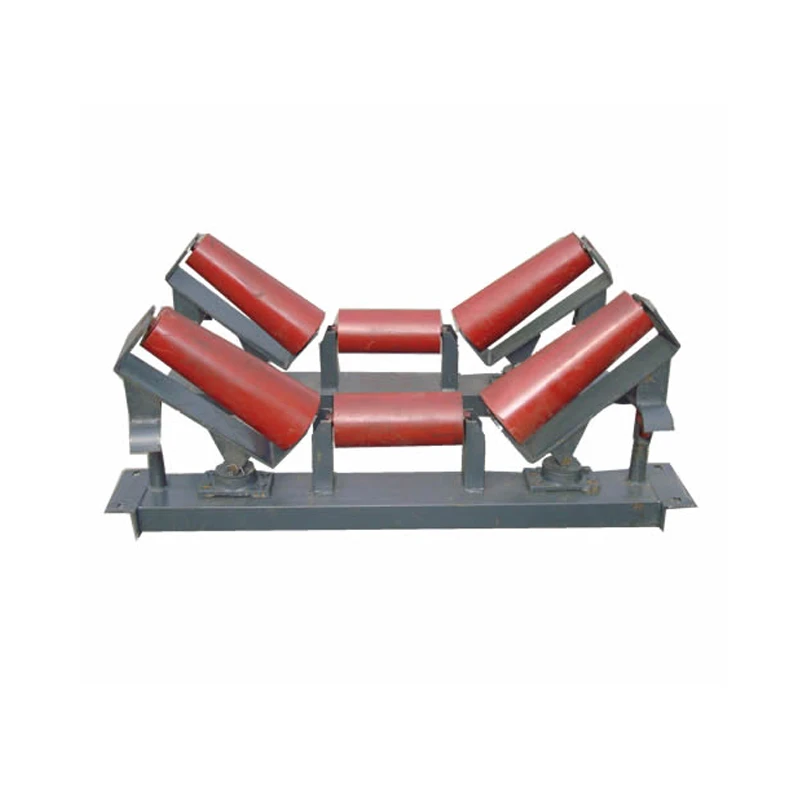 Cone Shaped Self-Aligning Roller
Conical idlers are divided into conical upward centering idlers and conical downward centering idlers, which have the characteristics of wear resistance, long service life, light weight, small rotational inertia, reliable sealing, and anti-corrosion performance.
-
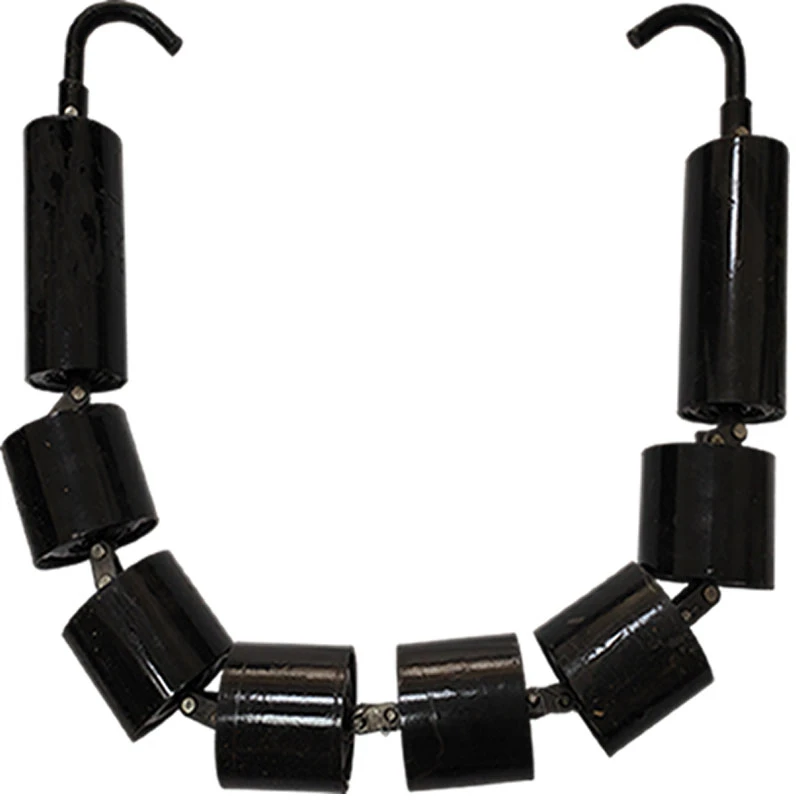 Belt Conveyor Triple Roller String
The triple roller set is different from the roller set. The rollers are connected by pins and fixed to the steel pipes on both sides with climbing hooks. This makes the roller set both lightweight and easy to disassemble. Reduced costs. It is quite flexible to use.
-
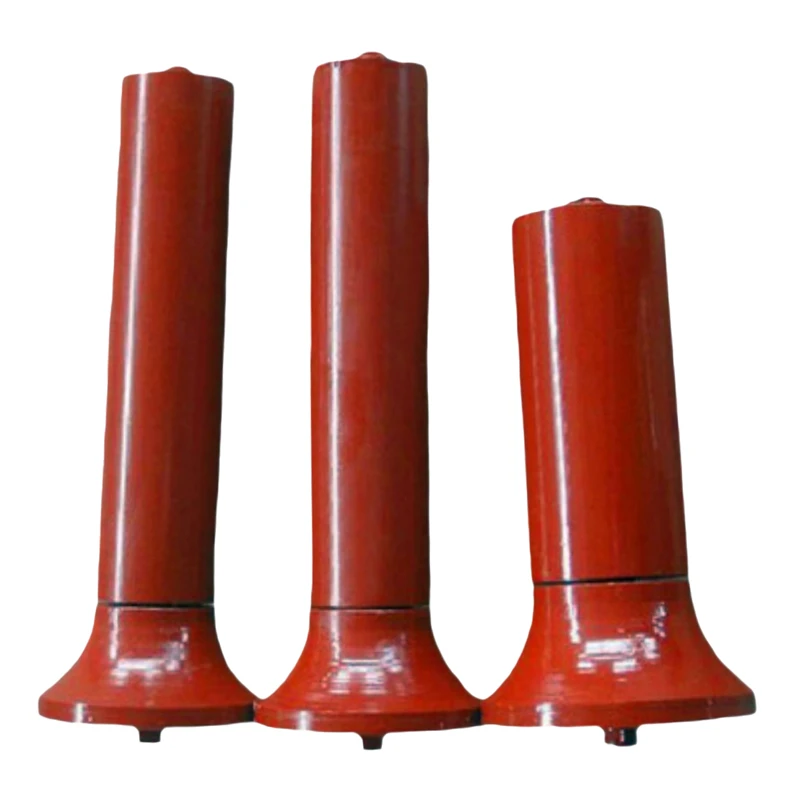 Self Aligning Friction Roller
Friction roller is a mechanical structure composed of a drum, shaft, and bracket, which plays a role in supporting materials, transmitting power, and maintaining stability during the movement of a conveyor belt.
Let's Get in Touch!
Send us a message and let our experts assist you with tailored solutions.


