QUESTIONS & ANSWERS
Self Aligning Roller FAQ: Specifications, Ordering and Support Questions
This FAQ answers common buyer and procurement questions about the self aligning roller products offered by Hebei Roule Transport Machinery Manufacturing Co.,Ltd — covering how they work, the available types (friction, groove-type, and cone-shaped), their documented characteristics, the industries that use them, and what to consider when selecting the right model for a belt conveyor system.

Frequently Asked Questions: Self Aligning Rollers
If you are evaluating a self aligning roller for a belt conveyor upgrade or new installation, the questions below cover the most important specification, application, and ordering topics based on Hebei Roule Transport Machinery Manufacturing Co.,Ltd's confirmed product range.
1. What is a self aligning roller and what does it do?
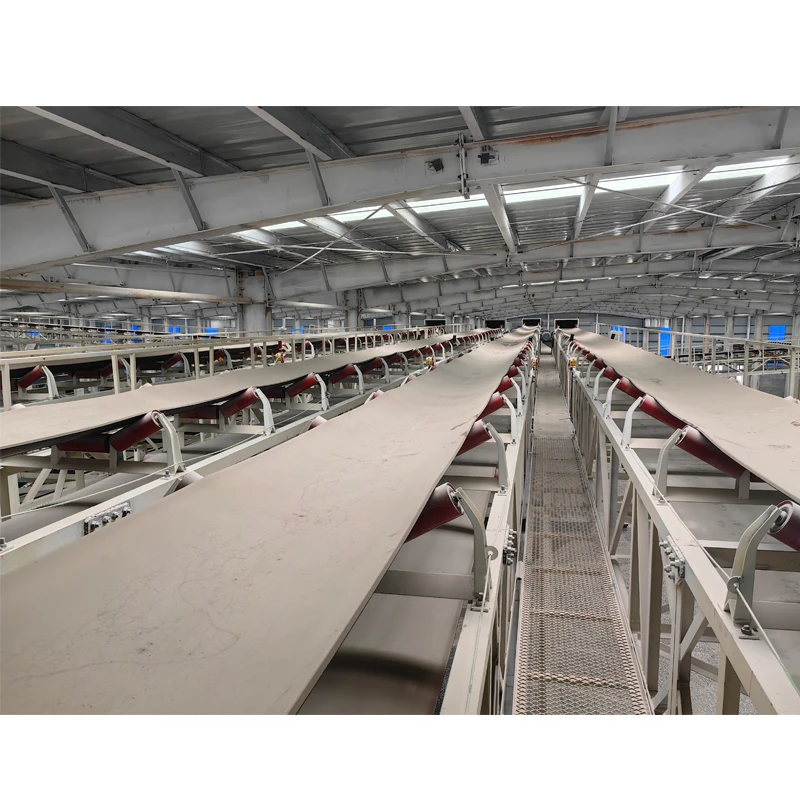
This conveyor component is designed to automatically return a drifting belt to its correct center position. When the belt deviates laterally — due to material weight, uneven loading, or friction imbalance — the roller's geometry creates a corrective force that guides the belt back, preventing edge wear, spillage, and damage to other conveyor components such as the drive unit and wheel boxes.
2. What types does Hebei Roule offer?
Hebei Roule Transport Machinery Manufacturing Co.,Ltd produces three main variants:
| Type | Core Working Principle | Typical Fit |
|---|---|---|
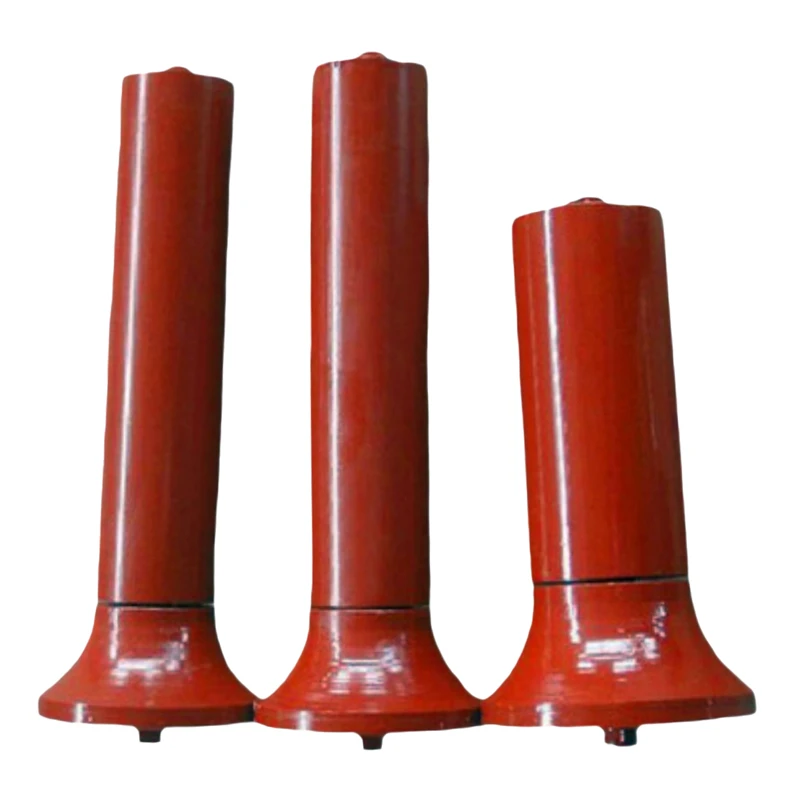
| Self Aligning Friction Roller | Rubber-covered drum generates friction force to support, drive, and center the belt | General belt conveyor applications across multiple industries |
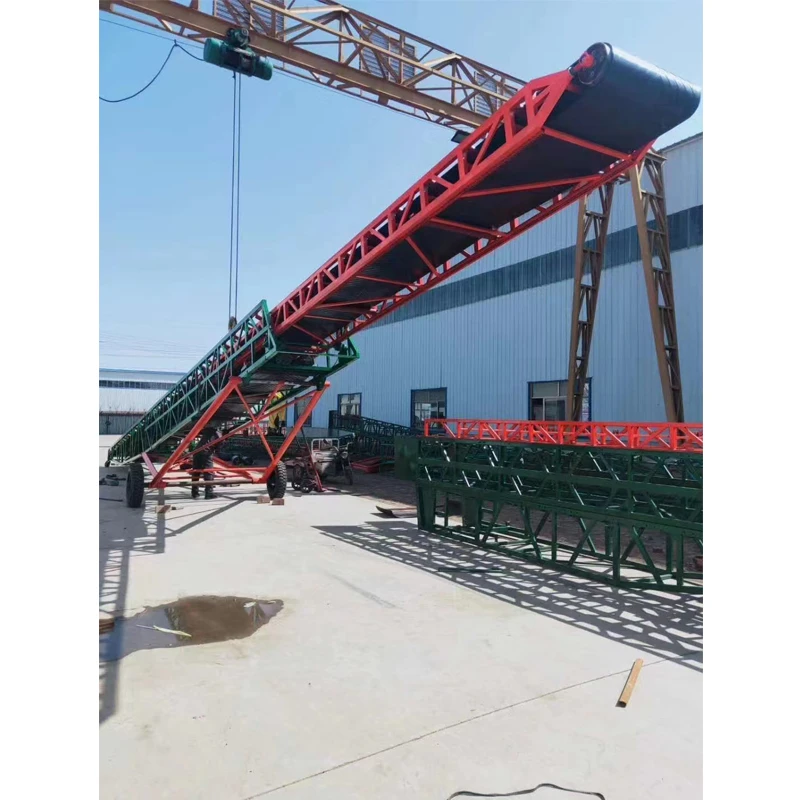
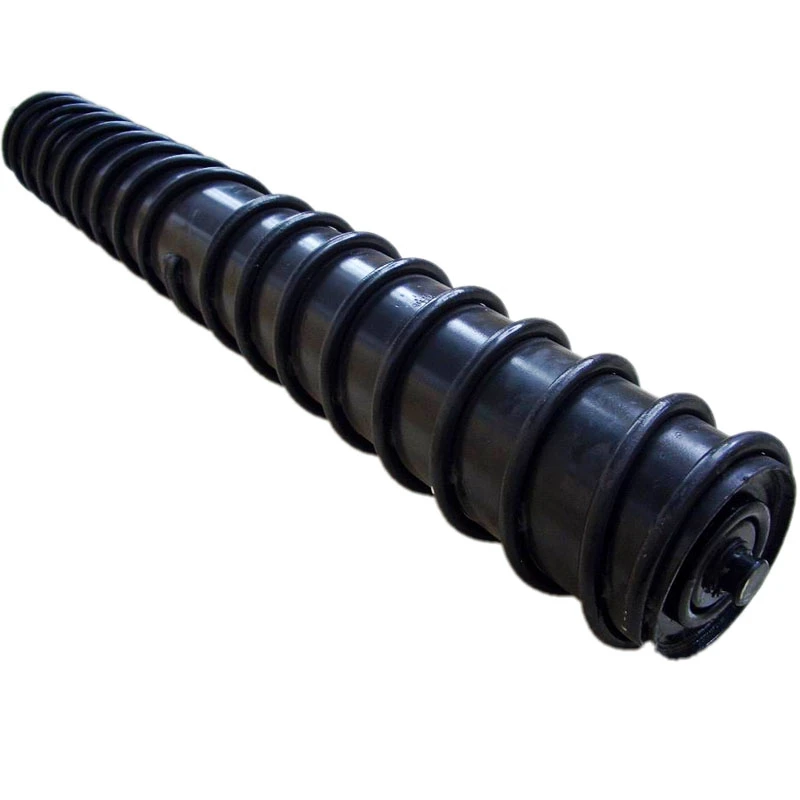
| Groove Type Friction Self-aligning Roller | Special structural design realigns the belt centerline on fixed conveyors | Fixed conveyors requiring continuous belt correction |
| Cone Shaped Self-Aligning Roller | Conical structure creates differential rotation speeds at each end, producing a centering force | Automated or deviation-sensitive conveyor lines |
3. How does a friction roller correct belt deviation?
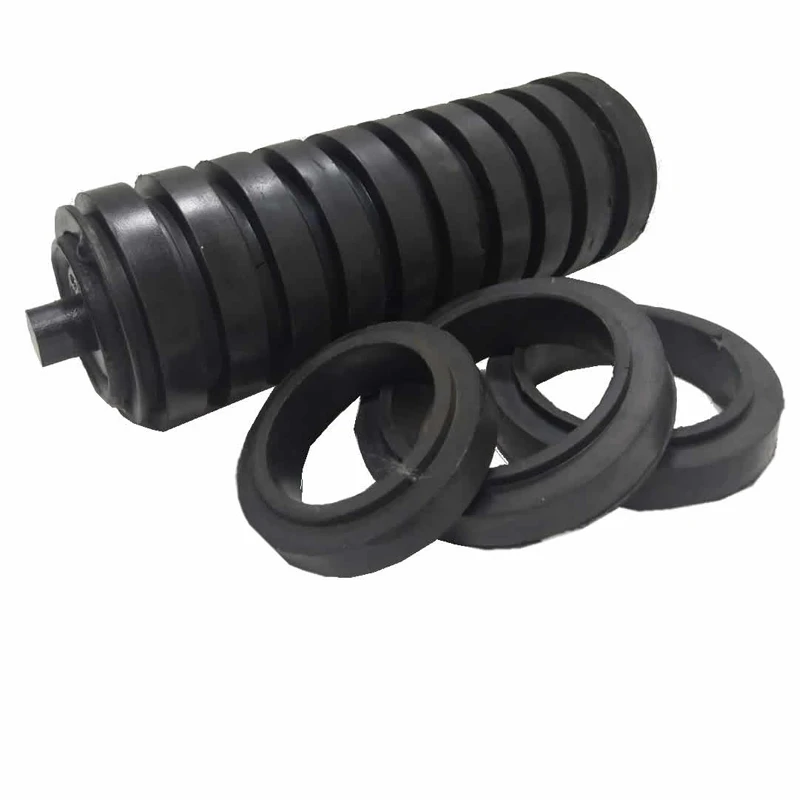
The friction variant is composed of a drum, shaft, and bracket. Its rubber-coated surface generates a controlled frictional force against the conveyor belt, both supporting the load and transmitting corrective power that brings the belt back toward its centerline. The mechanism also helps maintain a smooth belt surface and reduces instability from insufficient or excessive friction.
4. How does the cone-shaped design work?
Installed on both sides of the conveyor belt, the cone roller's tapered profile causes the two ends to rotate at different speeds when the belt drifts to one side. This speed differential creates a lateral corrective force that returns the belt to center without manual adjustment — particularly effective in high-volume or continuous-process applications where constant manual correction is impractical.
5. What are the key characteristics of the Self Aligning Friction Roller?
- Strong wear resistance — the rubber-covered drum withstands prolonged use across varied environments.
- Strong adhesion — the rubber bonding resists detachment during operation.
- Wide adaptability — suitable for long conveyors and longitudinal conveyors alike.
- Easy maintenance — the rubber surface can be replaced without special tools or equipment.
6. What characteristics does the cone-shaped variant offer?
- Excellent wear resistance under harsh operating conditions without easily damaging the belt
- Good self-lubricating properties with no lubrication maintenance required
- Anti-static, anti-combustion, and anti-aging performance — resistant to acids, alkalis, and organic solvents
- Ability to endure repeated impacts and vibrations with long service life and smooth operation
- Operating temperature range: -40 °C to 90 °C
- Lightweight design with easy installation and no ongoing maintenance requirement
- High-strength steel construction with sealed bearings that resist dust, moisture, and debris contamination
7. Which industries use these rollers?
Based on documented product information, alignment rollers — both friction and cone types — serve:
- Mining, power generation, metallurgy, and chemical processing
- Grain handling, construction, ports and docks
- Steel mills, coal mines, and cement plants
The groove type is specifically noted for fixed belt conveyors, including highly automated production lines.
8. What conveyor belt problems do alignment rollers prevent?
Without proper belt tracking, the conveyor centerline can continuously drift, leading to:
- Unstable conveyor operation
- Belt breakage, excess wear, and over-stretching
- Damage to drive units, wheel boxes, and downstream equipment
- Material spillage and production losses
- Higher failure rates, downtime, and maintenance costs
Automatic deviation correction reduces these risks, lowering maintenance costs and improving production efficiency.
9. What factors should I consider when selecting the right model?
Documented guidance recommends considering:
- Material characteristics — nature, weight, and flow rate of the conveyed material
- Conveying distance — longer systems may impose different alignment demands
- Conveying speed — higher belt speeds amplify deviation forces
- Sensitivity to deviation — precision or automated lines benefit from the cone-type design
- Maintenance access — friction rollers offer straightforward rubber-surface replacement
Choosing the appropriate model and configuration ensures safe, stable belt conveyor system operation.
10. Can these products be customized or ordered under OEM arrangements?
Hebei Roule Transport Machinery Manufacturing Co.,Ltd positions its conveyor roller products as available with custom and OEM configurations. For specific dimensional requirements, material configurations, or order quantities, contact the manufacturer directly; confirmed specifications are subject to technical review.
For product details or to request a quote, contact Hebei Roule Transport Machinery Manufacturing Co.,Ltd directly.
THE PEOPLE

About the author
THE COMPANY
Hebei Roule Transport Machinery Manufacturing Co.,Ltd
Hebei Roule Conveyor Machinery Manufacturing Co., Ltd. is a strong factory specializing in research and development, design, production, and sales. Since its establishment in 2010, we have been striving for excellence and committed to the development of the conveyor machinery industry. Our company specializes in roller series, conveyor belt series, conveyor belt series, drum series, and supporting conveyor machinery accessories.…
About Us ↗Visit company website ↗YOUR NEXT STEP
Bring your brief. Start a useful conversation.
Use case, specification, quantity and delivery window: make the next conversation specific.