THE BUYER'S GUIDE / SELECTION
Belt Conveyor Roller Price: How Working Requirements and Integration Fit Shape Your Selection
When evaluating belt conveyor roller price against project requirements, the right decision goes beyond cost. This guide explains the structural roles of different belt conveyor roller types—barrier rollers, standard carry and return rollers, triple roller strings, and spiral rollers—and identifies the working conditions and integration factors that determine which roller fits your conveyor line. Sourced from confirmed product specifications by Hebei Roule Transport Machinery Manufacturing Co.,Ltd.

Belt width and speed match: roller dimensions (diameter and face length) must correspond to the installed belt width using confirmed sizing specifications; mismatched dimensions affect trough formation, material containment, and bearing load.
Material type and operating environment: dry bulk materials suit standard carbon steel carry rollers; wet, sticky, or viscous materials require spiral rollers at cleaning/return positions; corrosive environments call for stainless steel, polymer, or rubber-coated variants; belt deviation conditions require barrier rollers connected to centering brackets.
Integration with existing conveyor structure: barrier rollers require a centering bracket and rotating mechanism; triple roller strings need pin-compatible climbing-hook frame mounts; spiral rollers are positioned at cleaning or return stations only; standard carry and return rollers must match frame bracket spacing.
Maintenance access and replacement frequency: triple roller strings are lighter and easier to disassemble than fixed sets, reducing replacement labor cost; spiral rollers reduce cleaning labor in sticky-material applications—both factors form part of the lifecycle cost alongside the initial belt conveyor roller price.
Why Belt Conveyor Roller Price Is Only One Part of the Selection Decision
For procurement teams sourcing conveyor belt rollers for sale, the unit price is a visible number—but it rarely tells the whole story. The true cost of any belt conveyor roller is shaped by how well it matches the working environment, the belt width and speed, the material being conveyed, and how it integrates with the existing conveyor structure. Choosing a roller solely on price without verifying these fit factors can lead to premature wear, belt deviation, or unplanned downtime.
This guide covers the confirmed belt conveyor roller types available from Hebei Roule Transport Machinery Manufacturing Co.,Ltd, explains the working requirements each is designed to meet, and outlines the integration criteria buyers should verify before placing an order.
Understanding the Core Roller Types and Their Functions
1. Belt Conveyor Barrier Roller (Vertical Roller)
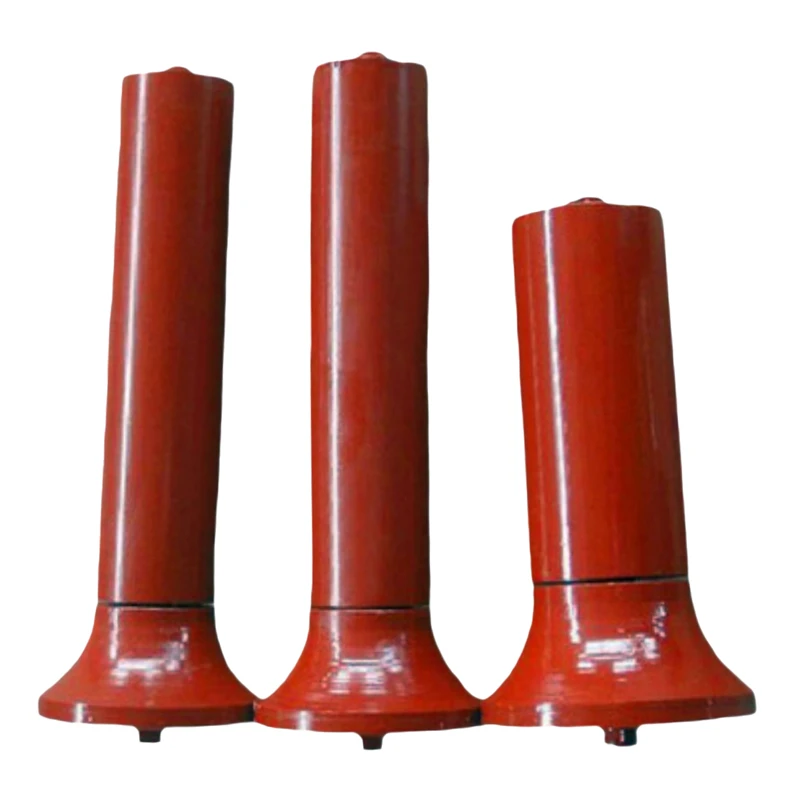
The belt conveyor barrier roller—also called a vertical roller or stop roller—is connected to the centering bracket and installed on both sides of the conveyor belt. Its primary job is belt alignment control, not load carrying.
How it works: When the conveyor belt deviates to one side, it contacts the barrier roller. The roller rotates around its shaft through the force generated by belt movement, activating the rotating mechanism and tension rod. This pushes the entire roller group to rotate by an angle, guiding the belt back to its correct running path.
Beyond correction, the barrier roller also:
- Adjusts belt tension by cooperating with the tension regulator, ensuring the belt operates at the appropriate tension state for stable operation.
- Buffers material impact, reducing the force transferred to the belt during loading.
A key operational note: the number and arrangement of barrier rollers affect conveyor performance. A higher count of barrier rollers generally reduces material resistance and energy consumption; the arrangement influences the falling position and unloading speed of material.
Integration requirement: The barrier roller must be matched with a centering bracket assembly. It is not a standalone carry roller—it works together with other conveyor components to stabilize belt tracking.
2. Standard Carry and Return Rollers
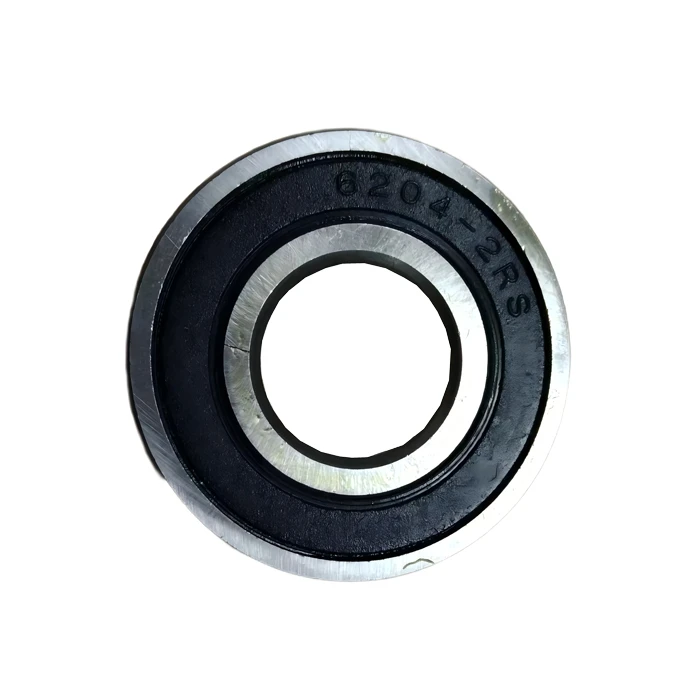
The standard roller is the structural backbone of any belt conveyor. It supports the weight of both the conveyor belt and the materials being transported. Each roller is composed of a pipe body, shaft, bearings, and sealing device.
Available diameter specifications: φ60, φ76, φ89, φ102, φ108, φ114, φ127, φ133, φ140, φ159, φ165, φ176, φ194 mm and more.
Materials: carbon steel, stainless steel, nylon, polymer.
Belt width and roller size matching (confirmed sizing reference):
| Belt Width (mm) | Carry Roller | Return Roller |
|---|---|---|
| 500 | φ89 × 190 mm | φ89 × 600 mm |
| 650 | φ89 × 240 mm | φ89 × 750 mm |
| 800 | φ89 × 305 mm | φ89 × 950 mm |
| 1000 | φ108 × 375 mm | φ108 × 1150 mm |
| 1200 | φ108 × 455 mm | φ108 × 1400 mm |
| 1400 | φ108 × 525 mm | φ108 × 1600 mm |
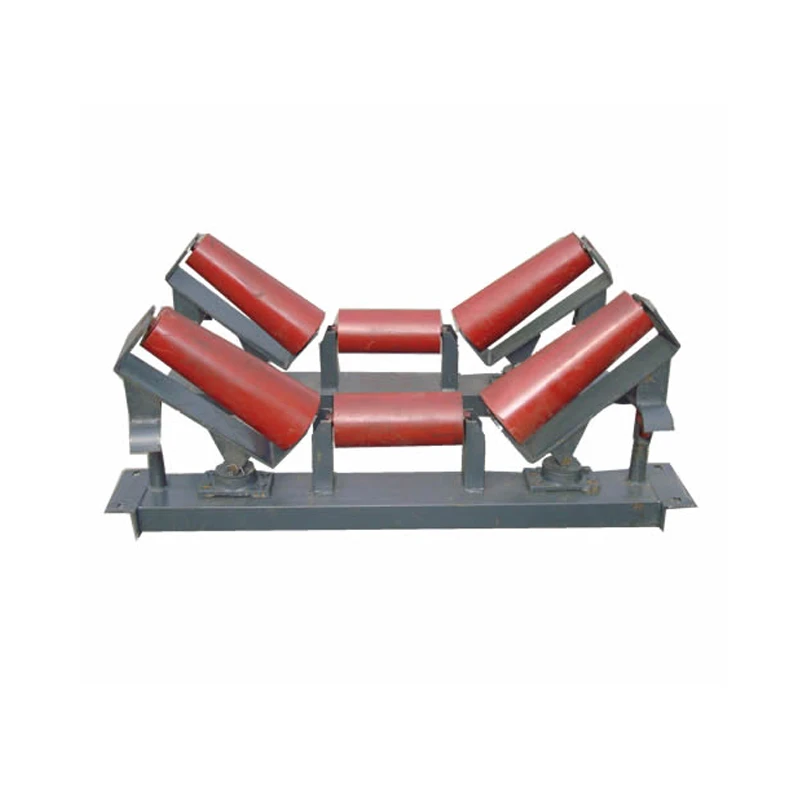
The groove design supports roller sets placed at multiple angles, forming a trough shape to contain material and prevent overflow. Rubber-coated surfaces are available to reduce noise, absorb impact, and improve friction characteristics. Special coatings can be applied for resistance to mechanical wear, corrosion, and temperature changes—relevant for mining, logistics, and ore-processing environments.
Integration requirement: Carry roller dimensions must be matched to the belt width. Selecting a roller too narrow or too wide for the installed belt will affect trough formation and material containment.
3. Belt Conveyor Triple Roller String
The triple roller string differs from a fixed roller set: individual rollers are connected by pins and fixed to steel pipes on both sides with climbing hooks. This makes the assembly both lightweight and easier to disassemble compared to rigid frames, which can reduce replacement costs.
Primary functions:
- Bearing and support: Carries belt and material weight for stable conveyor operation.
- Reducing friction damage: Lowers friction on the belt surface, extending belt service life.
- Preventing belt deviation: Provides centering force against the side where deviation occurs, correcting belt path.
- Multi-angle conveying: The pin-connected design enables multi-directional operation, allowing accurate material positioning.
The triple roller string uses friction transmission technology with a low friction coefficient, reducing operating resistance and energy consumption. Its design also incorporates anti-slip, anti-deviation, and explosion-proof safety measures.
Integration requirement: The climbing-hook attachment method requires compatible steel pipe frame mounting points. Buyers replacing fixed roller sets with triple roller strings should confirm frame compatibility before purchase.
4. Spiral Conveyor Roller
The spiral roller is a specialist type for conveyors handling materials with high viscosity or adhesion—wet coal slurry, clay, and similar substances that would accumulate on a standard roller surface.
Dual function—self-cleaning and deviation correction:
- As the spiral roller rotates with the belt, its continuous spiral blades produce a stable scraping force that strips sticky material from the belt surface, preventing buildup and blockage.
- The structural layout of the spiral blades generates uniform lateral traction during rotation, helping correct belt offset passively.
Confirmed operating temperature range: -40 °C to 70 °C.
Suitable applications: coal washing plants (wet coal slurry), clay conveying, grain processing (V-shaped spiral variant), and the phosphate compound fertilizer industry.
Integration requirement: The spiral roller is a return-side or cleaning-position component. It is not a direct substitute for carry rollers supporting material load. Its installation position must be planned as part of the belt cleaning and deviation-control system.
Key Selection Criteria for Belt Conveyor Rollers
Before requesting a belt conveyor roller price quotation, buyers should document the following working requirements:
Criterion 1 — Belt Width and Speed Match
Every roller type has dimensional constraints tied to the belt width. Carry and return roller lengths must match the installed belt width using the confirmed sizing table above. Running a belt at a speed or tension outside the roller's design range accelerates bearing wear and increases deviation risk.
Criterion 2 — Material Type and Operating Environment
The material conveyed determines both the roller surface specification and the roller type:
- Dry, granular, or chunky bulk materials (coal, gravel, cement, grain): standard carbon steel carry rollers with trough formation.
- Wet, sticky, or high-viscosity materials (wet coal slurry, clay): spiral rollers at the return/cleaning positions to prevent buildup.
- Corrosive or high-humidity environments: stainless steel or polymer rollers where confirmed; rubber coatings for impact absorption and noise reduction.
- Applications requiring active belt tracking correction: barrier roller (vertical roller) installation on both sides, connected to the centering bracket.
Criterion 3 — Integration with Existing Conveyor Structure
Each roller type connects differently to the conveyor frame:
- Barrier rollers require a centering bracket and rotating mechanism.
- Triple roller strings require pin-compatible frame mounting with climbing hooks.
- Spiral rollers are positioned at cleaning or return stations, not as primary carry rollers.
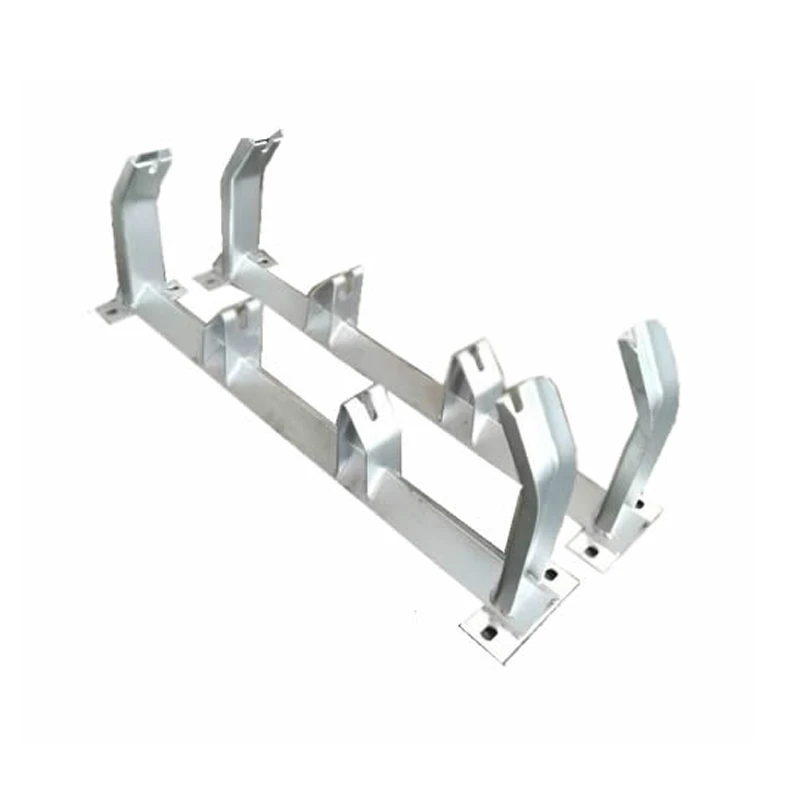
- Standard carry and return rollers must match the frame's roller bracket spacing and belt width.
Criterion 4 — Maintenance Access and Replacement Frequency
Triple roller strings are lighter and easier to disassemble than fixed roller sets, which can lower labor costs in high-frequency replacement environments. Spiral rollers reduce secondary cleaning labor in sticky-material applications. Both factors should be included in total lifecycle cost analysis alongside the initial belt conveyor roller price.
What the Belt Conveyor Roller Price Reflects
The price of conveyor belt rollers for sale is typically influenced by:
- Diameter and length — larger rollers for wider belts require more material and machining.
- Material selection — carbon steel, stainless steel, nylon, or polymer each carry different raw material costs.
- Surface treatment — rubber coating, corrosion-resistant coating, or spiral blade fabrication add to unit cost but reduce lifecycle replacement frequency.
- Roller type complexity — a spiral roller or triple roller string involves more components and assembly steps than a plain carry roller.
Hebei Roule Transport Machinery Manufacturing Co.,Ltd produces rollers across the full specification range. For accurate pricing, buyers are encouraged to provide belt width, roller type, material, diameter, and quantity requirements at the time of inquiry. Contact the manufacturer for a project-specific quotation.
Selecting the Right Roller: A Summary Decision Framework
| Working Requirement | Recommended Roller Type |
|---|---|
| Belt tracking correction and tension adjustment | Belt Conveyor Barrier Roller (Vertical Roller) |
| Standard load support for dry bulk materials | Carry and Return Rollers (carbon steel or polymer) |
| Impact absorption, corrosion resistance needed | Carry Rollers with rubber or specialty coating |
| Multi-angle conveying, lightweight frame, easy replacement | Triple Roller String |
| Sticky or viscous materials (wet coal, clay) | Spiral Conveyor Roller |
Matching the roller type to the confirmed working requirement—before comparing belt conveyor roller price across suppliers—ensures that the selected product will integrate correctly and perform reliably across the full service life of the conveyor.
Hebei Roule Transport Machinery Manufacturing Co.,Ltd manufactures conveyor rollers across the specifications described above. For project-specific requirements, dimensions, or quantity enquiries, contact the team directly.
THE PEOPLE

About the author
THE COMPANY
Hebei Roule Transport Machinery Manufacturing Co.,Ltd
Hebei Roule Conveyor Machinery Manufacturing Co., Ltd. is a strong factory specializing in research and development, design, production, and sales. Since its establishment in 2010, we have been striving for excellence and committed to the development of the conveyor machinery industry. Our company specializes in roller series, conveyor belt series, conveyor belt series, drum series, and supporting conveyor machinery accessories.…
About Us ↗Visit company website ↗YOUR NEXT STEP
Bring your brief. Start a useful conversation.
Use case, specification, quantity and delivery window: make the next conversation specific.