Understanding the Rise of Electric Conveyors
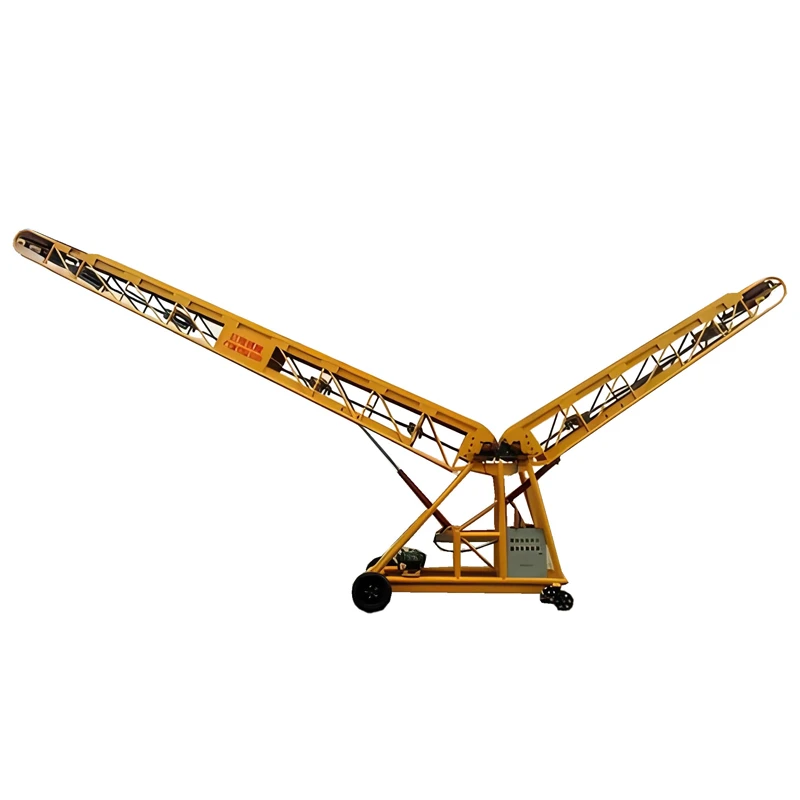
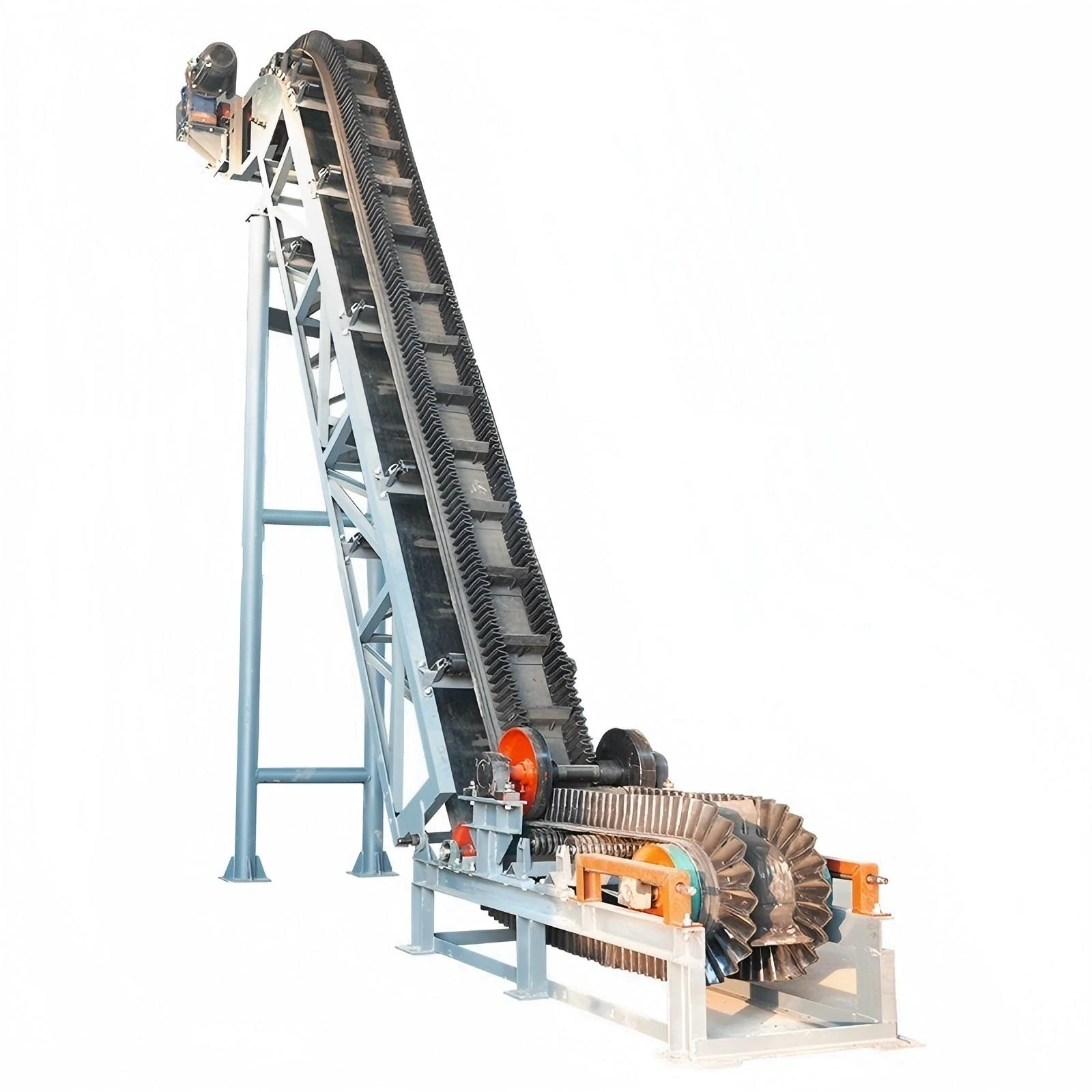
You know, I’ve been working around industrial equipment for… well, a long time. And the shift towards electric conveyors has been remarkable. It’s not just about “going green” – though that's obviously a big part of it. It’s about precision, control, and frankly, reducing a lot of the headaches associated with traditional pneumatic or hydraulic systems. There’s a quiet revolution happening on the factory floor, and it’s powered by electricity. We’re seeing a growing demand for them across every sector – from food processing to automotive parts. It’s a really interesting time.
Key Features & Specifications
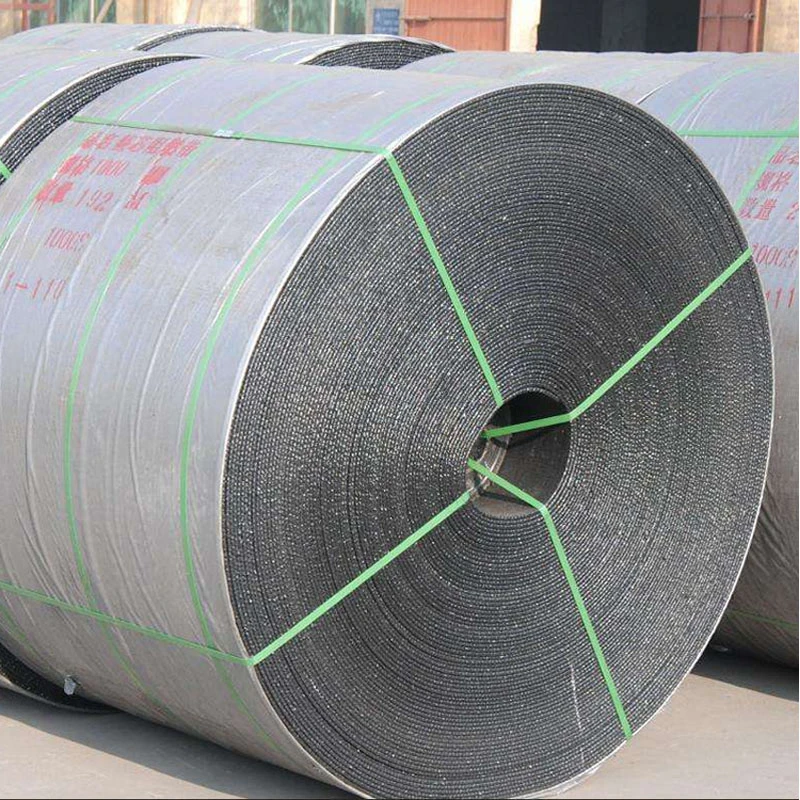
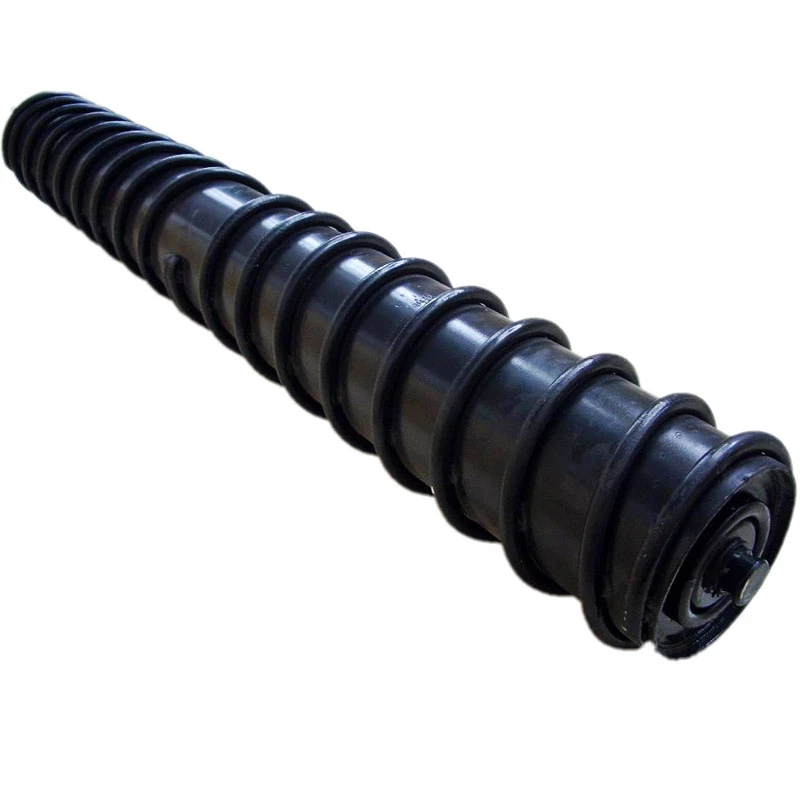
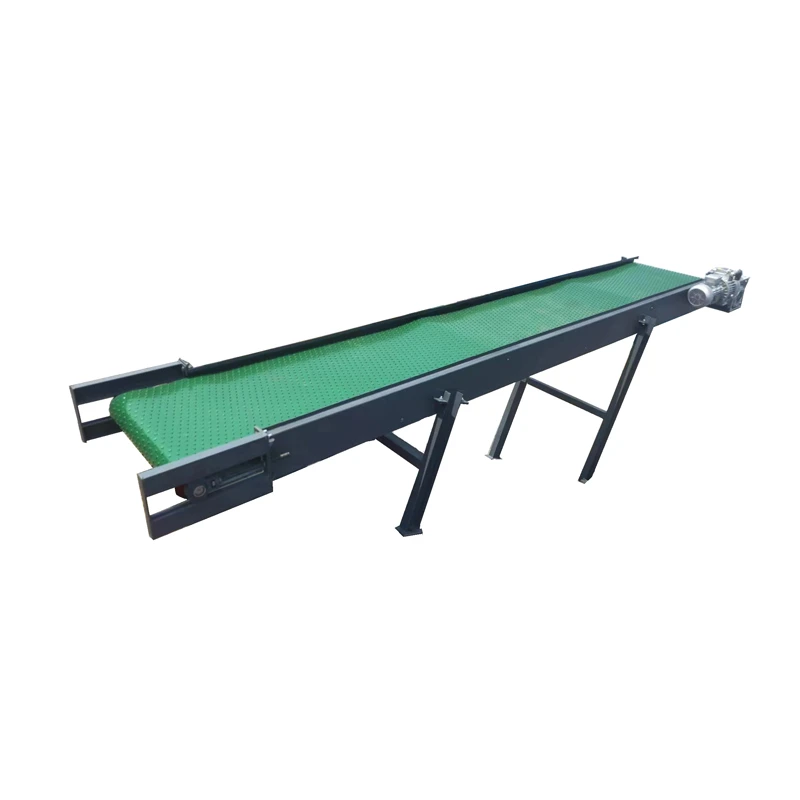
What I've noticed, talking to engineers, is that the demands are evolving. It's not enough to just move a product from A to B. They need data, they need flexibility, and they need reliability. That means a move toward more sophisticated motor controls, intelligent sensors, and robust construction. Here's a breakdown of typical specs for a mid-range electric conveyor—something you’d see handling moderate loads in a warehousing or light manufacturing setting:
| Parameter |
Value |
Notes |
| Motor Type |
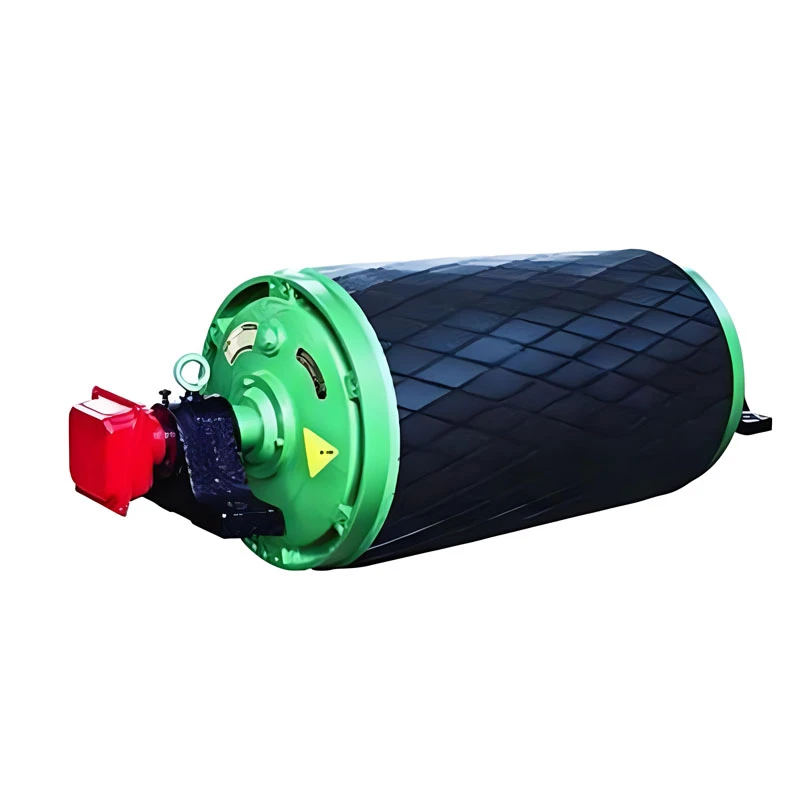
Brushless DC |
High efficiency, low maintenance |
| Belt Material |
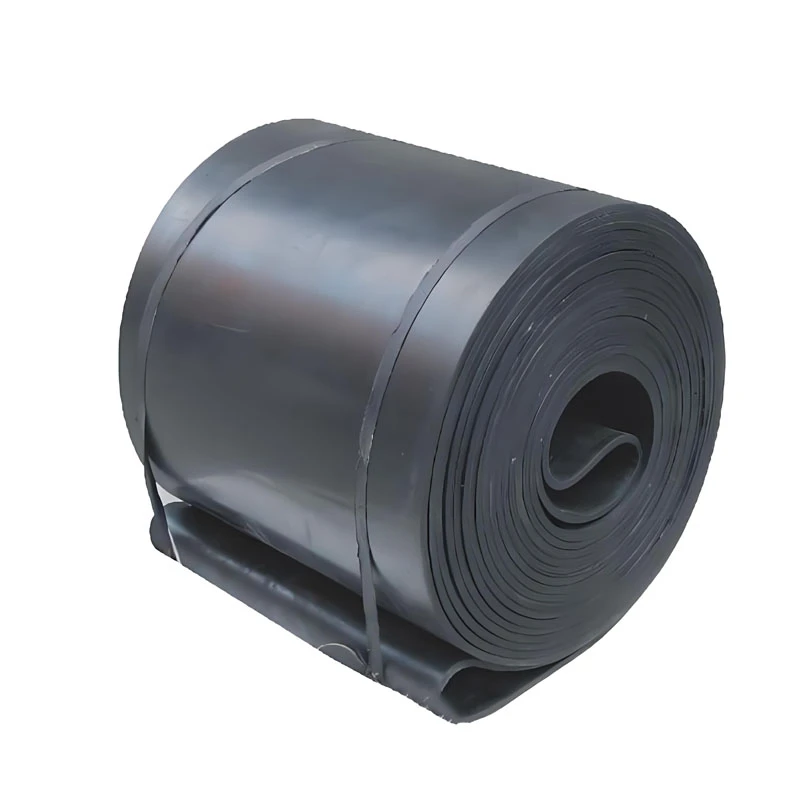
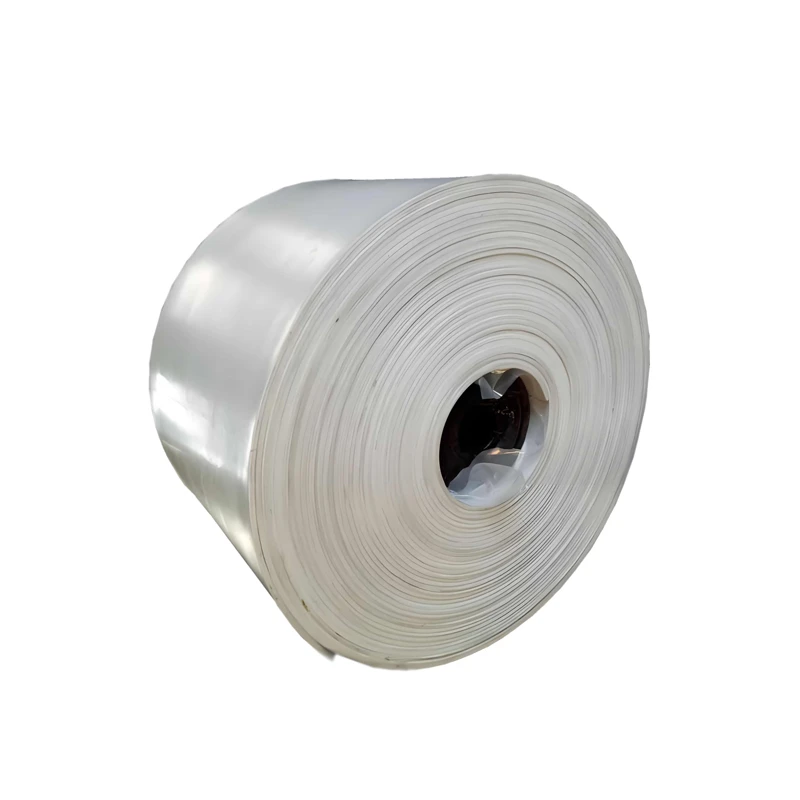
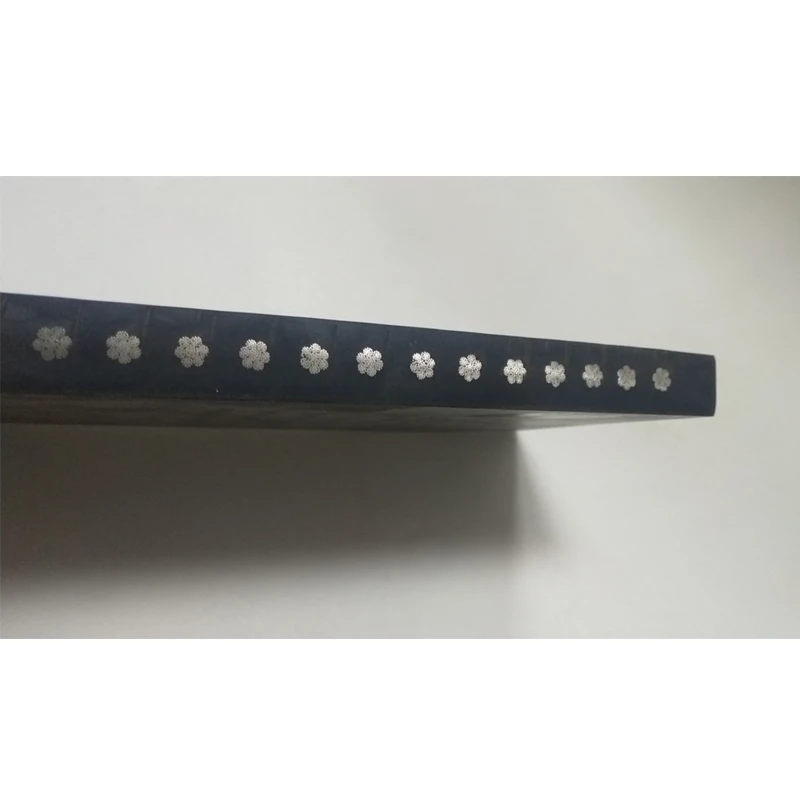
PVC, Rubber, or Modular |
Application dependent |
| Load Capacity |
Up to 100 kg/meter |
Customizable |
| Speed Control |
Variable Frequency Drive (VFD) |
Precise speed adjustments |
Vendor Landscape and Considerations
Choosing the right vendor is crucial. There’s a lot of competition out there, and quality varies wildly. I suppose a lot of it comes down to application—what are you moving, how often, and in what kind of environment? Here’s a quick comparison of some of the key players. It's not exhaustive, of course, but a starting point.
HG Conveyor Belt has quickly become a reputable name, but others have established themselves for decades.
| Vendor |
Strengths |
Weaknesses |
| HG Conveyor Belt |
Customization, fast turnaround |
Relatively new to the market |
| Siemens |
Reliability, integration with PLCs |
High cost, complex systems |
| Dorner |
Wide product range, established brand |
Can be slow to respond to custom requests |
Looking Ahead: The Future of Movement
I remember one client, a small bakery, who switched to an electric conveyor system. They were struggling with inconsistent speeds and frequent breakdowns with their old pneumatic system. After the upgrade, they saw a noticeable improvement in production efficiency and a reduction in waste. It's the little things, you know? Electric conveyors aren’t just a trend; they’re a smarter, more efficient way to move things. And as technology continues to improve – with better sensors, more sophisticated controls, and increasingly affordable components – they’ll only become more prevalent. It's a fundamental shift in how we think about material handling.
References:
- Industry durability reports, HKaiseal 2023
- Maintenance strategies for conveyor equipment, Journal of Manufacturing 2022
- Personal project insights & engineer interviews 2018–2023