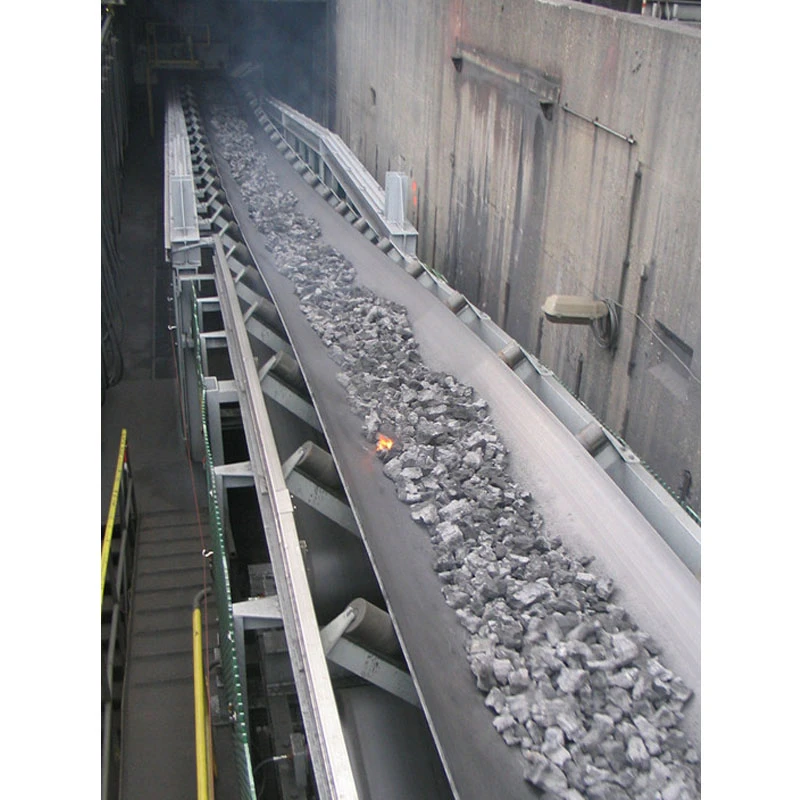
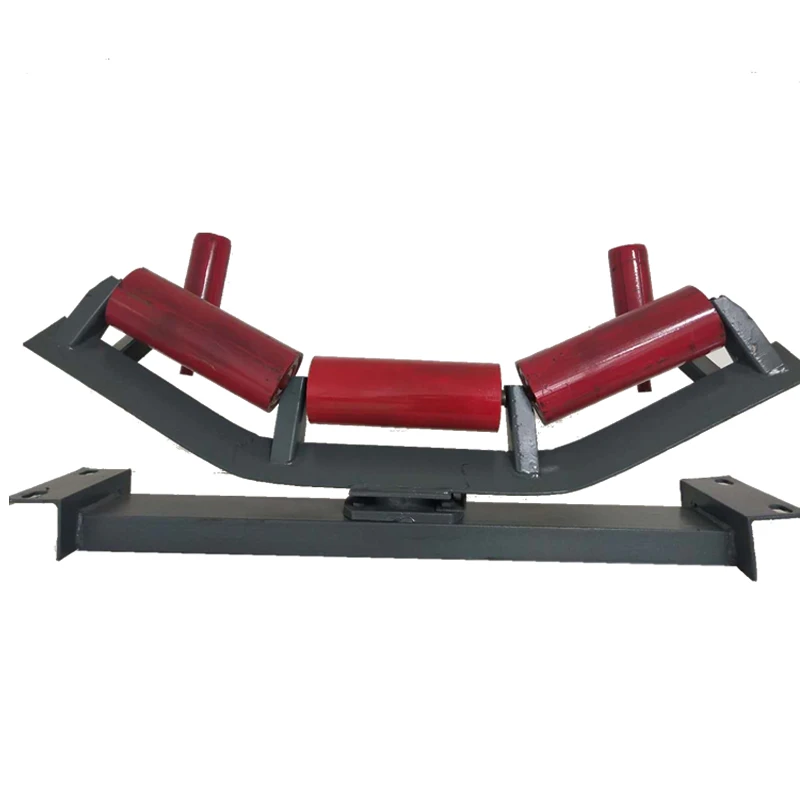
In the high-stakes world of bulk material handling, the profitability of a mining or industrial facility often rests on the reliability of its transport systems. While many operators focus their capital expenditure on the drive motors and the high-tension carrying side of the belt, the underside of the system—the return path—is frequently where operational efficiency is either won or lost. The return roller serves as the primary support for the belt during its most vulnerable phase, where it is inverted and exposed to environmental contaminants. For B2B procurement managers and plant engineers, understanding that the return side is not merely a "passive" part of the conveyor but an active participant in belt health is the first step toward reducing unplanned downtime.
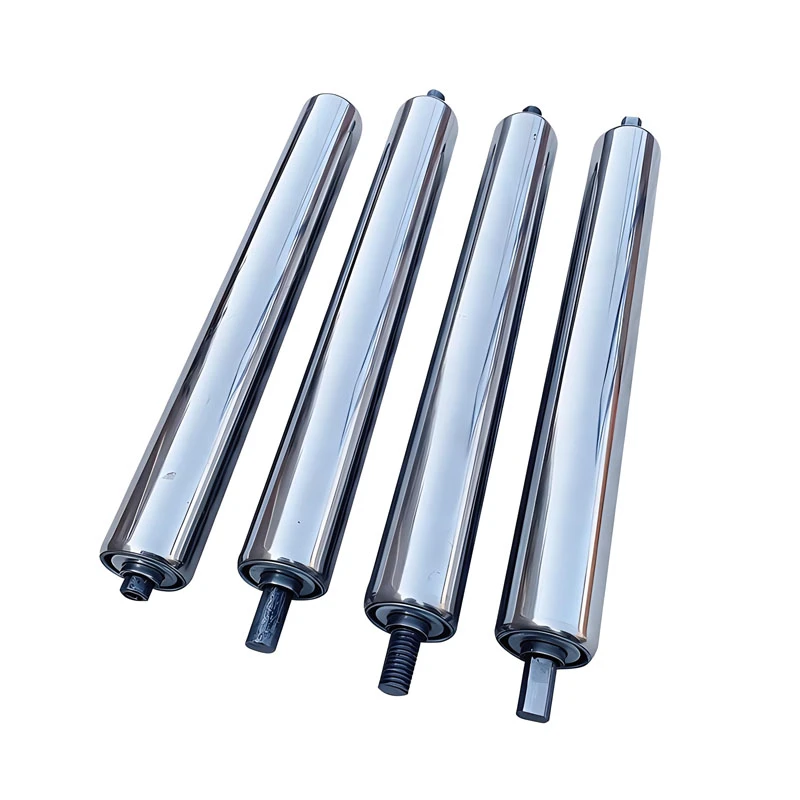
A high-performance return roller is designed to do more than just spin; it is engineered to maintain constant belt tension and prevent the dangerous sagging that leads to structural interference. In large-scale operations, a single seized roller can cause friction-induced heat, potentially leading to belt damage or even fire hazards. By prioritizing the selection of rollers with superior bearing protection and low-friction shells, industrial enterprises can significantly lower their energy consumption. For the B2B buyer, this transition from commodity-based purchasing to value-based engineering ensures that every component contributes to the longevity of the most expensive asset on site: the conveyor belt itself.
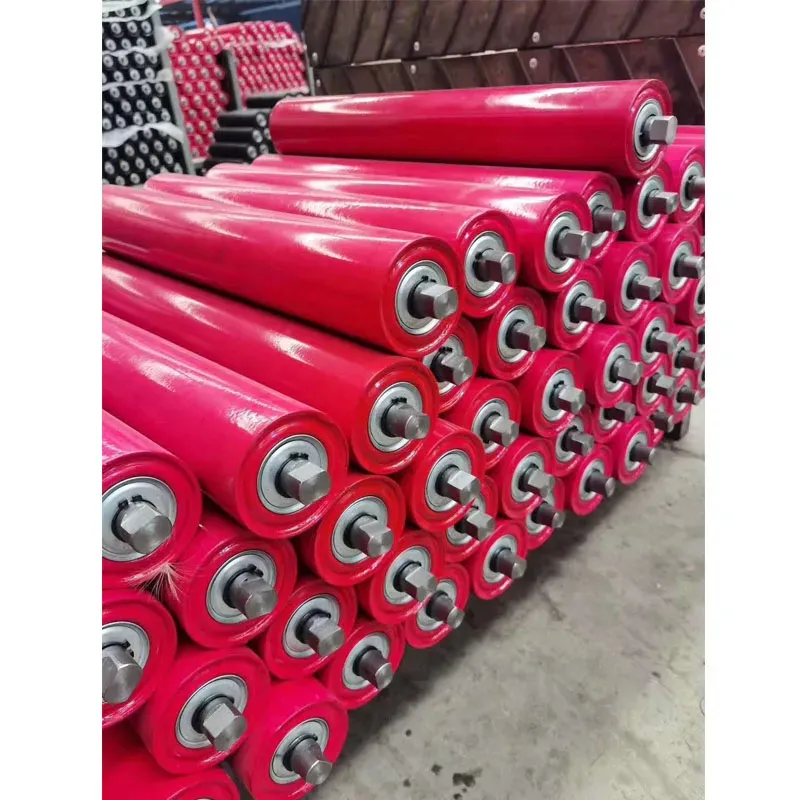
The Critical Importance of Precision Conveyor Return Idler Alignment
Maintaining a straight belt path is one of the most persistent challenges in long-distance material handling. The conveyor return idler is the fundamental component responsible for this tracking accuracy. When the return path is misaligned, the belt begins to "wander," causing it to rub against the conveyor frame. This not only destroys the belt edges but also places immense lateral stress on the idler brackets. A precision-engineered conveyor return idler ensures that the belt is guided back to the tail pulley in a perfectly centered position, reducing the need for constant manual adjustments and mechanical tracking devices.
The structural integrity of the conveyor return idler assembly is paramount, especially in high-speed applications. If the idler shaft deflects under the weight of the belt, the resulting vibration can accelerate bearing fatigue and lead to a catastrophic failure of the shell. Modern B2B solutions focus on heavy-duty shaft designs and reinforced end-caps that maintain their geometry under varying load conditions. By investing in high-specification idlers, facilities can move away from reactive maintenance and toward a predictive model, where the performance of the return path is guaranteed across the entire life cycle of the conveyor system.
Advanced Debris Management with Self Cleaning Return Idlers
One of the most significant threats to the efficiency of a belt conveyor is the phenomenon known as carryback—residual material that sticks to the belt after the discharge point. Standard steel rollers are ill-equipped to handle this, as the material quickly builds up on the smooth surface, creating an uneven diameter that forces the belt out of alignment. The introduction of self cleaning return idlers has revolutionized how heavy industries manage this problem. These idlers are specifically designed to break the bond between the debris and the belt, ensuring that the return path remains clear and the roller diameter remains constant.
The implementation of self cleaning return idlers is a strategic move for any facility dealing with moist, sticky, or abrasive materials like limestone, coal, or wet ores. These components utilize specialized geometries or material coatings to shed build-up during rotation. This autonomous cleaning action eliminates the need for manual scraping, which is both labor-intensive and hazardous for maintenance personnel. From a B2B sales perspective, the return on investment for self-cleaning technology is found in the drastic reduction of labor costs and the elimination of "belt-flick," where accumulated material falls off in large clumps, creating housekeeping issues and safety hazards beneath the conveyor structure.
Technical Superiority of the Spiral Return Idler in Harsh Environments
In the most demanding industrial environments, such as salt mining or chemical processing, standard rollers often fail due to extreme corrosion or massive material accumulation. The spiral return idler offers a unique mechanical solution to these challenges. By featuring a continuous screw-like flight that wraps around the roller body, the spiral design creates a dual-action benefit. Firstly, it provides a high-intensity cleaning action that "augurs" material off the belt surface. Secondly, the alternating direction of the spiral helps to center the belt, providing an inherent tracking capability that is far superior to traditional flat rollers.
The spiral return idler is particularly effective in outdoor applications where rain or frost can cause the belt to become slippery. The spiral flights provide additional grip and help to channel water away from the center of the belt, maintaining a stable interface between the belt and the roller. For B2B partners, the spiral design represents a "problem-solver" component. It is the go-to recommendation for sites that have historically struggled with mistracking in wet conditions. By replacing problematic standard units with spiral technology, plant operators can achieve a level of consistency in their material flow that was previously impossible, regardless of weather or material consistency.
Enhancing Belt Protection Using Rubber Disc Return Rollers
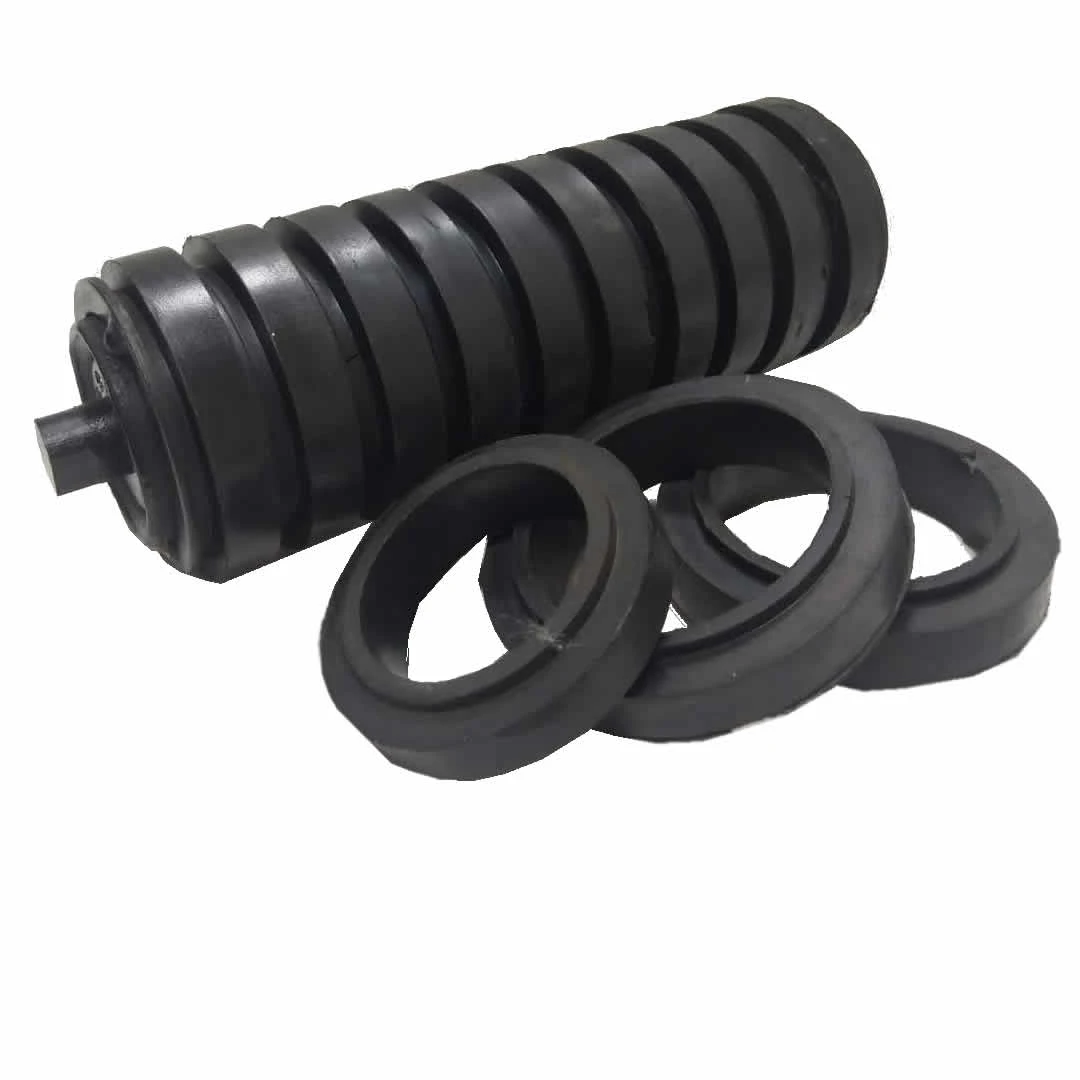
For industries where the material handled is highly abrasive or prone to hardening, protecting the belt's "clean" side is a major priority. Rubber disc return rollers have emerged as the preferred solution for these high-wear applications. By replacing the solid steel shell with a series of resilient rubber discs, the roller provides a cushioned support system for the belt. These discs are spaced along the shaft, ensuring that the belt only makes contact with a small fraction of the roller's surface area. This significantly reduces the opportunity for material build-up and minimizes the abrasive friction that can thin the belt's bottom cover over time.
The "flexing" action of the discs in rubber disc return rollers serves as a secondary cleaning mechanism. As the belt passes over, the rubber slightly deforms and recovers, a process that sheds caked-on material before it can harden. This is an essential feature for B2B operations focused on "Total Cost of Ownership," as it protects the two most expensive parts of the conveyor: the belt and the roller bearings. Because the rubber absorbs a portion of the vibration and impact, the bearings are subjected to less mechanical shock, leading to a much longer service life compared to rigid steel rollers in the same environment.