Understanding the Power of Upper Conveyor Systems
In the world of material handling, efficiency and reliability are paramount. Upper conveyor systems play a crucial role in optimizing processes across a vast range of industries, from logistics and manufacturing to food processing and beyond. Choosing the right system can significantly impact productivity, reduce labor costs, and enhance overall operational effectiveness. This article dives into the benefits, applications, key considerations, and future trends surrounding upper conveyor technology. Let’s explore how these systems are revolutionizing material flow.
The Core Benefits of Implementing an Upper Conveyor System
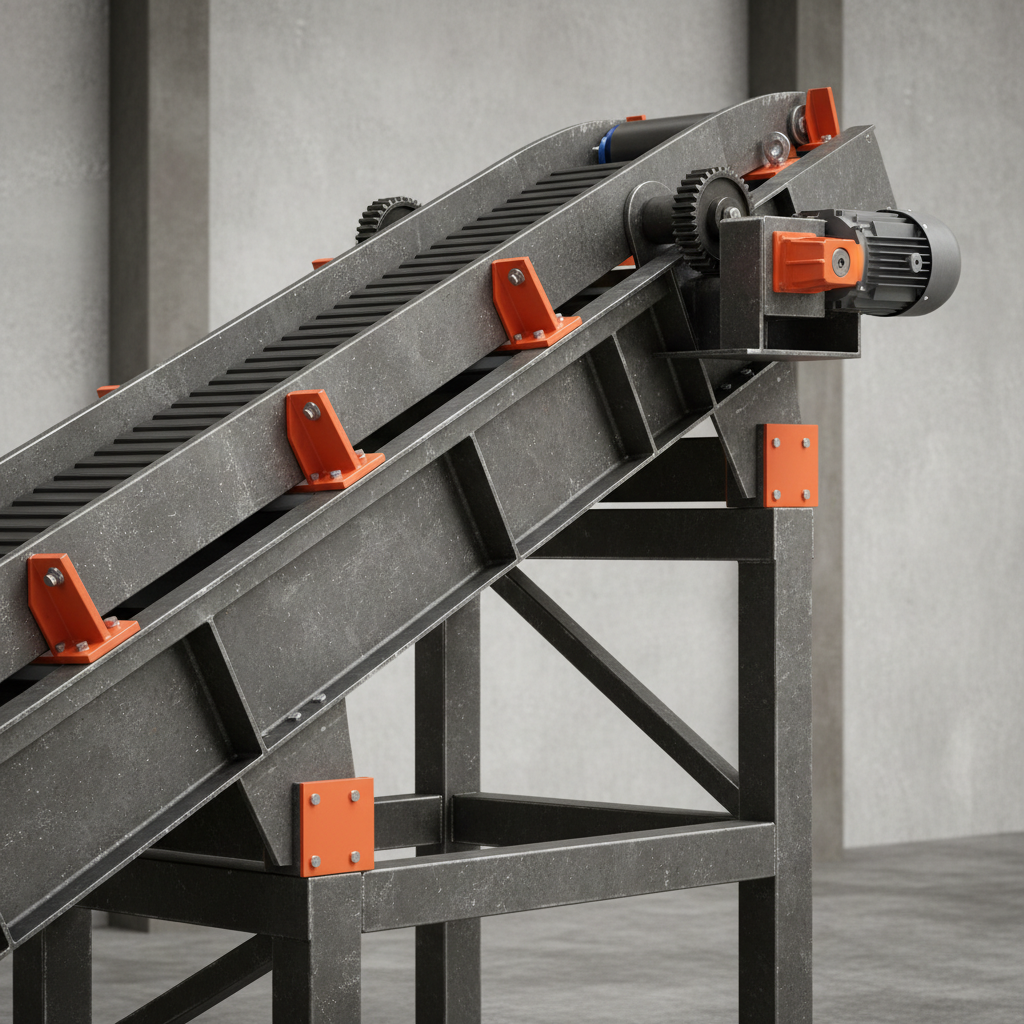
An upper conveyor system offers a multitude of advantages. Primarily, it dramatically increases throughput by automating material movement, eliminating manual handling. This reduces the risk of worker injury and frees up personnel for more skilled tasks. Furthermore, these systems are incredibly versatile, handling a diverse array of materials and package sizes. They contribute to a cleaner, more organized workspace, minimizing clutter and maximizing floor space. Efficient routing is also a significant benefit, allowing for optimized material flow throughout a facility. Investing in an upper conveyor is an investment in streamlining your operations and boosting profitability.
Key Benefits: Increased throughput, reduced labor costs, improved worker safety, versatile material handling, optimized space utilization, efficient routing.
Applications Across Diverse Industries
The applications for upper conveyor systems are remarkably broad. In the logistics sector, they facilitate rapid package sorting and distribution within warehouses and fulfillment centers. Manufacturing utilizes them for moving components between workstations, automating assembly lines, and managing finished goods. The food processing industry relies on hygienic conveyor systems for handling food products safely and efficiently. Retail environments benefit from conveyor systems in baggage handling and point-of-sale applications. Even industries like pharmaceuticals and automotive leverage the benefits of precise and reliable material transport provided by these systems.
Industry Applications:
• Logistics & Warehousing
• Manufacturing
• Food Processing
• Retail
• Pharmaceuticals
• Automotive
Upper Conveyor Systems: Types and Considerations
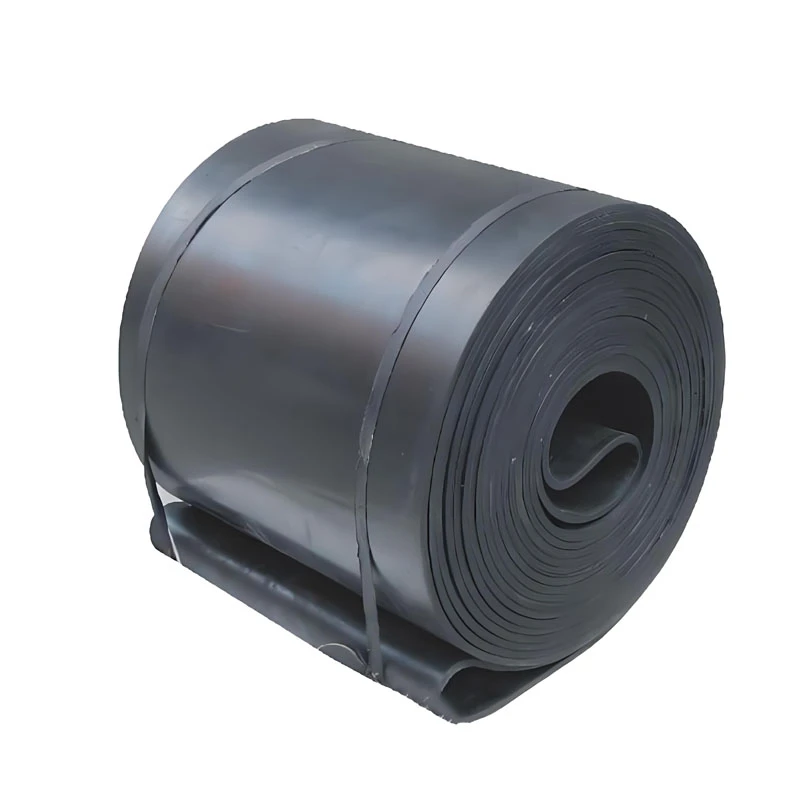
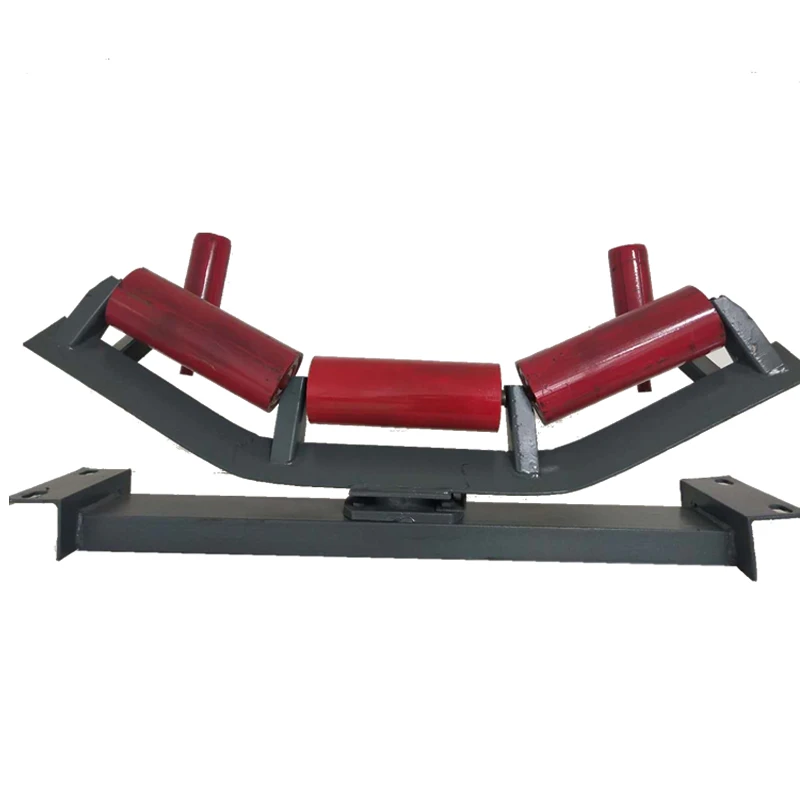
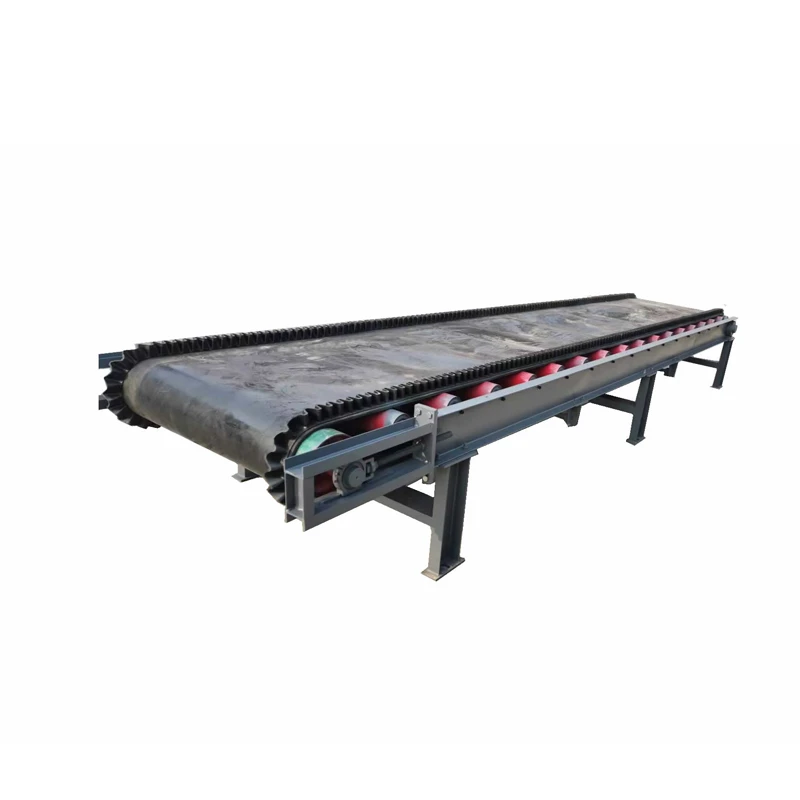
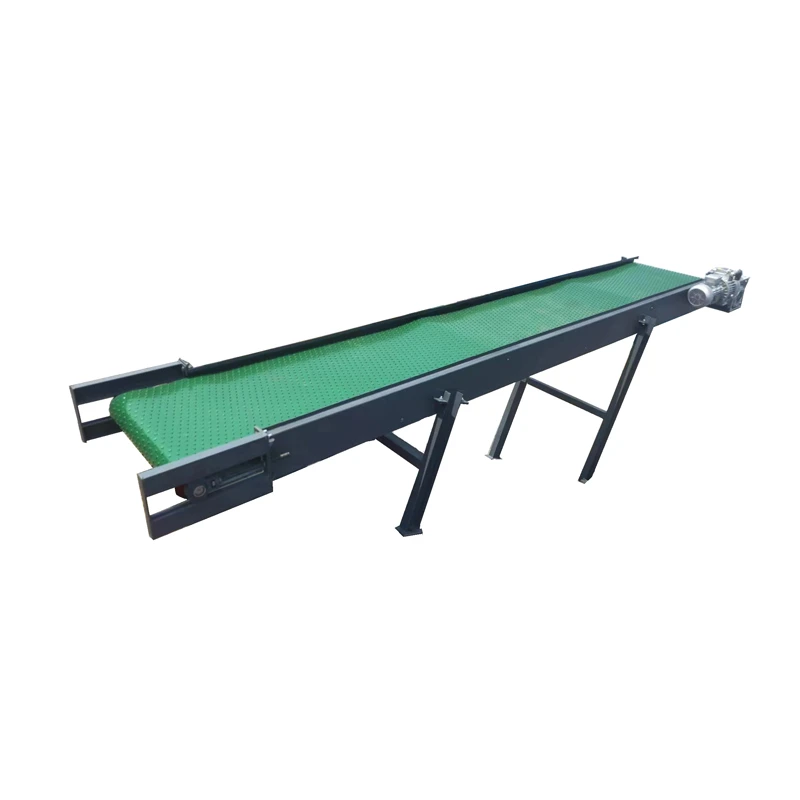
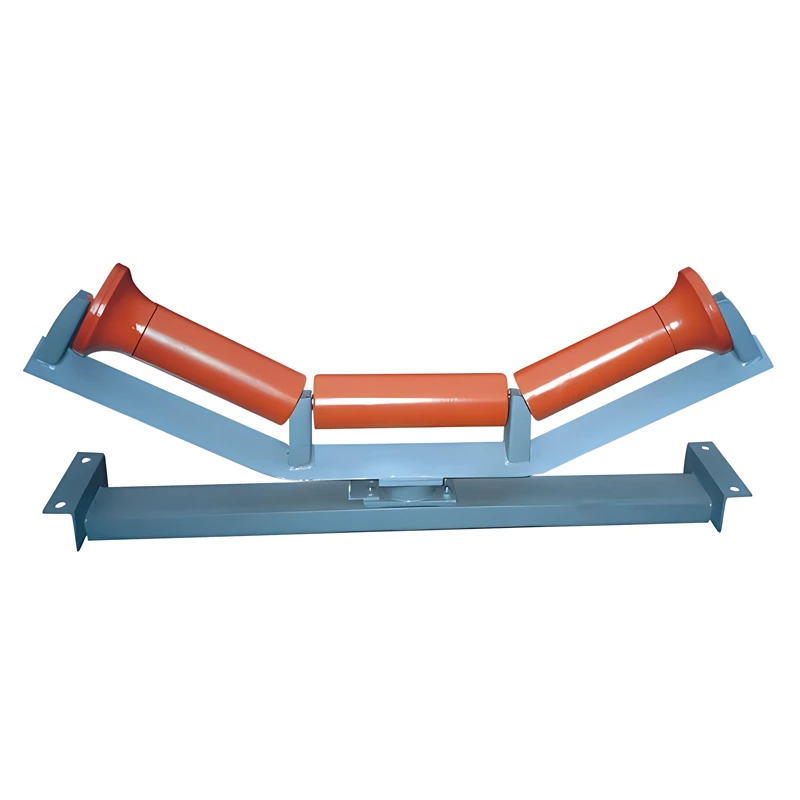
Selecting the right type of upper conveyor system is vital. Several types are available, each suited for specific needs. Belt conveyors are ideal for handling a wide range of materials, while roller conveyors are best for boxes and pallets. Modular plastic belt conveyors offer versatility and hygiene, making them popular in food processing. Slat conveyors are robust enough for heavy loads, and overhead conveyors provide space-saving solutions. Key considerations include the material being conveyed, the weight and dimensions of the items, the required throughput, and the layout of the facility. A thorough assessment of these factors is essential for a successful implementation.
The Future of Upper Conveyor Technology
The future of upper conveyor systems is centered around smart technology and enhanced automation. Integration with IoT (Internet of Things) devices allows for real-time monitoring, predictive maintenance, and data-driven optimization. Artificial intelligence (AI) will play an increasing role in routing and managing material flow, adapting to changing demands and minimizing bottlenecks. Expect to see increased focus on energy efficiency, sustainable materials, and modular designs for greater flexibility. HG Conveyor Belt is at the forefront of these advancements, offering cutting-edge solutions to meet the evolving needs of modern industries.
Conclusion: Optimizing Your Operations with the Right System
Investing in the future of your material handling.
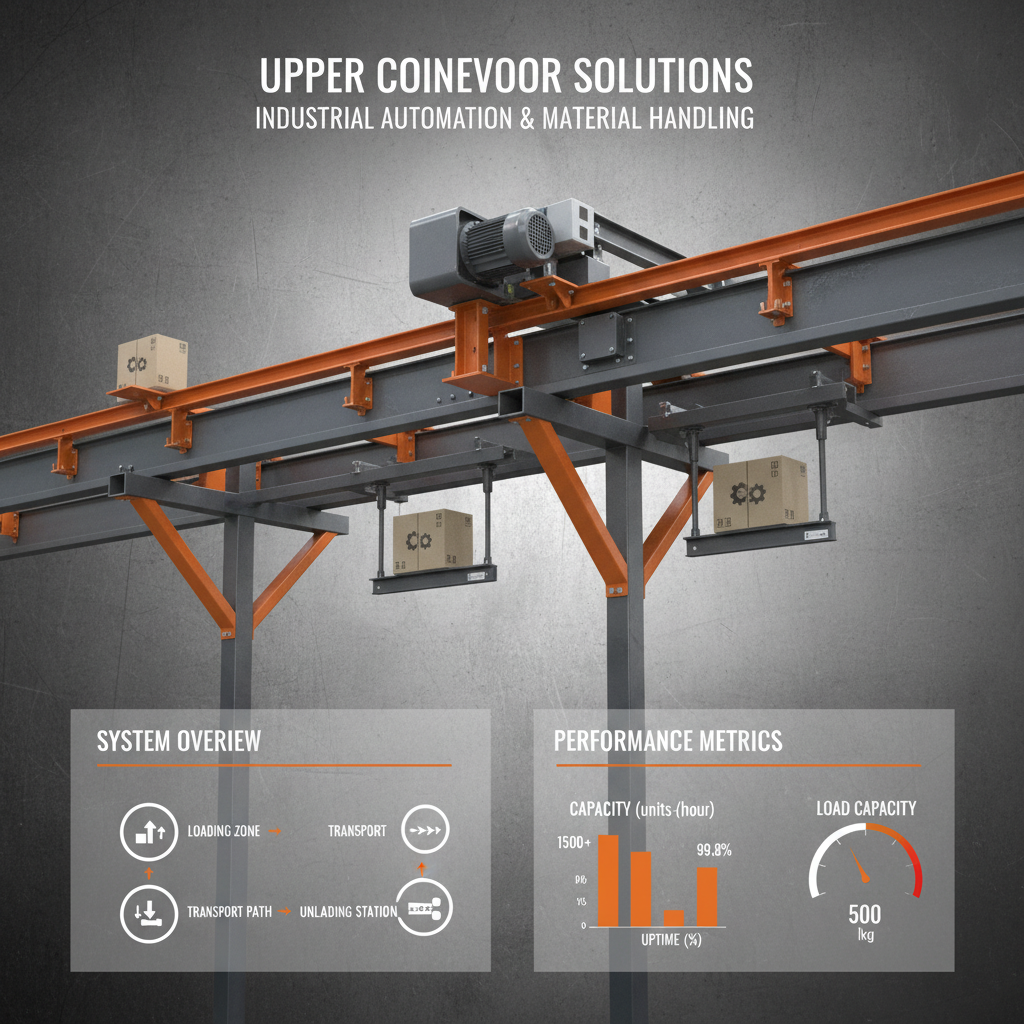
Implementing an upper conveyor system is a strategic decision that can significantly improve efficiency, reduce costs, and enhance overall operational performance. By carefully considering your specific needs and partnering with a reputable provider like HG Conveyor Belt, you can unlock the full potential of automated material handling.
Frequently Asked Questions (FAQs)
What is the typical ROI for implementing an upper conveyor system?
The return on investment (ROI) for an upper conveyor system varies based on the specific application and scale of implementation. However, companies can typically expect to recoup their investment within 1-3 years through reduced labor costs, increased throughput, and improved efficiency. Factors impacting ROI include the level of automation, the complexity of the system, and the volume of materials handled. A detailed cost-benefit analysis is crucial before investing. HG Conveyor Belt offers consulting services to help businesses assess their ROI potential.
What maintenance is required for an upper conveyor system?
Regular maintenance is essential for ensuring the longevity and reliability of an upper conveyor system. This includes periodic inspections for wear and tear, lubrication of moving parts, belt tracking adjustments, and cleaning. Preventive maintenance schedules should be established based on the system’s usage and operating environment. More sophisticated systems may require specialized maintenance services. HG Conveyor Belt provides comprehensive maintenance packages and spare parts to support its customers.
Can upper conveyor systems be integrated with existing warehouse management systems (WMS)?
Yes, modern upper conveyor systems can be seamlessly integrated with existing WMS to provide real-time tracking and control of materials. This integration allows for automated routing, optimized order fulfillment, and improved inventory management. Integration typically involves utilizing APIs (Application Programming Interfaces) to exchange data between the conveyor system and the WMS. HG Conveyor Belt offers integration services to ensure smooth connectivity with various WMS platforms.
What safety features are typically included in upper conveyor systems?
Safety is paramount in conveyor system design. Typical safety features include emergency stop buttons, safety guards to prevent access to moving parts, light curtains to detect obstructions, and audible alarms. Systems are designed to comply with relevant safety standards, such as OSHA guidelines. Regular safety training for operators is also essential. HG Conveyor Belt prioritizes safety in all its system designs and implementations.