-
February 26, 2026West Coast Conveyors Tailored Material Handling Solutions for Your BusinessNavigating the complexities of material handling requires a reliable and experienced partner. West Coast Conveyors, through HG Conveyor Belt, specializes in designing, manufacturing, and installing custom conveyor systems tailored to your specific needs. From aggregate processing to food handling, we deliver solutions that optimize efficiency, reduce costs, and enhance safety. This article will explore our capabilities, the industries we serve, and why choosing the right conveyor system is critical for your operational success. Before investing in a conveyor system, it's essential to understand your unique material handling challenges. Consider factors such as the type of material being conveyed (bulk, packaged, abrasive, fragile), the distance and elevation changes, the required throughput rate, and the available space. West Coast Conveyors offers a comprehensive consultation process to assess your needs and recommend the optimal solution. We don't just sell conveyors; we engineer solutions to improve your processes.
-
February 25, 2026Why B2B Operations Prioritize Stainless Steel Roller SystemsIn the high-stakes world of industrial procurement, the materials chosen for a facility’s conveyor infrastructure are a direct reflection of that company’s commitment to operational excellence.
-
February 25, 2026The Strategic Role of the Return Roller in Industrial EfficiencyIn the world of bulk material handling, the focus of plant managers and procurement officers is often directed toward the carrying side of the belt.
-
February 25, 2026The Strategic Investment in High-Performance Return Roller TechnologyIn the global landscape of heavy industry and bulk material handling, the efficiency of a production facility is often measured by the reliability of its transport infrastructure.
-
February 25, 2026The Advantage of High-Performance Stainless Steel Roller SystemsIn the competitive landscape of modern industrial procurement, the materials chosen for core infrastructure are a direct reflection of a company’s operational philosophy.
-
February 25, 2026Stainless Steel Roller Systems in High-Sanitation EnvironmentsIn the global industrial landscape, the choice of material handling components is a direct reflection of a company’s commitment to quality, safety, and operational longevity.
-
February 25, 2026Maximizing Conveyor Up-time Through Advanced Return Roller EngineeringIn the high-stakes world of bulk material handling, the profitability of a mining or industrial facility often rests on the reliability of its transport systems.
-
February 25, 2026Optimizing Material Handling with Advanced Upper Conveyor Systems and TechnologyIn the world of material handling, efficiency and reliability are paramount. Upper conveyor systems play a crucial role in optimizing processes across a vast range of industries, from logistics and manufacturing to food processing and beyond. Choosing the right system can significantly impact productivity, reduce labor costs, and enhance overall operational effectiveness. This article dives into the benefits, applications, key considerations, and future trends surrounding upper conveyor technology. Let’s explore how these systems are revolutionizing material flow. An upper conveyor system offers a multitude of advantages. Primarily, it dramatically increases throughput by automating material movement, eliminating manual handling. This reduces the risk of worker injury and frees up personnel for more skilled tasks.
-
February 24, 2026Optimizing Logistics with Efficient Unloading Container Conveyor SystemsEfficiently unloading containers is critical for smooth supply chain operations. A well-chosen unloading container conveyor system can significantly reduce labor costs, improve throughput, and enhance workplace safety. This article will explore the various types of unloading container conveyors, their applications, key features, and how to select the right system for your specific needs. We’ll cover everything from roller conveyors to belt conveyors, helping you optimize your logistics and boost your bottom line. Several types of conveyors are commonly used for unloading containers. Each has its strengths and weaknesses, making it suitable for different applications. Roller conveyors are cost-effective and ideal for handling boxes and pallets. Belt conveyors offer a smoother surface, perfect for irregularly shaped items or bags. Chain conveyors are robust and can handle heavier loads. Flexible conveyors are adaptable to various container sizes and loading/unloading configurations. Choosing the right type is crucial for maximizing efficiency and minimizing damage to your goods.
-
February 11, 2026Comprehensive Guide to Heavy Duty Gravity Roller Conveyor Systems and ApplicationsIn the realm of material handling, efficiency and reliability are paramount. A heavy duty gravity roller conveyor offers a cost-effective and versatile solution for moving goods within warehouses, factories, and distribution centers. These conveyors utilize gravity to transport materials, minimizing energy consumption and reducing operational costs. This guide provides a comprehensive overview of heavy duty gravity roller conveyors, covering their applications, benefits, types, and key considerations for selection. Investing in the right conveyor system can significantly streamline your operations and boost productivity. At its core, a heavy duty gravity roller conveyor is a simple yet effective system. It consists of a series of rollers mounted within a sturdy frame. Items placed on the rollers are propelled forward by gravity as the conveyor is positioned on a slight decline. The "heavy duty" designation signifies a robust construction, capable of handling substantial loads and withstanding demanding industrial environments. These conveyors are designed for durability and long-term performance, minimizing downtime and maintenance.
-
January 30, 2026Optimizing Industrial Operations with the Right Conveyor Machine SolutionsIn today’s fast-paced industrial landscape, efficient material handling is crucial for productivity and profitability. A conveyor machine serves as the backbone of numerous operations, streamlining processes and reducing labor costs. This article provides an in-depth look at conveyor machines, their types, applications, benefits, and considerations for selection. Understanding the nuances of conveyor systems is essential for optimizing your business’s workflow and achieving operational excellence. Conveyor machines come in a variety of designs, each suited for specific materials and applications. Some common types include belt conveyors, roller conveyors, modular plastic belt conveyors, chain conveyors, and vertical conveyors. HG Conveyor Belt specializes in providing customized conveyor solutions to meet diverse industrial needs. The selection depends on factors such as load capacity, material characteristics (e.g., abrasive, fragile), and the layout of your facility. The versatility of conveyor machines allows for their implementation in numerous industries. From manufacturing and packaging to food processing, pharmaceuticals, and logistics, conveyor systems play a critical role in optimizing workflows.
-
January 28, 2026Optimizing Fuel Handling with Advanced Fuel Conveyor Systems and TechnologiesIn the realm of bulk material handling, efficient and reliable transportation is crucial. Fuel conveyor systems play a vital role in various industries, including power generation, biomass processing, and waste management. This article delves into the functionalities, types, benefits, and considerations when selecting a fuel conveyor system. We will explore how these systems streamline operations, reduce costs, and ensure safe handling of fuel materials. Understanding the nuances of fuel conveyors is essential for optimizing material flow in your facility. A fuel conveyor system is engineered to move combustible materials – such as coal, wood chips, biomass, and waste-derived fuels – from receiving points to processing or storage areas. These systems are designed for continuous operation and can handle diverse fuel types and volumes. Key components typically include a conveyor belt, drive rollers, idlers, and a structural frame. Effective fuel conveyance reduces manual handling, minimizing labor costs and improving safety.
- Tel: +8615128135888
- Email: hg@chinaconveyerbelt.com

news
-
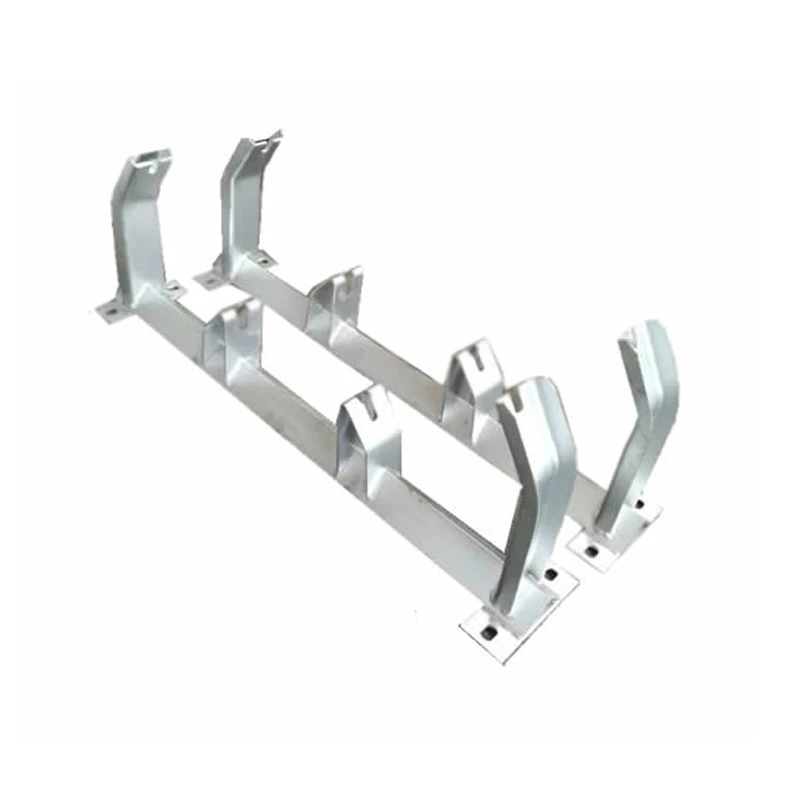 Stainless Steel Mining Roller Bracket
In harsh working environments, the durability and reliability of equipment are crucial. Our stainless steel mining roller bracket is designed to meet harsh challenges and is a solid backing for your transportation system.
-
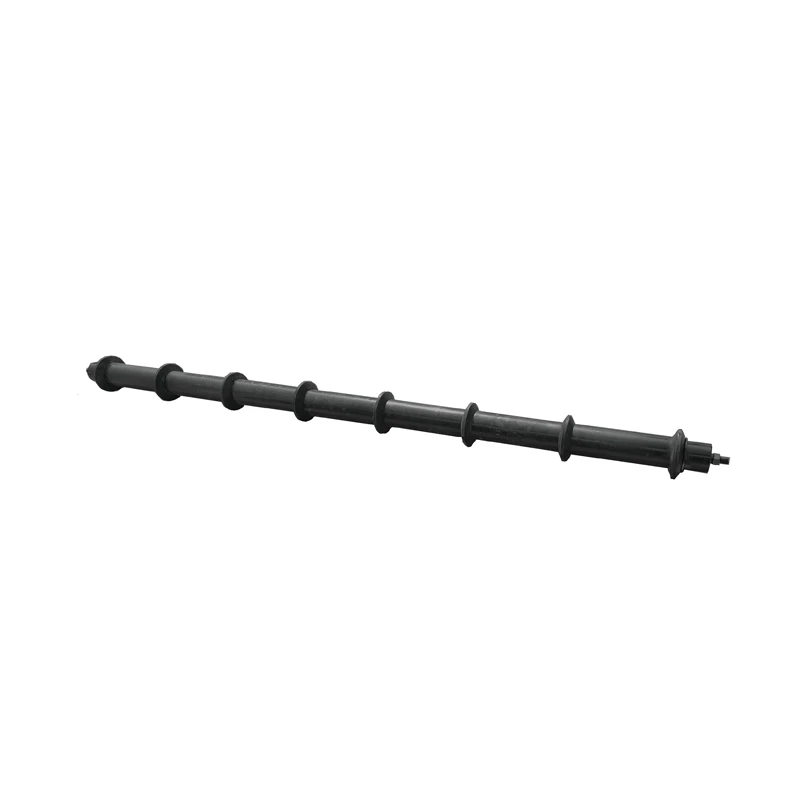 Return Comb Shaped Roller
Comb type idler, also known as comb type cleaning idler, is used in belt conveyors for transporting viscous materials. Elastic exclusion type annular rubber rings are placed on the surface of the roller body at intervals, and ABS plastic isolation rings are arranged in sections. To eliminate the sticky substances on the carrying surface of the conveyor belt.
-
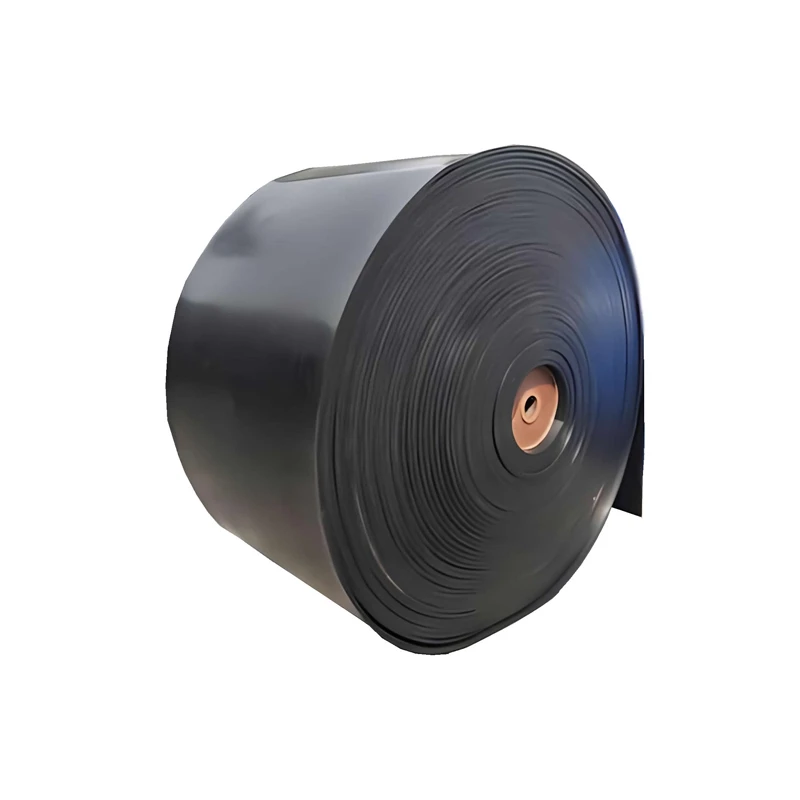 High Strength Flat Conveyor Belt
The characteristic of flat conveyor belt is that the surface of the conveyor belt is flat, which is suitable for conveying various flat items.
-
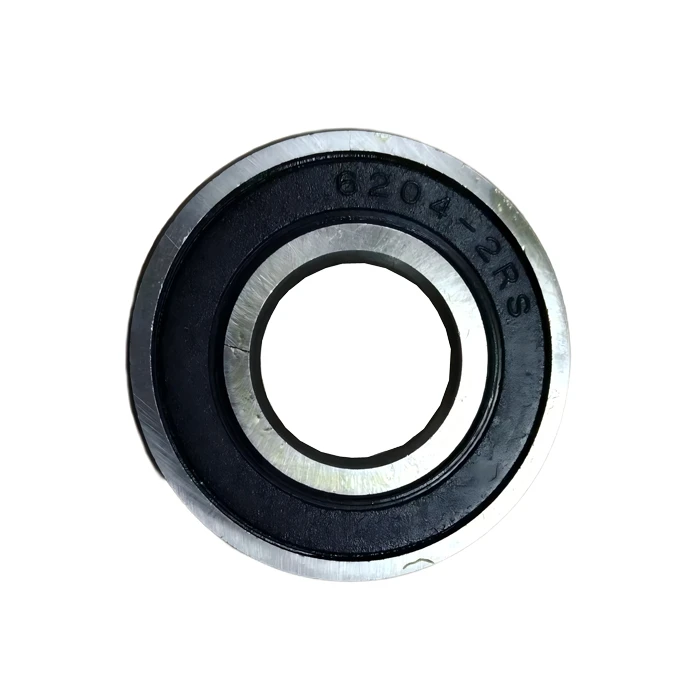 Ball Bearings For Conveyor Rollers
The most common type of roller bearing is the open type bearing, also known as the flat plate bearing.
-
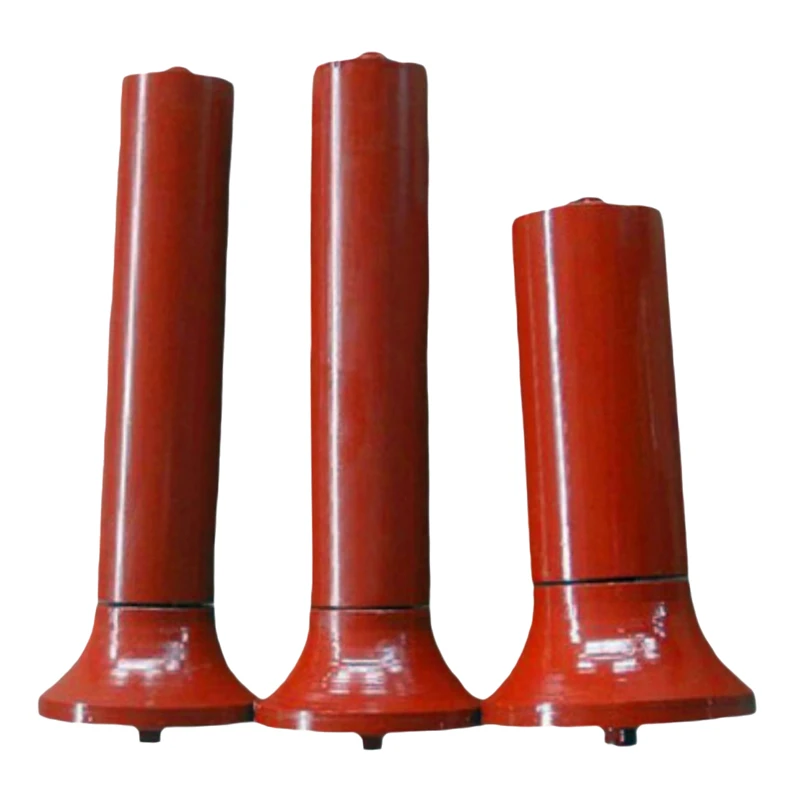 Self Aligning Friction Roller
Friction roller is a mechanical structure composed of a drum, shaft, and bracket, which plays a role in supporting materials, transmitting power, and maintaining stability during the movement of a conveyor belt.
-
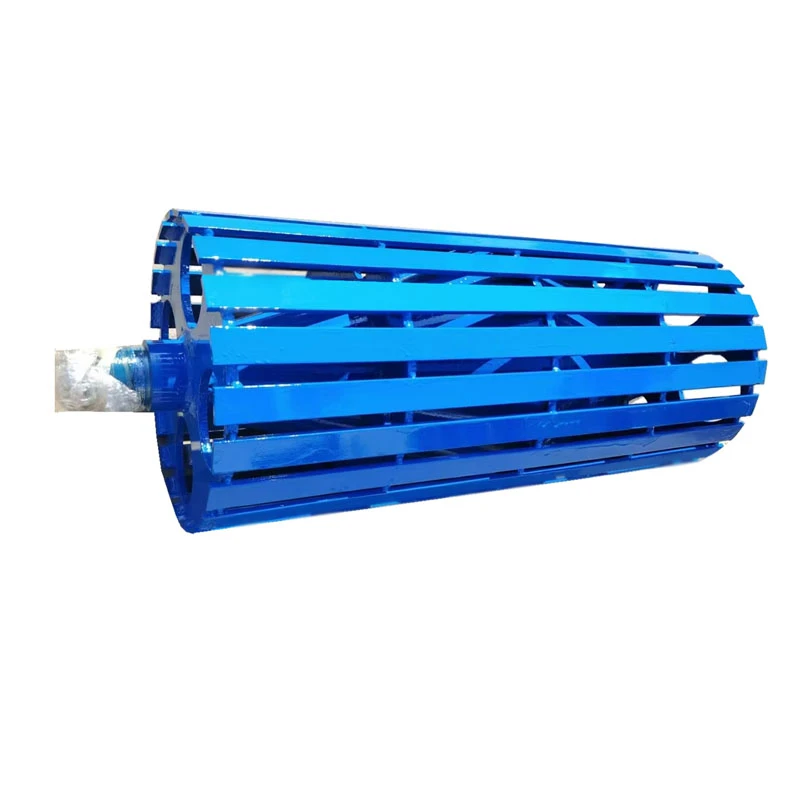 Slag Discharge Conveyor Drum
The slag discharge drum is usually installed at a specific position on the conveyor to promptly remove impurities during the material conveying process.
-
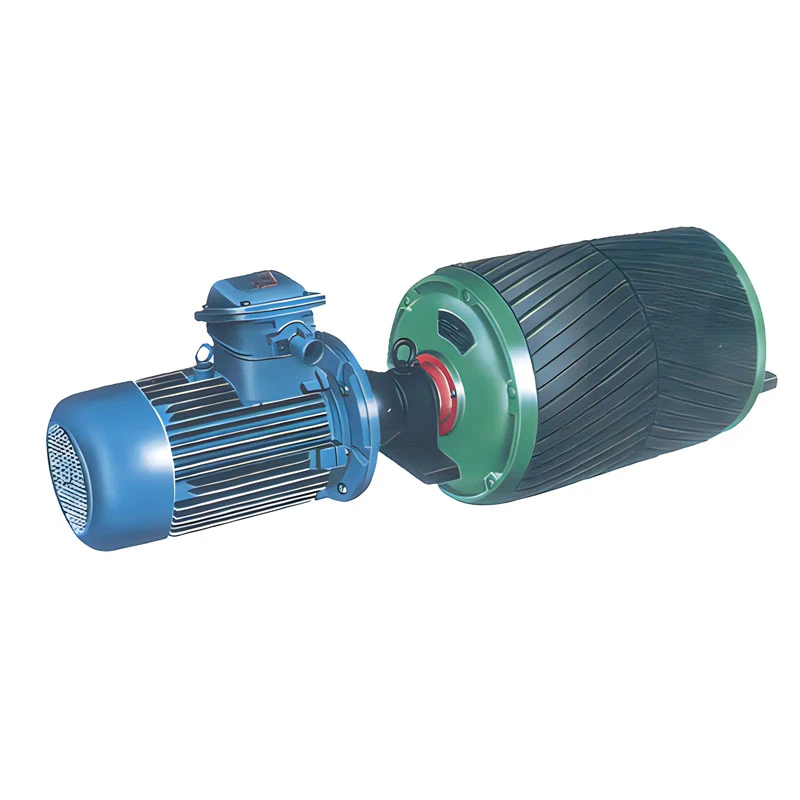 External Electric Conveyor Drum
External electric drum is suitable for conveying machinery in mining, ports, cement plants, metallurgy, power, chemical, steel plants and other places.
-
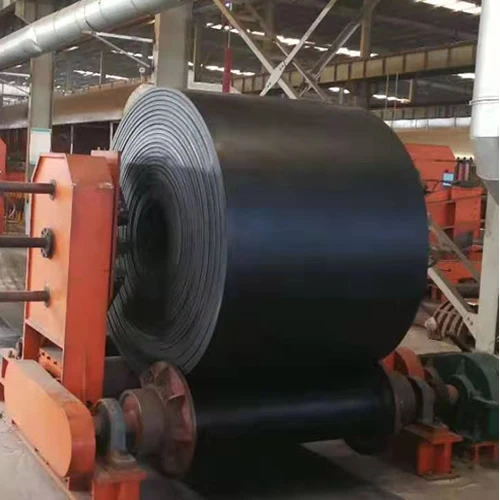 Low Temperature Resistant Conveyor Belt
Cold resistant conveyor belts have the characteristics of high elasticity, impact resistance, and cold resistance, and can be used normally in an environment of minus 40 ℃.
-
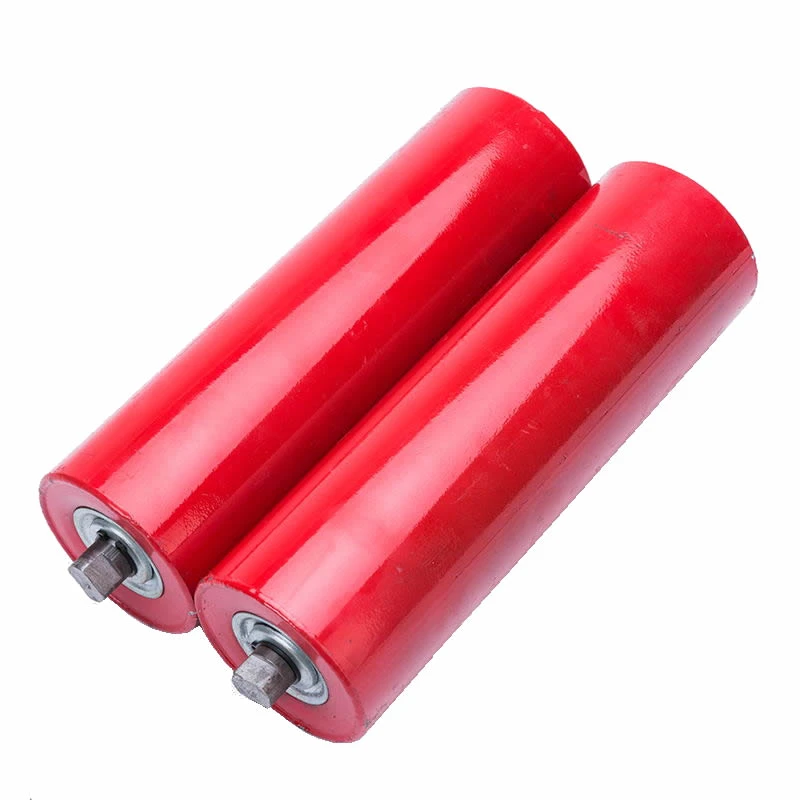 Conveyor With Parallel Return Rollers
Return rollers, also known as parallel rollers, are mainly used in the return section to support the return of an unloaded conveyor belt and ensure its smooth circulation.
-
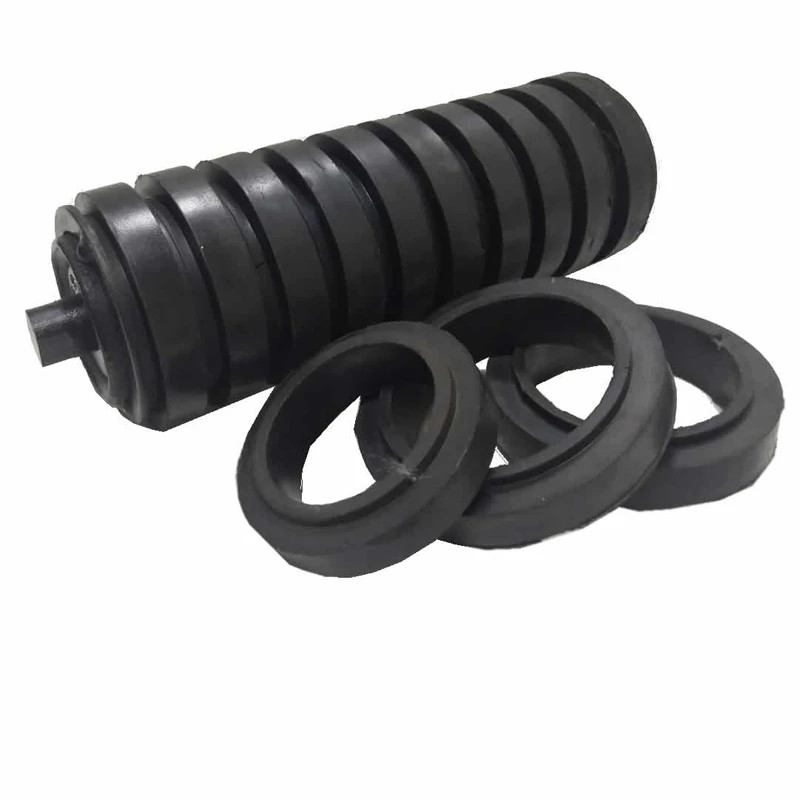 Casting Rubber Roller
The buffer roller group is installed below the receiving section of the conveyor to reduce the impact of materials on the conveyor belt during material dropping, thereby extending the service life of the conveyor belt.
-
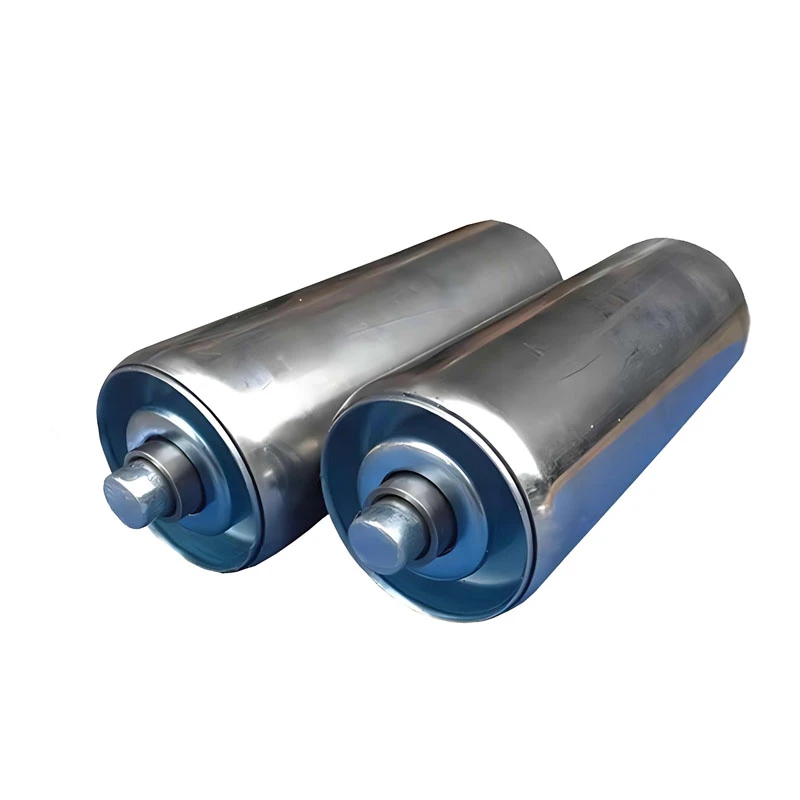 Stainless Steel Conveyor Roller
Stainless steel conveyor rollers made of stainless steel are important components in conveyor lines. There are many types of stainless steel conveyor rollers, so different stainless steel conveyor rollers can be customized according to the needs of different industries.
-
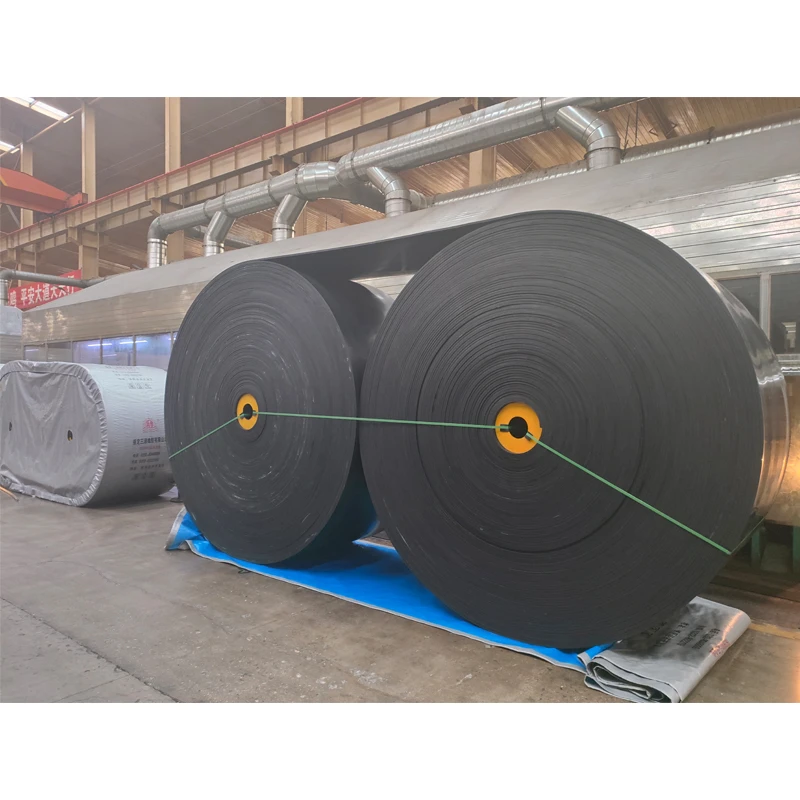 High Wear-Resistant Nylon Conveyor Belt
HENGGUANG conveyor belts have been supplied to a wide range of applications From mine to port, power plants to cement, chemicals, fertilizers and agribusiness, the performance is proven in many different industries.
Let's Get in Touch!
Send us a message and let our experts assist you with tailored solutions.


