Production Line Conveyor Systems: Optimizing Efficiency & Throughput
In today’s competitive manufacturing landscape, optimizing production efficiency is crucial. Production line conveyor systems are the backbone of many modern facilities, streamlining material handling and reducing labor costs. At HG Conveyor Belt, we specialize in designing and implementing tailored conveyor solutions. This article will explore the various types of production line conveyor systems, their benefits, key considerations, and how to select the right system for your specific needs. Investing in the right conveyor system can significantly boost your operational performance and return on investment.
Understanding Different Types of Production Line Conveyor Systems
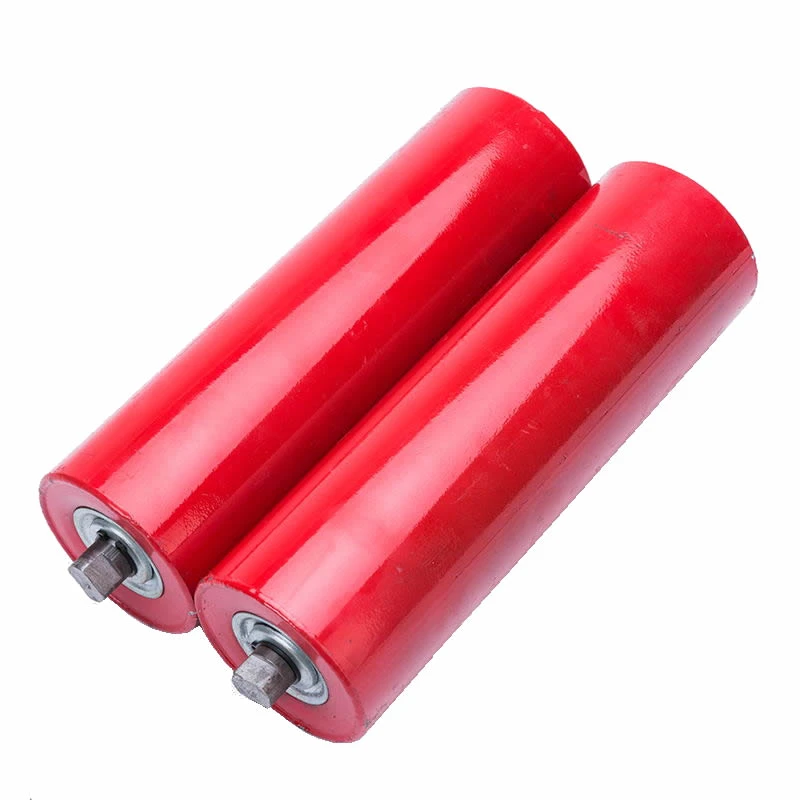
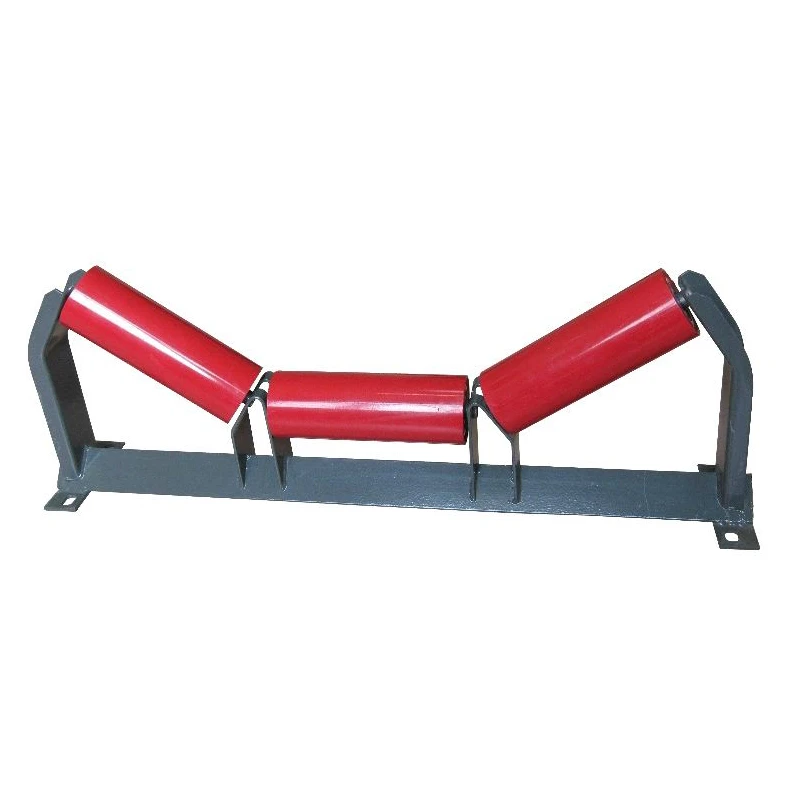
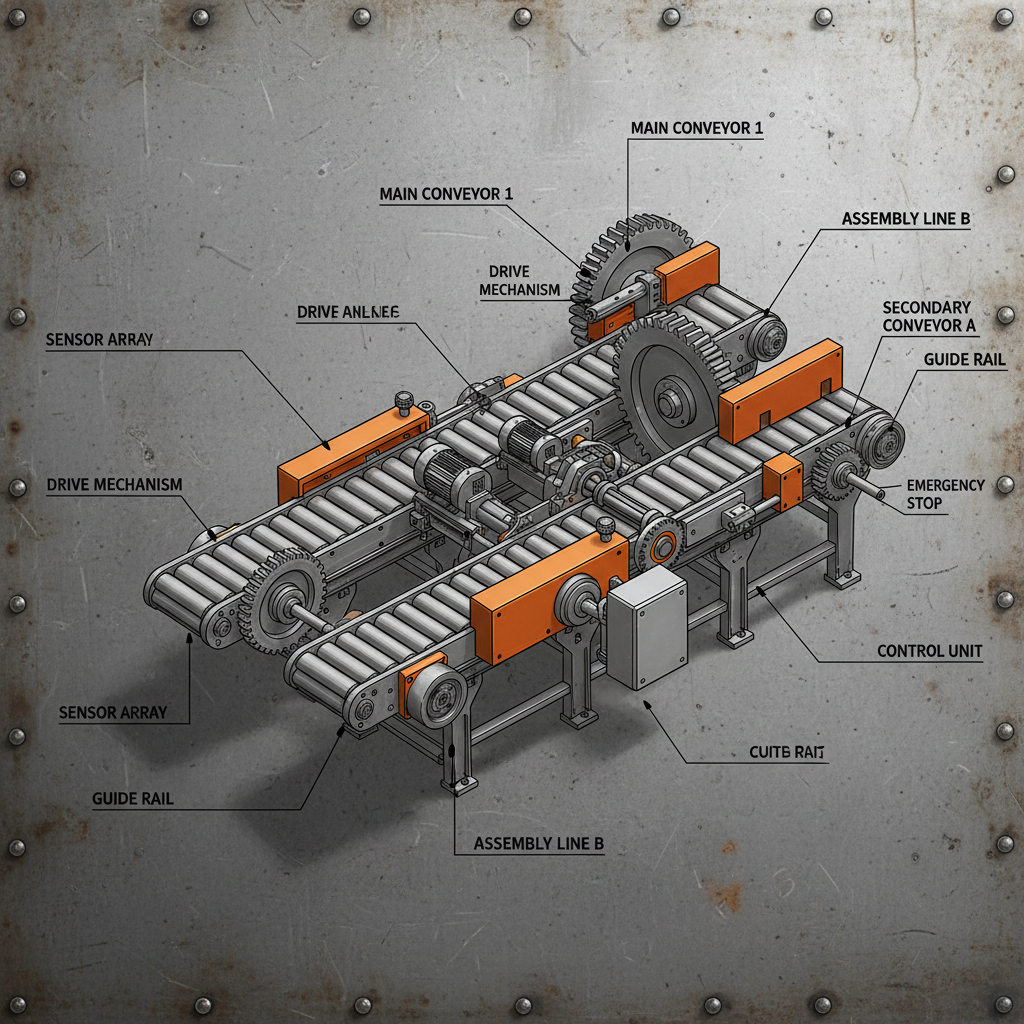
The world of conveyor systems is diverse, offering solutions tailored to different product types, production volumes, and space constraints. Common types include: belt conveyors (ideal for general material handling), roller conveyors (suitable for boxes and pallets), modular plastic belt conveyors (offering flexibility and easy cleaning), and chain conveyors (designed for heavy loads). Other options like overhead conveyors and vertical conveyors address unique space limitations. Understanding the strengths and weaknesses of each type is crucial for selecting the best fit. HG Conveyor Belt offers a comprehensive range of options to suit any production environment.
Key Considerations: Choosing the right conveyor system requires careful assessment of factors like product weight, size, and shape, throughput requirements, production layout, and budget.
Benefits of Implementing a Production Line Conveyor System
The benefits of incorporating a well-designed production line conveyor system are numerous. These systems dramatically reduce manual handling, leading to decreased labor costs and improved worker safety. They enhance production speed and throughput, allowing for increased output with minimal downtime. Furthermore, conveyor systems improve material flow and inventory control, contributing to a more organized and efficient production process. They also allow for more streamlined integration with automation technologies. A well-planned system is an investment that pays for itself through increased efficiency and reduced operating expenses.
Key Advantages:
• Reduced Labor Costs
• Increased Production Throughput
• Improved Worker Safety
• Enhanced Inventory Control
Production Line Conveyor Systems Comparison
Selecting the optimal conveyor system requires understanding the tradeoffs between different technologies. The following table illustrates a comparison of common types, highlighting their strengths and weaknesses.
Factors to Consider When Selecting a System
Before investing in a production line conveyor system, carefully assess several key factors. These include the type of product being handled, the required throughput rate, available floor space, integration with existing equipment, and future scalability. Consider potential maintenance requirements and the availability of spare parts. A thorough analysis of these factors will help ensure you choose a system that meets your current and future needs. HG Conveyor Belt provides expert consultation services to assist you in making the right decision.
Future Trends in Conveyor Technology
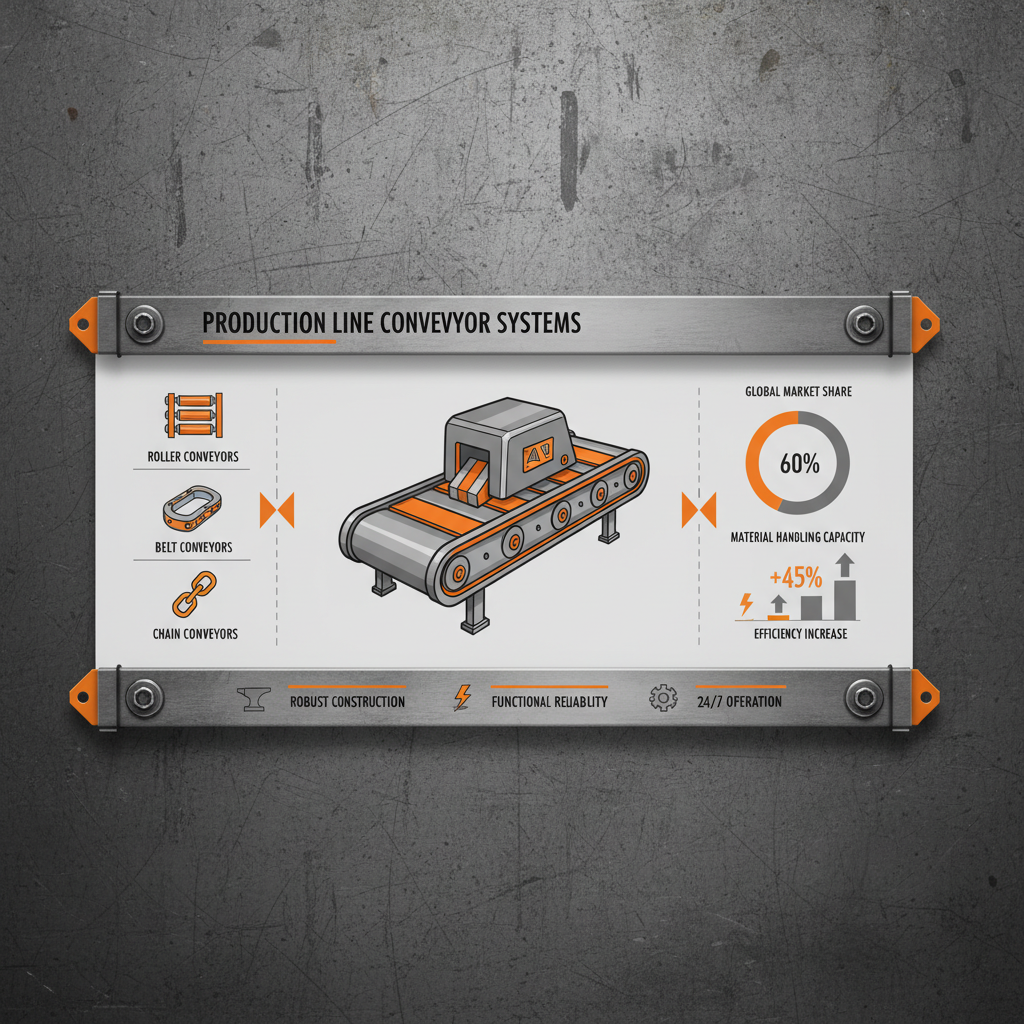
The field of conveyor technology is constantly evolving. We are seeing increased integration of automation, including robotics and AI-powered control systems. Smart conveyors equipped with sensors and data analytics capabilities are becoming increasingly common, providing real-time insights into performance and enabling predictive maintenance. Furthermore, there is a growing demand for energy-efficient and sustainable conveyor solutions. HG Conveyor Belt stays at the forefront of these advancements, offering cutting-edge solutions to our clients.
Conclusion: Streamlining Your Production with the Right Conveyor System
Investing in the right production line conveyor system is a strategic move that can significantly enhance your operational efficiency and profitability. By carefully considering your specific needs and partnering with a trusted provider like HG Conveyor Belt, you can unlock the full potential of your production line. Don't let inefficient material handling hold your business back.
Frequently Asked Questions (FAQs)
What is the typical lead time for a custom conveyor system?
Lead times vary depending on the complexity of the system and current workload. Generally, a standard system can be delivered and installed within 8-12 weeks. Customized systems with intricate designs or specialized components may take 12-16 weeks or longer. We provide a detailed project timeline during the initial consultation phase, outlining each stage of the process, from design and fabrication to installation and commissioning. Accurate planning and clear communication are essential to ensure timely delivery and minimize disruptions to your production schedule.
What kind of maintenance is required for a conveyor system?
Regular maintenance is crucial for ensuring the longevity and reliability of your conveyor system. This typically includes periodic inspections for wear and tear, lubrication of moving parts, belt tracking adjustments, and cleaning of debris. We recommend establishing a preventative maintenance schedule tailored to your specific system and operating conditions. HG Conveyor Belt offers comprehensive maintenance services, including on-site repairs and spare parts availability.
How do I determine the right conveyor belt material for my application?
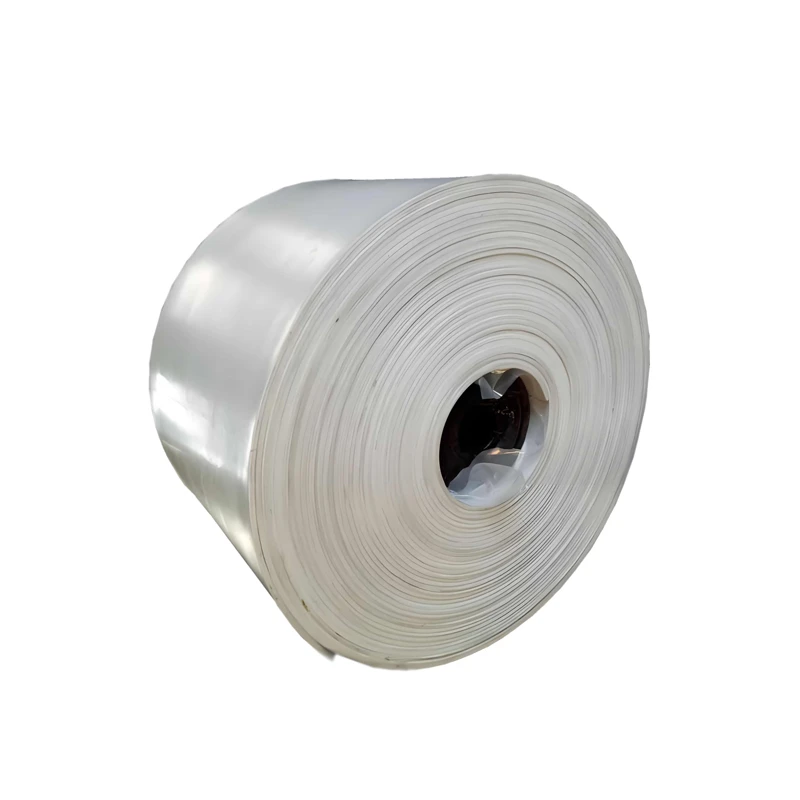
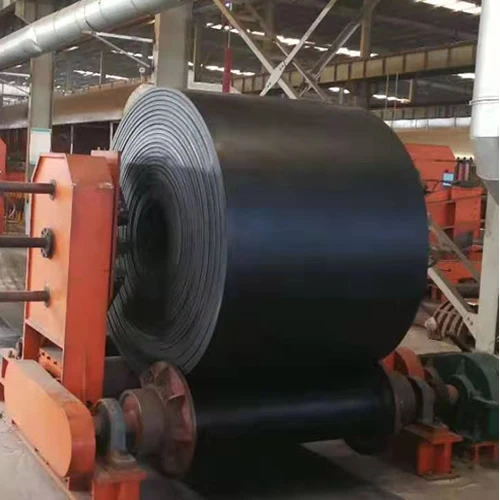
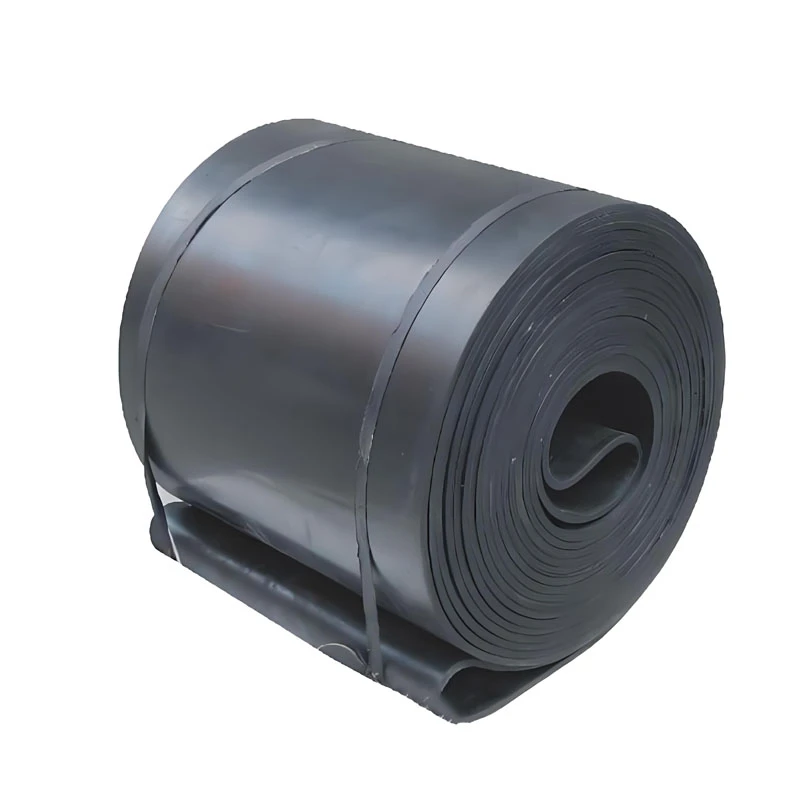
Selecting the correct belt material depends on several factors, including the type of product being conveyed, its weight and shape, and the operating environment. Common belt materials include rubber, PVC, polyurethane, and modular plastic. Rubber belts are versatile and cost-effective, while PVC belts are ideal for food processing applications due to their sanitary properties. Polyurethane belts offer excellent abrasion resistance, and modular plastic belts provide flexibility and easy cleaning. Our team of engineers can help you choose the most appropriate belt material for your specific requirements.
What safety features are available for production line conveyor systems?
Safety is paramount in any production environment. HG Conveyor Belt offers a range of safety features, including emergency stop buttons, safety guards, light curtains, and overload protection systems. These features help prevent accidents and protect workers from potential hazards. We also ensure that all our systems comply with relevant safety standards and regulations.