Silage Conveyors: A Comprehensive Guide
Efficiently moving silage is crucial for livestock operations. Silage conveyors play a vital role in this process, streamlining feed distribution and minimizing labor costs. This article provides a detailed overview of silage conveyors, their types, benefits, applications, and key considerations when choosing the right system for your farm. Understanding your silage handling needs and selecting the appropriate conveyor system can significantly improve overall farm efficiency and productivity.
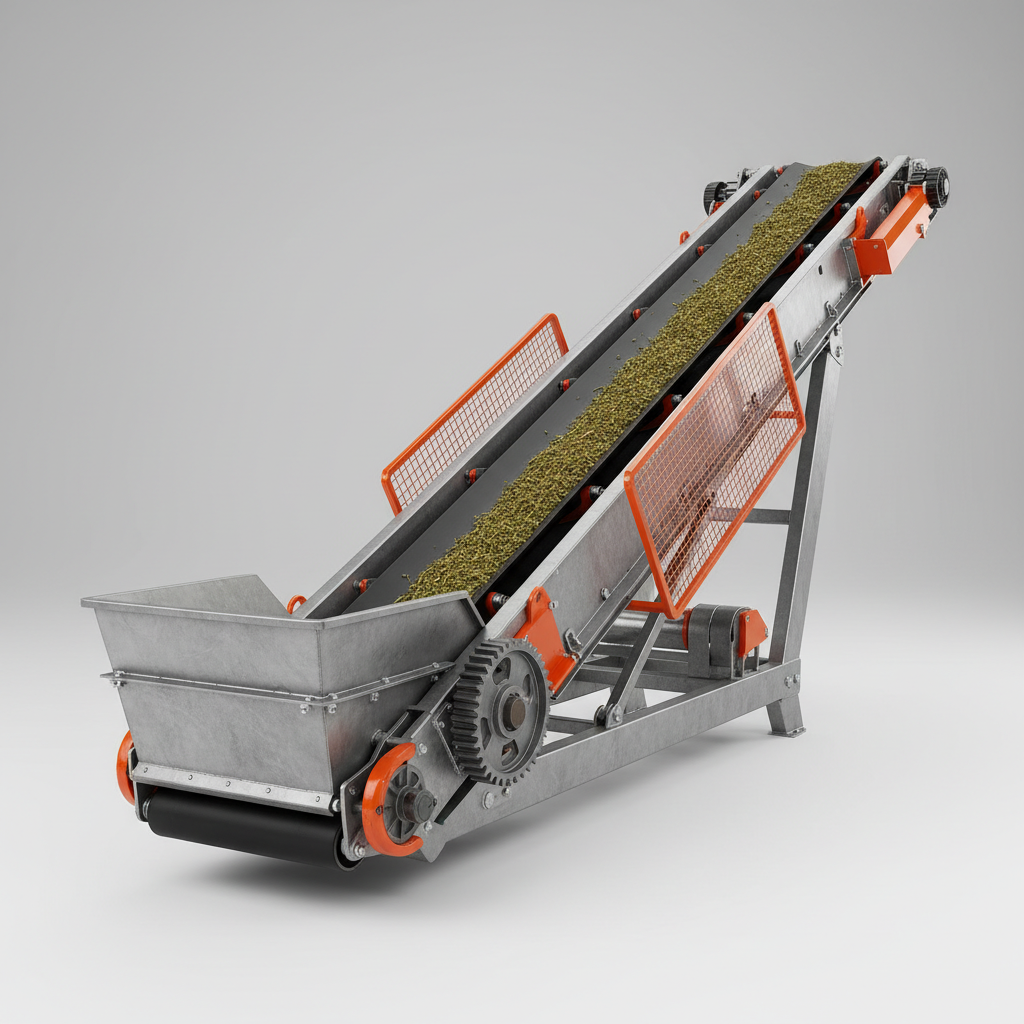
What are Silage Conveyors?
A silage conveyor is a mechanical system designed to transport silage – fermented, high-moisture fodder – from storage areas, such as silos or piles, to feeding locations. They offer a significantly more efficient and less labor-intensive alternative to manual handling. These conveyors come in various designs, each suited for different farm sizes, silage types, and operational requirements. They can handle various types of silage including corn silage, grass silage and others. Choosing the right conveyor type depends heavily on the scale of your operation and the specific characteristics of the silage you’re handling.
Key Benefits: Reduced labor costs, Increased efficiency, Minimized silage waste, Improved feed distribution, Enhanced animal health.
Types of Silage Conveyors
Several types of silage conveyors are available, each with unique strengths. Common types include:
- Chain Conveyors: Durable and suitable for long distances, often used for large-scale operations.
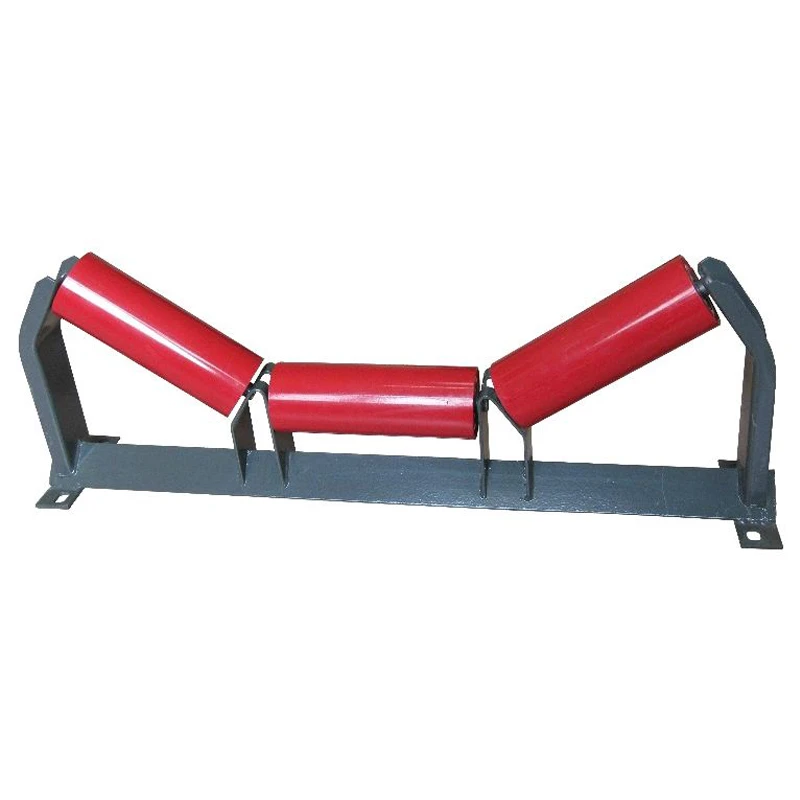
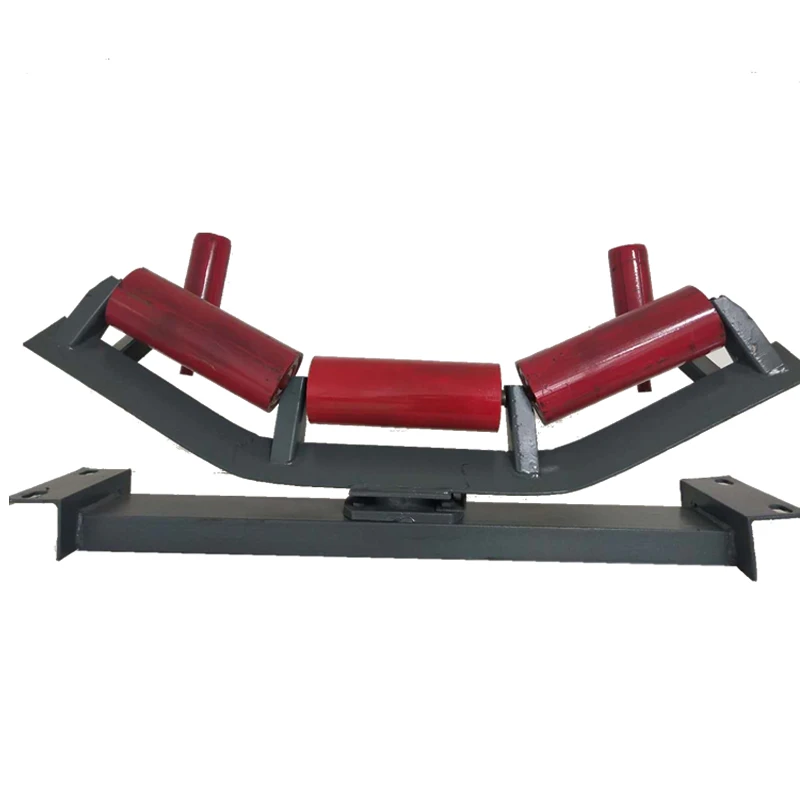
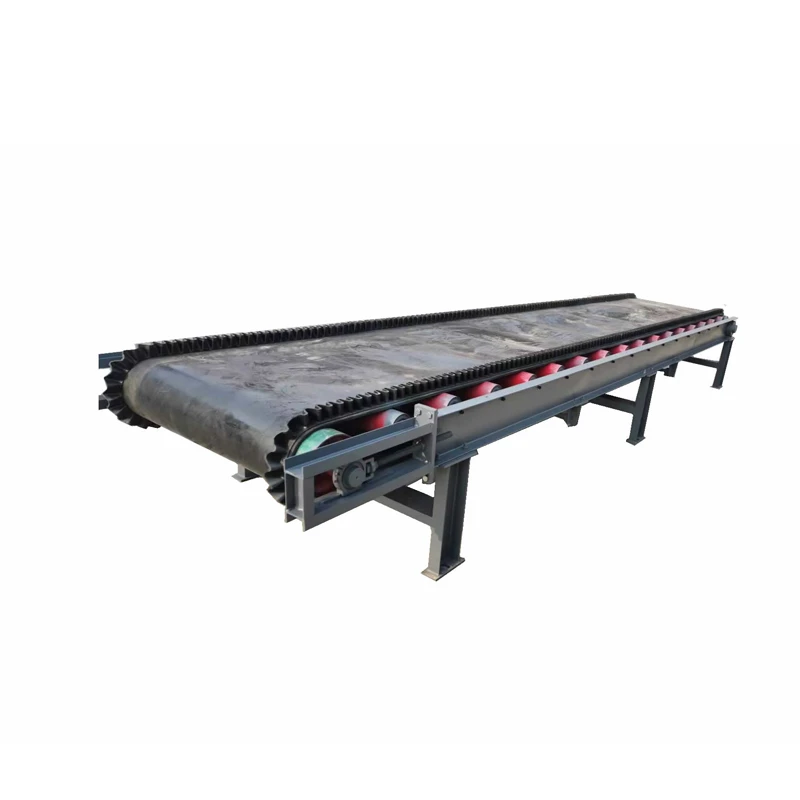
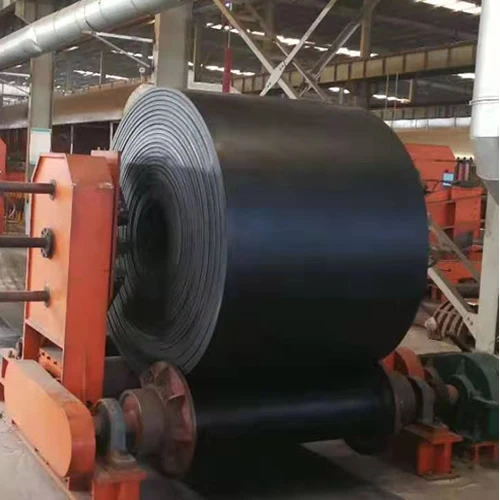
- Belt Conveyors: Versatile and capable of handling various silage types, offering a smooth and controlled transport.
- Screw Conveyors: Ideal for moving silage horizontally over shorter distances, often employed for loading feed mixers.
- Pneumatic Conveyors: Use air pressure to transport silage, suitable for finely chopped material over moderate distances.
The optimal choice depends on factors such as the distance the silage needs to be moved, the volume of silage handled, and the layout of your farm. HG Conveyor Belt offers a wide range of silage conveyor solutions.
Comparing Silage Conveyor Types
Choosing the right type of silage conveyor involves weighing the pros and cons of each system. Here's a comparison to help you make an informed decision:
Benefits of Using Silage Conveyors
Investing in a silage conveyor system delivers significant benefits:
- Reduced Labor Costs: Automating the silage handling process significantly reduces the need for manual labor.
- Increased Efficiency: Conveyors operate continuously, providing a consistent and efficient flow of silage.
- Minimized Silage Loss: Controlled transport reduces spillage and waste, preserving valuable feed resources.
- Improved Feed Quality: Faster and more consistent delivery ensures silage remains in optimal condition for feeding.
- Enhanced Safety: Reduced manual handling minimizes the risk of worker injuries.
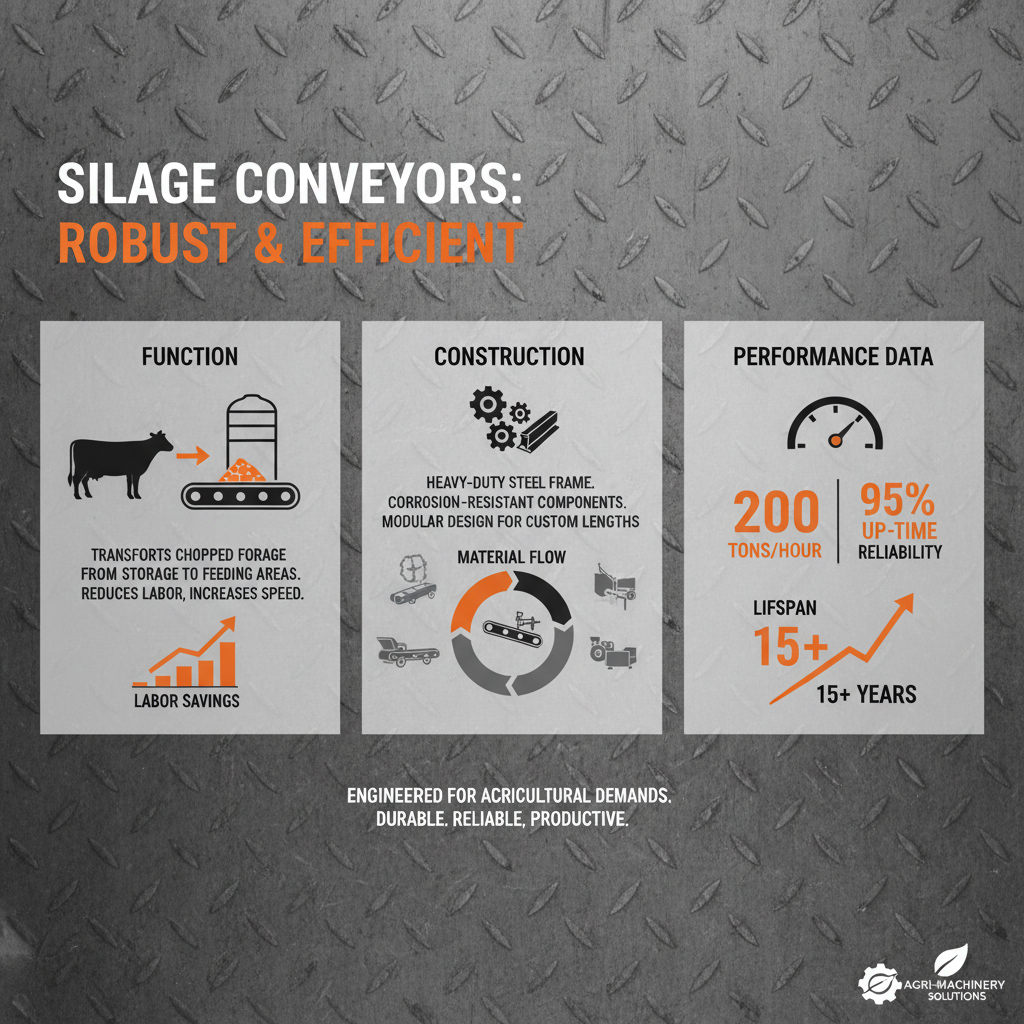
Selecting the Right Silage Conveyor
Choosing the best silage conveyor requires careful consideration of your specific needs. Key factors include:
- Farm Size: Larger operations often require high-capacity, long-distance conveyors.
- Silage Type: Different silage types have varying characteristics that may influence conveyor selection.
- Distance & Elevation: The distance and elevation changes the silage needs to be moved will dictate the conveyor’s power and design.
- Budget: Conveyor costs vary significantly depending on type and capacity.
HG Conveyor Belt provides expert consultation and customized solutions to ensure you select the ideal system for your farm.
Conclusion: Enhancing Farm Efficiency with Silage Conveyors
Investing in a silage conveyor is a smart investment for any livestock operation. By automating silage handling, you can reduce labor costs, increase efficiency, minimize waste, and improve feed quality. Contact HG Conveyor Belt today to discuss your specific needs and find the perfect solution for your farm.
Frequently Asked Questions (FAQs)
What is the typical lifespan of a silage conveyor?
The lifespan of a silage conveyor varies depending on usage, maintenance, and the quality of materials used in its construction. With proper care, a well-built conveyor can last 10-20 years or even longer. Regular inspections, lubrication, and replacement of worn parts are essential for maximizing its lifespan. Environmental factors, such as exposure to harsh weather conditions, can also impact longevity. Choosing a reputable manufacturer known for durable components, like HG Conveyor Belt, is crucial for long-term reliability.
What maintenance is required for a silage conveyor?
Regular maintenance is key to preventing downtime and extending the life of your conveyor. This includes: lubricating bearings and moving parts, inspecting belts or chains for wear and tear, checking for proper tension, cleaning debris from the system, and tightening bolts. A preventative maintenance schedule should be established and followed diligently. It’s also crucial to inspect the motor and electrical components regularly. Consulting the manufacturer’s manual for specific maintenance recommendations is highly advised.
Can silage conveyors handle different types of silage?
Yes, most silage conveyors can handle different types of silage, but it’s important to consider the material’s characteristics. Dry silage generally flows more easily than wet silage. Some conveyors are specifically designed for finely chopped silage, while others are better suited for longer-stemmed material. When selecting a conveyor, specify the type of silage you’ll be handling to ensure it’s compatible. HG Conveyor Belt can help you choose a system designed to work with your specific silage requirements.
What safety precautions should be taken when operating a silage conveyor?
Safety is paramount when operating a silage conveyor. Always ensure the conveyor is properly guarded to prevent access to moving parts. Never operate the conveyor while it’s undergoing maintenance. Provide clear signage indicating potential hazards. Train all operators on safe operating procedures. Wear appropriate personal protective equipment (PPE), such as safety glasses and gloves. Regularly inspect the conveyor for any damage or malfunctions and address them promptly. Follow all manufacturer's safety guidelines.