Smart Conveyor Design Solutions for Optimized Logistics
In today’s fast-paced business environment, efficient material handling is crucial for success, especially in cross-border trade. Smart conveyor design solutions are no longer a luxury, but a necessity. At HG Conveyor Belt, we specialize in crafting customized conveyor systems that streamline your operations, reduce costs, and improve overall productivity. This article explores the key considerations for smart conveyor design and how our expertise can benefit your global supply chain. Investing in the right conveyor system is an investment in your future.
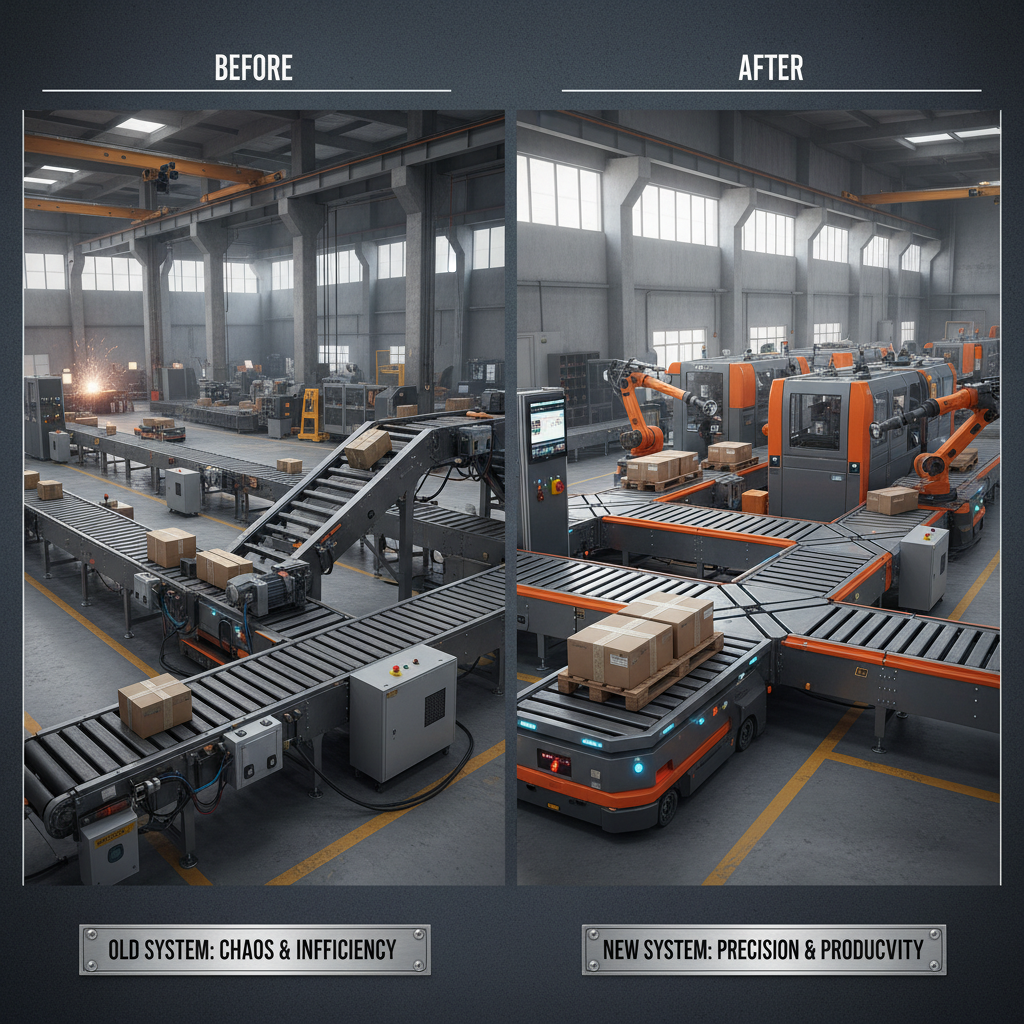
Understanding Your Needs: The Foundation of Smart Conveyor Design
The first step in designing a truly ‘smart’ conveyor system is a thorough understanding of your specific requirements. Factors to consider include the type of materials being handled (size, weight, shape), throughput demands, the layout of your facility, and any specific environmental conditions. A poorly designed system can lead to bottlenecks, damage to goods, and increased labor costs. At HG Conveyor Belt, we begin with a comprehensive consultation to assess your needs and develop a tailored solution. We don’t offer one-size-fits-all products; we engineer systems that work for you. This consultative approach guarantees efficiency and longevity of the system.
Key Technologies in Smart Conveyor Systems
Modern smart conveyor design solutions leverage a range of advanced technologies. These include sensors for tracking products, programmable logic controllers (PLCs) for automated control, variable frequency drives (VFDs) for energy efficiency, and data analytics for performance monitoring. Integration with Warehouse Management Systems (WMS) and Enterprise Resource Planning (ERP) systems allows for real-time visibility into your material flow. These technologies are vital for optimizing throughput, minimizing errors, and improving overall system reliability.
Key Benefits of Smart Conveyor Technologies: Increased efficiency, Reduced labor costs, Improved accuracy, Enhanced safety, Real-time data insights.
Comparing Conveyor Types: Finding the Right Fit for Your Application
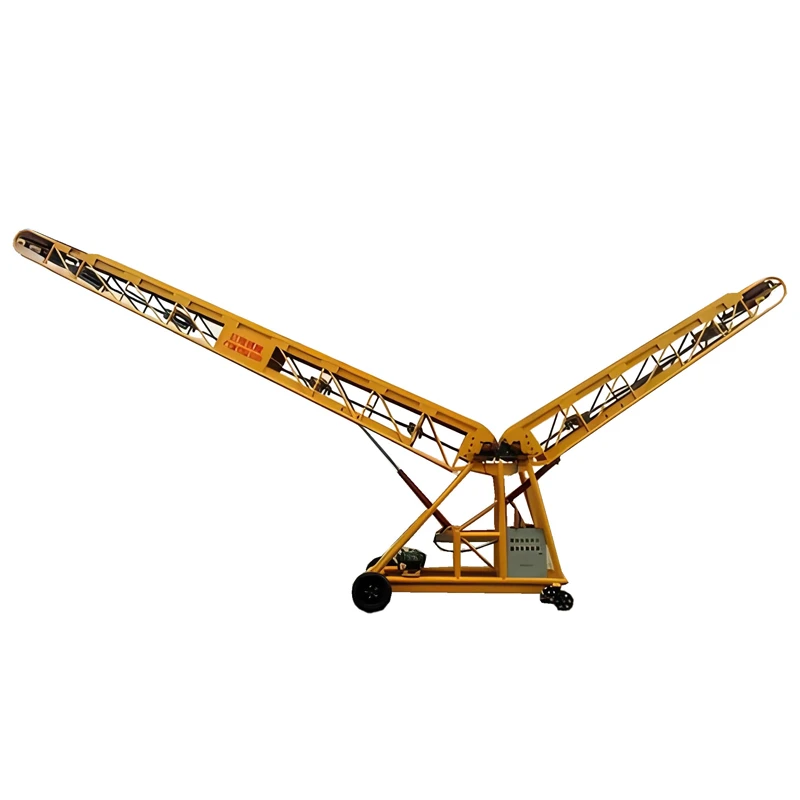
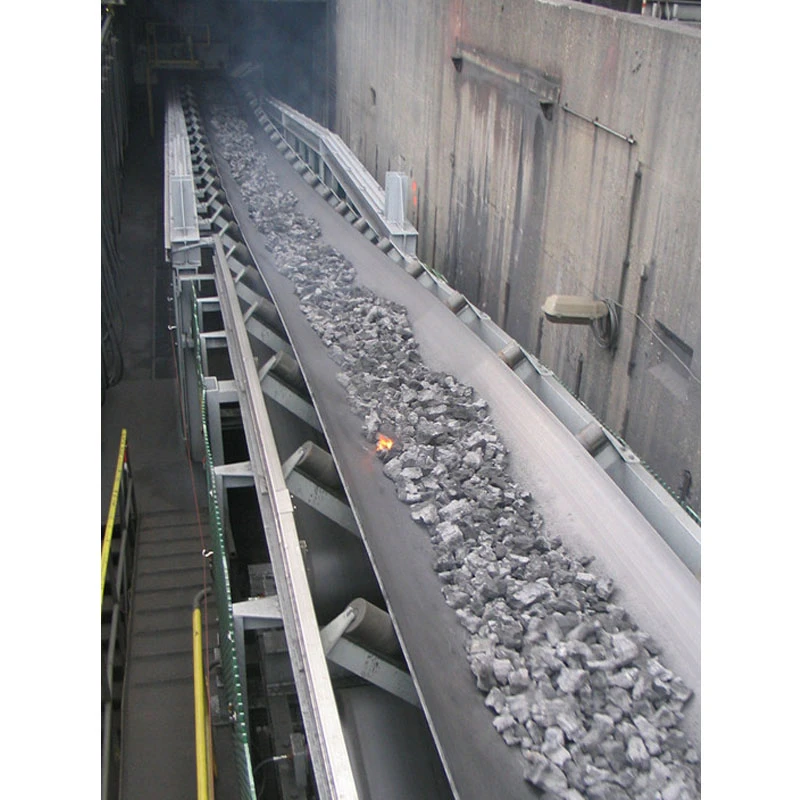
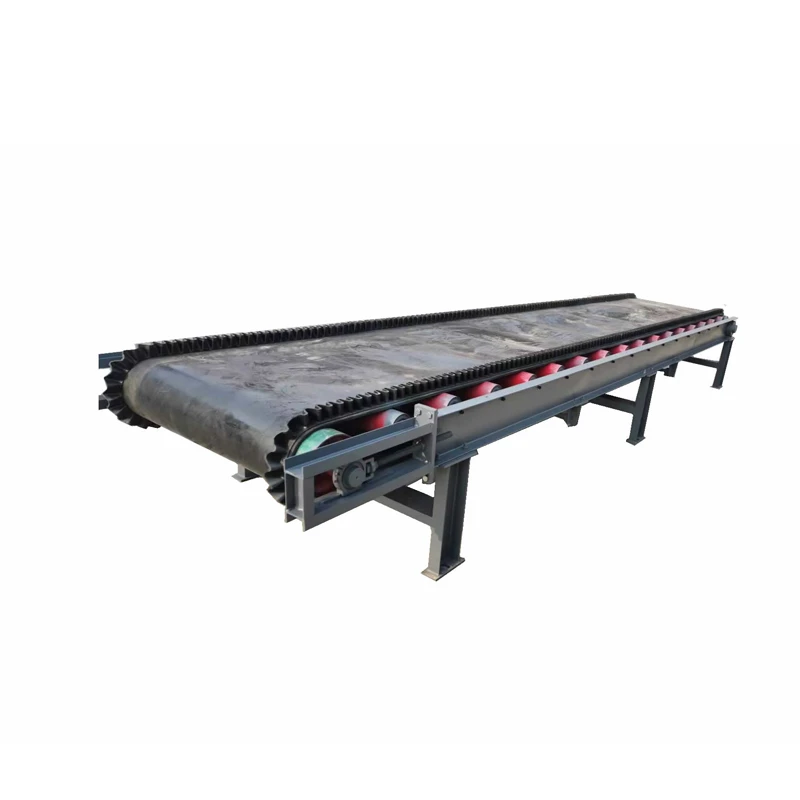
The type of conveyor system best suited to your needs depends on your specific application. Several options are available, each with its own advantages and disadvantages. Below is a comparison of some common conveyor types:
The Role of Data Analytics in Optimizing Conveyor Performance
One of the key hallmarks of smart conveyor design solutions is the integration of data analytics. By collecting and analyzing data on conveyor performance—such as throughput, downtime, and energy consumption—we can identify areas for improvement. This data-driven approach allows for proactive maintenance, optimized scheduling, and reduced operational costs. For example, predictive maintenance algorithms can anticipate potential failures before they occur, minimizing downtime and maximizing system uptime.
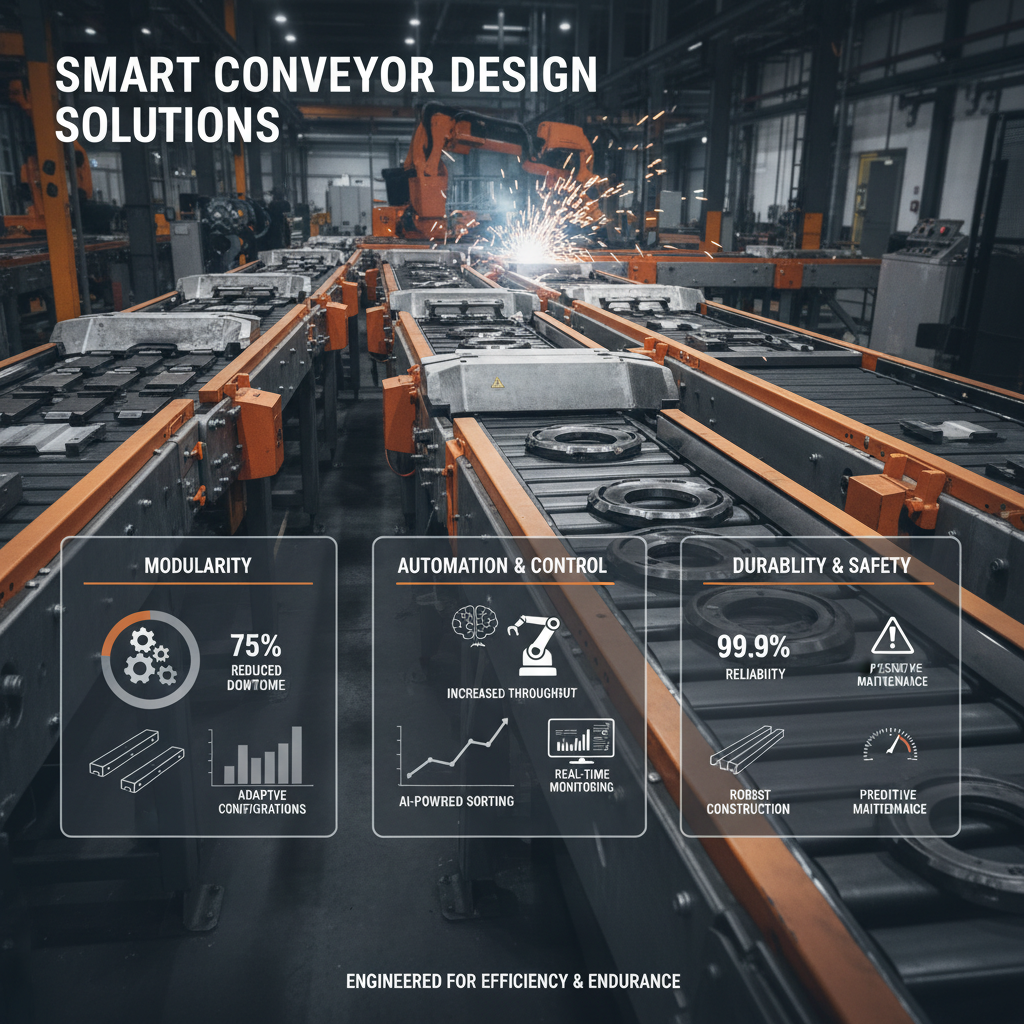
HG Conveyor Belt: Your Partner in Smart Conveyor Solutions
At HG Conveyor Belt, we're committed to delivering innovative and reliable conveyor solutions that meet the evolving needs of our clients. Our team of experienced engineers and technicians works closely with you to design, manufacture, and install systems that optimize your operations and enhance your bottom line. We specialize in providing solutions tailored for cross-border trade, understanding the unique challenges involved in international logistics. Contact us today to discuss your project and discover how we can help you achieve greater efficiency and success.
Conclusion: Invest in a Smarter Future with HG Conveyor Belt
Investing in smart conveyor design solutions is a strategic move for any business looking to optimize its logistics and gain a competitive edge. HG Conveyor Belt is dedicated to providing customized, innovative, and reliable solutions that deliver measurable results. Let us help you streamline your operations and achieve your business goals.
Frequently Asked Questions (FAQs)
What are the typical ROI timelines for implementing a smart conveyor system?
The return on investment (ROI) for a smart conveyor system varies depending on the complexity of the system and the specific benefits realized. However, many clients experience a full ROI within 12-24 months. This is achieved through reduced labor costs, increased throughput, minimized errors, and lower maintenance expenses. The implementation of data analytics features can also provide long-term cost savings through continuous optimization. A detailed ROI analysis is conducted during the initial consultation phase to provide a clear understanding of expected benefits.
How does HG Conveyor Belt handle integration with existing warehouse systems?
HG Conveyor Belt specializes in seamless integration with existing Warehouse Management Systems (WMS) and Enterprise Resource Planning (ERP) systems. Our engineers work closely with your IT team to ensure a smooth and efficient integration process. We utilize industry-standard communication protocols and APIs to facilitate data exchange and ensure compatibility. We provide comprehensive support throughout the integration process, including testing and training.
What maintenance is required for smart conveyor systems?
While smart conveyor systems are designed for reliability, regular maintenance is essential to ensure optimal performance. This typically includes routine inspections, lubrication, belt tracking adjustments, and sensor calibrations. We offer comprehensive maintenance packages, including preventative maintenance schedules and 24/7 support. Predictive maintenance features, powered by data analytics, can also help minimize downtime and reduce maintenance costs.