Seed Conveyors: Optimizing Agricultural Efficiency
In modern agriculture, efficient handling of seeds is paramount for successful planting and maximizing yields. Seed conveyors play a crucial role in this process, automating seed transfer and ensuring accurate distribution. This article explores the different types of seed conveyors, their benefits, applications, and factors to consider when selecting the right system for your agricultural needs. Investing in a reliable seed conveyor system can significantly reduce labor costs, minimize seed waste, and ultimately contribute to increased profitability.
Understanding Different Types of Seed Conveyors
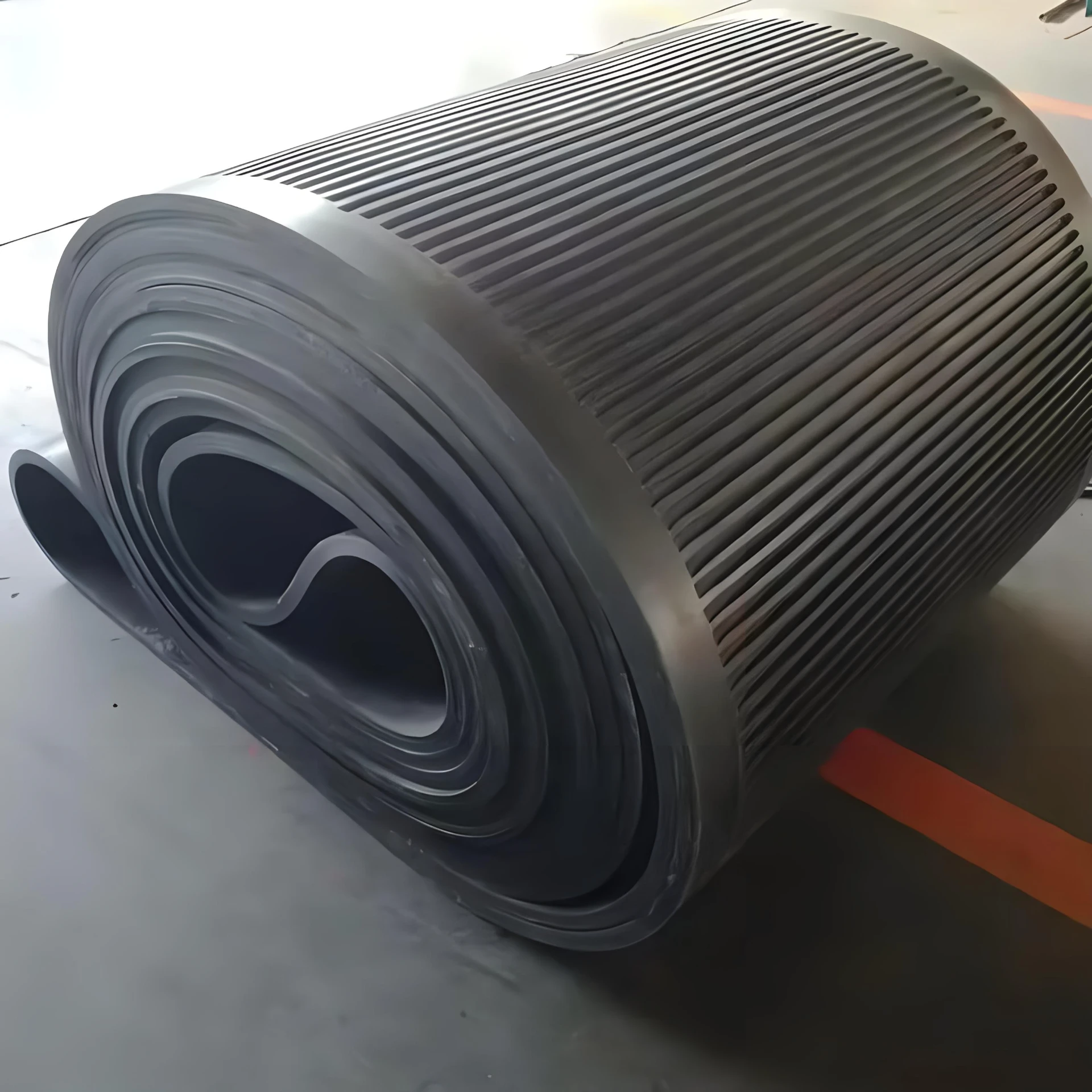
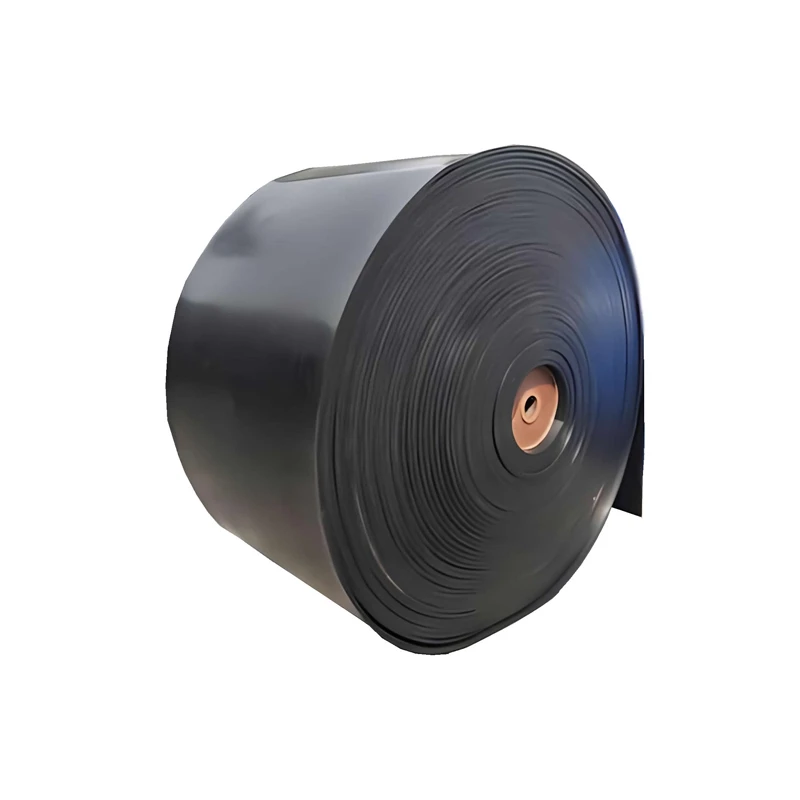
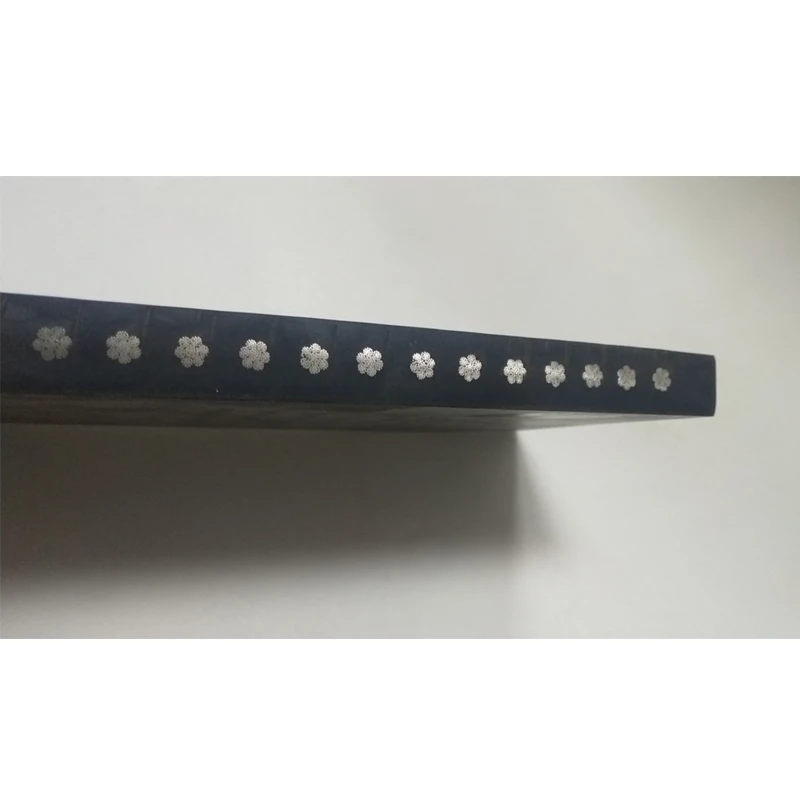
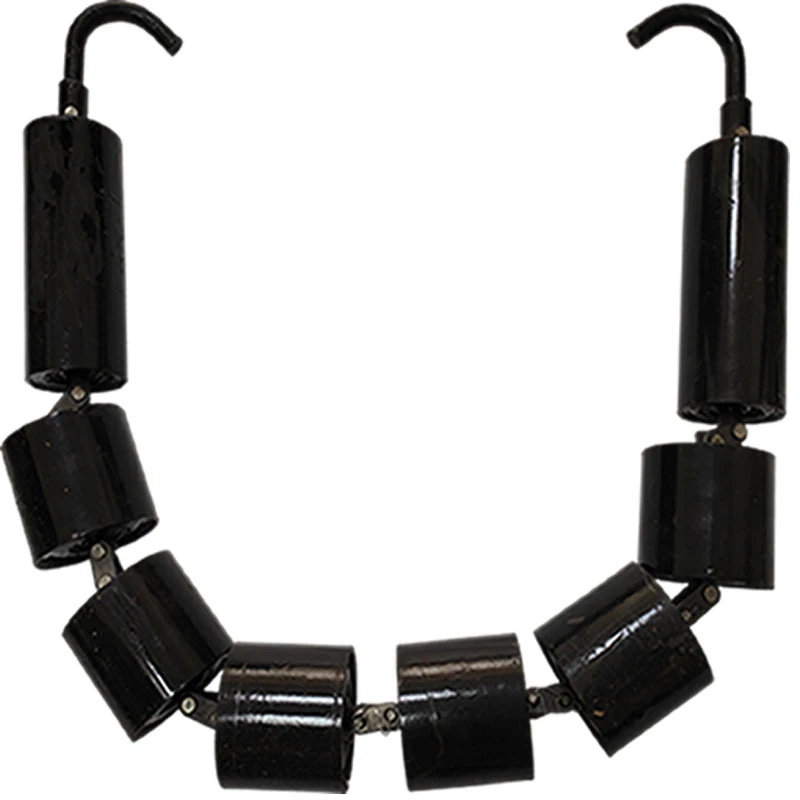
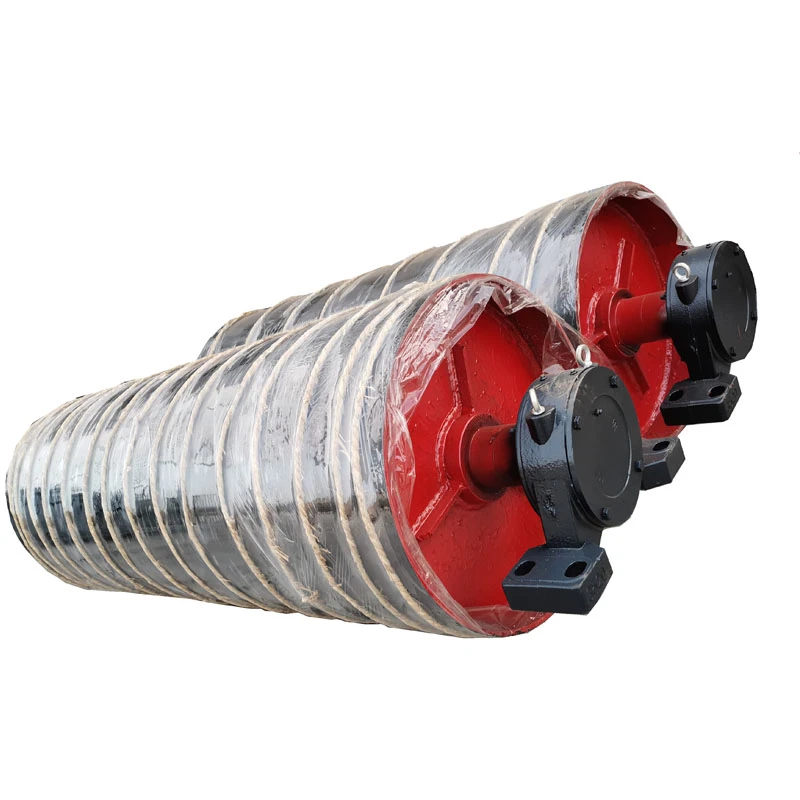
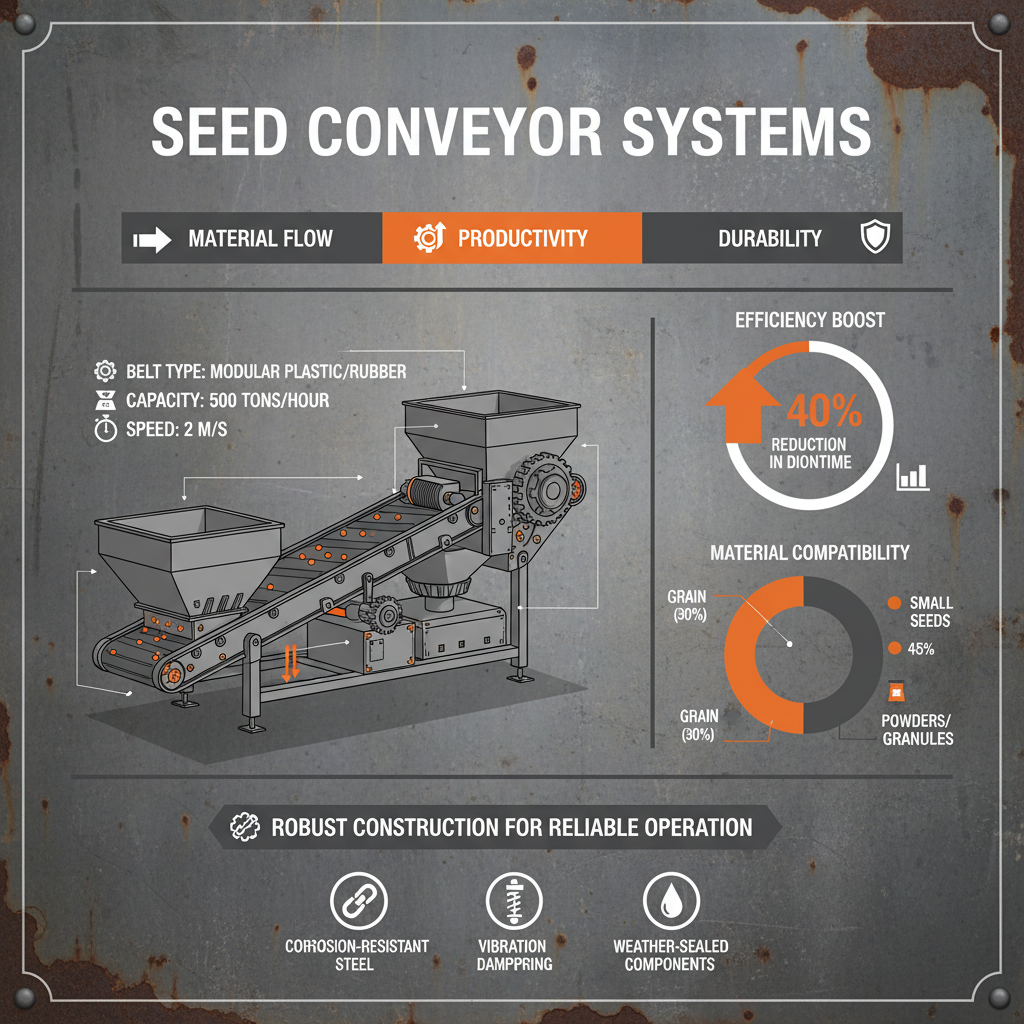
Various types of seed conveyors are available, each suited to specific applications and seed types. Common types include auger conveyors, belt conveyors, pneumatic conveyors, and screw conveyors. Auger conveyors are ideal for short-distance horizontal transport, while belt conveyors excel in handling larger volumes over longer distances. Pneumatic conveyors are well-suited for delicate seeds, ensuring minimal damage during transfer. Screw conveyors offer precise metering and are often used in seed processing and packaging. Choosing the right conveyor depends on factors such as seed type, conveying distance, capacity requirements, and budget constraints.
Key Considerations: Factors like seed size, fragility, and moisture content influence the selection of the appropriate conveyor type. Consider the layout of your facility and the integration with other equipment to ensure a smooth and efficient seed handling process.
The Benefits of Implementing Seed Conveyors
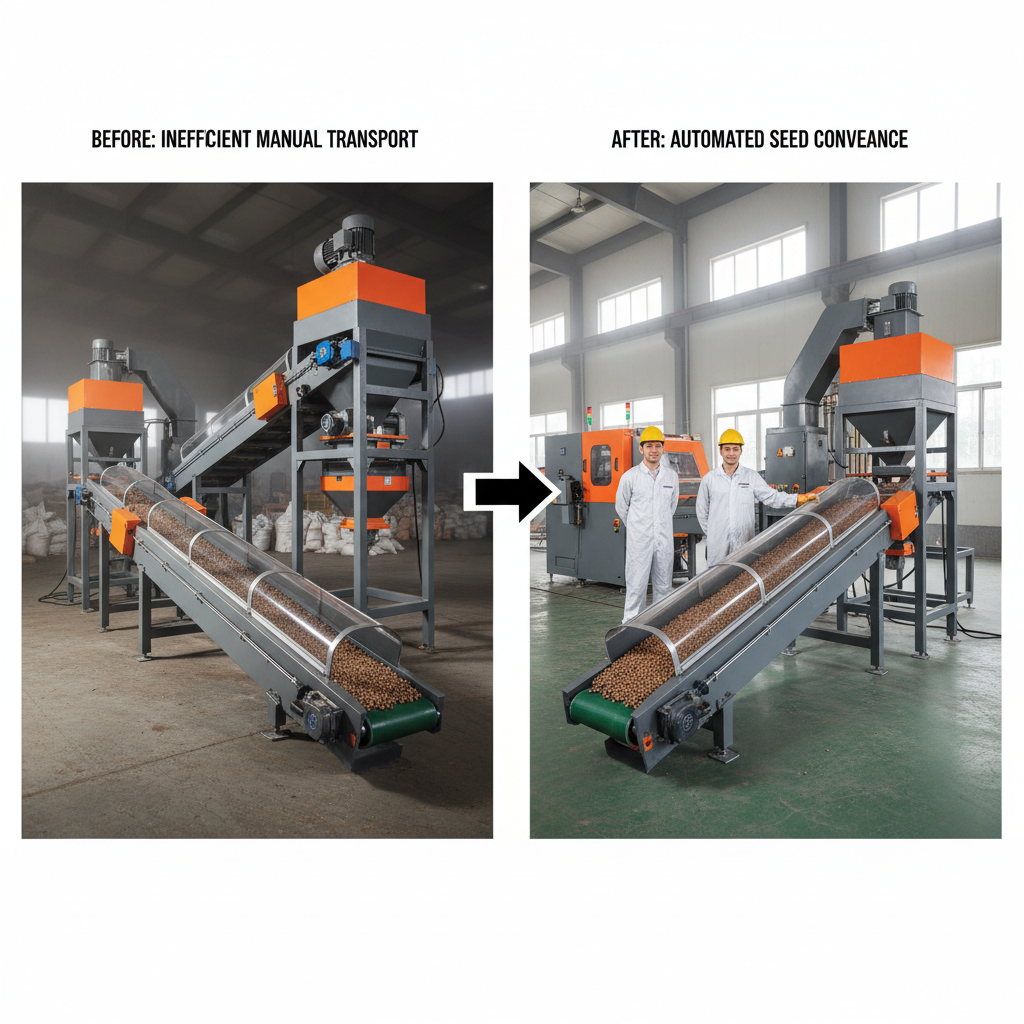
Implementing a seed conveyor system offers numerous benefits to agricultural operations. Automated seed handling reduces manual labor, saving time and costs. Precise seed metering ensures accurate planting rates, optimizing seed usage and minimizing waste. Conveyors can also improve workplace safety by reducing the risk of lifting and carrying heavy seed bags. Furthermore, a well-designed conveyor system enhances operational efficiency, contributing to increased productivity and profitability. The right seed conveyor system streamlines the entire planting process, from seed storage to field distribution.
Key Advantages:
• Reduced Labor Costs
• Minimized Seed Waste
• Improved Planting Accuracy
• Enhanced Workplace Safety
Seed Conveyor Types: A Detailed Comparison
Choosing the best seed conveyor requires careful consideration of the different types available. Here’s a comparison to help you make an informed decision:
Applications in Seed Processing and Distribution
Seed conveyors find application in various stages of seed processing and distribution, including seed cleaning, grading, treating, packaging, and transportation. They seamlessly integrate into seed plants and agricultural facilities, automating material handling and improving efficiency. A properly designed conveyor system can handle a wide range of seed types and volumes, ensuring smooth and reliable operation. From small-scale farms to large commercial operations, HG Conveyor Belt offers solutions to meet diverse needs.
Selecting the Right Seed Conveyor: Key Considerations
Choosing the right seed conveyor requires a thorough assessment of your specific needs. Consider factors such as seed type, conveying distance, capacity requirements, budget, and maintenance requirements. It's also important to evaluate the supplier's reputation and experience. Look for a supplier that offers customized solutions, reliable support, and quality components. Investing in a durable and efficient seed conveyor will provide long-term benefits and contribute to the success of your agricultural operation.
Conclusion: Boosting Agricultural Efficiency with Seed Conveyors
Implementing the right seed conveyor system is a strategic investment for any agricultural operation. By streamlining seed handling, reducing labor costs, and improving planting accuracy, conveyors contribute to increased yields and profitability. Partnering with a reputable supplier like HG Conveyor Belt ensures you receive a customized solution that meets your specific needs and provides long-term value.
Frequently Asked Questions (FAQs)
What maintenance is required for seed conveyors?
Regular maintenance is crucial for ensuring the longevity and efficient operation of seed conveyors. This includes periodic inspection of belts, chains, and other moving parts for wear and tear. Lubrication of bearings and other components is also essential. Cleaning the conveyor system to remove seed dust and debris is important to prevent clogging and maintain hygiene. Following the manufacturer's recommended maintenance schedule will help minimize downtime and maximize the lifespan of your conveyor system.
Can seed conveyors handle different seed sizes?
Yes, seed conveyors can handle different seed sizes, but the type of conveyor and its settings may need to be adjusted. For example, pneumatic conveyors are particularly well-suited for handling small seeds, while auger conveyors can handle larger seeds. Belt conveyors can accommodate a wide range of seed sizes with appropriate belt selection and speed control. It's important to choose a conveyor system that is designed to handle the specific seed types you will be processing.
What safety features should I look for in a seed conveyor?
Safety is paramount when operating seed conveyors. Look for features such as emergency stop buttons, safety guards to prevent access to moving parts, and overload protection systems. Properly designed and installed conveyors should also include clear safety signage and operator training. Regular safety inspections and maintenance are essential to identify and address potential hazards. At HG Conveyor Belt, safety is a top priority in our design and manufacturing process.
What is the typical lead time for a custom seed conveyor system?
The lead time for a custom seed conveyor system varies depending on the complexity of the design, the availability of components, and the current production schedule. Typically, lead times range from 4 to 12 weeks. It's best to contact the supplier with your specific requirements to get an accurate estimate. Early planning and communication can help ensure timely delivery and installation of your conveyor system.