Understanding Slewing Conveyors: Applications and Benefits
In the realm of bulk material handling, efficiency and versatility are paramount. Slewing conveyors offer a unique solution for applications requiring high maneuverability and precise material placement. These conveyors are designed to rotate 360 degrees, allowing for the discharge of materials in a wide arc, making them ideal for various industries. This article explores the functionality, key benefits, applications, and selection considerations for slewing conveyors. Choosing the right conveyor system can drastically improve operational efficiency and reduce handling costs.
What is a Slewing Conveyor?
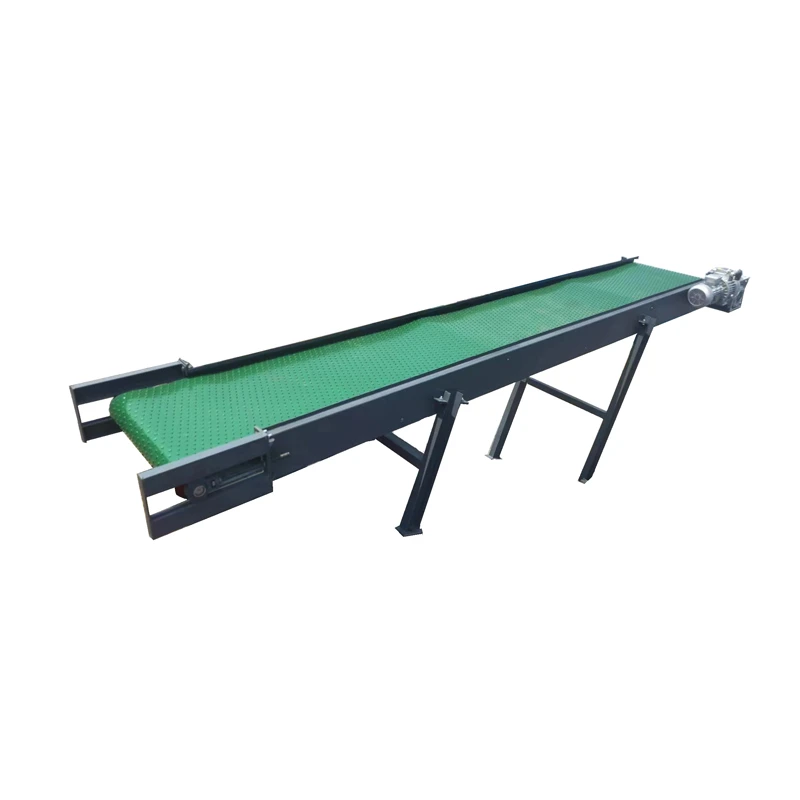
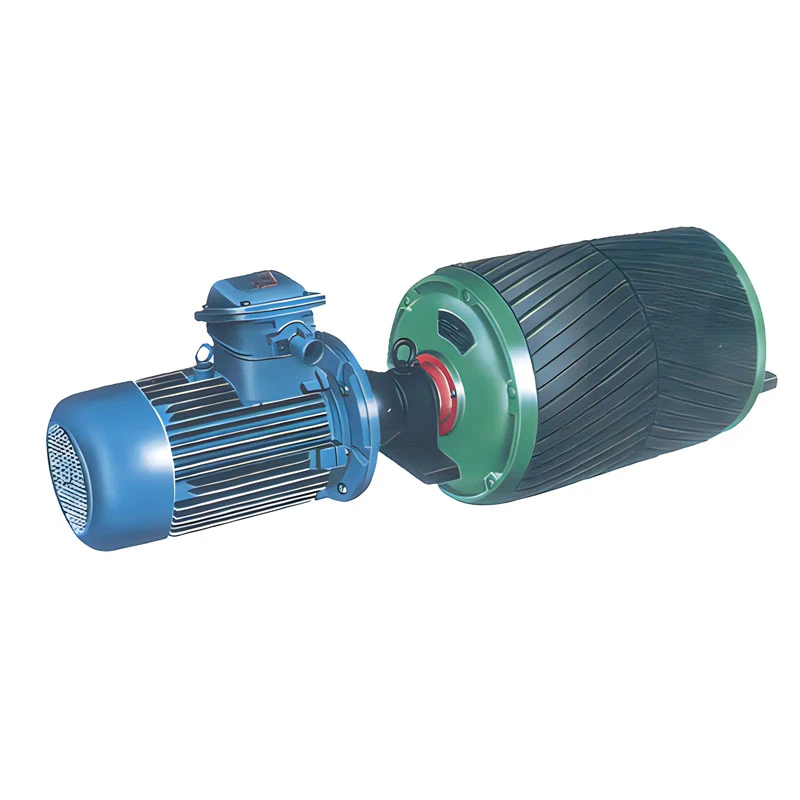
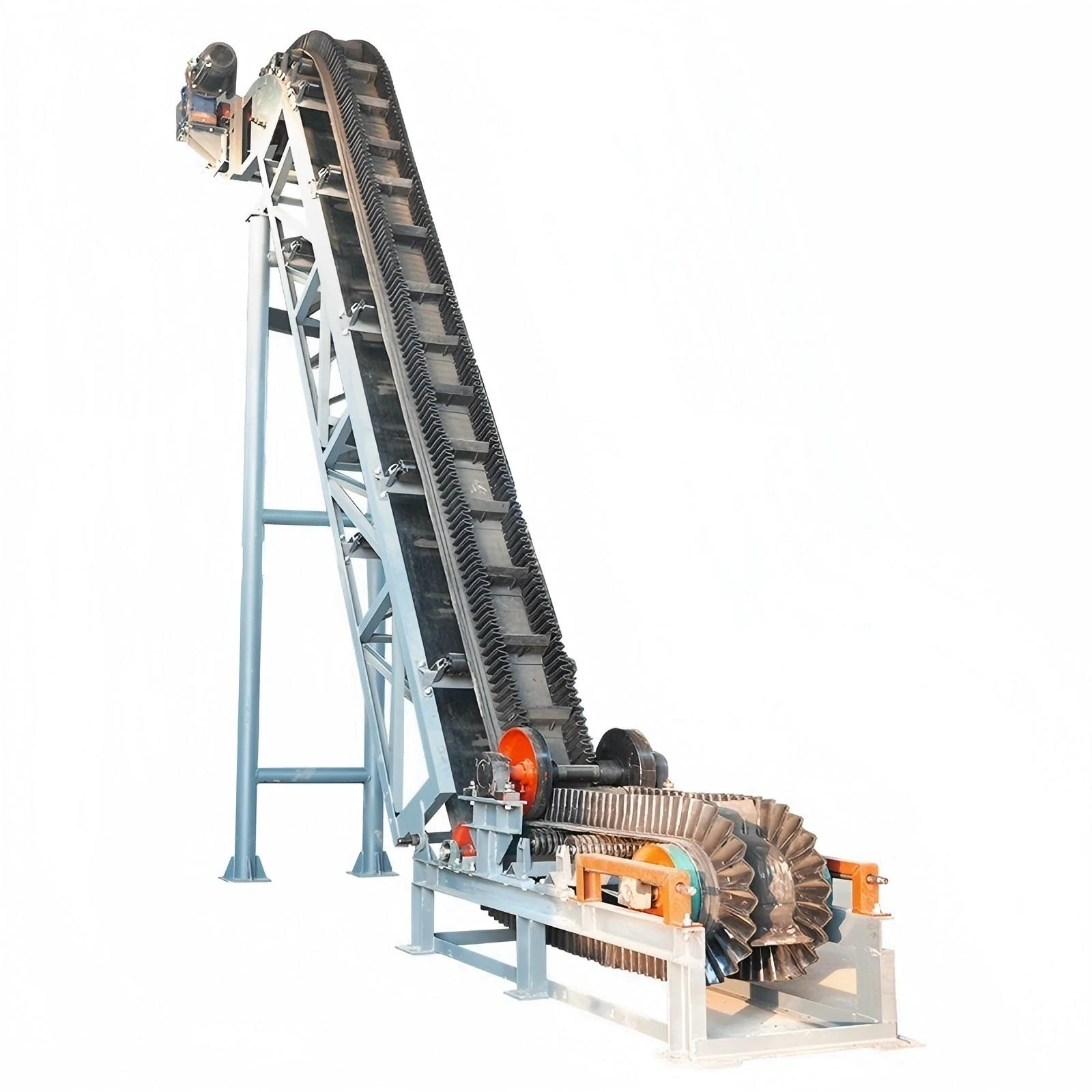
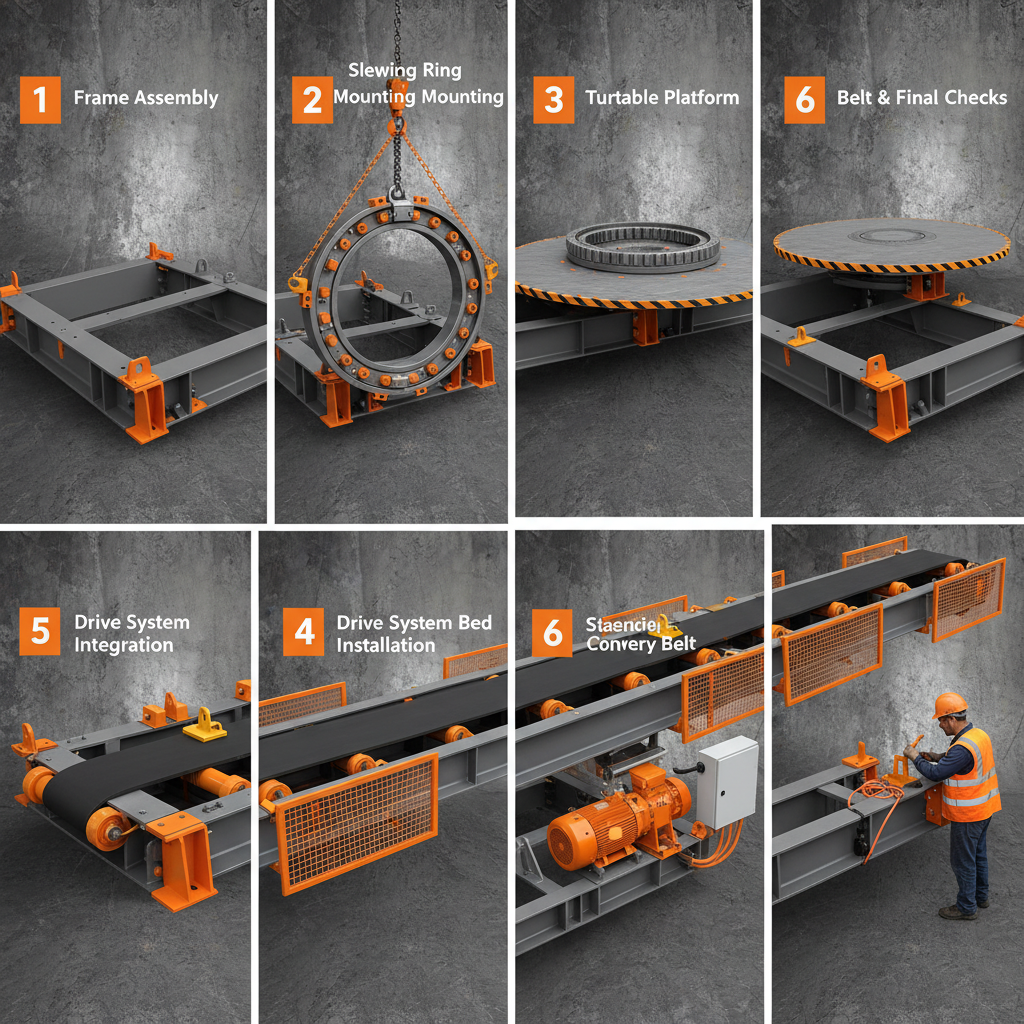
A slewing conveyor, also known as a rotating conveyor, is a material handling system that features a rotating discharge point. Unlike traditional conveyors that move materials in a fixed direction, a slewing conveyor can rotate its boom or discharge pulley through a complete 360-degree arc. This rotation is achieved through a slewing drive, a robust rotating mechanism that supports the conveyor structure and allows for precise positioning. They are commonly used to move granular, powdery, or lumpy materials in applications where fixed conveyors are impractical or inefficient. HG Conveyor Belt offers a wide range of slewing conveyors tailored to specific industry needs.
Key Features: 360-degree rotation, precise material placement, robust construction, customizable lengths and capacities, and adaptable to various material types.
Key Benefits of Utilizing Slewing Conveyors
Employing slewing conveyors offers a multitude of advantages. Their flexibility eliminates the need for multiple fixed conveyors, reducing both initial investment and footprint. The 360-degree rotation allows for efficient distribution of materials across a wide area, minimizing manual handling and associated labor costs. They also contribute to improved safety by reducing the risk of spills and material accumulation. Furthermore, their ability to precisely control material placement minimizes waste and optimizes production processes. The adaptability of HG Conveyor Belt's slewing conveyors makes them ideal for diverse applications.
Benefits at a Glance:
• Increased Efficiency: Reduced material handling and optimized distribution.
• Cost Savings: Lower investment and reduced labor costs.
• Enhanced Safety: Minimized spills and improved workplace organization.
• Versatility: Adaptable to various materials and applications.
Slewing Conveyor Applications Across Industries
Slewing conveyors find applications in a wide range of industries. In the construction sector, they are used for delivering aggregates to paving machines and loading materials onto trucks. In agriculture, they efficiently distribute fertilizer, grain, and feed. The mining industry utilizes them for loading materials onto stockpiles and feeding crushers. Port facilities leverage slewing conveyors for unloading bulk materials from ships and distributing them to storage areas. Furthermore, they are increasingly utilized in recycling plants for sorting and distributing recyclable materials. HG Conveyor Belt designs solutions tailored to the specific demands of each industry.
Selecting the Right Slewing Conveyor: Key Considerations
Choosing the optimal slewing conveyor requires careful consideration of several factors. Material type, conveying capacity, reach requirements, and environmental conditions are all crucial. The slewing drive’s torque capacity must be adequate for the load and operating conditions. Belt width, conveyor length, and inclination angle need to be appropriately sized for the material being handled. It’s also essential to select a conveyor with durable construction and corrosion-resistant materials, especially for outdoor applications. Partnering with an experienced manufacturer, like HG Conveyor Belt, ensures you receive a tailored solution that meets your specific needs.
Slewing Conveyor Product Specifications
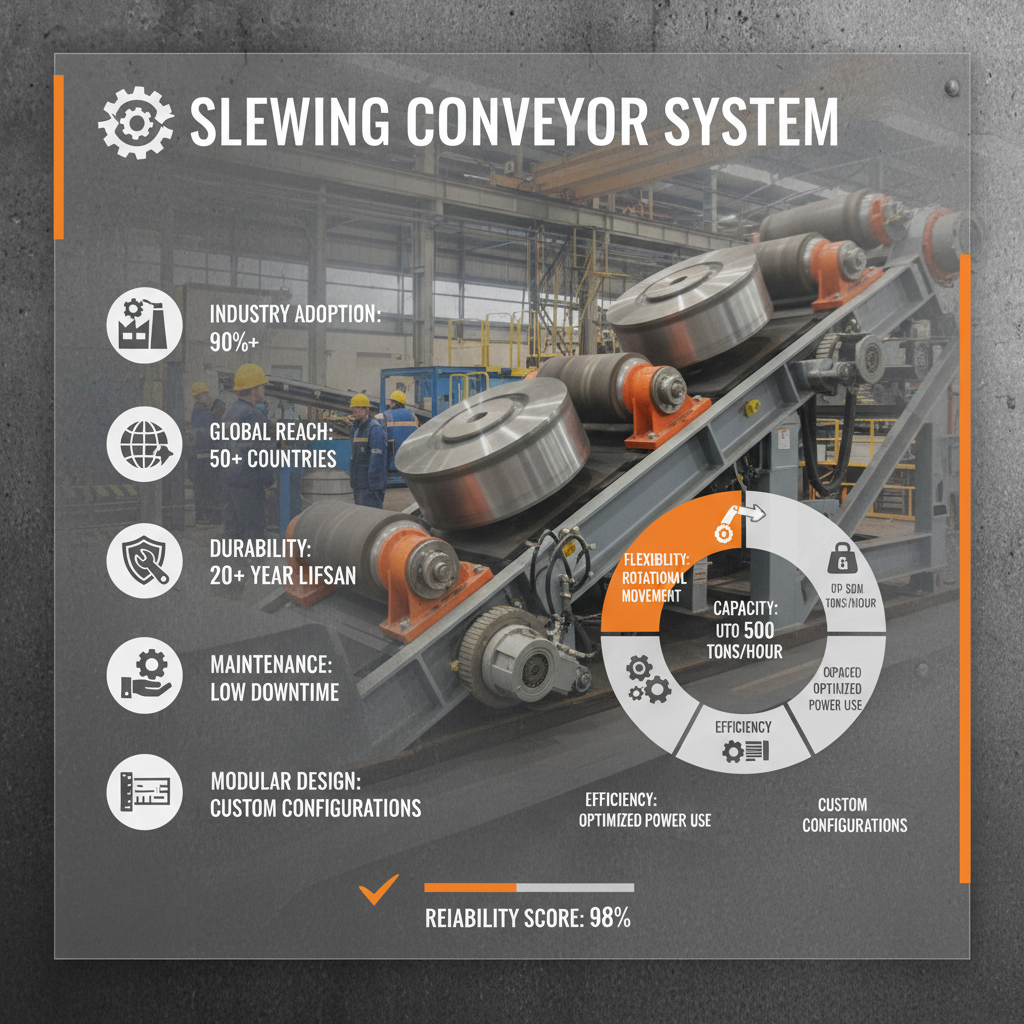
Below are typical specifications for our commonly produced Slewing Conveyors. Please contact us for a custom solution tailored to your specific needs.
Conclusion: Optimizing Material Handling with Slewing Conveyors
Investing in a slewing conveyor from HG Conveyor Belt is a strategic decision that can significantly enhance your material handling operations. Their versatility, efficiency, and safety benefits translate into reduced costs, improved productivity, and a safer working environment. Contact us today to discuss your specific requirements and discover the ideal slewing conveyor solution for your business.
Frequently Asked Questions (FAQs)
What maintenance is required for a slewing conveyor?
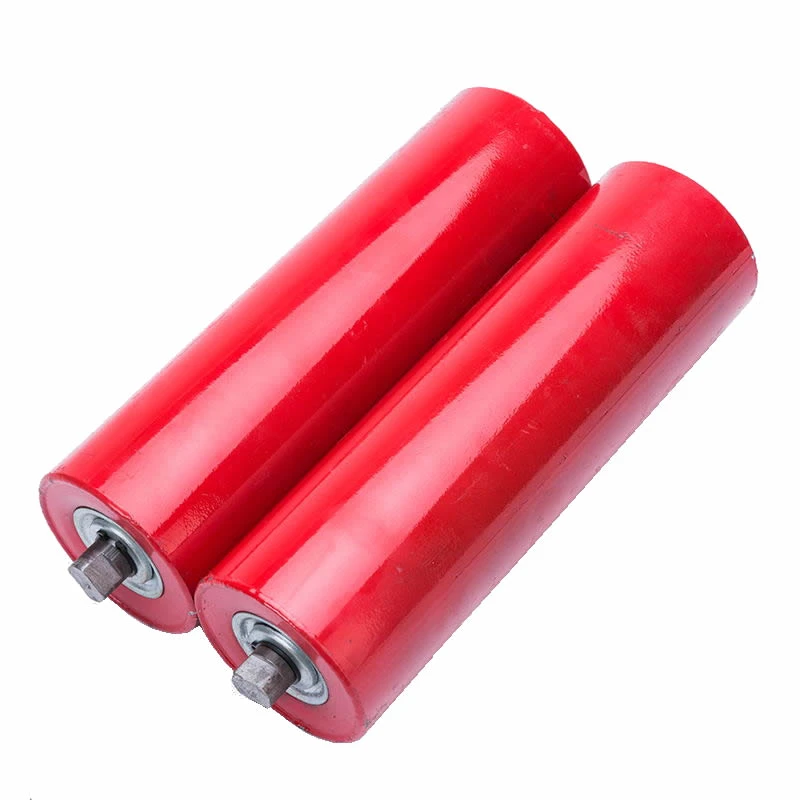
Regular maintenance is crucial for ensuring the longevity and optimal performance of your slewing conveyor. Key maintenance tasks include inspecting and lubricating the slewing drive, checking belt tension and alignment, examining rollers and pulleys for wear, and inspecting the conveyor structure for any signs of damage. It is recommended to follow a scheduled maintenance plan and address any issues promptly to prevent costly downtime. HG Conveyor Belt offers comprehensive maintenance services and support to keep your system running smoothly.
Can slewing conveyors handle sticky or abrasive materials?
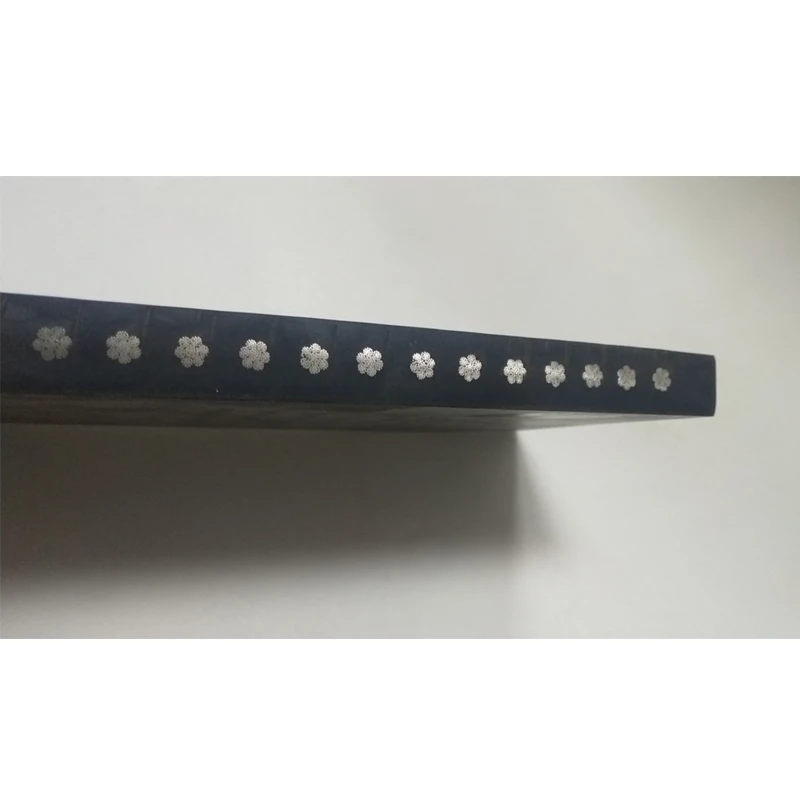
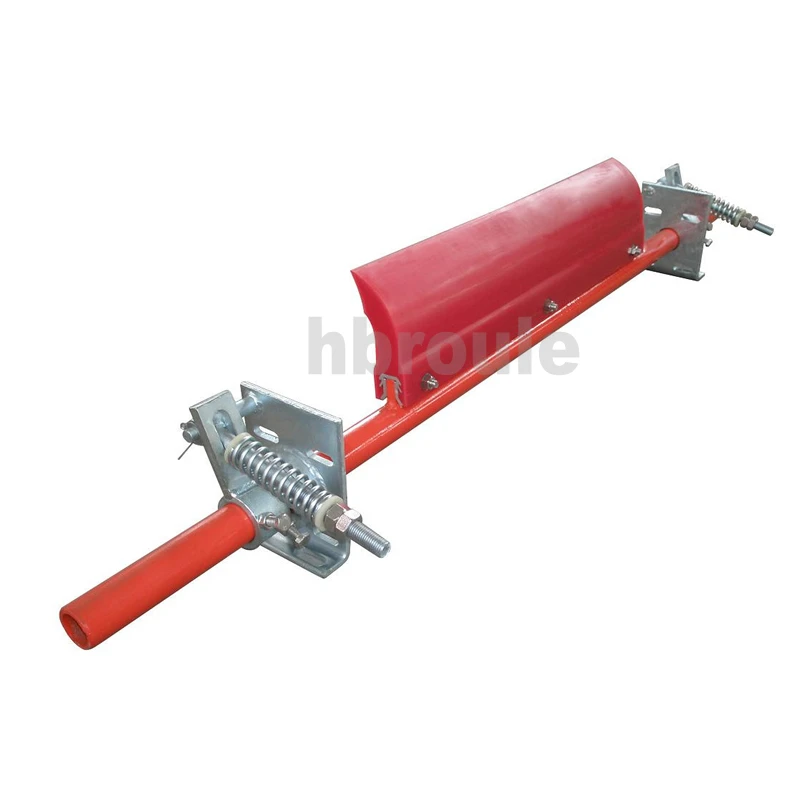
Yes, slewing conveyors can be designed to handle sticky or abrasive materials with the appropriate modifications. This may involve using belt materials with specialized coatings to prevent adhesion, incorporating scraper systems to remove build-up, and selecting abrasion-resistant materials for critical components. The design will depend on the specific properties of the material being conveyed. HG Conveyor Belt's engineering team can assess your material characteristics and recommend the best solutions for your application.
What is the typical lead time for a custom slewing conveyor?
The lead time for a custom slewing conveyor varies depending on the complexity of the design, the availability of materials, and our current production schedule. Typically, lead times range from 8 to 16 weeks. We strive to provide accurate lead time estimates during the quotation process and keep our customers informed throughout the manufacturing process. Early planning and clear specifications can help expedite the delivery of your customized solution.
Are slewing conveyors energy efficient?
Slewing conveyors can be highly energy efficient, particularly when compared to other material handling methods such as trucks or multiple fixed conveyors. Their direct drive systems minimize energy loss, and the ability to precisely position materials reduces unnecessary movement. Furthermore, the use of variable frequency drives (VFDs) can optimize energy consumption based on the actual material flow rate. HG Conveyor Belt integrates energy-saving features into its slewing conveyor designs to minimize operational costs.