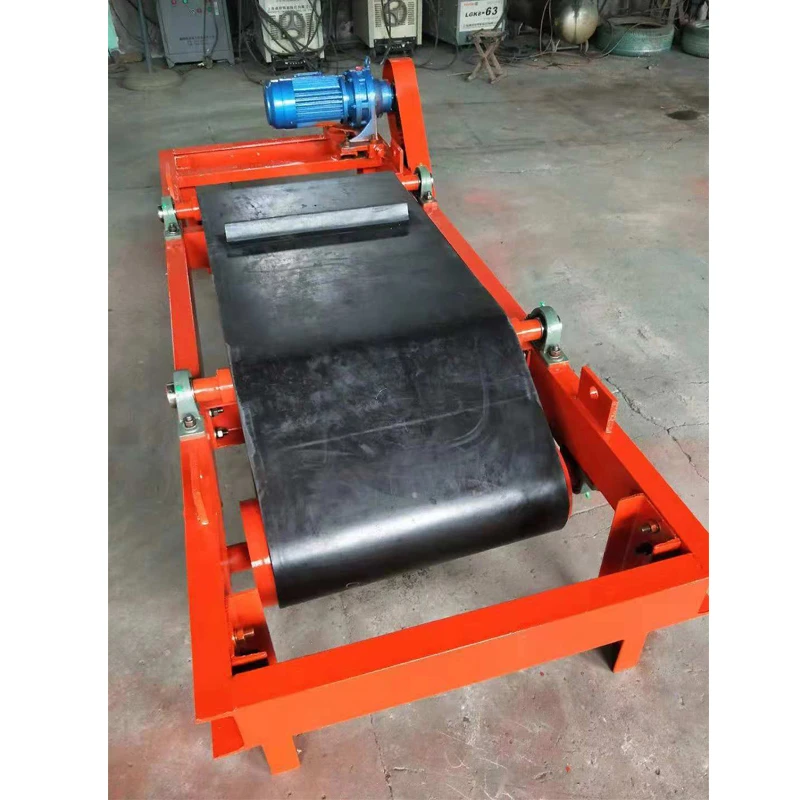
A self-aligning roller is designed to maintain smooth material movement even when loads, frames, or conveyor components are not perfectly aligned. By allowing controlled movement or angular adjustment, self-aligning rollers can reduce friction, minimize tracking problems, and improve conveyor reliability.
These rollers are commonly used in conveyor systems that handle bulk materials, packaged goods, steel products, mining materials, and other industrial loads. Compared with conventional fixed rollers, a self-aligning design can better compensate for minor alignment deviations during operation.
What Is a Self-Aligning Roller?
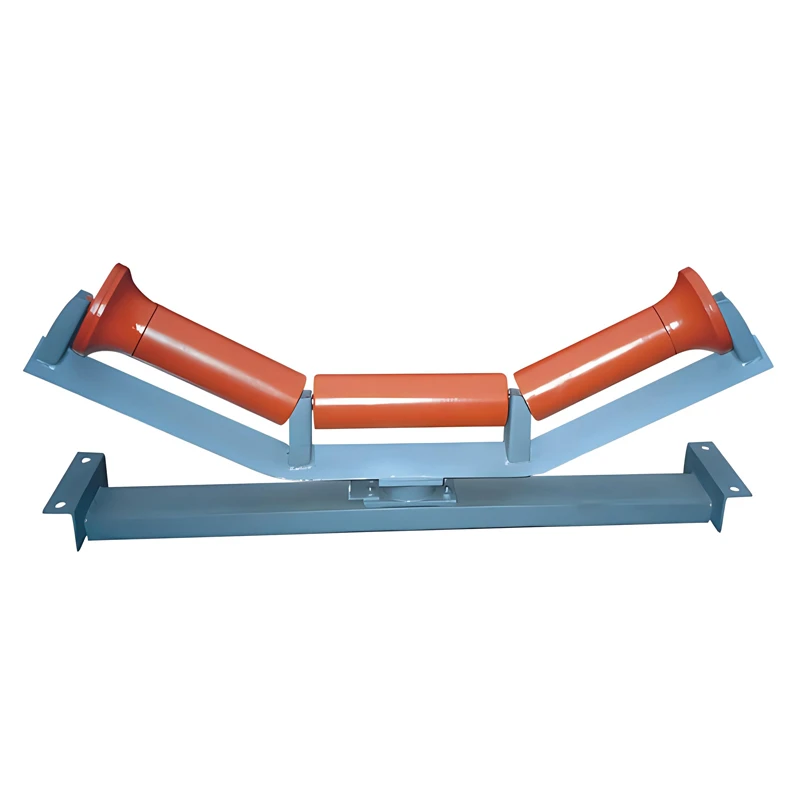
A self-aligning roller is a conveyor roller or idler assembly designed to help correct belt or material tracking when the conveyor system experiences lateral deviation. Its structure typically includes rollers mounted on an adjustable frame or pivoting mechanism.
When a conveyor belt begins to move away from its intended centerline, the self-aligning mechanism responds to the lateral movement and guides the belt back toward the correct position. The exact operating principle depends on the roller configuration and conveyor design.
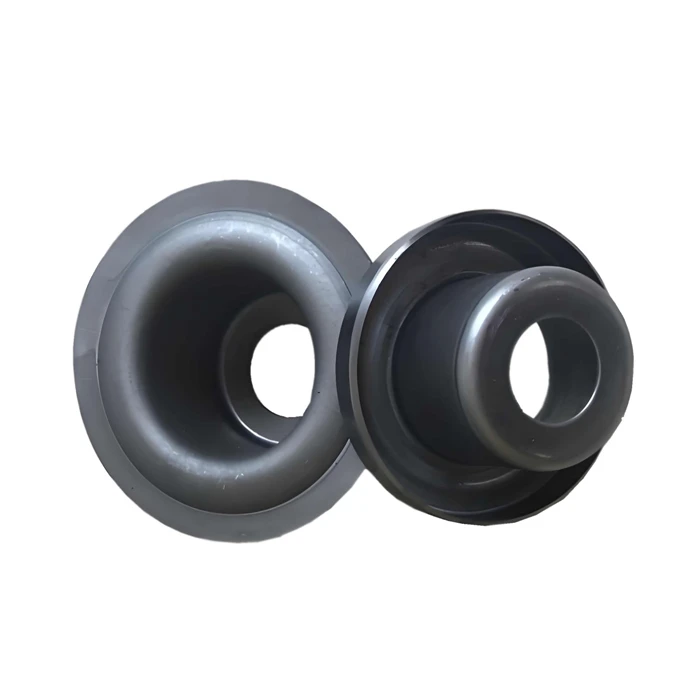
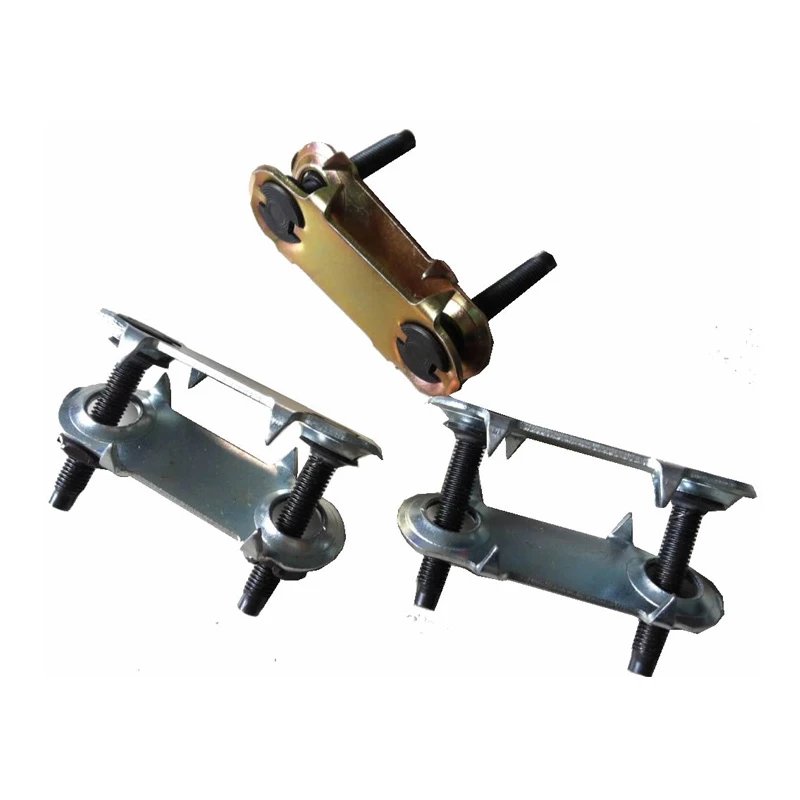
A typical self-aligning roller may include:
- Roller tubes
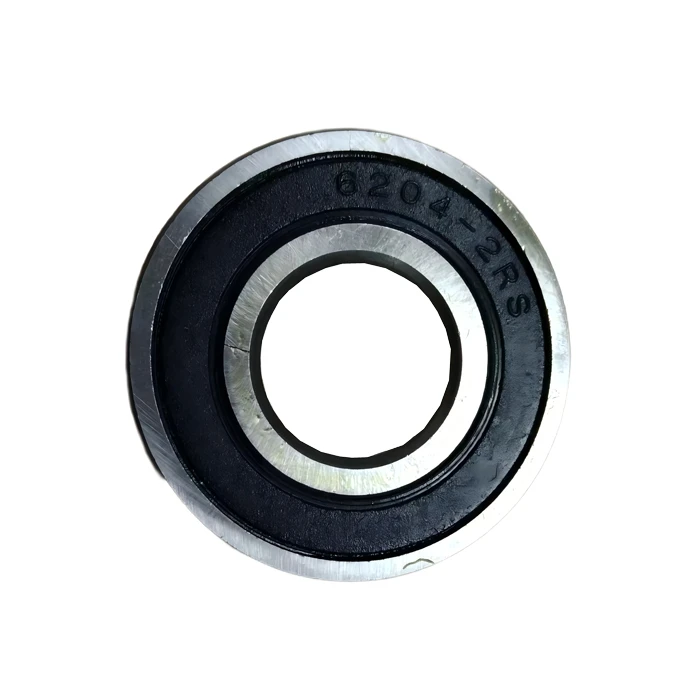
- Bearings and bearing housings
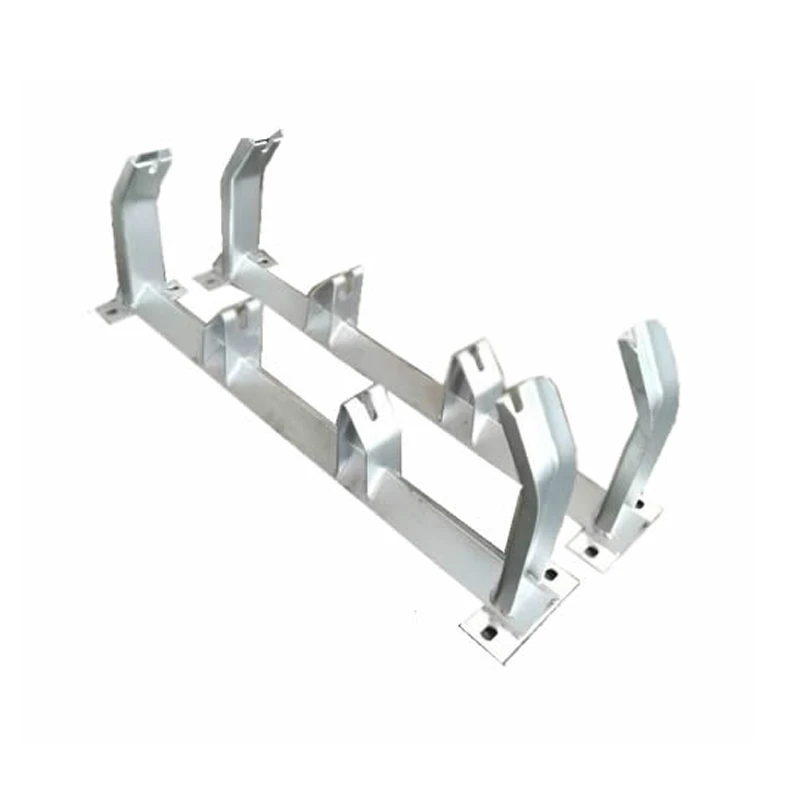
- A supporting frame
- Pivoting or alignment components
- Sealing components
- Mounting brackets
The roller diameter, shaft size, bearing type, frame structure, and surface finish can all be customized according to conveyor requirements.

How Does a Self-Aligning Conveyor Roller Work?
The main purpose of a self-aligning conveyor roller is to compensate for belt misalignment.
Under normal conditions, the conveyor belt runs along the center of the conveyor structure. However, uneven loading, material buildup, roller installation errors, frame deformation, or other operating conditions can cause the belt to move sideways.
A self-aligning roller detects this lateral movement through its mechanical configuration. Depending on the design, the roller frame or idler assembly can pivot slightly as the belt moves toward one side. This change in roller orientation creates a guiding force that encourages the belt to return toward the center.
The process can generally be understood as:
Belt deviation → Alignment mechanism responds → Roller position changes → Guiding force develops → Belt returns toward center
This automatic correction reduces the need for continuous manual belt adjustment and helps maintain stable conveyor operation.
Self-Aligning Roller vs. Standard Conveyor Roller
A standard conveyor roller primarily supports the belt and transported material. It is normally installed in a fixed position and does not actively respond to lateral belt movement.
A self-aligning roller adds an alignment function to the conveying system.
| Feature | Standard Conveyor Roller | Self-Aligning Roller |
|---|---|---|
| Main function | Support belt and load | Support and help correct belt tracking |
| Roller position | Fixed | Adjustable or pivoting |
| Belt tracking assistance | Limited | Designed for tracking correction |
| System complexity | Lower | Higher |
| Suitable applications | General conveying | Systems where belt alignment is important |
| Maintenance focus | Bearings, seals, roller condition | Bearings, seals, alignment mechanism |
A self-aligning roller does not replace correct conveyor design. Proper pulley alignment, belt tension, loading conditions, and roller installation remain important. Instead, it provides an additional mechanical solution for controlling belt deviation.
Key Benefits of Self-Aligning Rollers
1. Improved Belt Tracking
The primary advantage is improved belt tracking. By responding to lateral belt movement, self-aligning rollers can help maintain the belt's position along the conveyor centerline.
Stable tracking is especially important for long conveyor systems where small alignment problems can become more noticeable over time.
2. Reduced Belt Damage
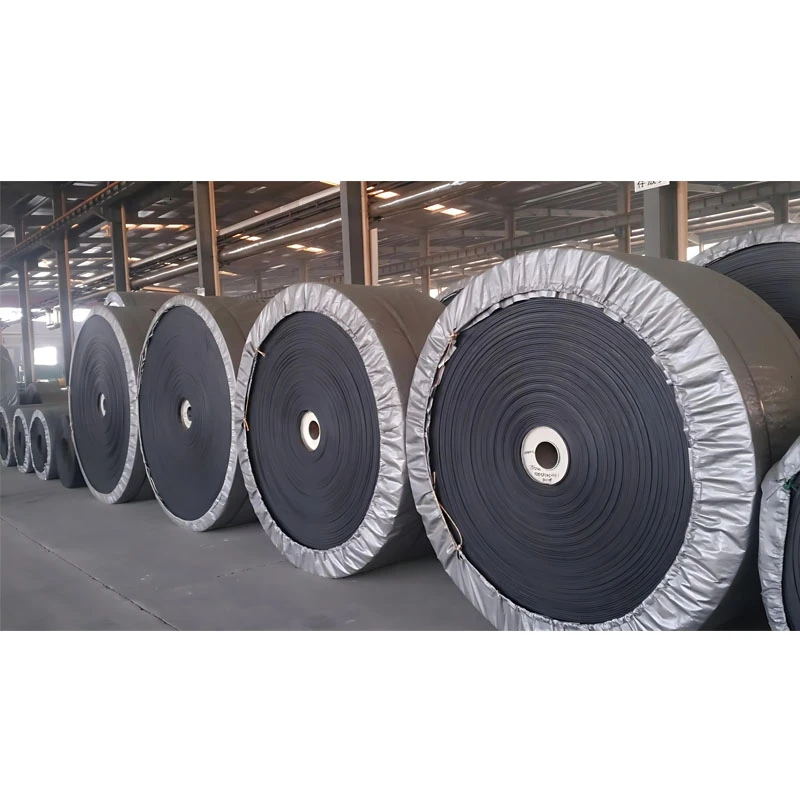
Persistent belt misalignment can cause the belt edge to rub against conveyor structures. Over time, this may lead to edge wear, tearing, or premature replacement.
A properly selected self-aligning roller can help reduce excessive lateral movement and protect the conveyor belt from unnecessary contact.
3. Lower Maintenance Requirements
Manual belt tracking adjustments can interrupt production and require regular inspection. An automatic or mechanical alignment system can reduce the frequency of corrective adjustments.
However, routine inspection is still necessary. Bearings, seals, roller surfaces, mounting structures, and alignment components should be checked according to the operating environment.
4. Better Conveyor Stability
Stable belt movement can improve the overall consistency of material transportation. This is particularly useful when conveyors operate continuously or handle heavy and abrasive materials.
Where Are Self-Aligning Rollers Used?
Self-aligning rollers are commonly used in industrial conveyor systems where belt tracking and continuous operation are important.
Typical applications include:
- Mining and quarry conveyors
- Bulk material handling
- Coal transportation
- Cement plants
- Steel processing
- Port and terminal conveyors
- Aggregate processing
- Power plants
- Warehousing and logistics systems
- Heavy-duty industrial conveying
For example, mining conveyors may transport large quantities of abrasive material over long distances. In these systems, stable belt tracking can be an important part of maintaining reliable operation.
The appropriate roller design depends on factors such as belt width, material weight, conveying speed, environmental conditions, and conveyor length.
How to Choose the Right Self-Aligning Roller
Selecting a self-aligning roller should start with the operating requirements of the conveyor rather than simply choosing a standard roller size.
Conveyor Belt Width
Belt width directly affects roller dimensions and the required supporting structure. Common belt widths vary by application, so the roller assembly should match the conveyor's actual specifications.
Load Capacity
The roller must support both the belt and transported material. Heavy-duty applications require appropriate roller tubes, shafts, bearings, and supporting structures.
Roller Diameter
A larger roller diameter can be suitable for certain heavy-load or high-speed applications, while smaller rollers may be sufficient for lighter conveying systems. The correct diameter should be selected based on belt speed, load, and conveyor design.
Bearing and Seal Design
Bearings directly affect roller rotation and service life. In dusty, wet, or abrasive environments, effective sealing is particularly important because contaminants can accelerate bearing wear.
Operating Environment
Temperature, humidity, dust, moisture, corrosive materials, and abrasive particles can all influence roller selection. A conveyor operating outdoors or in a mining environment may require a different configuration from one used in a clean warehouse.
Installation Compatibility
The self-aligning roller must fit the existing conveyor structure. Check mounting dimensions, shaft configuration, frame design, and installation space before ordering.
Self-Aligning Roller Manufacturing and Customization
Industrial conveyor manufacturers often provide self-aligning rollers in different specifications to match individual conveyor systems.
Customization may include roller diameter, roller length, shaft dimensions, bearing configuration, sealing system, frame structure, surface treatment, and material selection.
For OEM projects, manufacturers can also develop rollers according to engineering drawings or conveyor specifications. Before production, buyers should confirm key technical parameters such as belt width, roller spacing, load capacity, belt speed, installation dimensions, and operating conditions.
For large conveyor projects, consistent dimensions and quality control are especially important because multiple rollers must work together across the entire system.
Maintenance Tips for Self-Aligning Rollers
Even though self-aligning rollers help reduce belt tracking problems, regular maintenance remains essential.
Inspect the rollers for unusual noise, excessive vibration, damaged seals, material buildup, and abnormal rotation. Check whether the alignment mechanism moves correctly and whether mounting components remain secure.
The conveyor belt should also be inspected for uneven wear along the edges. If tracking problems continue despite properly functioning self-aligning rollers, the underlying cause may involve belt tension, pulley alignment, uneven loading, conveyor structure, or material buildup.
A complete conveyor inspection is therefore more effective than replacing rollers without identifying the root cause.
Conclusion
A self-aligning roller provides both material support and belt-tracking assistance, making it useful for conveyor systems where lateral belt movement can affect performance and maintenance. Its ability to respond to belt deviation can help reduce edge wear, improve operational stability, and limit manual tracking adjustments.
When selecting a self-aligning conveyor roller, consider belt width, load capacity, roller diameter, bearing and sealing design, operating environment, and installation dimensions. For demanding applications, working with a manufacturer that can provide customized roller configurations can help ensure the roller matches the conveyor system rather than forcing the system to fit a standard component.