In modern logistics, warehousing, and material handling operations, efficiency and flexibility are essential for improving loading and unloading performance. Traditional fixed conveyors often require additional manual handling or extra equipment when materials need to be transferred between different positions. A telescopic belt conveyor provides a practical solution by extending and retracting its conveyor frame to reach trucks, containers, or storage areas directly.
As one of the experienced telescopic conveyor manufacturers, Hebei Roule provides customized conveyor solutions designed to improve material flow, reduce labor requirements, and optimize operational efficiency for various industries.
What Is a Telescopic Belt Conveyor?
A telescopic belt conveyor is a type of expandable conveyor system that can extend forward and retract back according to operational requirements. Unlike standard fixed belt conveyors, the telescopic design allows the conveyor nose to move into trucks, containers, or other loading areas, reducing the distance that workers need to carry materials manually.
The conveyor usually consists of multiple sections that slide inside one another through a telescopic mechanism. When loading or unloading begins, the conveyor extends outward to provide direct access. After the operation is completed, it retracts to save space and maintain a compact footprint.
Telescopic belt conveyors are widely used in warehouses, distribution centers, express logistics, manufacturing plants, and cargo terminals where frequent loading and unloading operations are required.

How Does a Telescopic Belt Conveyor Work?
The working principle of a telescopic conveyor is based on a motor-driven extension system combined with a continuous conveyor belt movement.
The main working process includes:
1. Conveyor Extension
When operators activate the system, the telescopic sections extend outward through a motorized drive mechanism. The conveyor can move closer to the loading position, such as inside a shipping container or trailer.
2. Material Transportation
The belt system runs continuously to transport cartons, packages, bags, or other materials between different areas. Workers can place goods directly onto the belt without excessive walking or lifting.
3. Conveyor Retraction
After completing the loading or unloading task, the conveyor sections retract back into the original position. This reduces the occupied space and allows easier movement around the working area.
Many modern telescopic belt conveyors are equipped with control systems, safety sensors, and adjustable speed functions to improve operation reliability.
Key Components of a Telescopic Belt Conveyor
A telescopic belt conveyor is made up of several important components that work together to ensure stable performance.
Telescopic Frame
The telescopic frame is the core structure that enables extension and retraction. It is usually manufactured with high-strength steel to provide durability under frequent operation.
Conveyor Belt System
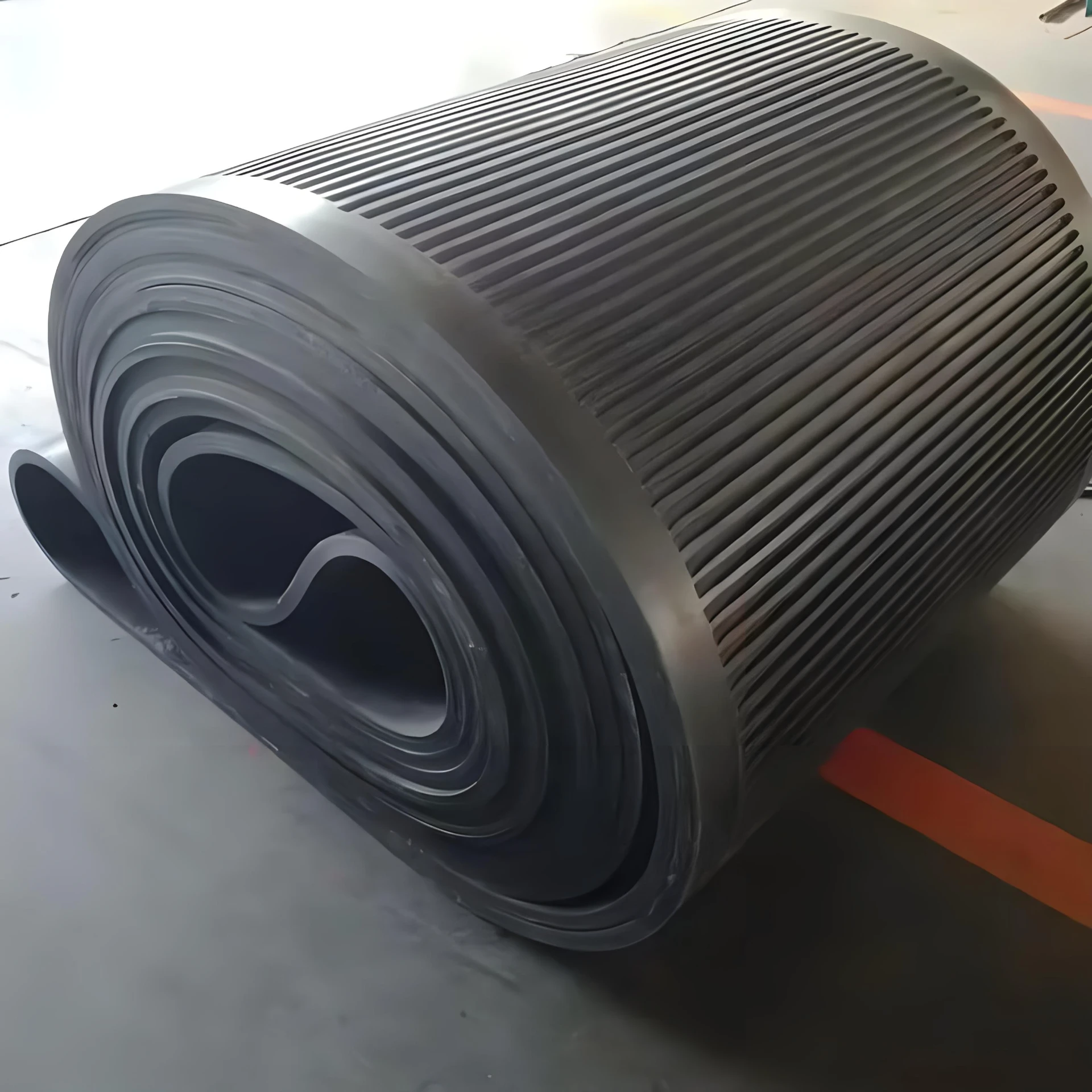
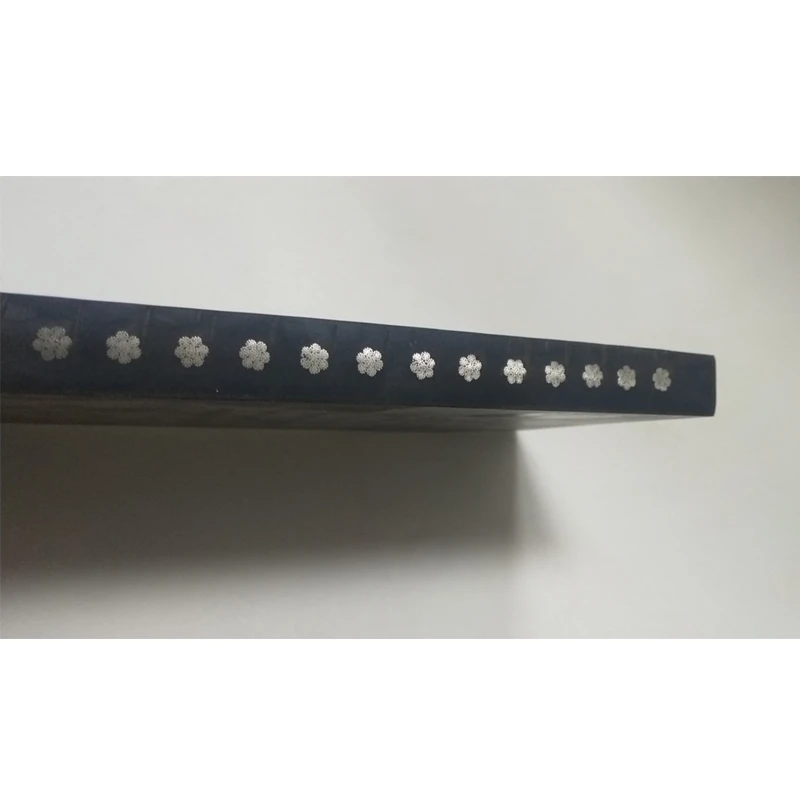
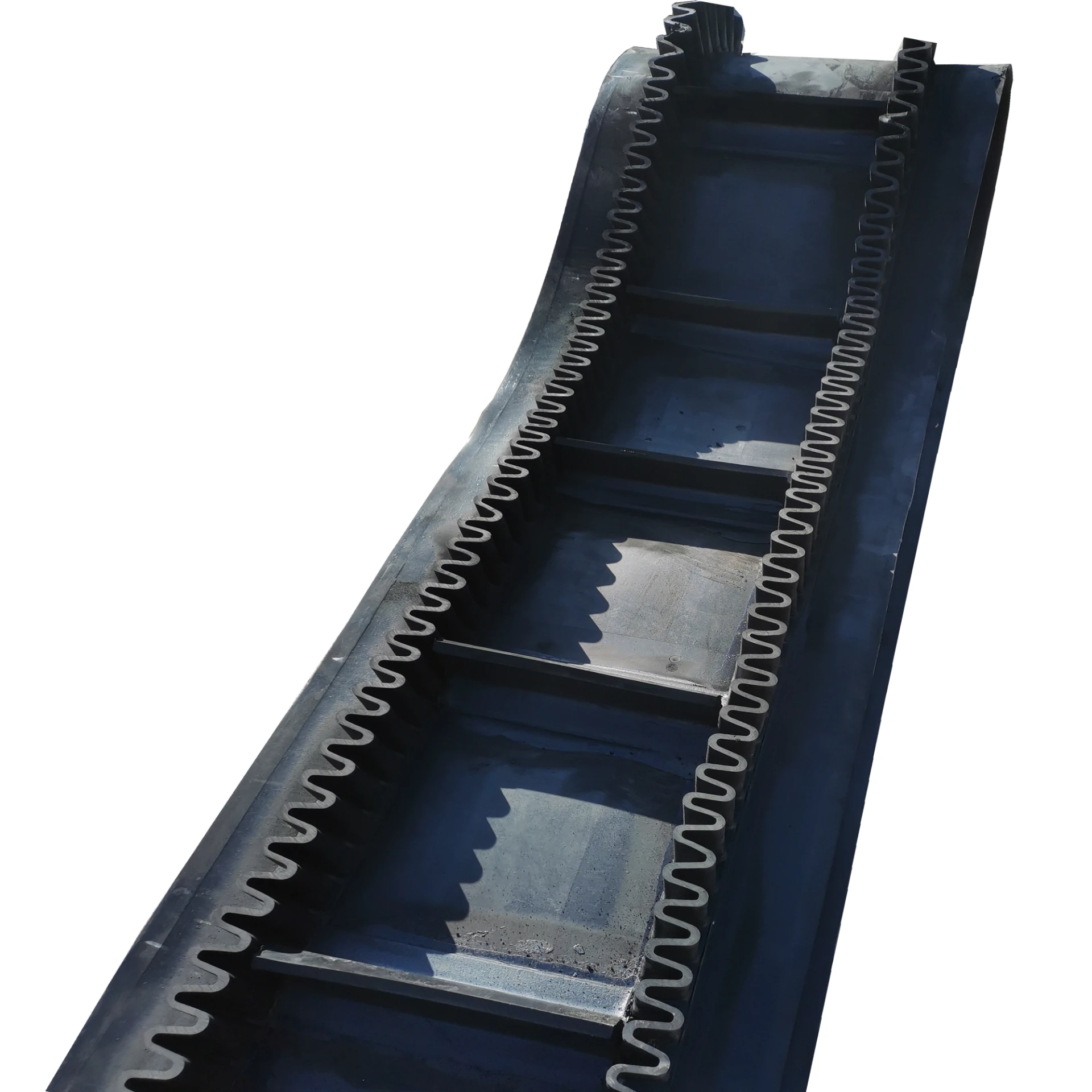
The belt is responsible for transporting materials. Different belt materials and surface designs can be selected depending on the product type, weight, and working environment.
Drive Unit
The motor and transmission system provide the power needed for both belt movement and telescopic extension. A reliable drive unit ensures smooth operation and reduces maintenance requirements.
Control System
Advanced control panels allow operators to adjust conveyor movement, speed, and direction. Safety features such as emergency stops and protective sensors can also be integrated.
Supporting Structure
The supporting frame keeps the conveyor stable during operation. Some models include adjustable height functions to match different vehicle platforms and loading conditions.
Benefits of Using a Telescopic Belt Conveyor
A telescopic belt conveyor offers several advantages compared with traditional material handling equipment.
Improved Loading and Unloading Efficiency
The biggest advantage is the ability to bring the conveyor directly to the working area. Employees do not need to repeatedly move between the conveyor and the truck, significantly improving loading speed.
Reduced Labor Costs
By minimizing manual transportation, telescopic conveyors help reduce physical workload and improve workplace productivity. Fewer workers may be required for repetitive loading and unloading tasks.
Space-Saving Design
Because the conveyor can retract when not in use, it occupies less space than many fixed conveyor systems. This makes it suitable for warehouses where floor space is limited.
Flexible Operation
A telescopic conveyor can adapt to different working environments, including various truck sizes, container dimensions, and warehouse layouts.
Safer Material Handling
Reducing manual carrying helps lower the risk of workplace injuries caused by repetitive lifting or long-distance movement of goods.
Common Applications of Telescopic Belt Conveyors
Telescopic belt conveyors are used in many industries that require fast and efficient material transfer.
Logistics and Distribution Centers
In parcel sorting and distribution facilities, telescopic conveyors help handle large volumes of packages during receiving and shipping operations.
E-Commerce Warehouses
With the growth of online shopping, warehouses need faster order fulfillment systems. Telescopic conveyors improve the efficiency of loading delivery vehicles and processing high-volume shipments.
Manufacturing Industry
Manufacturers use telescopic conveyors to transport finished products, components, and packaged goods between production lines and storage areas.
Airports and Cargo Terminals
Telescopic conveyor systems are also used for cargo handling applications where speed and accuracy are important.
How to Choose the Right Telescopic Conveyor Manufacturer?
Choosing a reliable supplier is important because conveyor performance directly affects operational efficiency. When selecting among telescopic conveyor manufacturers, customers should consider several factors:
Customization Capability
Different industries have different requirements for conveyor length, belt width, load capacity, and installation conditions. A professional manufacturer should provide customized solutions.
Manufacturing Experience
Experienced manufacturers understand material handling challenges and can provide reliable equipment designs based on practical applications.
Product Quality
High-quality materials, precision manufacturing processes, and strict quality control help ensure long-term conveyor performance.
After-Sales Support
Technical guidance, installation assistance, and maintenance services are important for keeping equipment operating efficiently.
Hebei Roule focuses on developing and manufacturing conveyor equipment for industrial applications. With professional production capabilities and customized design options, the company provides telescopic belt conveyor solutions that help customers improve logistics efficiency and reduce operational costs.
Why Choose Hebei Roule as Your Telescopic Conveyor Supplier?
Hebei Roule combines engineering experience with practical industry knowledge to deliver dependable conveyor systems for global customers. The company can provide solutions based on specific requirements, including conveyor dimensions, transportation materials, working environment, and automation needs.
From warehouse logistics to industrial production lines, Hebei Roule's telescopic belt conveyors are designed to provide stable transportation performance, flexible operation, and efficient material handling.
Conclusion
A telescopic belt conveyor is an efficient solution for modern loading and unloading operations. Its expandable structure, flexible design, and space-saving advantages make it widely used in logistics, warehousing, manufacturing, and cargo handling industries.
For businesses looking to improve material handling efficiency, working with professional telescopic conveyor manufacturers like Hebei Roule can help create customized conveyor systems that meet specific operational needs and support long-term productivity.