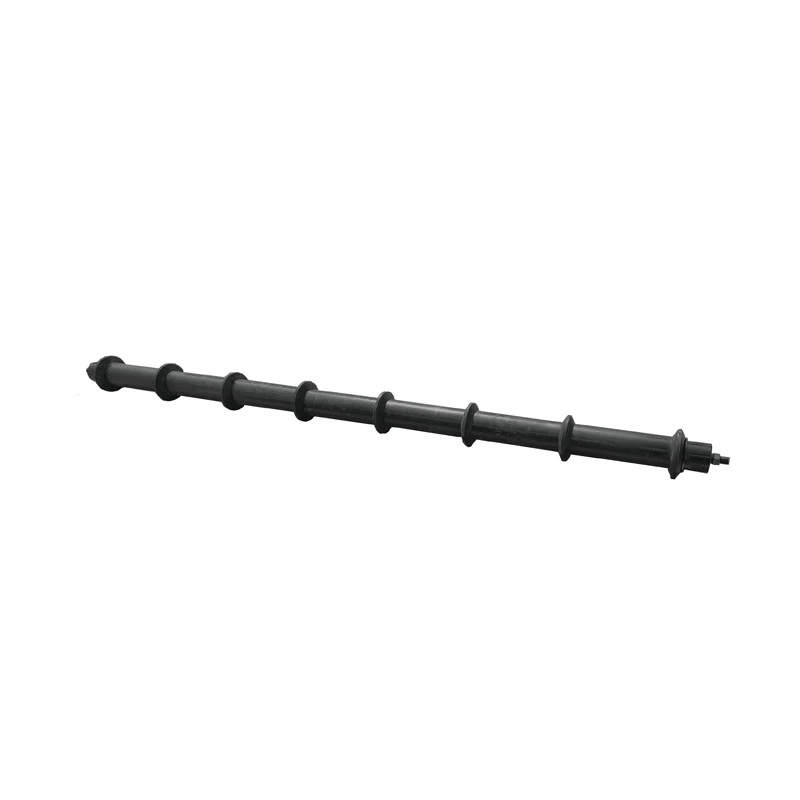
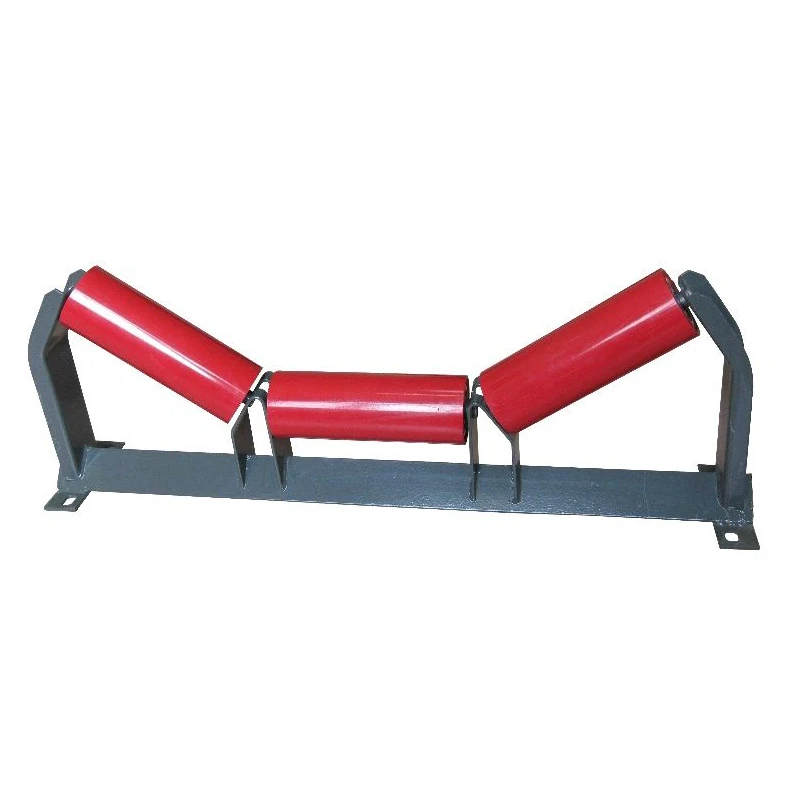
A stainless steel conveyor roller is an essential component in modern conveyor systems where durability, corrosion resistance, hygiene, and reliable material movement are required. Compared with ordinary carbon steel or plastic rollers, stainless steel rollers are particularly suitable for demanding industrial environments involving moisture, chemicals, frequent cleaning, heavy loads, or strict sanitary requirements.
From food processing and pharmaceutical production to packaging, logistics, chemical manufacturing, and industrial automation, stainless steel conveyor rollers provide a dependable solution for transporting cartons, containers, components, raw materials, and finished products.
This guide explains how stainless steel conveyor rollers work, their advantages, common materials, applications, and the key factors buyers should consider when selecting rollers for an industrial conveyor system.
What Is a Stainless Steel Conveyor Roller?
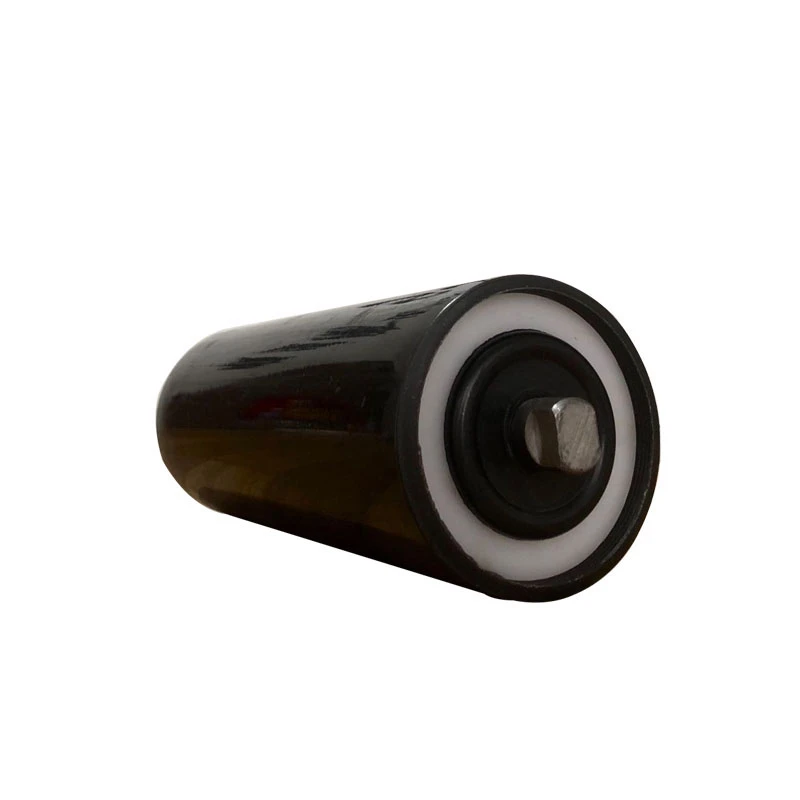
A stainless steel conveyor roller is a cylindrical component installed within a roller conveyor or conveyor system to support and transport products from one location to another.
Depending on the conveyor design, rollers may operate through gravity, belts, chains, sprockets, motors, or other drive mechanisms. Their dimensions, wall thickness, shaft configuration, bearing type, surface finish, and load capacity can all be customized according to the application.
The major difference between a stainless steel roller and a conventional steel conveyor roller is the material. Stainless steel provides excellent resistance to rust and corrosion while maintaining good mechanical strength.
This makes it particularly valuable in environments where conventional steel rollers could deteriorate because of water, humidity, cleaning chemicals, or corrosive substances.

Why Choose Stainless Steel Conveyor Rollers?
One of the primary advantages of a stainless steel conveyor roller is its ability to perform reliably under challenging operating conditions.
Excellent Corrosion Resistance
Stainless steel naturally provides strong resistance against oxidation and corrosion. This is important for conveyor systems operating in wet, humid, outdoor, washdown, or chemically exposed environments.
Reduced corrosion can help extend roller service life while decreasing maintenance and replacement frequency.
High Mechanical Strength
Industrial conveyor systems may need to transport heavy cartons, metal components, containers, pallets, or production materials.
Properly designed stainless steel rollers combine structural strength with long-term dimensional stability, making them suitable for many medium- and heavy-duty conveyor applications.
Easy to Clean
Cleanability is particularly important in food, beverage, pharmaceutical, and other hygiene-sensitive industries.
The smooth surface of stainless steel is relatively easy to clean, and suitable grades can withstand frequent washing and sanitation procedures. Conveyor designs for hygienic environments should, however, consider the complete assembly—including bearings, seals, shafts, frames, and potential contamination traps—not just the roller tube.
Long Service Life
Although stainless steel conveyor rollers may have a higher initial cost than some carbon steel alternatives, their corrosion resistance and durability can reduce replacement requirements in demanding environments.
For buyers evaluating total cost of ownership, service life, downtime, cleaning requirements, and maintenance frequency can be more important than purchasing price alone.
304 vs 316 Stainless Steel Conveyor Rollers
Material grade is an important consideration when purchasing industrial conveyor rollers.
304 stainless steel is one of the most commonly used grades. It offers a practical combination of corrosion resistance, mechanical performance, availability, and cost. It is widely used in food processing, packaging, logistics, general manufacturing, and industrial automation.
316 stainless steel contains molybdenum and generally provides better resistance to chloride-containing and more aggressive corrosive environments. It may be preferred for certain chemical processing, marine, coastal, or demanding washdown applications.
The appropriate material should therefore be selected according to actual operating conditions rather than assuming that the most expensive grade is automatically necessary.
Common Applications of Stainless Steel Conveyor Rollers
The versatility of stainless steel makes these rollers suitable for numerous industries.
In food and beverage processing, stainless steel conveyor rollers can be incorporated into systems handling packaged foods, bottles, cans, cartons, containers, and production materials. Their corrosion resistance is valuable where regular washdown is necessary.
In pharmaceutical and healthcare manufacturing, cleanability and material compatibility make stainless steel a common choice for suitable conveyor applications.
For packaging and logistics systems, rollers can transport cartons, totes, boxes, parcels, and containers through sorting, packing, inspection, and distribution processes.
Chemical and industrial plants may also use stainless steel conveyor rollers where moisture or corrosive substances make conventional carbon steel less suitable.
Other applications include electronics manufacturing, warehouse automation, machinery production, automotive components, agricultural processing, and automated production lines.
How to Choose the Right Stainless Steel Conveyor Roller
Selecting a conveyor roller involves considerably more than specifying its diameter.
Buyers should first determine the dimensions and weight of the products being transported. Roller diameter, wall thickness, shaft diameter, bearing configuration, roller spacing, and conveyor frame design all influence the system's load capability.
The operating environment should also be evaluated carefully. Important questions include whether the conveyor will be exposed to water, salt, acids, alkalis, cleaning agents, high or low temperatures, dust, or other contaminants.
Roller dimensions are another critical consideration. Common specifications include:
- Roller diameter and tube wall thickness
- Overall roller length and effective working width
- Shaft diameter and shaft-end design
- Bearing type and sealing structure
- 304 or 316 stainless steel material
- Surface finish
- Required load capacity
- Conveyor speed and operating frequency
- Gravity or powered conveyor configuration
Providing these parameters to a stainless steel conveyor roller manufacturer can make technical evaluation and quotation considerably more accurate.
Gravity vs Powered Stainless Steel Conveyor Rollers
Stainless steel rollers can be designed for both gravity and powered conveyor systems.
A gravity roller conveyor uses product weight and external force or an inclined conveyor section to move materials. It offers a relatively simple structure and is commonly used for warehouses, assembly areas, packaging stations, and material transfer applications.
Powered roller conveyors use motors and drive mechanisms to control product movement. Depending on the system, rollers may incorporate sprockets, grooves, pulleys, or other transmission components.
Powered systems are particularly useful for automated production lines where controlled speed, accumulation, positioning, sorting, and integration with other machinery are required.
Choosing between these configurations depends on automation requirements, product weight, throughput, conveyor layout, and available investment.
Custom Stainless Steel Conveyor Rollers for Industrial Systems
Standard rollers cannot satisfy every conveyor application.
OEM equipment manufacturers, conveyor system integrators, and industrial plants frequently require custom stainless steel conveyor rollers designed around existing machinery or specific operating requirements.
Customization may include roller diameter, tube thickness, overall length, shaft dimensions, threaded shafts, spring-loaded shafts, bearing arrangements, sprocket configurations, grooves, surface treatment, and stainless steel grade.
For replacement projects, providing drawings, photographs, existing roller specifications, or physical samples can help manufacturers reproduce the required configuration accurately.
For new conveyor projects, buyers should provide information about product dimensions, maximum load, operating speed, working environment, conveyor width, and drive method.
Stainless Steel Conveyor Roller Price: What Affects the Cost?
The stainless steel conveyor roller price varies considerably according to specifications.
Material grade is one factor, with 316 stainless steel generally costing more than comparable 304 material. Roller diameter, tube thickness, shaft size, bearing quality, machining requirements, surface finish, and order quantity can also affect manufacturing cost.
Customized sprockets, precision machining, specialized sealing, or non-standard dimensions may further influence pricing.
For B2B procurement, comparing quotations purely on unit price can therefore be misleading. Buyers should confirm that competing quotations are based on equivalent materials, dimensions, bearings, load requirements, tolerances, and configurations.
Finding a Reliable Stainless Steel Conveyor Roller Manufacturer
A capable supplier should be able to manufacture rollers according to drawings or technical specifications while maintaining consistent dimensional accuracy.
Before placing a bulk order, industrial buyers can request detailed specifications, material information, drawings, samples, production capabilities, quality-control procedures, packaging details, and expected lead times.
For customized applications, technical communication is particularly important. A supplier that understands conveyor load, operating environment, shaft configuration, bearing selection, and drive requirements can help reduce compatibility problems during installation.
Conclusion
A stainless steel conveyor roller provides a durable and corrosion-resistant solution for industrial material handling systems. Its combination of mechanical strength, cleanability, and environmental resistance makes it suitable for food processing, packaging, pharmaceuticals, logistics, chemical production, automation, and many other industries.
The best roller configuration depends on the application. Buyers should evaluate stainless steel grade, roller dimensions, load capacity, bearings, shaft design, operating environment, conveyor speed, and drive method before ordering.
Whether you need standard rollers or a custom stainless steel conveyor roller for an OEM conveyor project, clearly defined technical specifications are the foundation for obtaining a reliable, efficient, and cost-effective material handling solution.