Modern manufacturing and material-handling operations increasingly require conveyor systems that can work efficiently within limited floor space while maintaining continuous product flow. A circle conveyor belt provides a practical solution for applications where products need to travel along a circular, curved, or looped conveying path.
Unlike a conventional straight conveyor, a circle conveyor belt can be integrated into production lines that require directional changes, accumulation, sorting, inspection, cooling, or continuous circulation. It is widely used in food processing, packaging, electronics, manufacturing, logistics, and other automated production environments.
Understanding how circle conveyor belts work, their main advantages, and the factors that influence belt selection can help manufacturers design a more reliable and efficient conveyor system.
What Is a Circle Conveyor Belt?
A circle conveyor belt, sometimes referred to as a circular conveyor belt or curved conveyor belt depending on the system design, is a conveying solution designed to move products along a circular or curved route.
The exact configuration varies according to the application. Some systems use a complete closed-loop layout, while others incorporate curved conveyor sections into a larger production line.
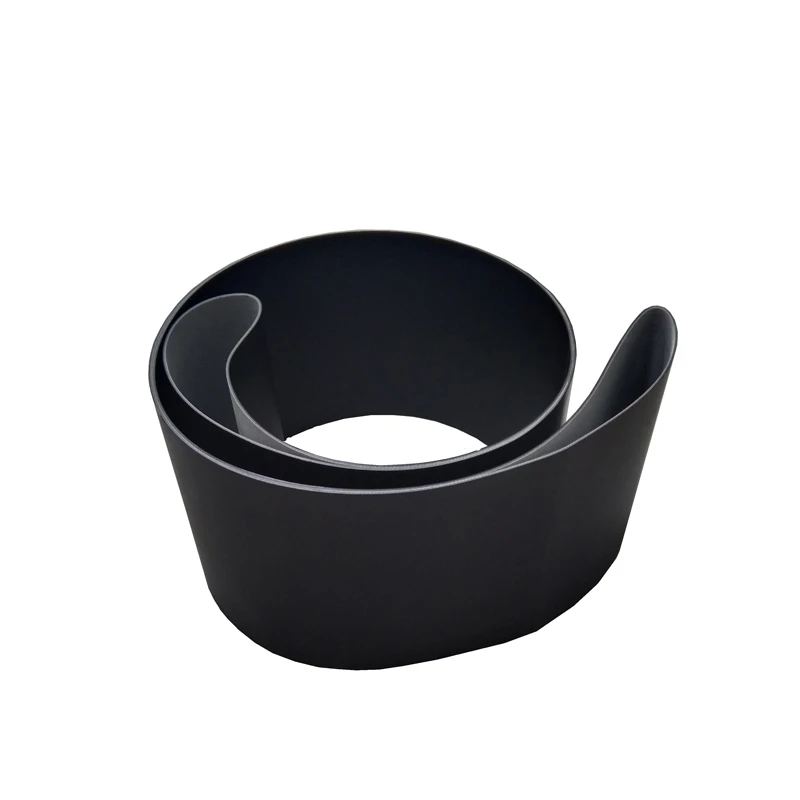
The belt itself can be manufactured from different materials, including PVC, PU, rubber, modular plastic, or other engineered materials. The appropriate material depends on the product being transported, operating temperature, required load capacity, hygiene requirements, and environmental conditions.
Circle conveyor systems can transport products such as:
Food and beverage packages
Cartons and boxes
Bottles and containers
Electronic components
Automotive parts
Industrial components
Parcels and packaged goods
Because the conveying direction can be adapted to the available production space, circular conveyor systems are particularly useful for factories seeking flexible automation layouts.

How Does a Circle Conveyor Belt Work?
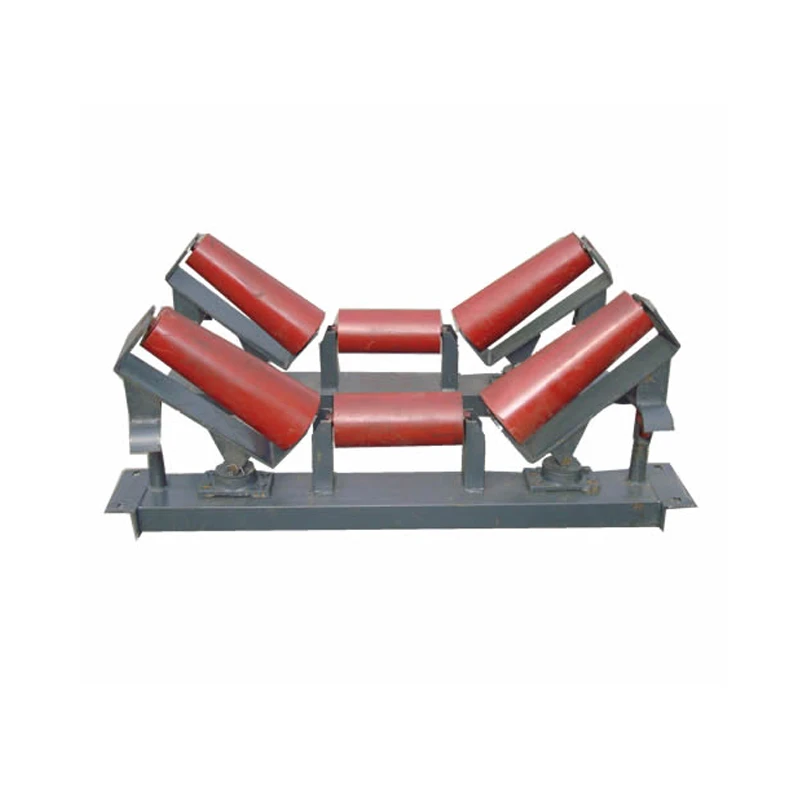
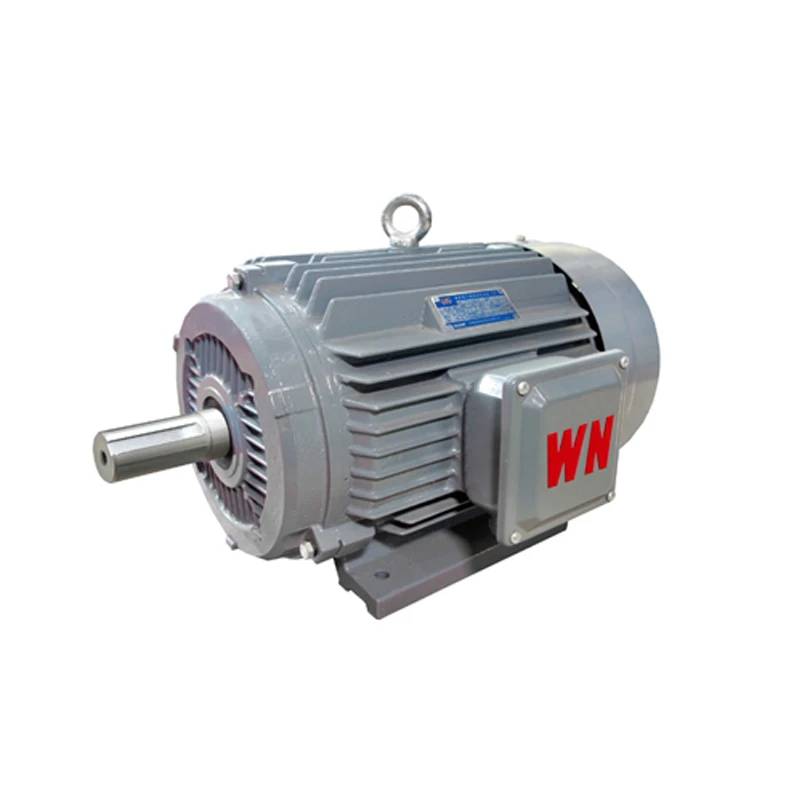
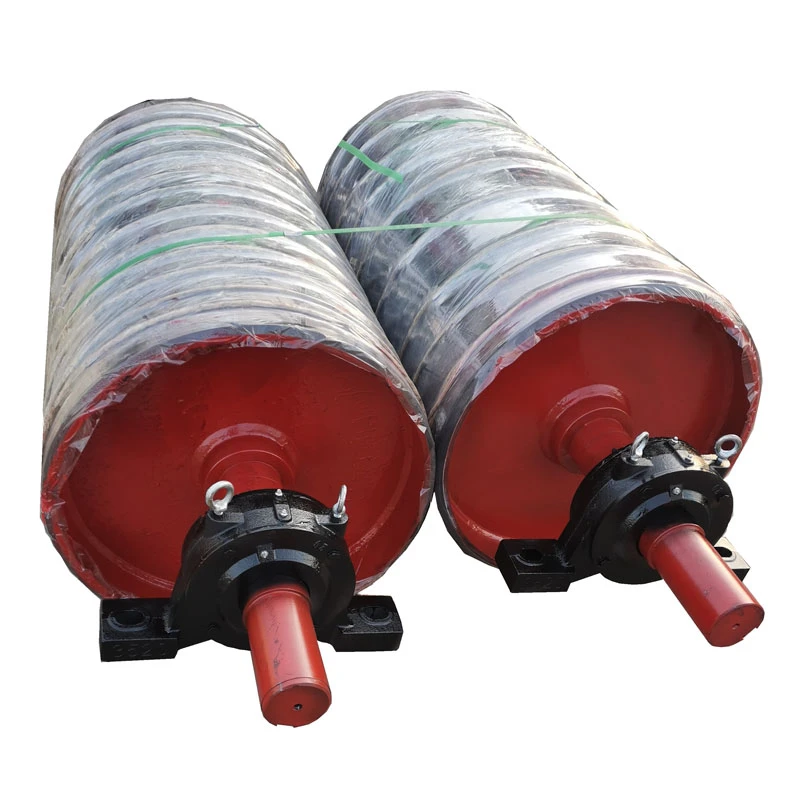
The basic operating principle of a circle conveyor belt system is similar to that of a conventional belt conveyor. A motor and drive system generate movement, while rollers, pulleys, guides, or supporting structures maintain the required belt path.
The major difference is that the belt must operate reliably while following a curved or circular trajectory.
This creates additional engineering considerations. Belt tension needs to remain stable throughout the conveying path, while the belt structure must resist unwanted deformation or lateral movement. Proper tracking is especially important because uneven forces can cause the belt to shift away from its intended position.
Depending on the conveyor design, manufacturers may use special belt structures, guide profiles, tapered rollers, modular belt components, or customized drive mechanisms.
For industrial applications, the conveyor manufacturer should evaluate the complete system rather than simply selecting a belt based on width and length.
Why Use a Circular Conveyor Belt System?
One of the primary advantages of a circular conveyor belt is efficient use of production space.
Traditional straight conveyors can require considerable floor length. A circular or curved configuration allows manufacturers to redirect material flow around machinery, columns, workstations, inspection areas, or other production equipment.
Another advantage is continuous circulation. Products can remain on the conveyor for a specified period before moving to the next process. This can be useful for inspection, assembly, cooling, drying, buffering, sorting, or temporary accumulation.
Circle conveyor systems can also improve production-line flexibility. Instead of designing every machine around a straight conveying route, engineers can develop layouts that better match the available factory environment.
When properly engineered, these systems can contribute to smoother material flow, reduced manual handling, and better integration between different production processes.
Common Applications of Circle Conveyor Belts
A circle conveyor belt can be adapted to many industrial sectors because the belt material, dimensions, surface characteristics, and conveyor structure can be customized.
In food processing and packaging, circular conveyors may be used for product transfer, accumulation, inspection, sorting, cooling, and packaging operations. When direct food contact is involved, appropriate food-grade belt materials and hygienic conveyor designs should be selected according to applicable requirements.
In automated manufacturing, circle conveyors can connect different workstations while keeping components moving through repetitive production processes. They can also provide operators or robotic equipment with convenient access to products from multiple positions.
Packaging and logistics facilities may use circular or curved conveyors to redirect cartons, parcels, bottles, containers, or other packaged goods without requiring extensive manual transfer.
Other applications can include electronics production, pharmaceutical packaging, automotive component manufacturing, printing, warehousing, and general industrial automation.
Circle Conveyor Belt vs. Straight Conveyor Belt
The main difference between a circle conveyor belt and a traditional straight conveyor belt is the conveying path.
Straight conveyors are generally easier to design and are highly effective when products simply need to travel between two points. They remain the preferred solution for many standard material-handling applications.
A circle conveyor belt, however, provides greater layout flexibility when the production process requires directional changes or continuous circulation.
For example, a straight conveyor may be appropriate for moving finished cartons from a packaging machine to a warehouse area. A circular conveyor may be more suitable when products must circulate through several inspection or assembly positions before leaving the production line.
The correct choice therefore depends on the production process rather than one conveyor type being universally better than another.
What Materials Are Used for Circle Conveyor Belts?
Selecting the correct belt material is essential for reliable operation.
PVC conveyor belts are commonly used for general industrial conveying and packaged products. They can provide a practical balance between performance and cost for many light- and medium-duty applications.
PU conveyor belts are frequently considered for applications where cleanliness, wear resistance, or specific food-processing requirements are important.
Rubber conveyor belts can be suitable for heavier-duty industrial environments where higher mechanical strength and resistance to demanding operating conditions are required.
Modular plastic belts are another option for curved and circular conveyor systems. Their interconnected module structure can offer flexibility in customized conveying layouts and make individual sections easier to replace.
The final material specification should consider the actual operating environment rather than relying solely on the conveyor type.
How to Choose the Right Circle Conveyor Belt
Choosing the correct industrial circle conveyor belt requires evaluation of both the transported product and the operating conditions.
Important parameters include belt width, conveyor diameter or turning radius, product dimensions, individual product weight, total load, conveying speed, operating temperature, required friction level, and working environment.
Buyers should also consider whether the belt will encounter moisture, oil, chemicals, abrasive materials, or frequent cleaning.
Tracking performance is particularly important for curved systems. A belt that performs well on a straight conveyor may not automatically be suitable for a circular configuration. The belt construction and conveyor structure must work together to maintain stable movement.
For customized projects, providing detailed operating information to the circle conveyor belt manufacturer can reduce the risk of incorrect material or dimensional selection.
Maintenance Tips for Circle Conveyor Belt Systems
Regular maintenance can significantly improve conveyor reliability and service life.
Operators should periodically inspect belt tension, tracking, surface condition, rollers, pulleys, guides, bearings, and drive components. Any unusual vibration, noise, slipping, or lateral belt movement should be investigated before it develops into a larger mechanical problem.
Cleaning procedures should also match the belt material and application. This is especially important in food, pharmaceutical, and other environments where contamination control is required.
Replacing worn components early can help prevent unexpected production interruptions and reduce the risk of damage to other conveyor components.
Custom Circle Conveyor Belts for Industrial Applications
Standard conveyor belts cannot meet every production requirement. Conveyor dimensions, turning radius, load capacity, belt surface, speed, temperature, and operating environment can vary considerably between factories.
A customized circle conveyor belt can therefore be designed according to the actual conveying process.
When requesting a quotation, buyers should provide as much technical information as possible, including the product being conveyed, belt dimensions, required turning radius, operating speed, load, temperature range, application environment, and any special requirements.
Accurate application data allows the manufacturer to recommend a more appropriate belt material and structure.
Conclusion
A circle conveyor belt is a versatile material-handling solution for production lines that require curved movement, continuous circulation, accumulation, inspection, or efficient use of limited factory space.
Its performance depends not only on the belt itself but also on material selection, conveyor geometry, drive design, tracking, tension, load, and operating conditions.
For manufacturers planning a new conveyor system or upgrading an existing production line, evaluating these parameters before purchasing can improve system stability and reduce long-term maintenance requirements.
Working with an experienced circle conveyor belt manufacturer also makes it easier to develop a customized solution based on belt width, turning radius, material, load capacity, speed, and specific industrial application.