A conveyor roller does more than support material on a conveyor system. Its structure, surface design, rotation, and load capacity can directly affect conveying stability and equipment service life. For conveyor systems that require controlled material movement and improved cleaning or belt contact conditions, a spiral conveyor roller can be an important component.
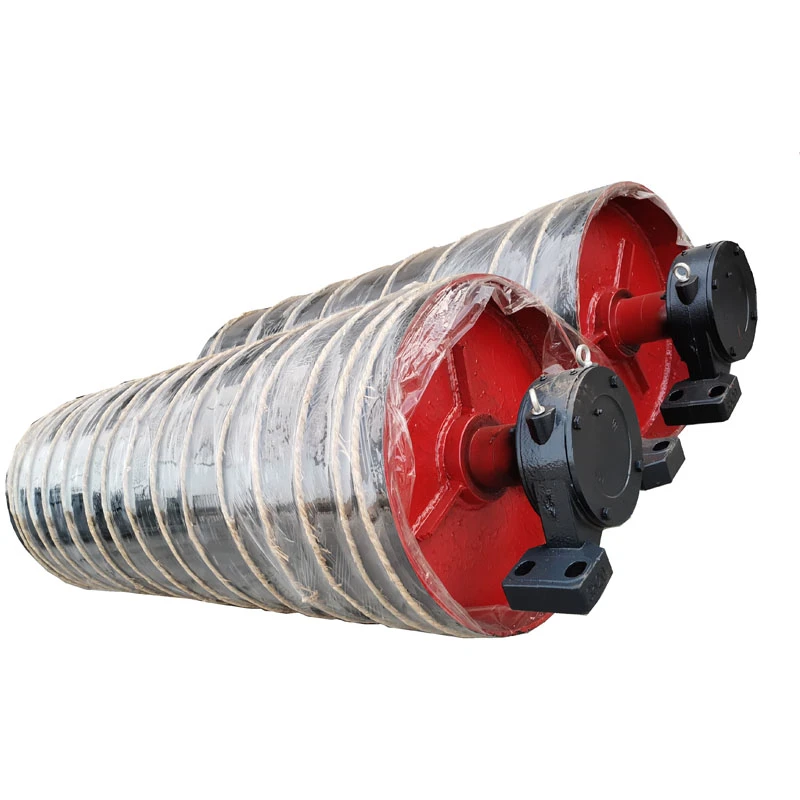
Also known as a spiral roller, this type of conveyor roller features a spiral-shaped surface or structure designed for specific conveying and material-handling requirements. Compared with standard cylindrical rollers, its spiral profile can provide additional functional benefits in applications where material buildup, belt tracking, or surface contact needs to be considered.
Understanding how spiral conveyor rollers work, where they are used, and how to select them can help conveyor manufacturers, system integrators, and industrial buyers choose a suitable roller solution.
What Is a Spiral Conveyor Roller?
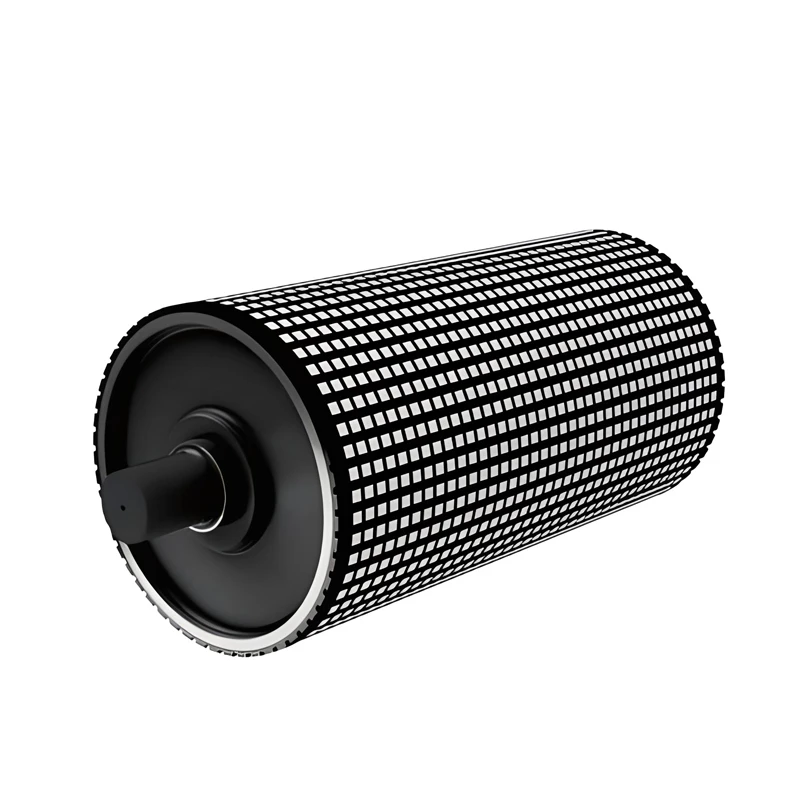
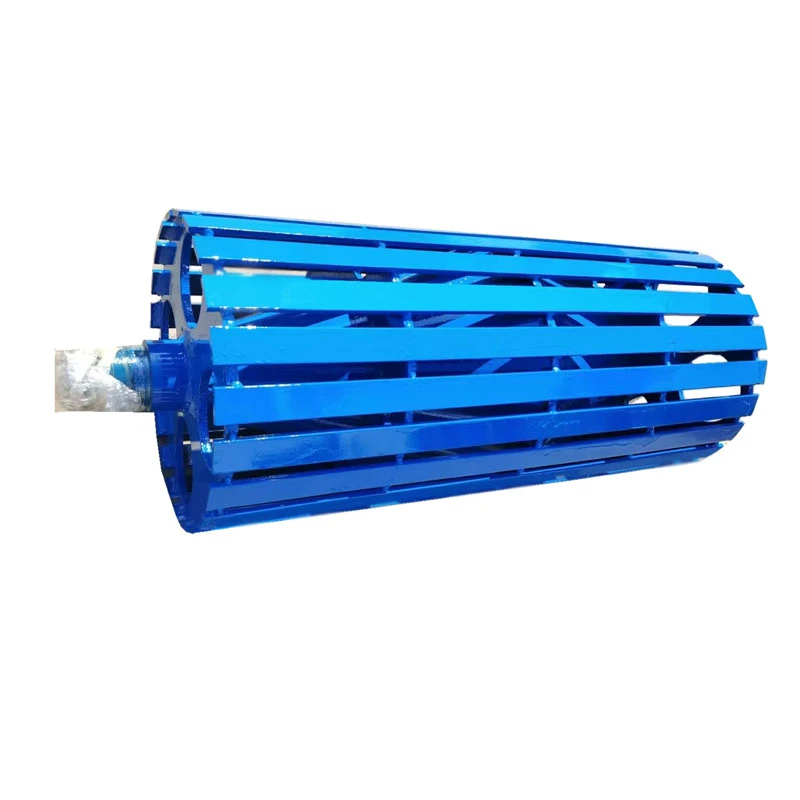
A spiral conveyor roller is a specialized conveyor roller designed with a spiral configuration on its outer surface. It is installed as part of a conveyor system and rotates as material or a conveyor belt passes over it.
The spiral structure distinguishes it from conventional straight-surface conveyor rollers. Depending on the specific design, the spiral pattern can help influence the contact between the roller and conveying surface during operation.
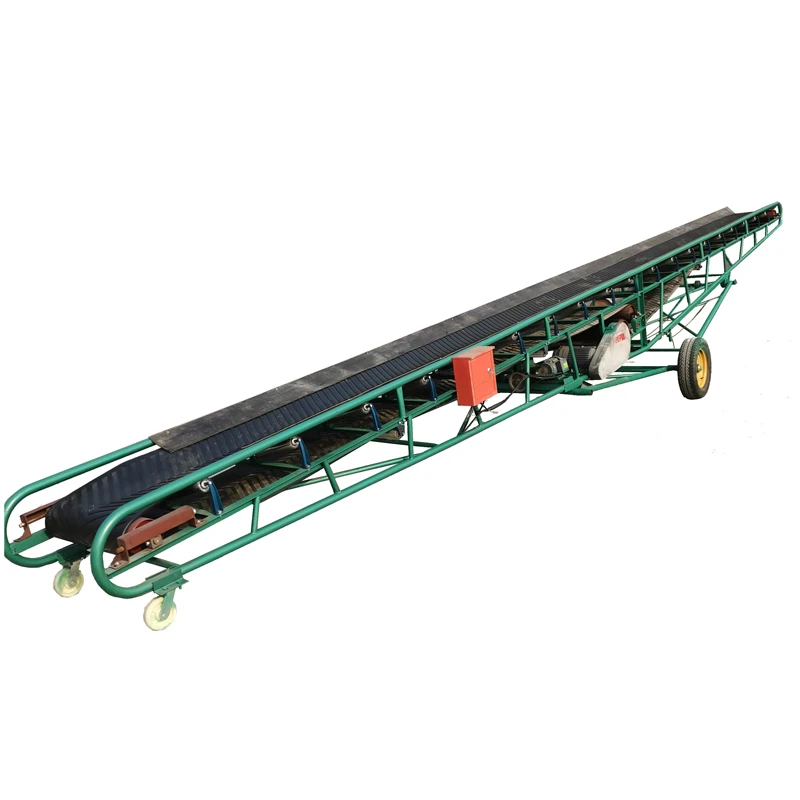
Spiral rollers are commonly considered for belt conveyor systems and other material-handling equipment where the roller needs to perform more than basic load support.
The actual design of a spiral roller can vary according to the conveyor structure, belt specifications, material characteristics, load requirements, and operating environment. Diameter, roller length, shaft configuration, bearing arrangement, surface material, and spiral pattern can all affect performance.
For this reason, a spiral conveyor roller should be selected as part of the complete conveyor system rather than treated as a standard replacement roller.

How Does a Spiral Conveyor Roller Work?
The working principle of a spiral conveyor roller is based on rotational movement.
When the conveyor operates, the roller rotates around its central shaft. The spiral profile on the roller surface creates a particular contact pattern between the roller and the conveyor belt or transported material.
As the roller turns, the spiral surface continuously moves through the contact area. This configuration can help reduce the accumulation of certain materials on the roller surface and maintain more consistent contact during conveyor operation.
The effectiveness of a spiral roller depends on its geometry and application. A suitable spiral design should match the conveyor belt, material characteristics, operating speed, and load.
In a complete conveyor system, the roller also works together with bearings, shafts, brackets, belts, and other components. Proper alignment is important because excessive misalignment can increase friction, vibration, and wear.
Spiral Roller vs. Standard Conveyor Roller
The main difference between a spiral roller and a standard conveyor roller is the surface configuration.
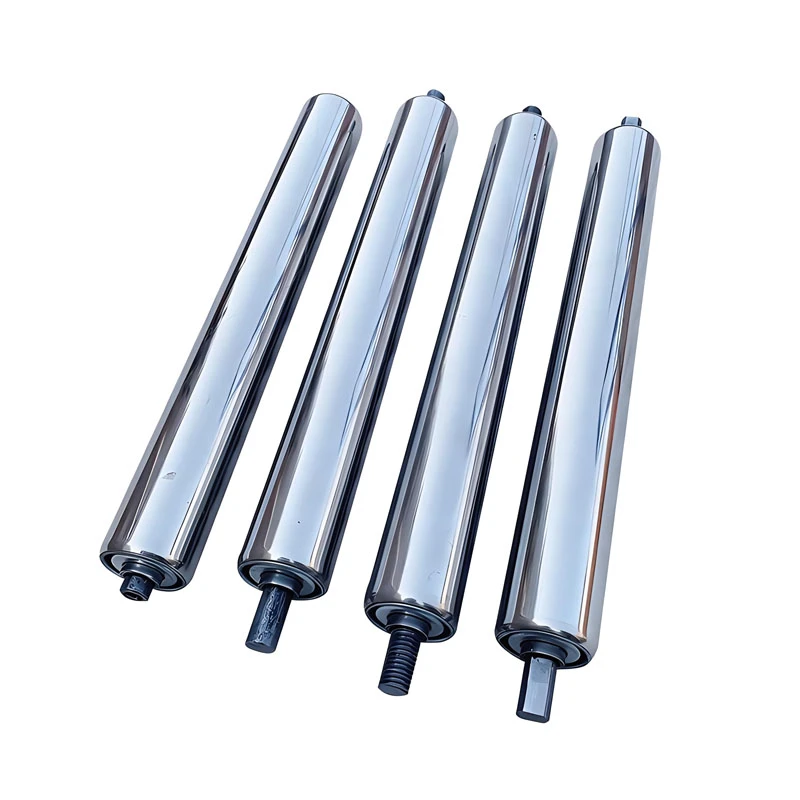
A conventional conveyor roller generally has a smooth cylindrical surface. It provides straightforward support and rotation for the conveyor belt or transported material.
A spiral roller, by contrast, incorporates a spiral-shaped surface. This changes how the roller interacts with the belt or material during rotation.
The choice between the two depends on the conveyor's operating conditions.
| Feature | Spiral Conveyor Roller | Standard Conveyor Roller |
|---|---|---|
| Surface design | Spiral profile | Smooth cylindrical surface |
| Main function | Support and specialized surface interaction | Basic support and rotation |
| Material buildup control | Can be beneficial in suitable applications | Depends on surface and material |
| Application flexibility | Designed for specific conveyor requirements | Widely used for general conveying |
| Maintenance considerations | Depends on spiral design and environment | Generally straightforward |
| Selection factors | Belt, load, speed, material, spiral profile | Diameter, load, speed, belt and material |
A spiral roller should therefore not be selected simply because it is a different roller design. Its advantages are most relevant when its surface configuration addresses a specific conveyor requirement.
Key Design Features of Spiral Conveyor Rollers
Several design factors influence the performance of a spiral conveyor roller.
Roller Diameter
The roller diameter affects rotational speed, load distribution, and contact conditions. A suitable diameter should be selected according to conveyor speed, belt design, load, and installation space.
Spiral Surface
The spiral profile is one of the defining features of the roller. Its geometry should be engineered according to the intended application rather than selected independently.
Shaft Configuration
The shaft transfers mechanical loads and connects the roller to the conveyor frame. Shaft diameter, length, mounting method, and material can vary according to the system requirements.
Bearings
Bearings allow the roller to rotate smoothly around the shaft. Bearing selection should consider load, speed, operating environment, and expected service life.
Roller Material
Carbon steel and other materials may be used depending on the application. Surface treatment can also be considered when additional wear resistance or corrosion protection is required.
A well-designed roller combines these elements to provide stable rotation and reliable operation.
Benefits of Using Spiral Conveyor Rollers
One potential benefit of a spiral conveyor roller is its specialized surface design.
The spiral configuration can help influence material movement and surface contact during rotation. In applications where material may accumulate on conventional smooth rollers, a properly designed spiral surface may provide a practical alternative.
Spiral rollers can also contribute to stable conveyor operation when correctly matched with the belt and conveyor structure.
Another benefit is application flexibility. Manufacturers can design spiral rollers according to different roller dimensions, shaft configurations, surface requirements, and operating conditions.
However, performance should always be evaluated based on the complete conveyor system. A roller that works effectively in one application may not provide the same result under different load, speed, temperature, or material conditions.
Where Are Spiral Conveyor Rollers Used?
Spiral conveyor rollers can be used in different industrial material-handling applications.
Typical environments may include:
- Mining and bulk material handling
- Coal handling systems
- Cement plants
- Metallurgical facilities
- Ports and terminals
- Chemical processing facilities
- Aggregate handling
- Industrial production lines
- Belt conveyor systems
The appropriate roller configuration depends on the characteristics of the conveyed material and the operating environment.
For example, heavy-duty applications may require a stronger shaft and bearing configuration, while corrosive environments may require appropriate material or surface treatment.
How to Choose the Right Spiral Roller
Choosing the right spiral roller starts with understanding the conveyor operating conditions.
First, determine the conveyor belt width and roller dimensions. The roller must fit the existing conveyor structure and provide sufficient support.
Next, consider the material being conveyed. Bulk materials, heavy loads, abrasive particles, and sticky materials can create different demands on the roller surface.
Operating speed is another important factor. Higher speeds can place greater demands on bearings, balance, shaft design, and overall roller construction.
The working environment should also be considered. Temperature, moisture, dust, chemicals, and outdoor exposure can affect roller materials and service life.
Finally, consider the expected operating hours and maintenance requirements. For continuous industrial operations, durable components and suitable bearing systems can help reduce unexpected downtime.
Providing the roller manufacturer with complete conveyor information can make the selection process more accurate.
Why Spiral Conveyor Roller Quality Matters
A conveyor roller is a relatively small component, but thousands of rollers may operate together in a large conveying system. Problems with individual rollers can therefore affect the efficiency and maintenance requirements of the entire conveyor.
Poor alignment, unsuitable bearings, inadequate shaft strength, or inappropriate surface design may result in increased friction, vibration, noise, and premature wear.
A quality spiral conveyor roller should be manufactured with controlled dimensions and consistent assembly. Shaft accuracy, bearing installation, surface quality, welding quality, and dynamic balance can all influence the final performance.
For industrial buyers, it is also useful to evaluate the manufacturer's production capabilities, quality control process, material selection, and experience with different conveyor applications.
Conclusion
A spiral conveyor roller is a specialized conveyor roller designed with a spiral surface configuration for particular material-handling requirements. Compared with a standard smooth roller, its distinctive profile changes the contact conditions during operation and can provide advantages in suitable conveyor applications.
The performance of a spiral roller depends on much more than its outer shape. Roller diameter, spiral design, shaft construction, bearings, material, conveyor speed, belt specifications, load, and working environment all need to work together.
For this reason, selecting the right spiral conveyor roller should begin with the actual conveyor application. When the roller design is correctly matched with the system, it can support stable conveying performance and contribute to the long-term reliability of the conveyor equipment.